How to Grow and Care for Zinnia
Contents
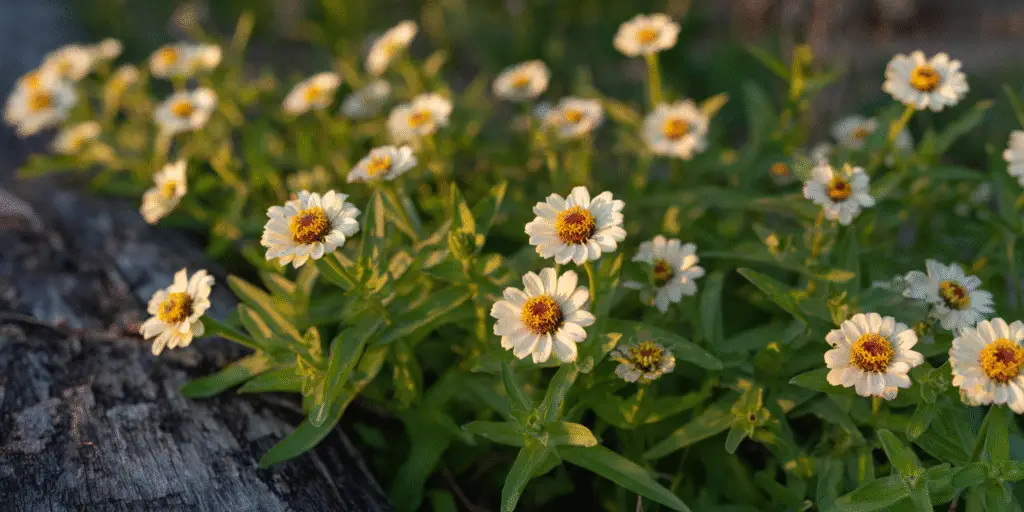
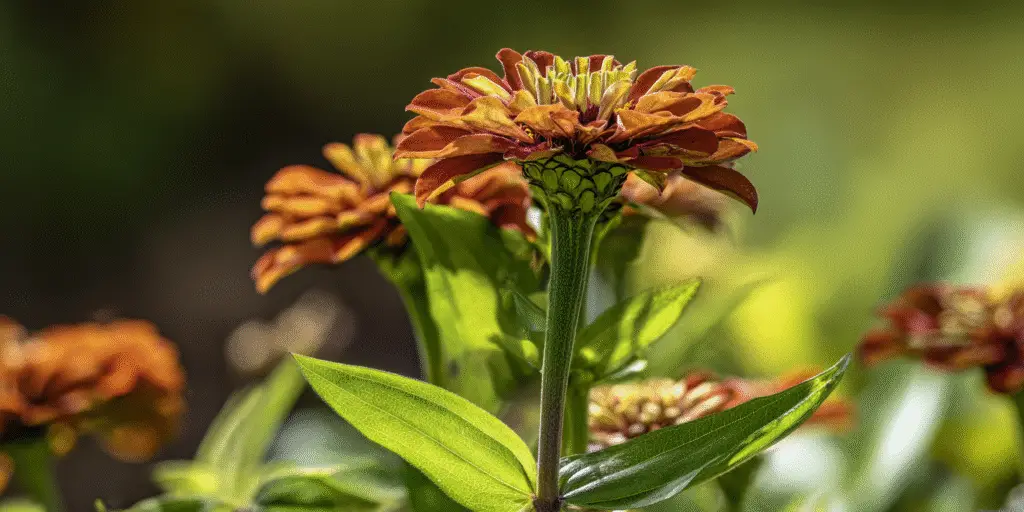
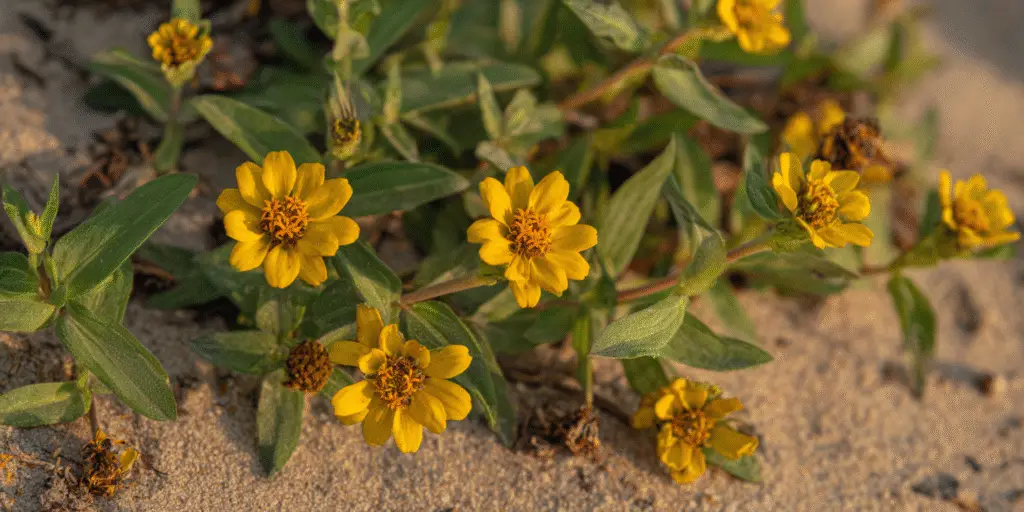
Zinnia refers to a small genus of warm season annuals in the aster family that are prized for nonstop color and easy culture. The most common garden species is Zinnia elegans Jacq. which is also listed in some references as Zinnia violacea. Modern bedding selections often include hybrids with Zinnia haageana and interspecific lines broadly marketed as Zinnia marylandica types. Plants form upright clumps with opposite leaves and single or double daisy like flower heads in vivid colors from white to lemon, coral, magenta, and deep purple. In typical U.S. gardens zinnia is grown as an annual in all USDA zones. It flowers from early summer to frost when planted in full sun. For reliable zinnia care, give it at least 6 to 8 hours of direct light each day and site it where air can move around the plants to reduce disease.
Hardiness for zinnia is best understood as frost sensitivity rather than a perennial zone rating. Plants collapse with the first autumn freeze, yet they grow quickly once soil warms in late spring. Use zinnia where bright, long lasting color is needed in a mixed border, pollinator bed, cutting garden, or large container. Flowers attract bees, butterflies, and many beneficial insects, which makes zinnia a productive companion in edible and ornamental plantings. Zinnia is considered non toxic to cats and dogs according to reputable animal welfare sources, which allows confident placement in family landscapes. A quick path to success is to start with disease resistant cultivars, sow or transplant into warm well drained soil, water at the base so leaves stay dry, and deadhead or cut for the vase to keep new blooms coming.
Soil & Bed Preparation
Zinnia thrives in any reasonably fertile, well drained garden soil with a light to medium texture. Loams and sandy loams that are high in organic matter produce the strongest branching and flower production. Improve heavy clay by working in 2 to 3 inches (5 to 7.5 cm) of finished compost across the top 8 to 10 inches (20 to 25 cm) of soil. Raised beds are useful where native soil puddles after rain or irrigation. In arid regions, incorporate composted organic matter to improve water holding while still protecting drainage. A target soil reaction of slightly acidic to neutral is ideal. A pH range from 6.0 to 7.5 supports good nutrient availability. If you have not tested recently, a simple laboratory soil test every few years is the most reliable way to check pH and fertility.
Drainage Test and pH Targets
To check drainage, dig a hole 12 inches deep and 12 inches wide. Fill it with water and let it drain completely. Refill, then time the drop. One to two inches (2.5 to 5 cm) per hour indicates suitable drainage for zinnia. Slower than one inch per hour calls for raised rows or beds that stand 6 to 8 inches (15 to 20 cm) above grade. Faster than about four inches per hour suggests very coarse soil; add organic matter to hold moisture. For pH, use a home kit for a quick reading or send a sample to your state Cooperative Extension. If pH is below 6.0, apply finely ground agricultural lime according to test results. If pH is above 7.5, incorporate elemental sulfur or peat based compost to move gradually toward neutral. Zinnia is not a bulb, tuber, rhizome, or corm, so it has no special aeration needs beyond standard seedbed preparation with loose, friable soil.
Planting Calendar by USDA Zone
Because zinnia is a tender annual, timing follows frost dates rather than perennial planting windows. Direct sow seed outdoors after the last spring frost when night temperatures are reliably above 50 °F (10 °C) and soil reaches about 60 °F (16 °C). In colder regions, start seed indoors 4 to 6 weeks before your average last frost to gain a head start. Transplant carefully once the garden has warmed. In Zones 3 to 4, most gardeners direct sow in late May to early June. In Zones 5 to 6, sow or transplant in mid May to late May depending on your local last frost. In Zone 7, late April to early May is common. In Zones 8 to 9, early April is typical, and in Zones 10 to 11 the outdoor season begins in late winter to early spring. In Zones 12 to 13, treat zinnia as a cool season annual and avoid the hottest months.
Adjust for regional conditions. In hot humid coastal areas, powdery mildew often arrives late in the season. Favor early sowings, choose disease resistant varieties, and maintain generous spacing. In arid mountain or high elevation climates with intense sun and wide day to night swings, sow after the soil warms thoroughly and use mulch to moderate soil temperature. In desert areas that heat rapidly in spring, an early spring sowing followed by a second sowing in early summer keeps color going. Succession plant every two to three weeks until midsummer for a steady supply of fresh flowers. Where summers are very long, a final sowing in mid summer produces vigorous fall color that carries to the first frost.
Planting: Depth & Spacing
From Seed
Sow zinnia seed 0.25 inch deep, then gently firm the soil and water thoroughly. Keep the top half inch of soil evenly moist until emergence. Seeds germinate best in warm conditions near 70 to 75 °F (21 to 24 °C). Thin seedlings once they have two to three true leaves. Dwarf and bedding types finish well at 8 to 12 inches (20 to 30 cm) apart. Medium and tall selections need 12 to 18 inches (30 to 45 cm) between plants for airflow and strong stems. For the most uniform displays, plant in loose drifts rather than tight clumps so each plant gets enough light and space.
From Transplants
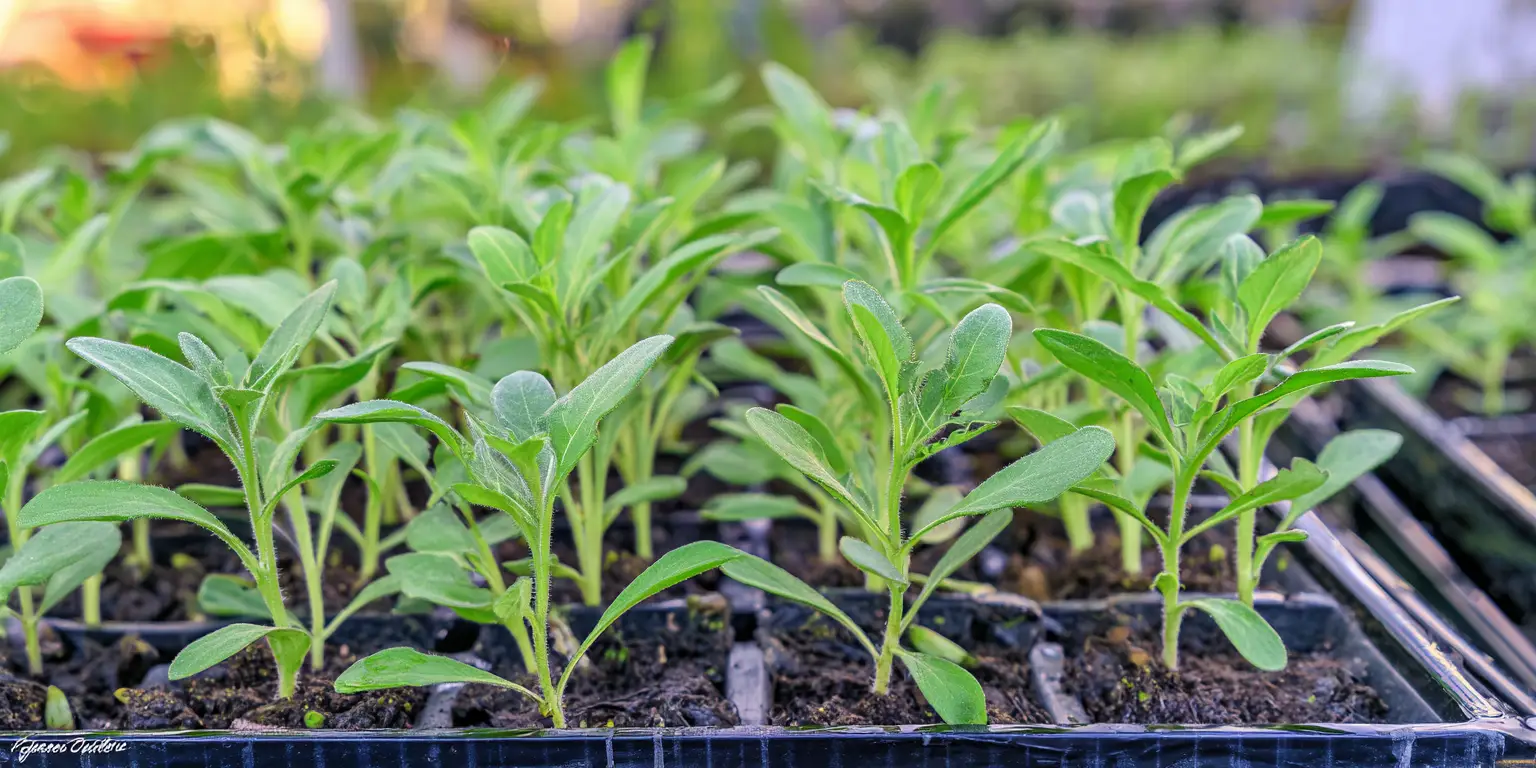
If starting indoors, sow in individual cells or small pots to avoid root disruption at planting time. A biodegradable pot that can be set directly in the ground reduces shock. Harden off for 7 to 10 days by moving trays outdoors to a bright sheltered spot for a few hours each day, increasing exposure gradually. Set transplants so the soil line in the bed matches the pot soil surface, then water in to settle soil around the roots. Do not bury stems deeper than the original level. Space as noted above by plant size. To minimize transplant stress, plant in the late afternoon or in light overcast, and provide temporary shade fabric in very bright sites for the first few days.
Cutting Garden Rows
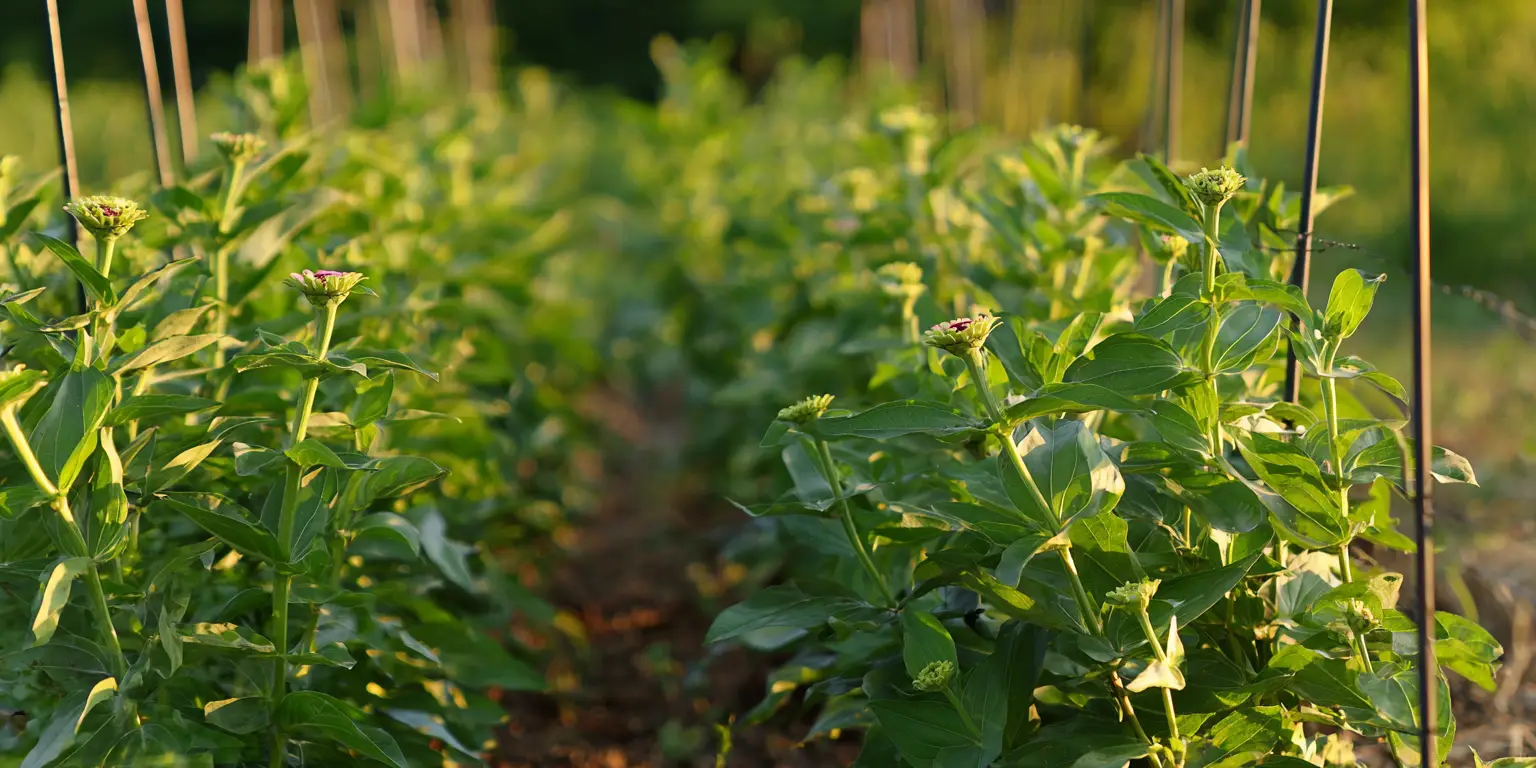
Gardeners who grow zinnia primarily for bouquets often plant in rows. Space rows 18 to 24 inches (45 to 60 cm) apart so you can work comfortably. Within rows, set plants 9 to 12 inches (23 to 30 cm) apart for medium selections and 12 to 18 inches (30 to 45 cm) for tall selections. A simple grid made from twine on short stakes keeps stems upright in windy locations. Good airflow in row plantings reduces the chance of leaf diseases and helps keep blooms clean for harvest.
Watering & Mulching
Water newly seeded or transplanted beds to keep the root zone evenly moist for the first three to four weeks while plants establish. After that period, allow the top inch of soil to dry before watering again. A deep soak once or twice per week is better than frequent light sprinkling. One inch of water per week from rain plus irrigation is a useful general target, adjusted for heat and soil type. Water early in the morning so foliage dries quickly. Overhead watering in the evening can encourage disease. In very hot spells above 95 °F (35 °C), provide an extra deep watering and watch containers daily since potting mixes dry more quickly than garden soil.
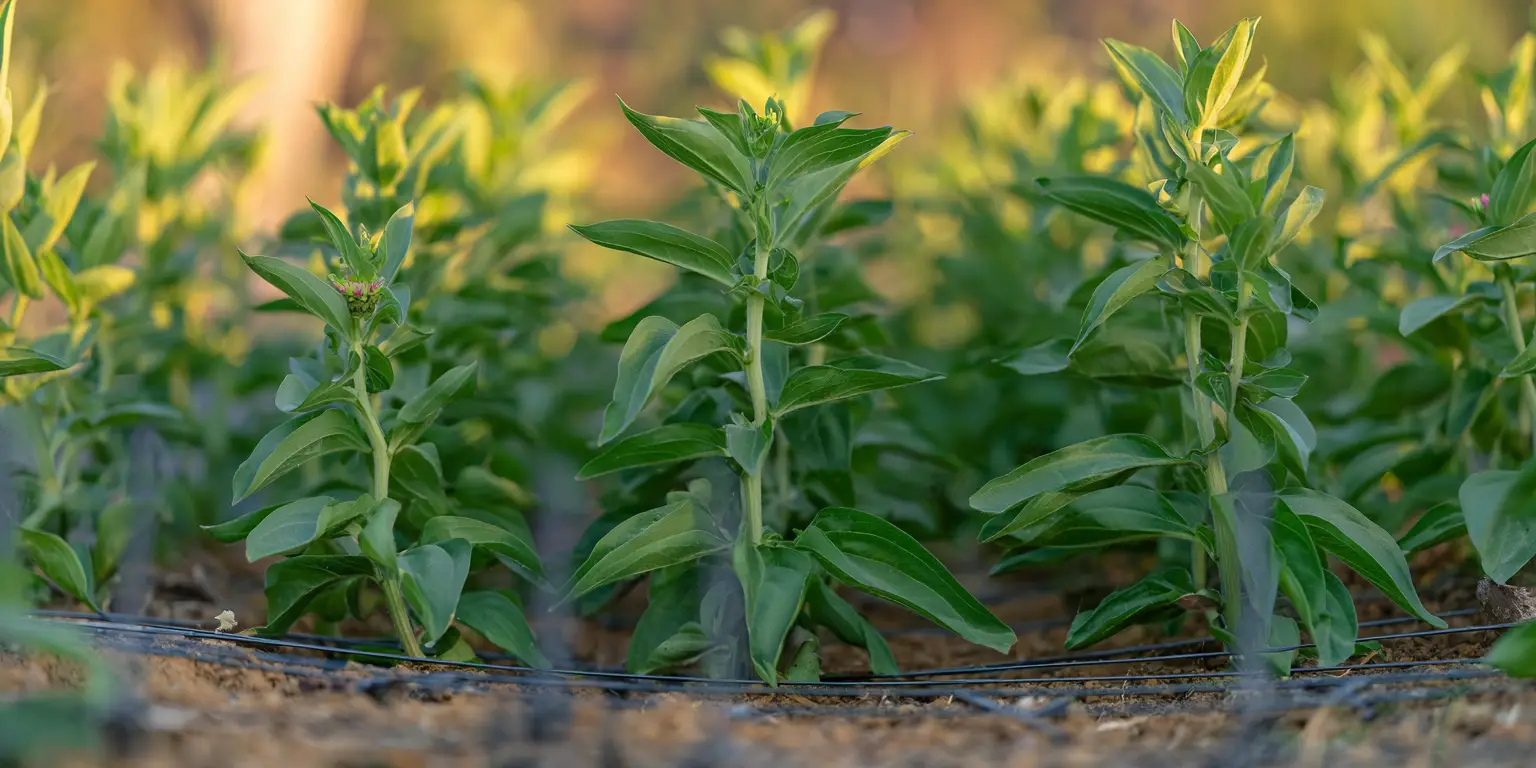
Mulch keeps roots cool and helps prevent soil from splashing onto lower leaves. Apply 1 to 2 inches (2.5 to 5 cm) of clean straw, shredded leaves, or fine bark once the soil has warmed and seedlings are a few inches tall. Pull mulch back a couple of inches from plant crowns to prevent stem rot. In humid climates, a lighter mulch layer combined with wider spacing often produces cleaner leaves late in the season. Soaker hoses or drip lines under the mulch deliver water right where it is needed and keep foliage dry, which is one of the simplest cultural tools for preventing powdery mildew and leaf spot.
Feeding
Zinnia is a moderate feeder. In a bed that has been amended with compost within the past year, many plantings perform well with little to no additional fertilizer. In lean soils or high output cutting beds, mix a slow release fertilizer into the top few inches at planting time following label rates for annual flowers. A balanced analysis in the neighborhood of 5 to 10 to 5 or 10 to 10 to 10 supports steady growth and bud formation. Excessive nitrogen pushes lush leaves at the expense of flowers and can make plants more susceptible to disease. If plants appear pale or growth is sluggish in midsummer, side dress with a light scatter of granular fertilizer or work in a band of compost, then water well.
Soil biology pointers
Aim to rebuild organic matter gradually with annual additions of finished compost, particularly in sandy or very heavy soils. In most home gardens, one application of compost in spring and another thin top up after the first flush of bloom are sufficient. Retest soil every two to three years to avoid guesswork. Where pH drifts out of the 6.0 to 7.5 range, nutrient uptake suffers even when fertilizer is present. Correct pH first, then reassess feeding. In containers, nutrients leach faster than in ground beds. Use a high quality potting mix that already contains a starter charge plus a slow release component, then supplement with a diluted liquid feed if leaves fade between harvests.
Pruning & Support
Pinching and deadheading
Zinnia branches freely when the first growing tip is removed. When plants are 8 to 12 inches (20 to 30 cm) tall, pinch out the central tip just above a leaf pair. This encourages multiple strong flowering stems. Remove spent blooms regularly to keep buds forming. For cut flowers, harvest when the flower is fully colored and the stem feels firm when gently shaken. Cutting for the vase doubles as deadheading and keeps plants tidy. Clean, sharp pruners reduce bruising and help limit disease spread. Wipe blades with 70 percent alcohol between beds or when moving from diseased to healthy plants.
Support and plant health
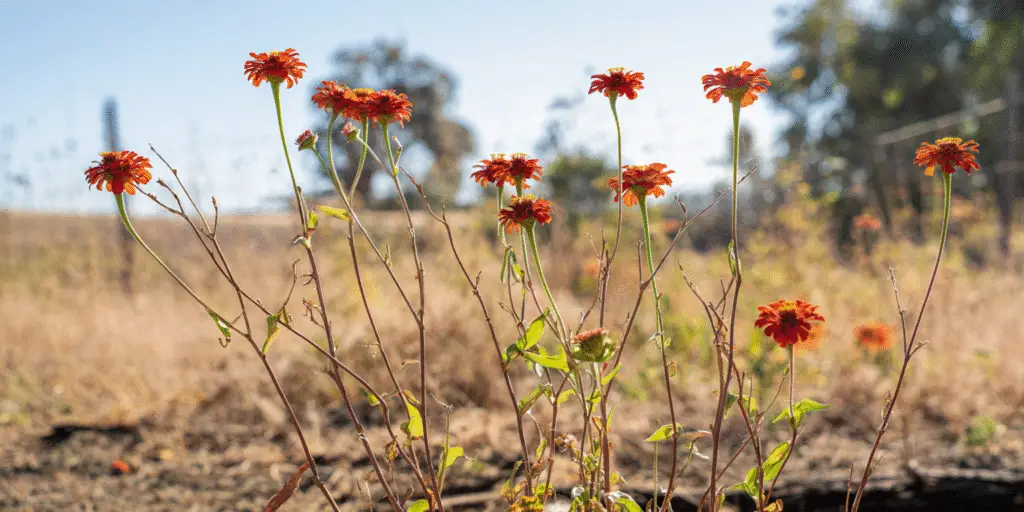
Tall selections benefit from discreet staking or a low twine grid, especially in windy or rainy regions. The key cultural defense against disease is airflow combined with dry leaves. Powdery mildew and leaf spots are common late season issues where summers are humid. Space generously, water at the base, and remove the lowest leaves once plants are established if they trap moisture against mulch. Aster yellows can occasionally distort new growth and cause flowers to be green and misshapen. This disease is carried by leafhoppers. There is no cure; remove affected plants promptly and control weeds that may host the pathogen. Keep plant debris out of the bed at season end to reduce carryover of pests and pathogens.
Overwintering
In most of the United States, zinnia does not overwinter outdoors. After the first frost blackens foliage, remove plants and compost only healthy debris. Where powdery mildew or aster yellows were present, bag and dispose of stems and leaves rather than composting. Rake and refresh mulch so the bed is clean and ready for spring preparation. If you want to save seed from open pollinated varieties, allow selected flowers to dry on the plant until the heads are brown and papery. Cut and dry indoors for another week, then separate the arrow shaped seeds and store in a labeled envelope in a cool, dry place.
In frost free areas, zinnia can persist through a mild winter, but flowering quality usually declines. A fresh sowing in late winter or early spring gives better results than trying to carry tired plants forward. For container plantings in cold climates, there is no advantage to moving zinna indoors for winter because it requires strong sun and warm conditions to flower. Treat containers as seasonal color, empty them after frost, and refresh potting mix as needed before the next season.
Growing Environments
Zinnia is very adaptable to containers if you match pot size to plant size and provide regular water. A single medium plant thrives in a container 12 inches (30 cm) wide and deep, which holds roughly 3 gallons. Tall cultivars with large blooms are happier in 14 to 16 inch (35 to 40 cm) pots that hold 5 gallons or more. Use a high quality peat or bark based potting mix with added perlite for drainage. Ensure containers have several drain holes and lift pots slightly off decks or patios so water exits freely. In heat, container soil dries quickly, so check moisture daily. Feed lightly through the season because nutrients leach with frequent watering.
For best color, place containers and in ground beds where they receive full sun. Light afternoon shade is acceptable in very hot inland areas, although too much shade causes stretching and fewer blooms. Protect young plants from strong wind behind a fence or hedge to prevent lodging before stems thicken. Near reflective hardscapes or south facing walls, monitor soil moisture closely since reflected heat speeds drying. Zinnia is not well suited to indoor growing. Even a bright window rarely provides the day length and intensity needed for strong flowering. A sunny balcony or patio is a better choice for container displays.
Companion Planting & Design
Zinnia combines well with many summer annuals and perennials while serving pollinators. For a cheerful warm palette, pair orange or gold zinnias with sunflower and cosmos in a cutting border. For cooler notes, weave white and lilac selections through salvias and ornamental grasses. To hide late season dieback at the base, place a low edging of sweet alyssum or dwarf marigold along the front of the bed. Stagger heights in gentle layers so each plant receives sun and airflow. Zinnia’s long stems and firm petals make it one of the easiest cut flowers for beginners. Harvest in the morning, remove leaves that would sit in water, and place stems in clean vases to extend life.
If your garden focuses on color themes, zinnia fits many hubs on your site. Lemon and golden cultivars belong with yellow flowers. Bubblegum, coral, and fuchsia selections connect to pink flowers. Crisp forms like ‘Polar Bear’ sit nicely with white flowers. Violet and magenta varieties echo ideas you cover in purple flowers. For readers planning events, zinnia is a durable budget friendly filler noted in many guides, so it deserves a mention in a wedding flowers guide. For gardeners exploring broad categories, zinnia is a teaching plant in types of flowers because it illustrates direct seeding, pinching, deadheading, and seasonal sowing. Place plants at the front or mid border so blooms are easy to cut, leave plenty of path space for airflow, and repeat two or three colors to organize the display. With consistent zinnia care from spring through fall, the border will deliver color until the first frost.
References
NC State Extension Gardener Plant Toolbox. “Zinnia elegans.”
ASPCA Animal Poison Control Center. “Zinnia.”
Written by: Your Flowers Guide editorial team
We are a small independent group of flower lovers who research and review each guide using trusted horticultural and educational sources. Learn more about us