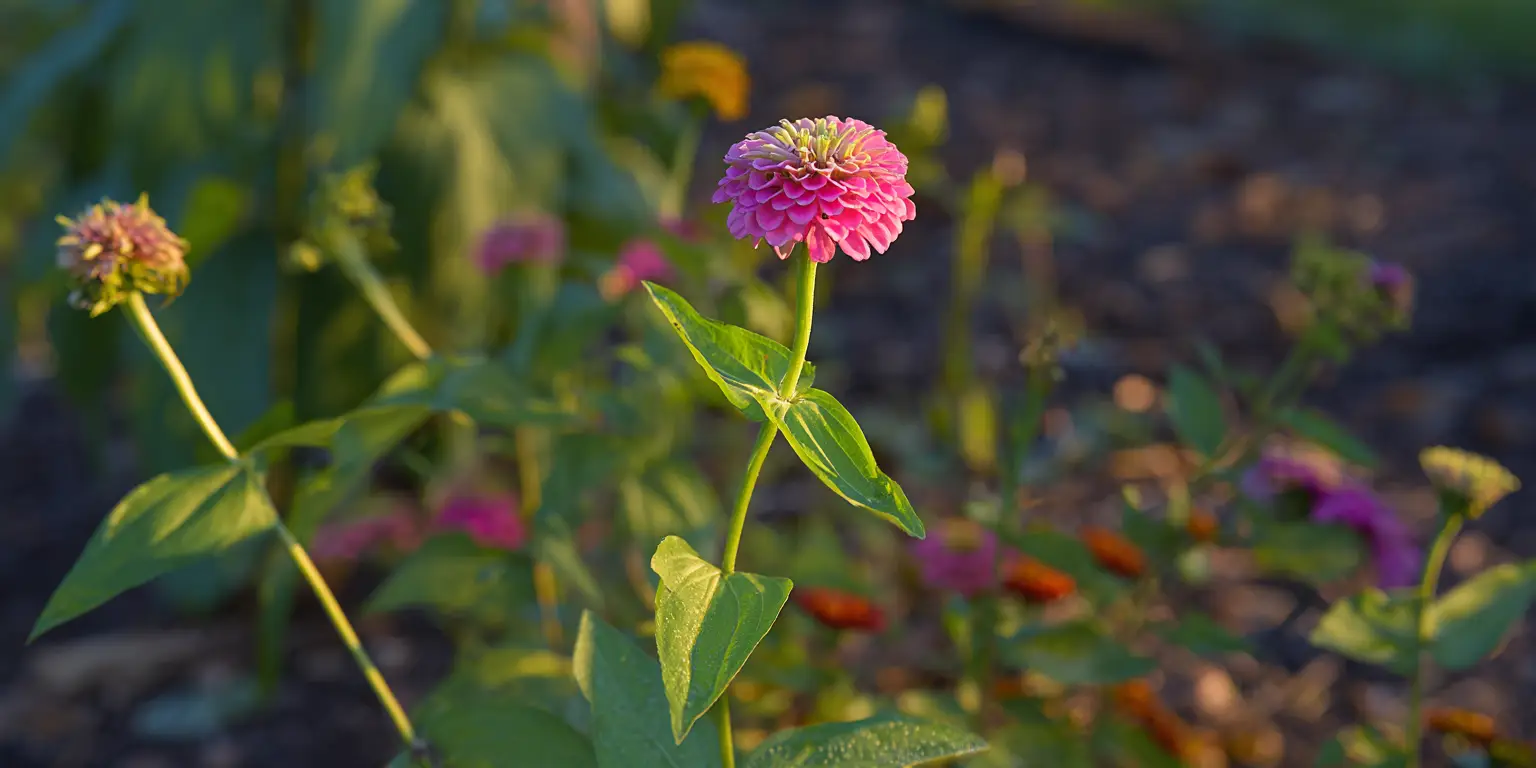
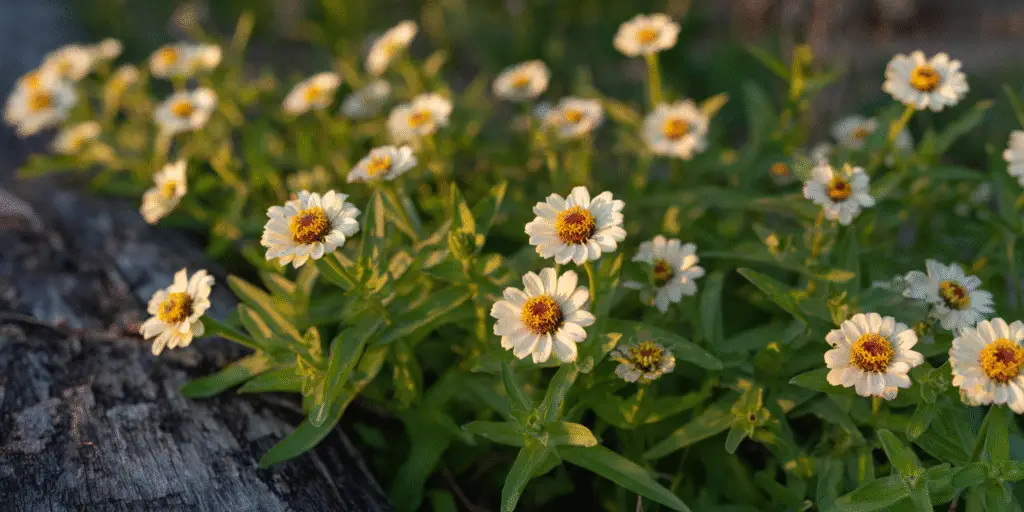
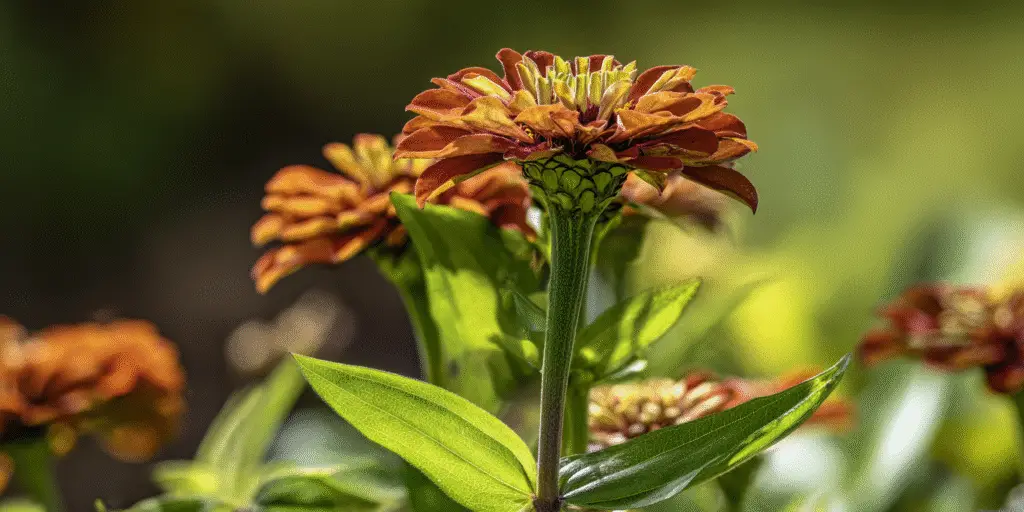
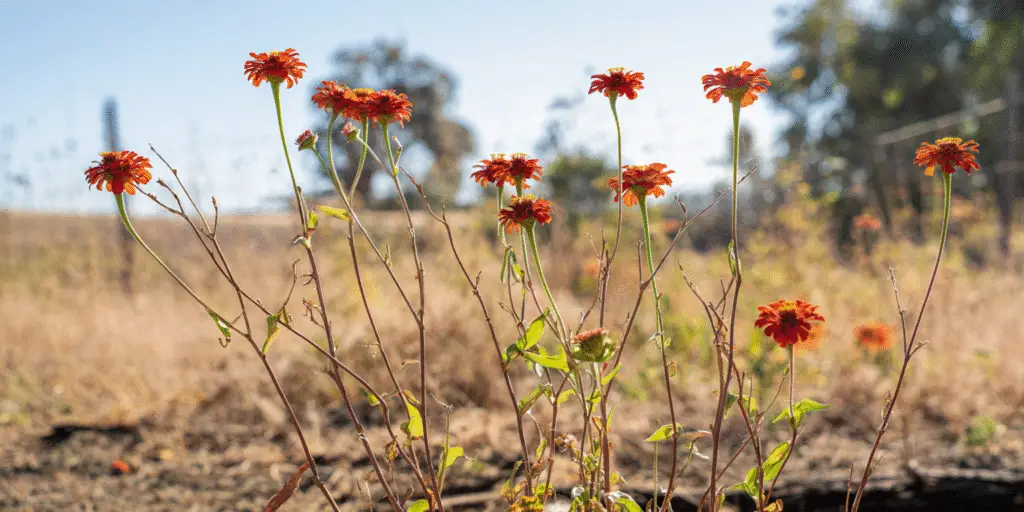
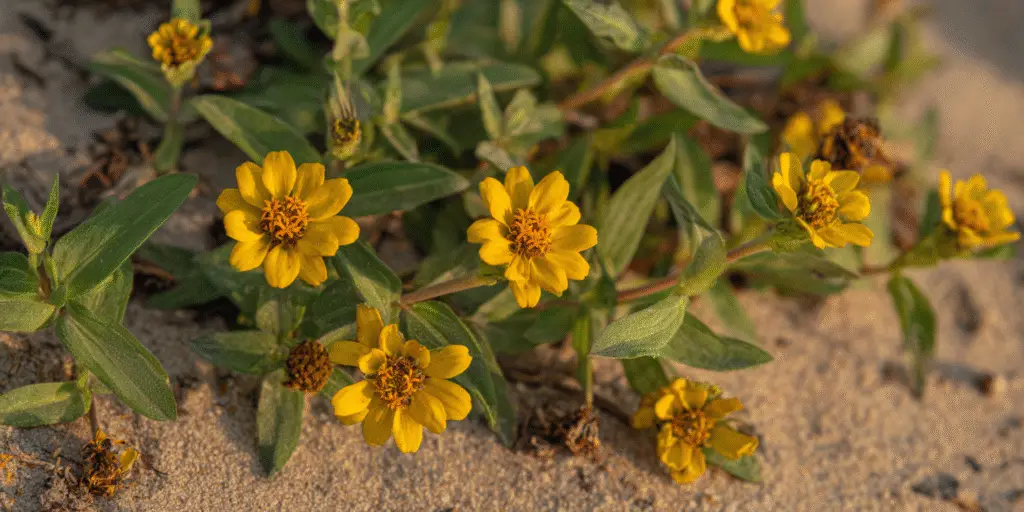
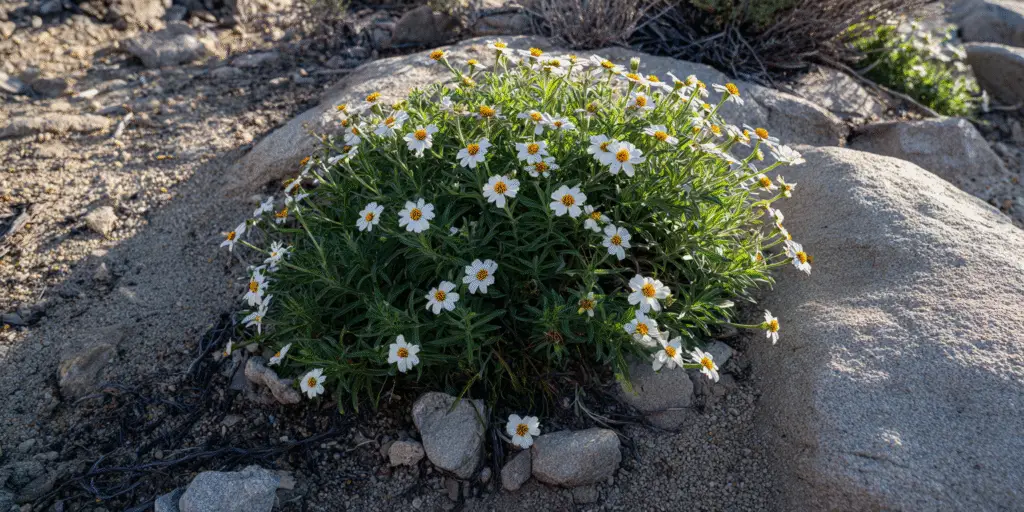
This species is the common garden zinnia grown as a warm‑season annual across North America. It stands out for large flowers in many colors and forms. Plants thrive in full sun with regular moisture and good air movement. They bloom from summer to frost. Performance is strongest where nights are warm and foliage stays dry. It suits cutting gardens and mixed borders. It is native to Mexico.
At‑a‑glance
Group/Class: annual species
Height × spread: 12 to 48 in (30 to 120 cm) × 9 to 12 in (23 to 30 cm)
Bloom window: June to frost
Color & flower form: wide range; single, semi‑double, double
Fragrance: 0 none
USDA hardiness: grown as annual in all zones
Breeder / Year / Origin: unknown
Cut‑flower notes: upright stems; typical vase life about 7 to 10 days
Pet safety: safe
How it differs
Taller and showier than most other species in the genus
Many fully double forms uncommon in perennial species
More prone to powdery mildew in humid summers
Strong stems for cutting compared with lower, mounding species
Strengths
Long summer to frost bloom with deadheading
Easy from direct seed
Excellent cut flower potential
Wide color and form choices
Care in one minute
Site in full sun with open airflow.
Soil: well‑drained, moderately fertile; neutral to slightly acidic.
Water consistently at the base; avoid wet foliage.
Feed lightly at planting; overfeeding reduces stem strength.
Pinch once at 8 to 10 in to branch; deadhead to extend bloom.
Frost kills plants; re‑sow each spring after last frost.
Watch‑outs
Powdery mildew and leaf spots without spacing and airflow
Can slow or stall in extreme heat with high humidity
Japanese beetles may feed on foliage and blooms
Best uses (tags)
cutting, borders, containers, pollinators
Provenance note
Native to Mexico; the genus honors Johann Gottfried Zinn.
Written by: Your Flowers Guide editorial team We are a small independent group of flower lovers who research and review each guide using trusted horticultural and educational sources. Learn more about us