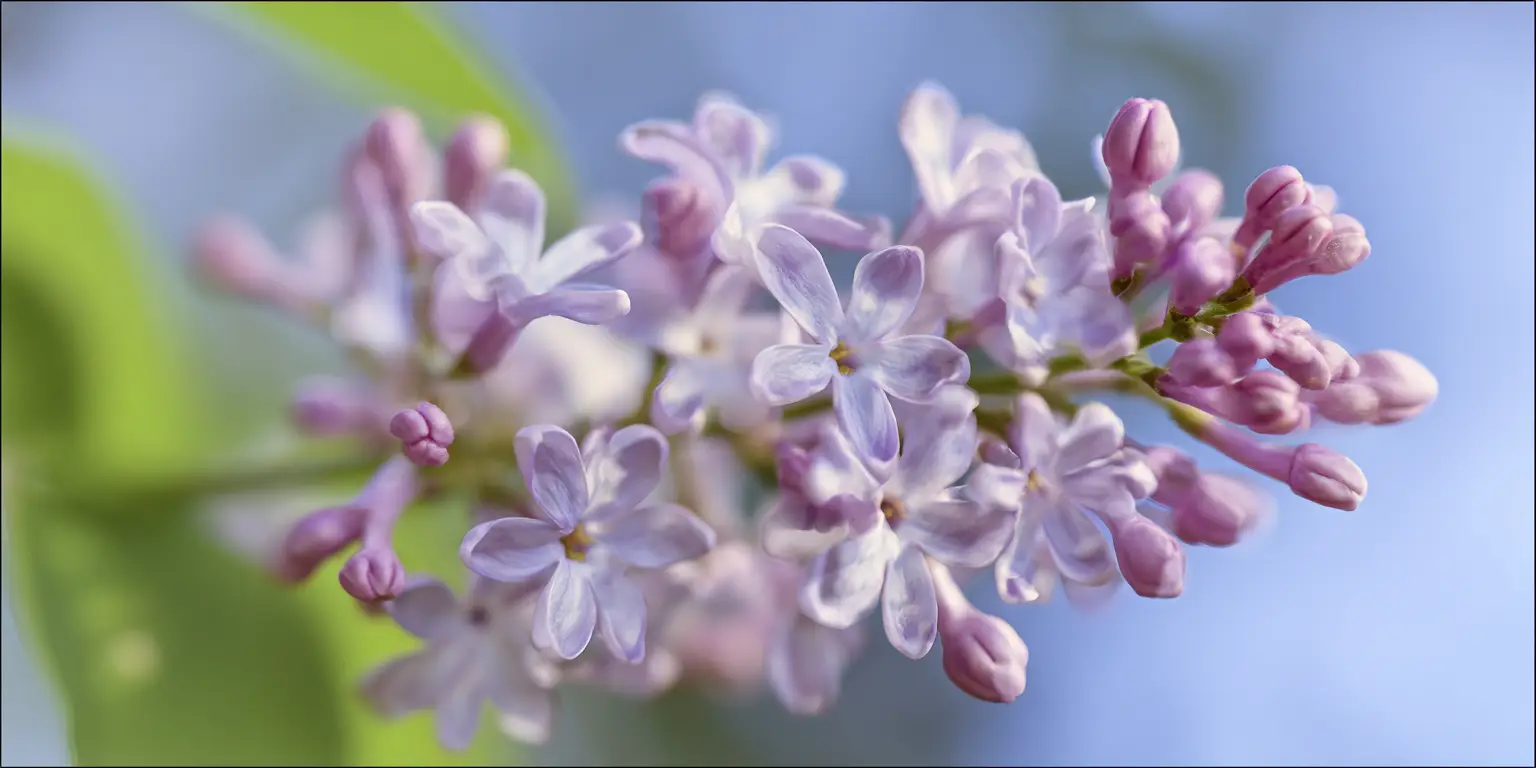
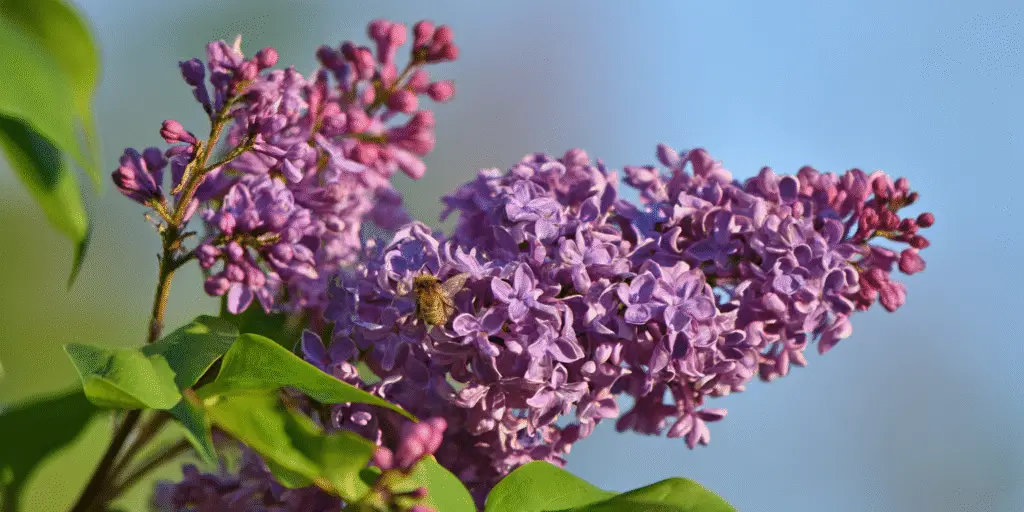
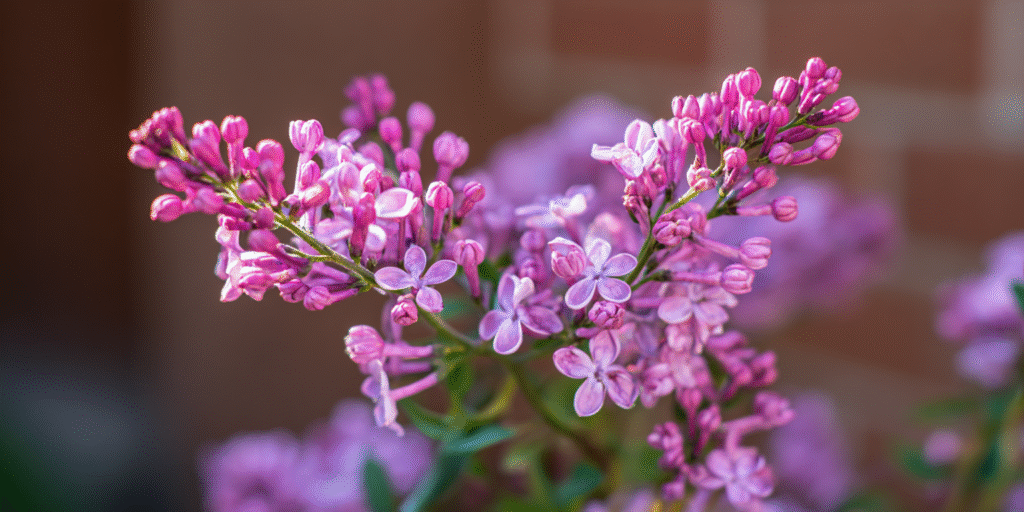
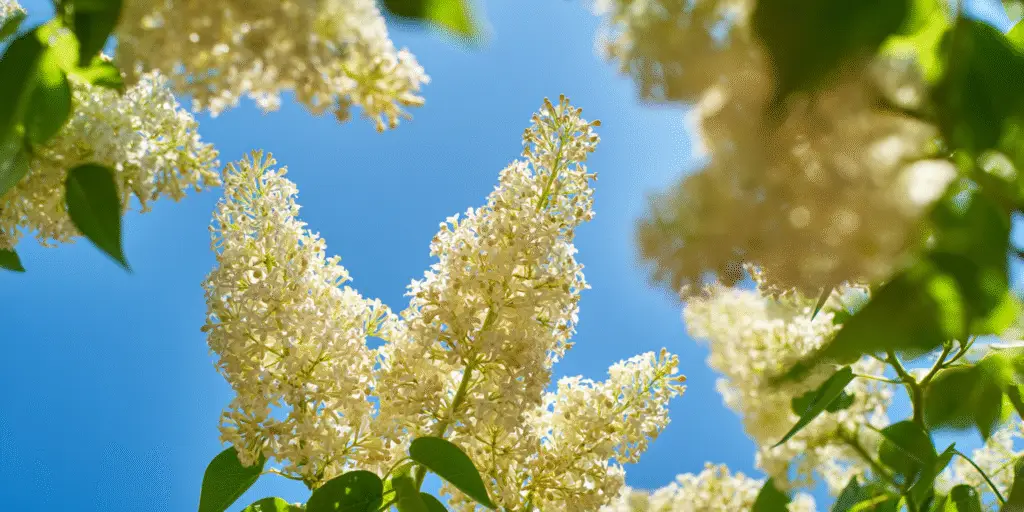
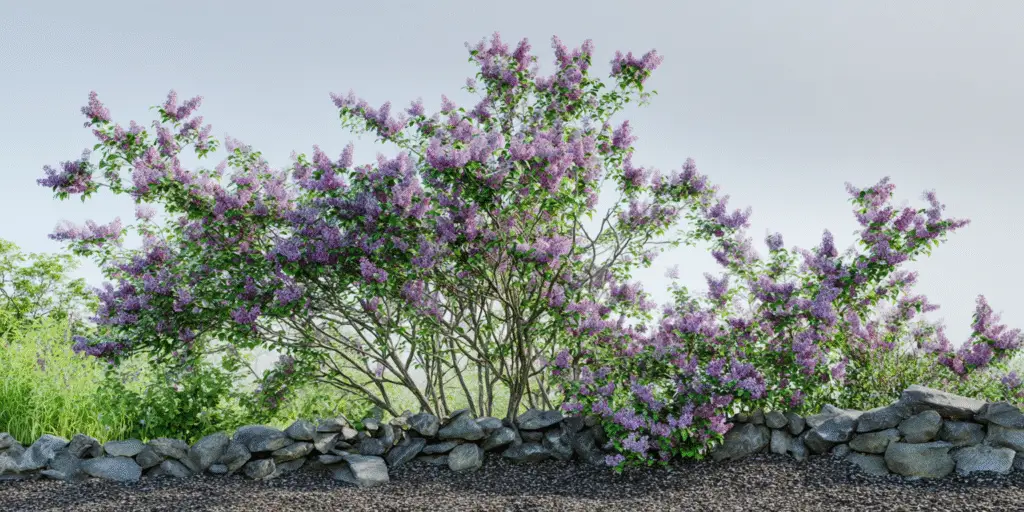
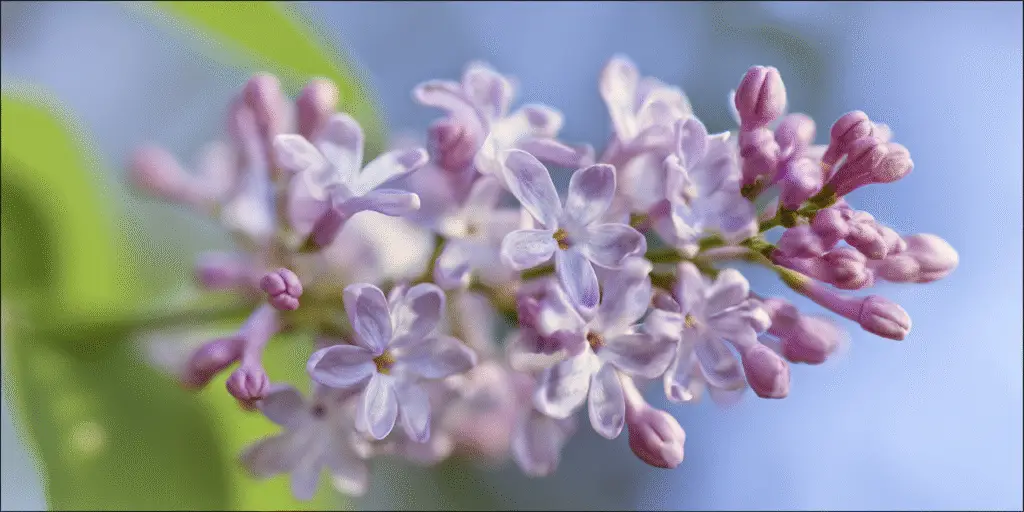
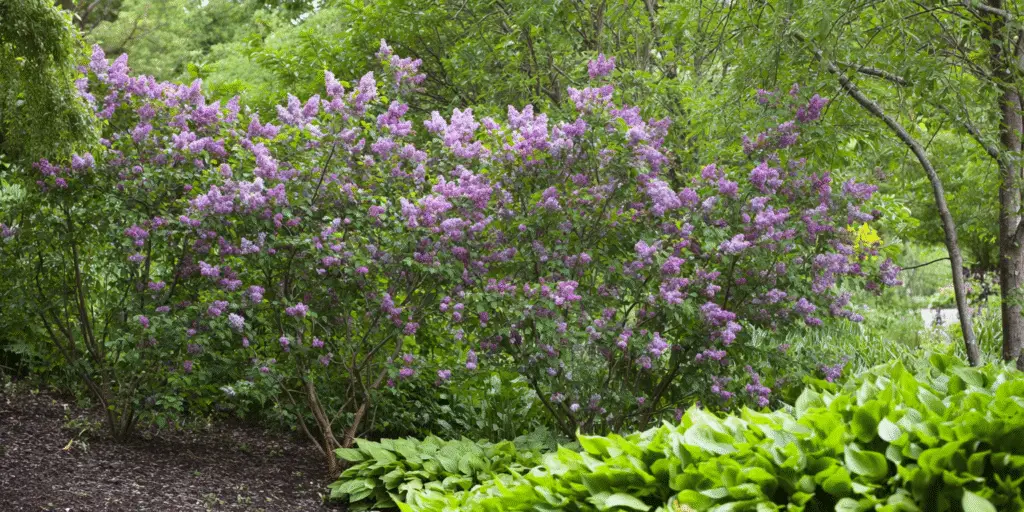
Early lilac is an arching shrub that flowers before common lilac. Dense, very fragrant panicles open from pinkish‑lilac buds in early spring. Leaves are rounded and can develop purple‑red fall color. Plants favor full sun with moving air. This species is best where early bloom and some fall color are valued.
At‑a‑glance
Group/Class: Early lilac (species)
Height × spread: 8–12 ft × 8–12 ft (2.4–3.7 m × 2.4–3.7 m)
Bloom window: early to mid spring
Color & flower form: pinkish‑lilac; dense panicles 2–5 in (5–13 cm)
Fragrance: 3 strong
USDA hardiness: zones 3–6
Origin: China and Korea
Pet safety: generally considered non‑toxic to dogs and cats
How it differs
Blooms about 10 days earlier than common lilac.
Rounded leaves and better fall color than most lilacs.
Panicles are shorter and broader than those of common lilac.
Flower buds are more exposed to late frost due to early timing.
Strengths
Earliest lilac color of the season in cold regions.
Fragrant display on a manageable shrub.
Tolerates urban conditions with proper care.
Care in one minute
Plant in full sun with good air circulation.
Use fertile, well‑drained soil; avoid frost pockets.
Water during establishment; then as needed in dry spells.
Deadhead after bloom; prune immediately after flowering.
Renew oldest stems at the base on a 3‑ to 4‑year cycle.
Watch‑outs
Flower buds can be damaged by late spring frost.
Powdery mildew may mark leaves in late summer.
Upper heat limit around Zone 6; struggles in warm, humid climates.
Best uses (tags)
early season, borders, hedges, foundations, cutting
Provenance note
Native to China and Korea. Among lilacs, it is noted for having appreciable fall color.