returns in
243
days
Bloom calendar
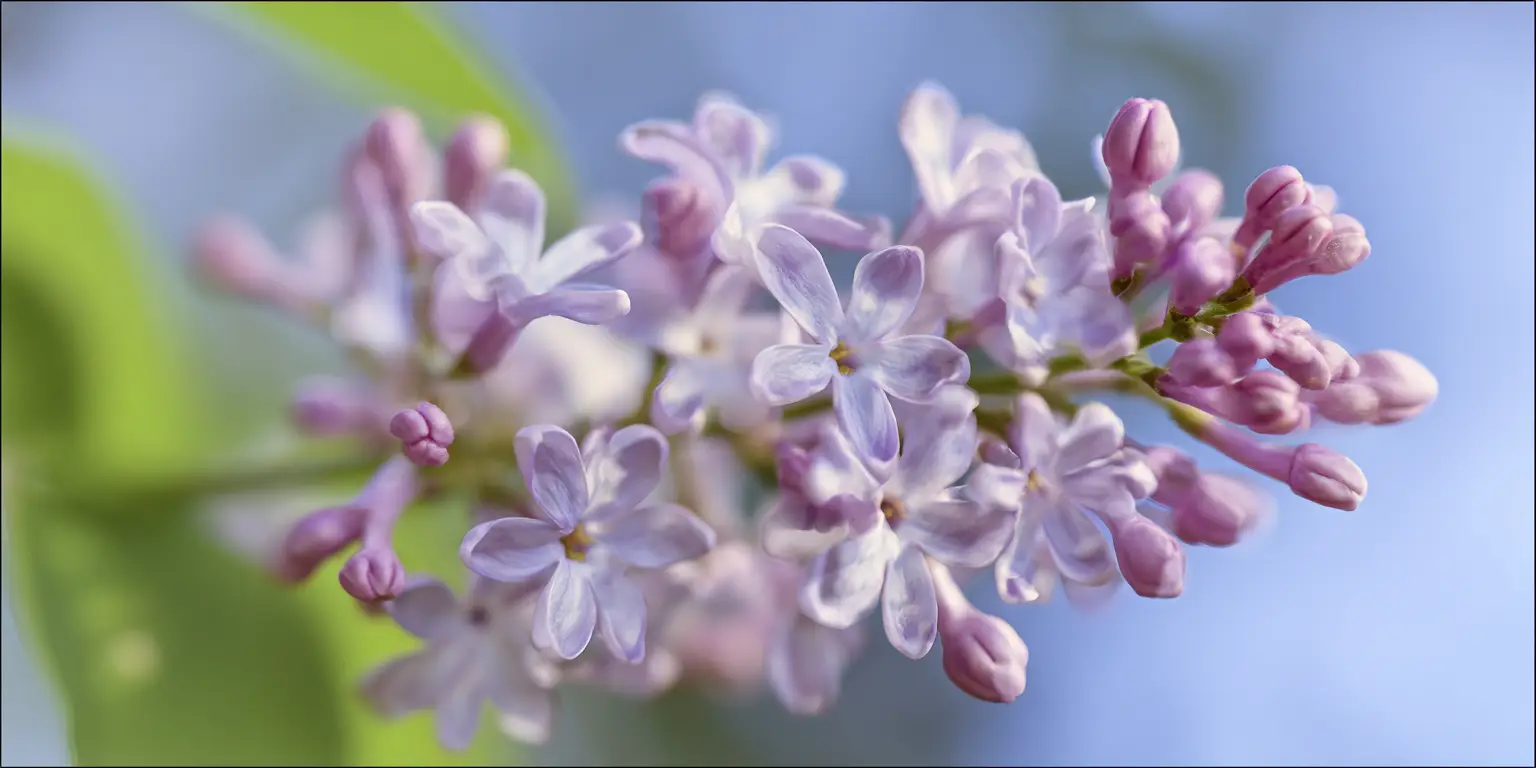
Syringa oblata
Early lilac (species)
At‑a‑glance
- Group/Class: Early lilac (species)
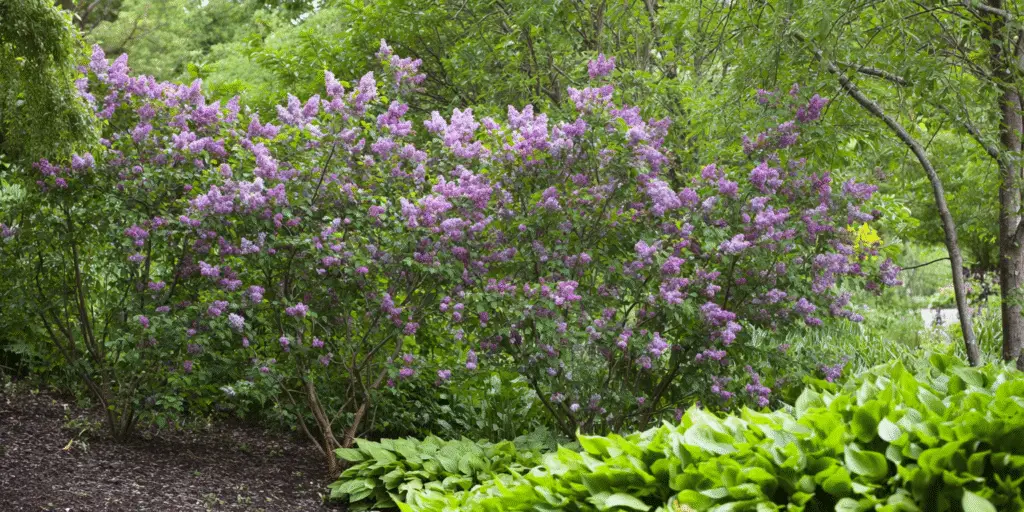
- Height × spread: 8–12 ft × 8–12 ft (2.4–3.7 m × 2.4–3.7 m)
- Bloom window: early to mid spring
- Color & flower form: pinkish‑lilac; dense panicles 2–5 in (5–13 cm)
- Fragrance: 3 strong
- USDA hardiness: zones 3–6
- Origin: China and Korea
- Pet safety: generally considered non‑toxic to dogs and cats
How it differs
- Blooms about 10 days earlier than common lilac.
- Rounded leaves and better fall color than most lilacs.
- Panicles are shorter and broader than those of common lilac.
- Flower buds are more exposed to late frost due to early timing.
Strengths
- Earliest lilac color of the season in cold regions.
- Fragrant display on a manageable shrub.
- Tolerates urban conditions with proper care.
Care in one minute
Plant in full sun with good air circulation.
Use fertile, well‑drained soil; avoid frost pockets.
Water during establishment; then as needed in dry spells.
Deadhead after bloom; prune immediately after flowering.
Renew oldest stems at the base on a 3‑ to 4‑year cycle.
Watch‑outs
- Flower buds can be damaged by late spring frost.
- Powdery mildew may mark leaves in late summer.
- Upper heat limit around Zone 6; struggles in warm, humid climates.
Best uses (tags)
Provenance note
Native to China and Korea. Among lilacs, it is noted for having appreciable fall color.
References
- Missouri Botanical Garden – Syringa oblata (Plant Finder)
- Chicago Botanic Garden – Early Lilac profile
- NC State Extension – Syringa oblata
Similar Flowers



Enjoying our flower guides? Add YourFlowersGuide as a preferred source on Google. It helps more readers find us.
Add to Preferred Sources