returns in
243
days
Bloom calendar
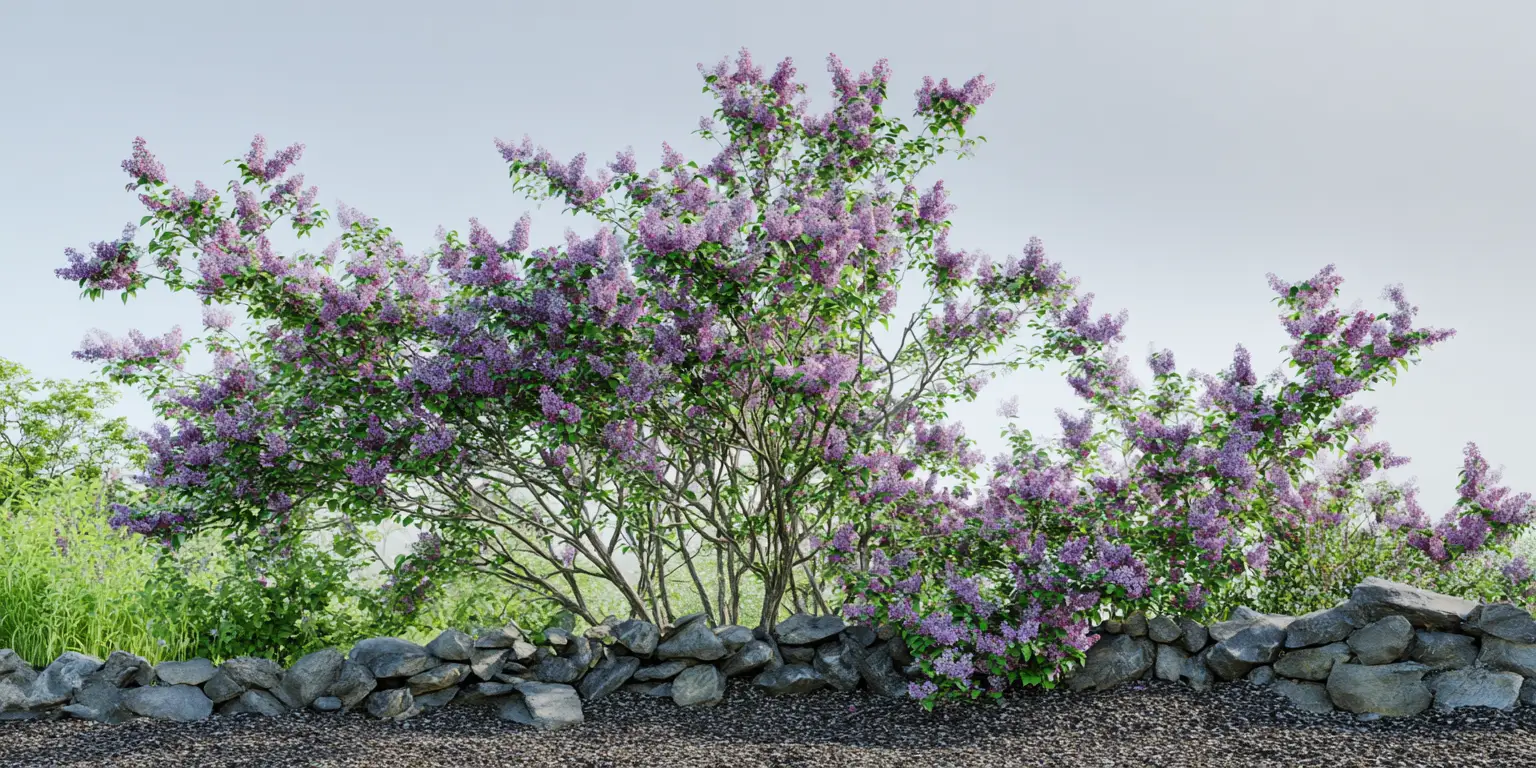
Syringa patula
Manchurian lilac (species)
At‑a‑glance
- Group/Class: Manchurian lilac (species)
- Height × spread: 5–9 ft × 5–7 ft (1.5–2.7 m × 1.5–2.1 m)
- Bloom window: late spring
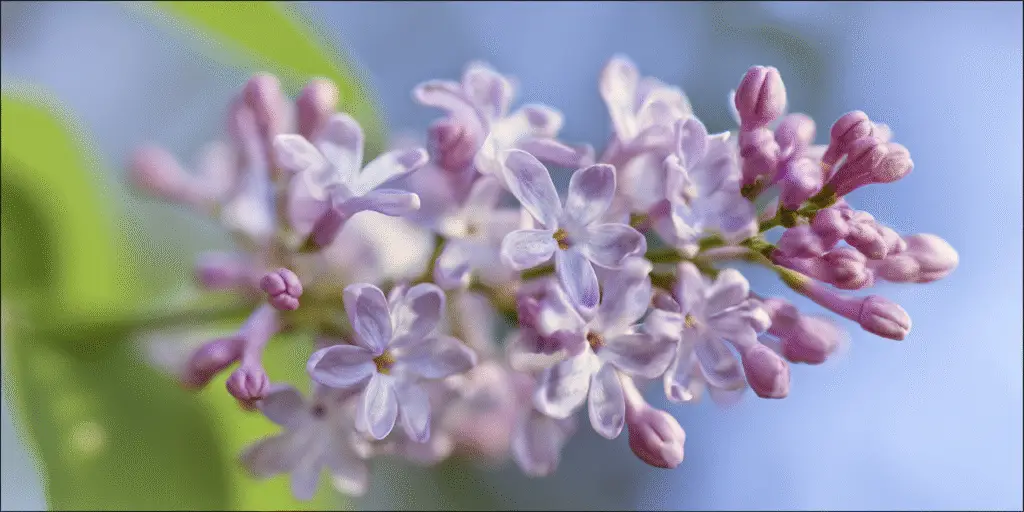
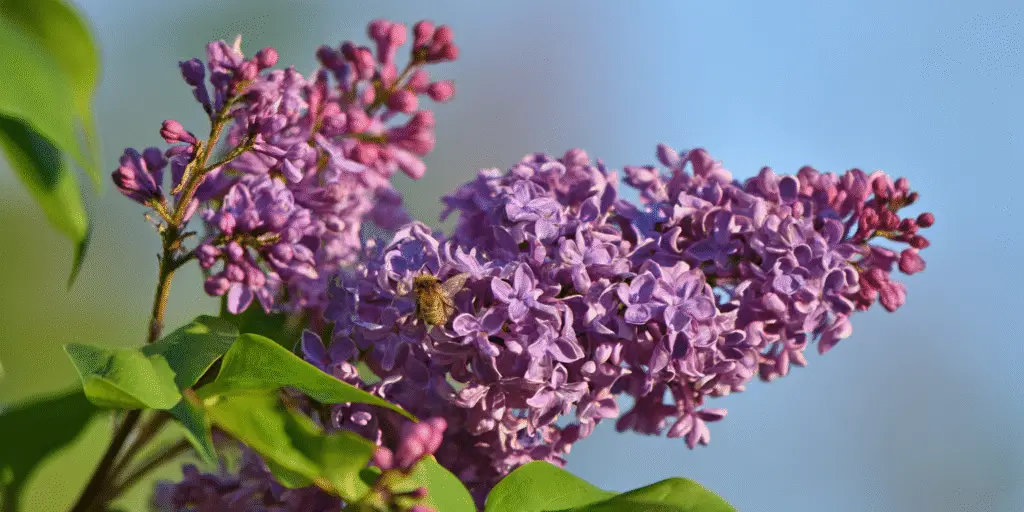
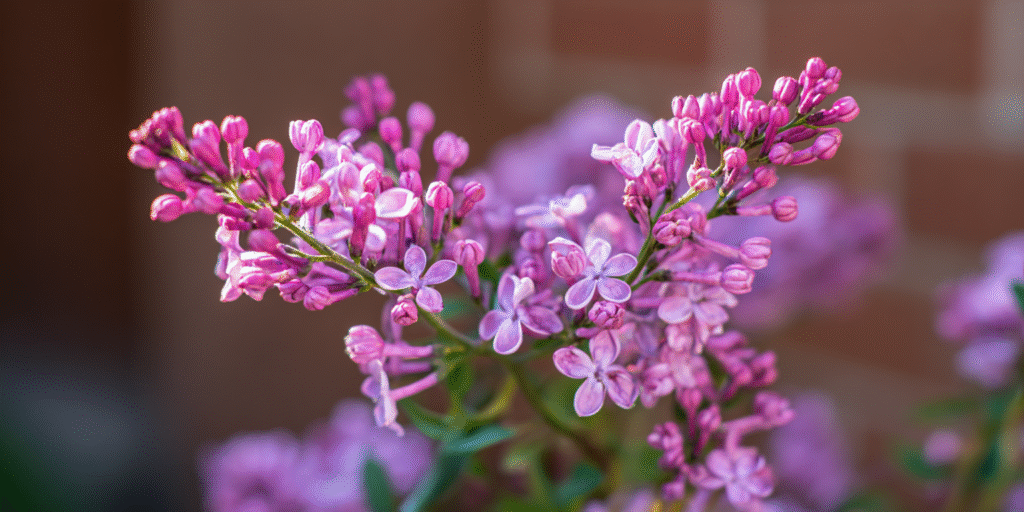
- Color & flower form: lilac‑purple clusters that fade to pink
- Fragrance: 2 noticeable
- USDA hardiness: zones 3–7
- Origin: Northeast China and Korea
- Pet safety: generally considered non‑toxic to dogs and cats
How it differs
- Shorter and narrower than common lilac.
- Blooms in late spring, often after common lilac.
- Foliage can show purple‑red fall color.
- Less prone to powdery mildew than many lilacs.
Strengths
- Cold hardy and reliable in northern climates.
- Good disease tolerance with proper air circulation.
- Compact size suits small landscapes and hedges.
- Fragrant blooms for late spring arrangements.
Care in one minute
Provide full sun and open air movement.
Plant in moist, well‑drained soil; tolerates neutral to alkaline pH.
Irrigate during dry spells the first season; avoid overwatering.
Limit fertilizer; overfeeding reduces flowers.
Deadhead after bloom; shape lightly right after flowering.
Watch‑outs
- Typical lilac pests and diseases can still occur in wet, stagnant air.
- Best bloom needs full sun.
- Prune only right after flowering to avoid losing next year’s buds.
Best uses (tags)
Provenance note
Native to Northeast China and Korea. The widely grown selection ‘Miss Kim’ was chosen from Korean seed in 1954.
References
- Morton Arboretum – Manchurian lilac
- University of Illinois Extension – Manchurian Lilac
- Oregon State – Syringa patula ‘Miss Kim’ (background on species origin)
Similar Flowers
Enjoying our flower guides? Add YourFlowersGuide as a preferred source on Google. It helps more readers find us.
Add to Preferred Sources