returns in
243
days
Bloom calendar
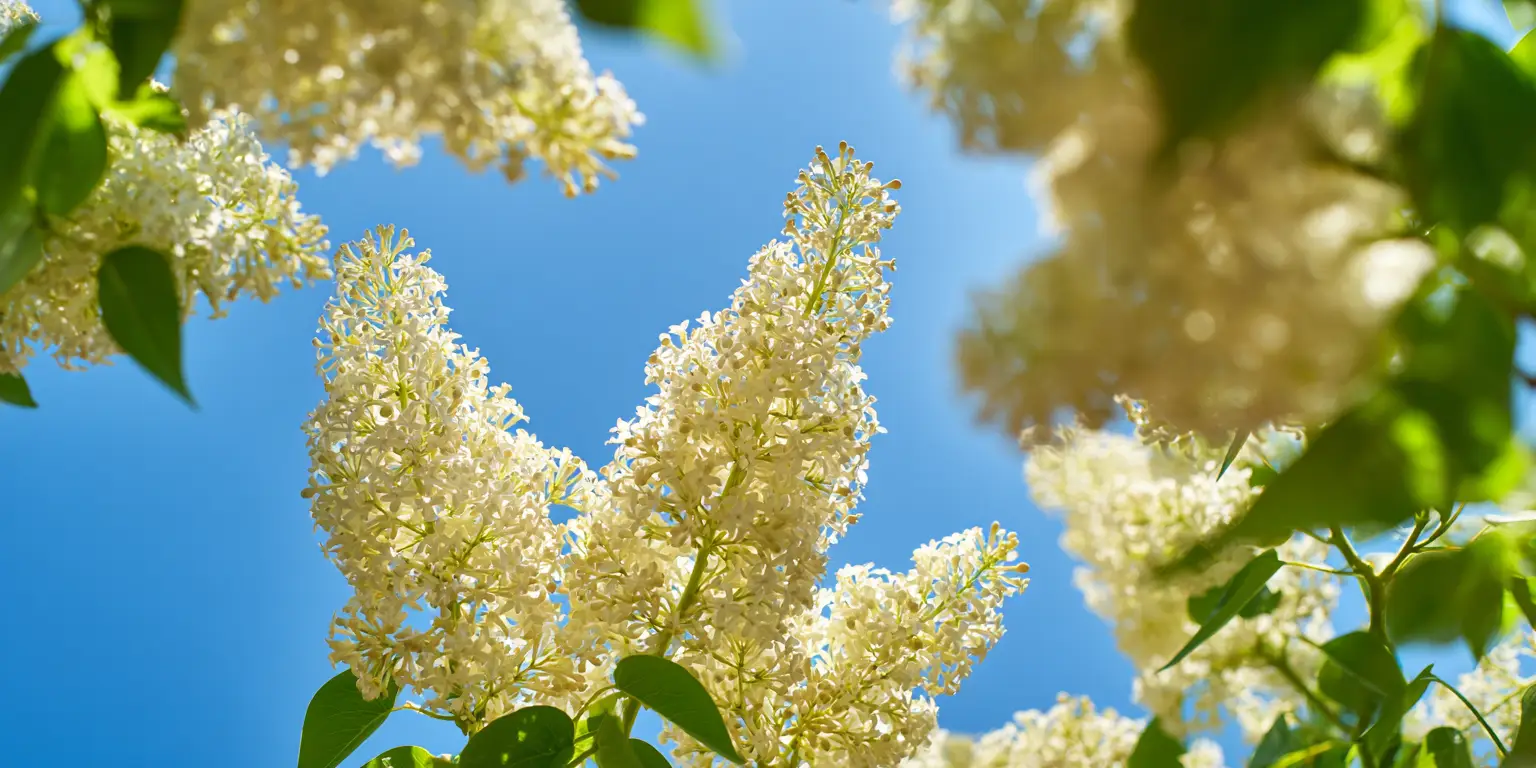
Syringa reticulata
Tree lilac
At‑a‑glance
- Group/Class: Tree lilac
- Height × spread: 20–30 ft × 15–20 ft (6.1–9.1 m × 4.6–6.1 m)
- Bloom window: late spring to early summer
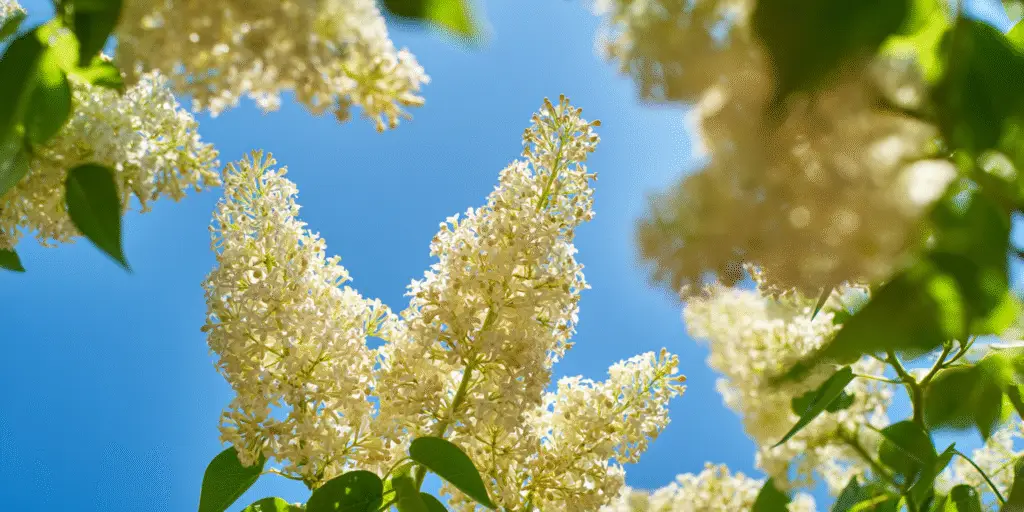
- Color & flower form: creamy white; upright panicles 6–12 in (15–30 cm)
- Fragrance: 2 noticeable
- USDA hardiness: zones 3–7
- Origin: Japan
- Pet safety: generally considered non‑toxic to dogs and cats
How it differs
- Tree form instead of a multi‑stem shrub.
- Blooms later than common lilac by several weeks.
- Flowers are creamy white, not lilac‑purple.
- Privet‑like scent rather than the classic sweet lilac aroma.
- Tolerates urban sites and road salt better than most lilacs.
Strengths
- Good resistance to powdery mildew and borers.
- Handles alkaline and clay soils once established.
- Useful under utility lines due to controlled height.
- Attractive bark with horizontal lenticels.
Care in one minute
Plant in full sun for best flowering.
Provide moist, well‑drained soil; tolerates a range once established.
Water regularly the first two years; then as needed.
Minimal feeding; mulch to conserve moisture and moderate soil temperature.
Prune lightly after bloom to shape; avoid heavy summer pruning.
Watch‑outs
- Flower display lasts about two weeks.
- Not the classic lilac fragrance.
- Bacterial blight and leaf spots are possible in wet springs.
Best uses (tags)
Provenance note
Native to Japan and widely used in northern cities as a compact flowering street tree. Selections such as ‘Ivory Silk’ emphasize early and profuse bloom.
References
- University of Minnesota – Japanese Tree Lilac
- NC State Extension – Syringa reticulata
- UF/IFAS – Syringa reticulata fact sheet (PDF)
Similar Flowers
Enjoying our flower guides? Add YourFlowersGuide as a preferred source on Google. It helps more readers find us.
Add to Preferred Sources