returns in
243
days
Bloom calendar
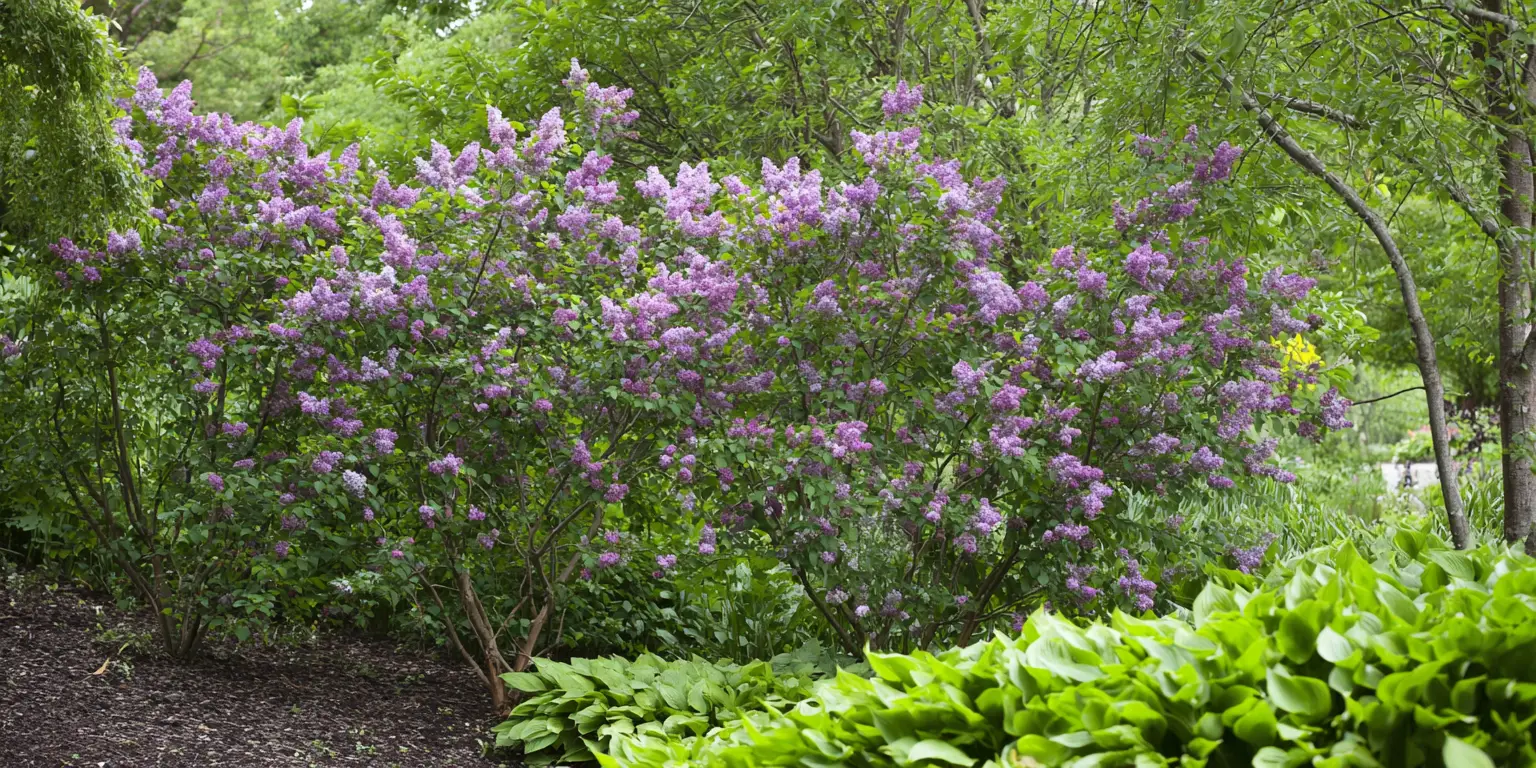
Syringa josikaea
Hungarian lilac (species)
At‑a‑glance
- Group/Class: Hungarian lilac (species)
- Height × spread: 5–10 ft × 8–12 ft (2.0–3.0 m × 2.4–3.7 m)
- Bloom window: late spring to early summer
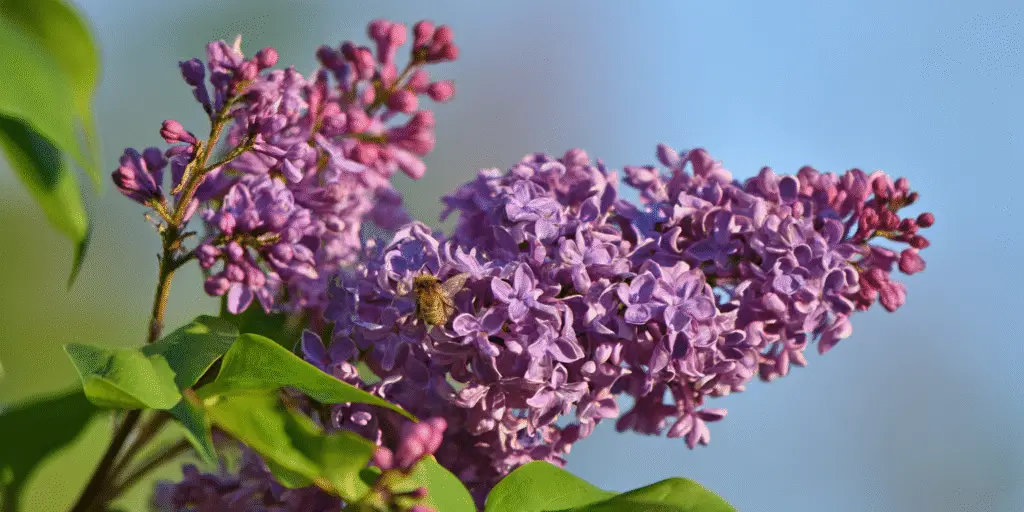
- Color & flower form: lilac‑violet; loose panicles 4–7 in (10–18 cm)
- Fragrance: 1 trace
- USDA hardiness: zones 5–7
- Origin: Central Europe (Hungary, Romania, Ukraine)
- Pet safety: generally considered non‑toxic to dogs and cats
How it differs
- Blooms later than common lilac.
- Tolerates evenly moist sites better than many lilacs.
- Leaves are thicker and more leathery than common lilac.
- Less susceptible to bacterial blight than common lilac.
Strengths
- Useful for informal hedges and screens.
- Later bloom extends lilac season.
- Handles damp, well‑drained soils.
Care in one minute
Grow in full sun; light shade reduces bloom.
Plant in evenly moist, well‑drained soil; avoid water‑logging.
Irrigate during establishment; mulch to conserve moisture.
Prune and deadhead right after flowering.
Renew oldest stems at the base on a 3‑ to 4‑year rotation.
Watch‑outs
- Hardy mainly in zones 5 to 7; not for the coldest northern sites.
- Powdery mildew and witches’ broom can occur.
- Best bloom in full sun; avoid deep shade.
Best uses (tags)
Provenance note
Native to Central Europe along rivers and wet valleys. Named in honor of Baroness Rosalia von Josika, who promoted it as a distinct species.
References
- Missouri Botanical Garden – Syringa josikaea (Plant Finder)
- Oregon State – Syringa josikaea
Similar Flowers
Enjoying our flower guides? Add YourFlowersGuide as a preferred source on Google. It helps more readers find us.
Add to Preferred Sources