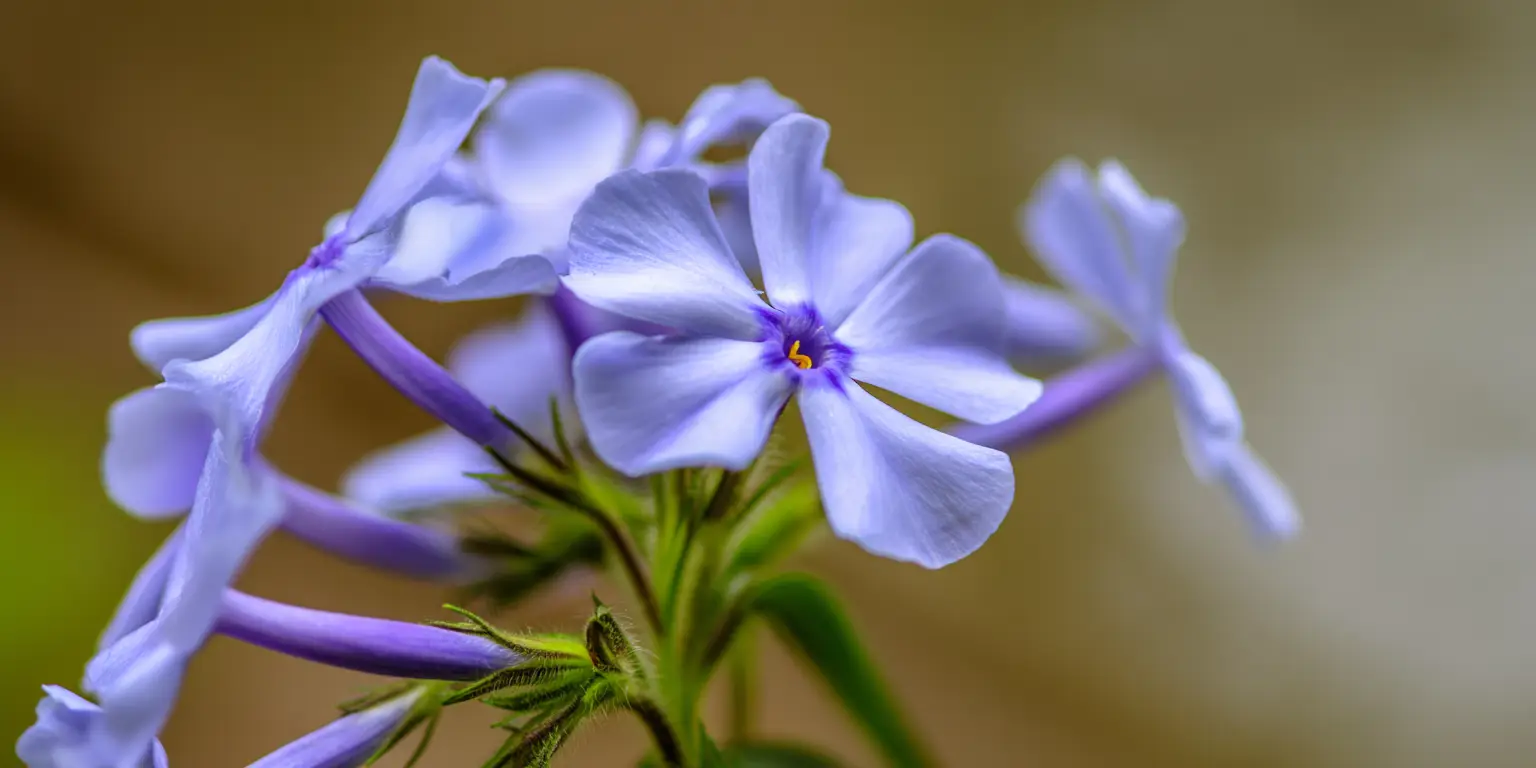
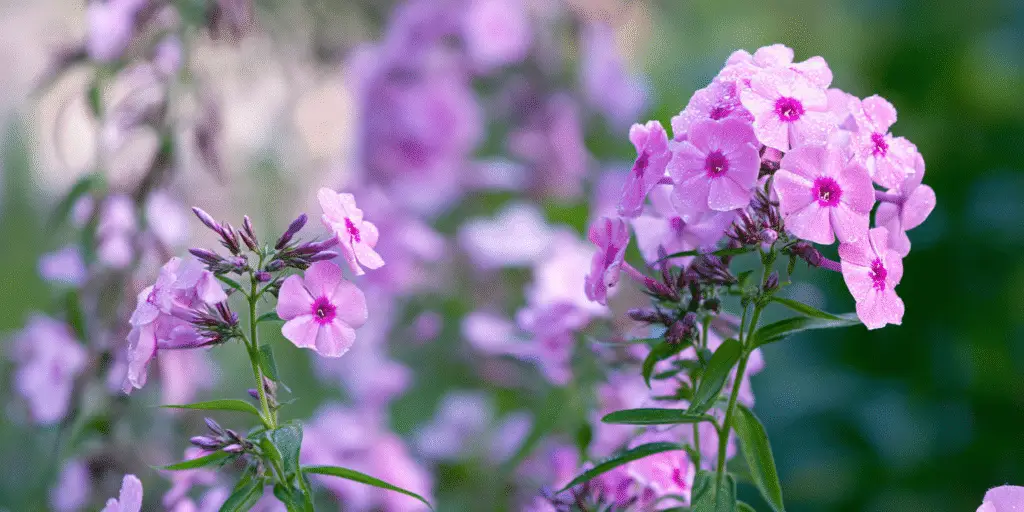
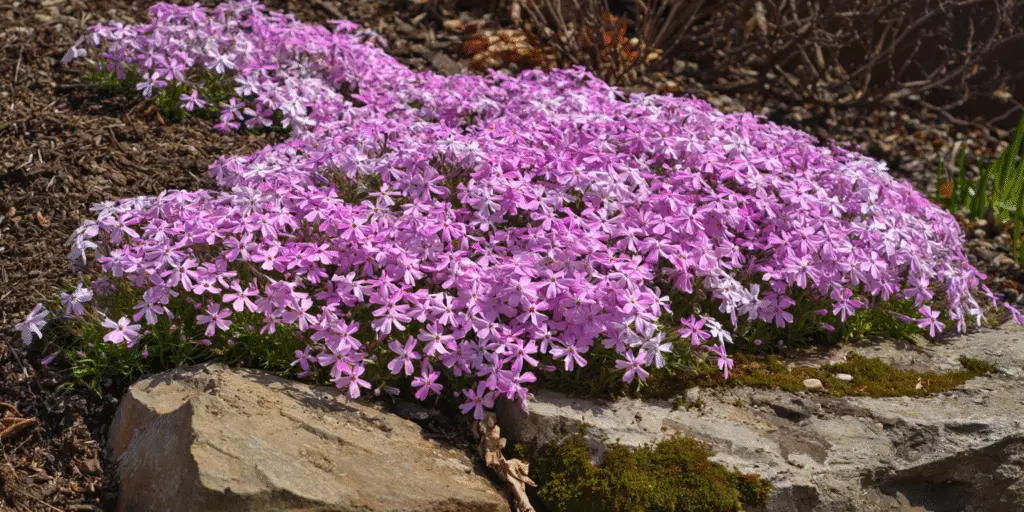
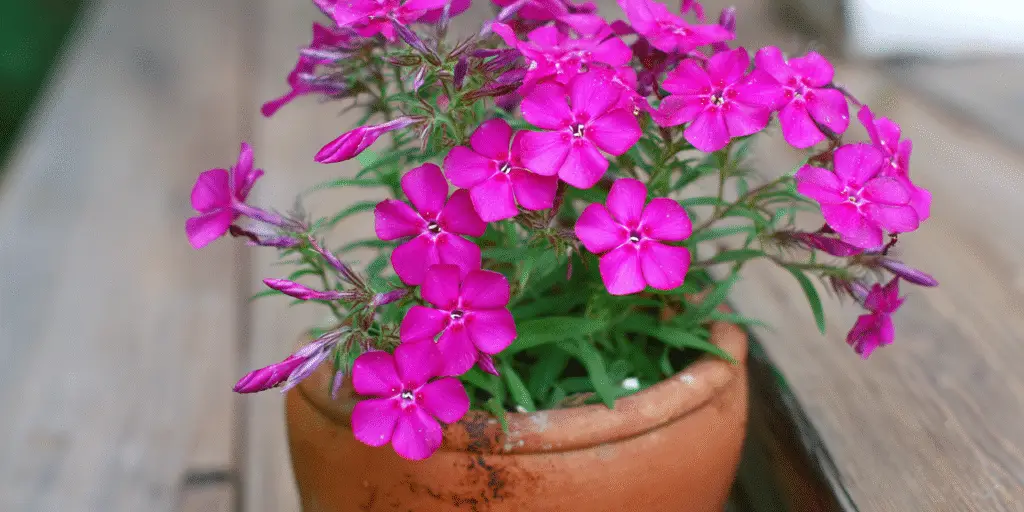
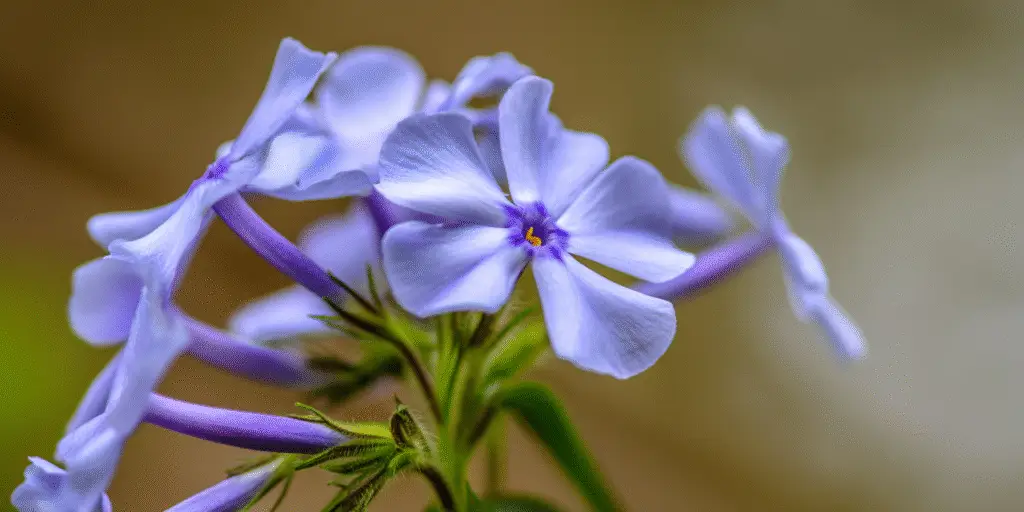
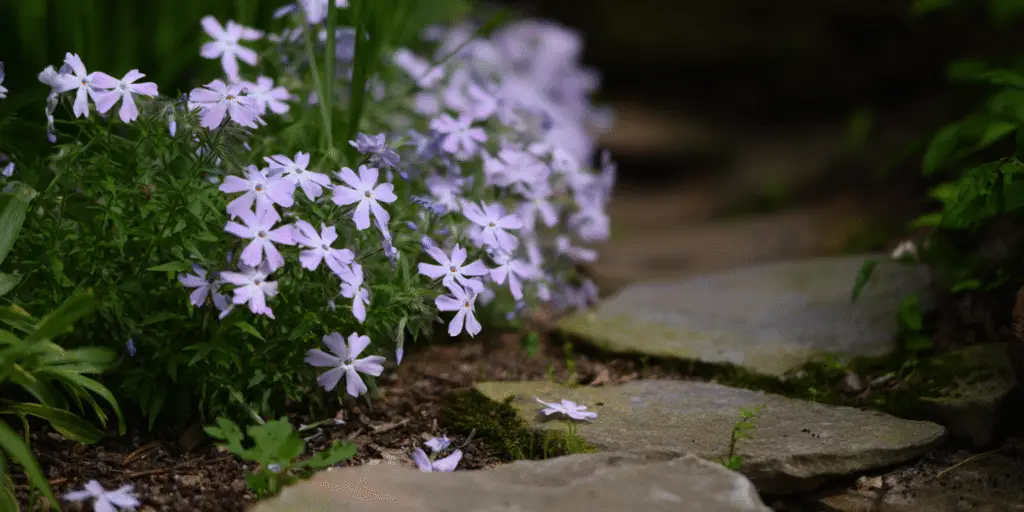
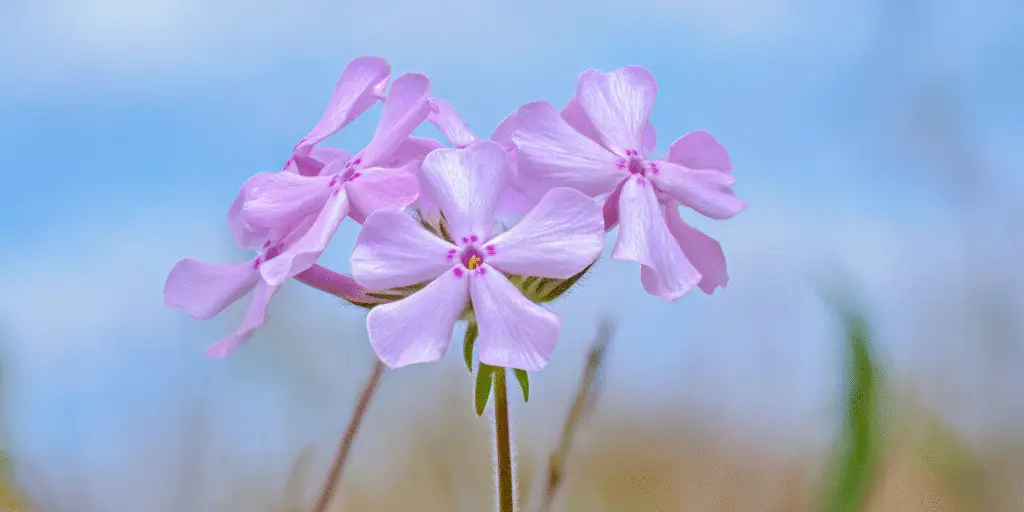
Phlox divaricata is a woodland perennial valued for a soft spring haze of blue to violet flowers in dappled shade. It spreads slowly by short rhizomes to form loose colonies along paths and stream edges. Blooms are pleasantly fragrant and attract early butterflies and long‑tongued bees. This species grows best in part shade with moist, well‑drained, humus‑rich soil and light mulch to keep roots cool. Plants tolerate full sun only in cool climates and benefit from a light trim after bloom.
At‑a‑glance
Group/Class: Woodland perennial
Height × spread: 12–15 in (30–38 cm) × 12–18 in (30–45 cm)
Bloom window: April to May
Color & flower form: Loose clusters of tubular flowers in pale blue to violet or white
Fragrance: 2 noticeable
USDA hardiness: zones 3–8
Breeder / Year / Origin: unknown; native to eastern North America
Pet safety: unknown
How it differs
Prefers part shade and rich woodland soils rather than full sun.
Early spring bloom versus midsummer for tall border phlox.
Shorter, spreading habit from rhizomes.
Sweet fragrance on cool spring days.
Strengths
Shade tolerant.
Early nectar for pollinators.
Soft color that mixes easily.
Good naturalizer along woodland edges.
Care in one minute
Plant in part shade with moist, well‑drained, humus‑rich soil.
Irrigate during spring dry spells; avoid waterlogged sites.
Lightly shear or deadhead after bloom to tidy plants.
Divide clumps when flowering declines or centers thin.
Watch‑outs
Foliage can decline in summer heat and drought.
Open soil invites seedlings where conditions suit.
Written by: Your Flowers Guide editorial team We are a small independent group of flower lovers who research and review each guide using trusted horticultural and educational sources. Learn more about us