in bloom
now
through Sep
Bloom calendar
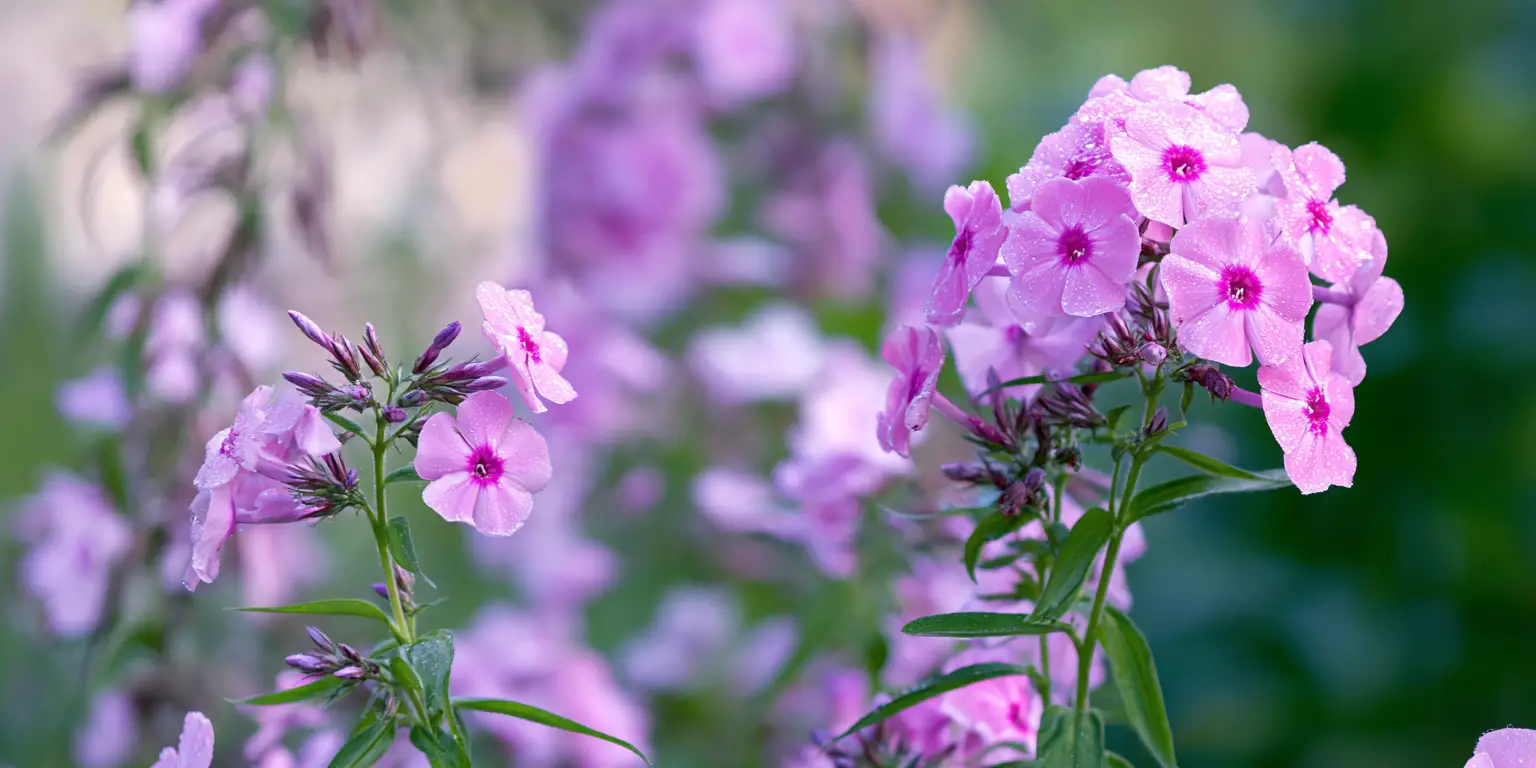
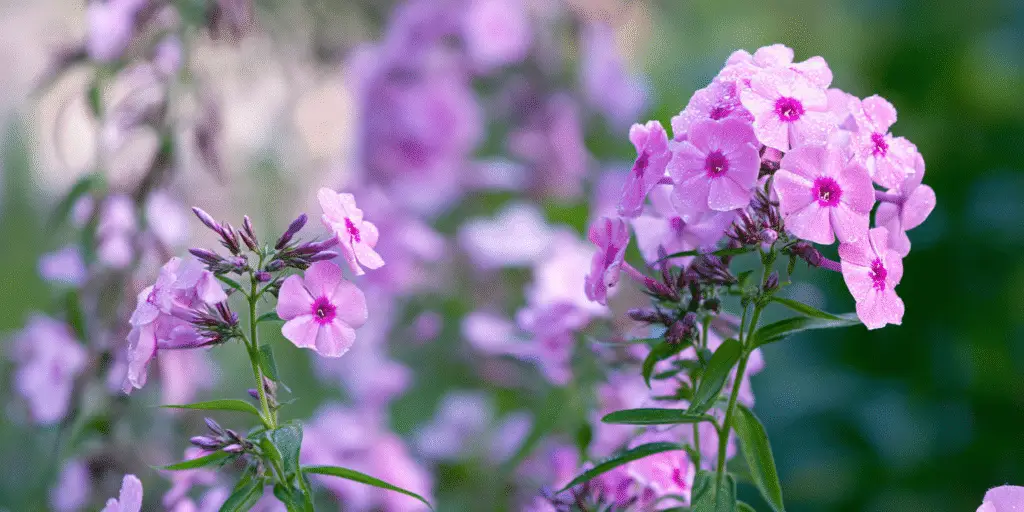
Phlox paniculata
Herbaceous perennial (garden phlox)
At‑a‑glance
- Group/Class: Herbaceous perennial (garden phlox)
- Height × spread: 2–4 ft (0.6–1.2 m) × 2–3 ft (0.6–0.9 m)
- Bloom window: July to September
- Color & flower form: Domed panicles of many small tubular florets in white, pink, or purple
- Fragrance: 2 noticeable
- USDA hardiness: zones 4–8
- Breeder / Year / Origin: unknown; native to the eastern United States
- Cut‑flower notes: Stem strength: moderate; vase life commonly reported at 7 to 10 days for select cultivars
- Pet safety: unknown
How it differs
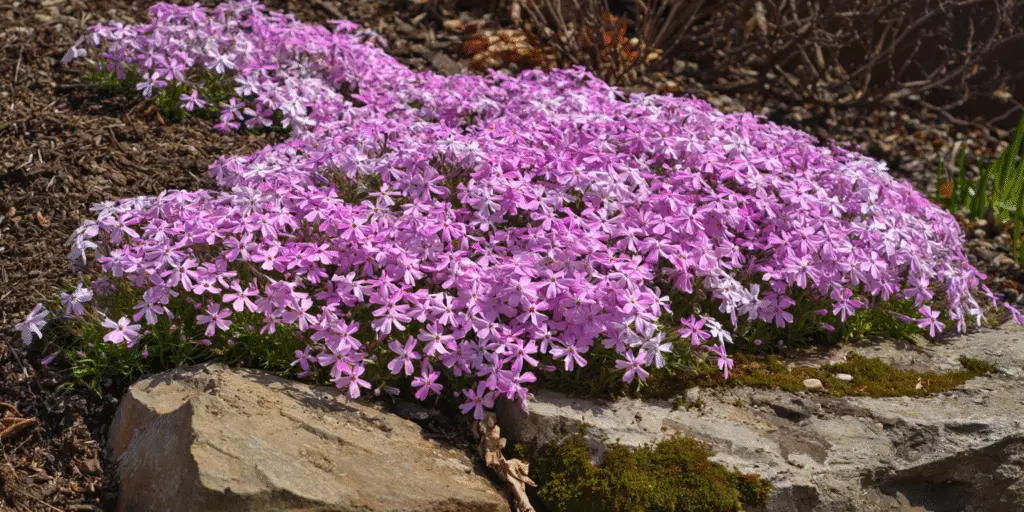
- Upright clumping habit rather than a creeping mat.
- Mid to late season bloom instead of spring bloom.
- Large panicles instead of small loose clusters.
- Needs full sun and air circulation; more mildew prone than creeping types.
Strengths
- Long summer bloom.
- Noticeable fragrance.
- Strong pollinator appeal.
- Widely hardy and adaptable within zones 4 to 8.
Care in one minute
Site in full sun to light shade with open air flow.
Provide fertile, well‑drained soil kept evenly moist.
Water during dry spells; avoid overhead irrigation.
Deadhead to prolong bloom; divide clumps as needed every few years.
Cut back and clean up spent stems before winter to reduce disease carryover.
Watch‑outs
- Powdery mildew can develop in humid or crowded conditions.
- Root rot possible in poorly drained soil.
- Stems may require staking in rich shade or wind.
Best uses (tags)
Provenance note
A species native to eastern North America; modern breeding emphasizes powdery mildew tolerance in many garden selections.
References
- Missouri Botanical Garden – Phlox paniculata
- Missouri Botanical Garden – Phlox paniculata ‘David’
- Texas A&M AgriLife (Bexar County) – Focus on Summer Phlox
- NC State Extension – Phlox (genus overview)
Similar Flowers
Enjoying our flower guides? Add YourFlowersGuide as a preferred source on Google. It helps more readers find us.
Add to Preferred Sources