Hibiscus moscheutos
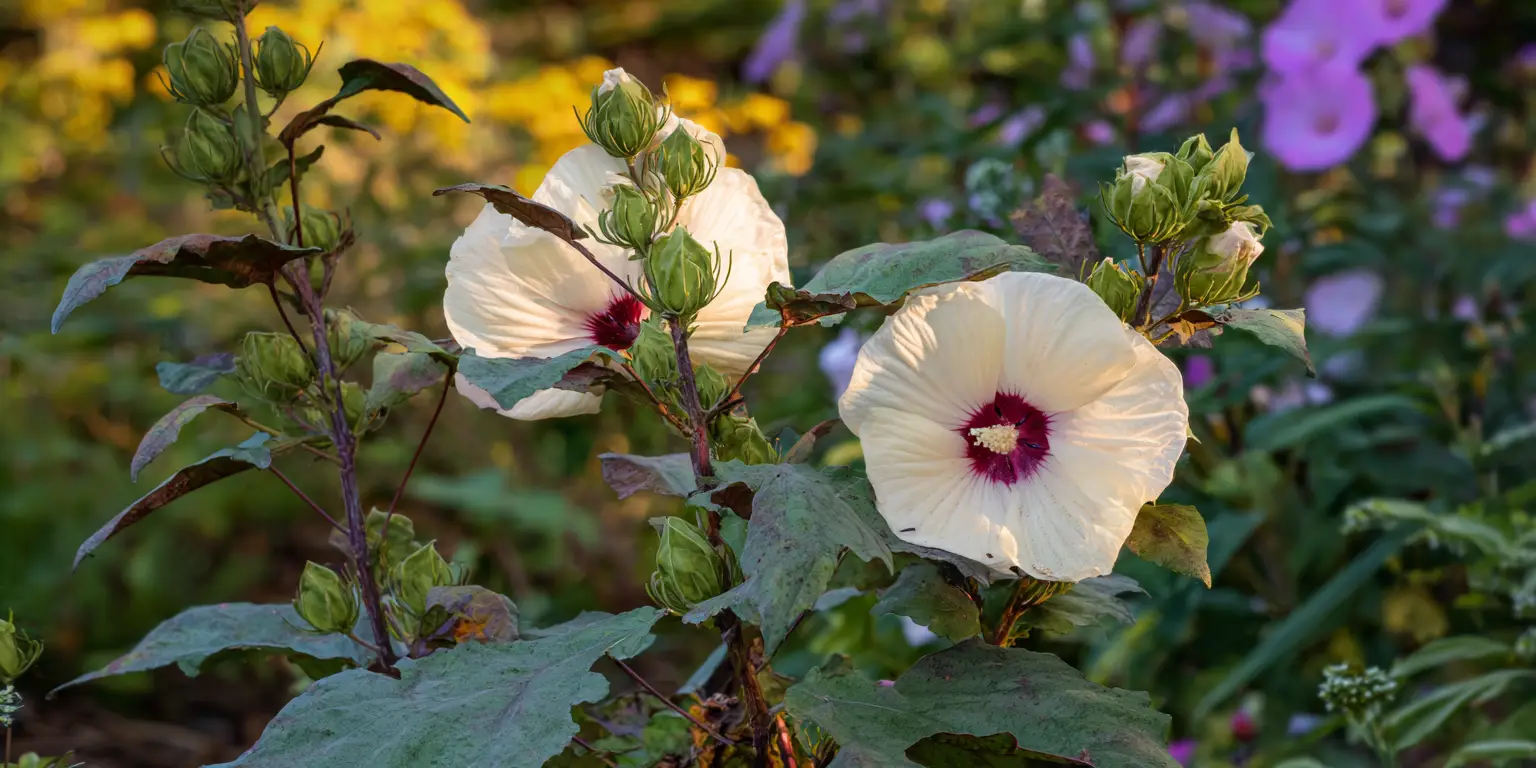
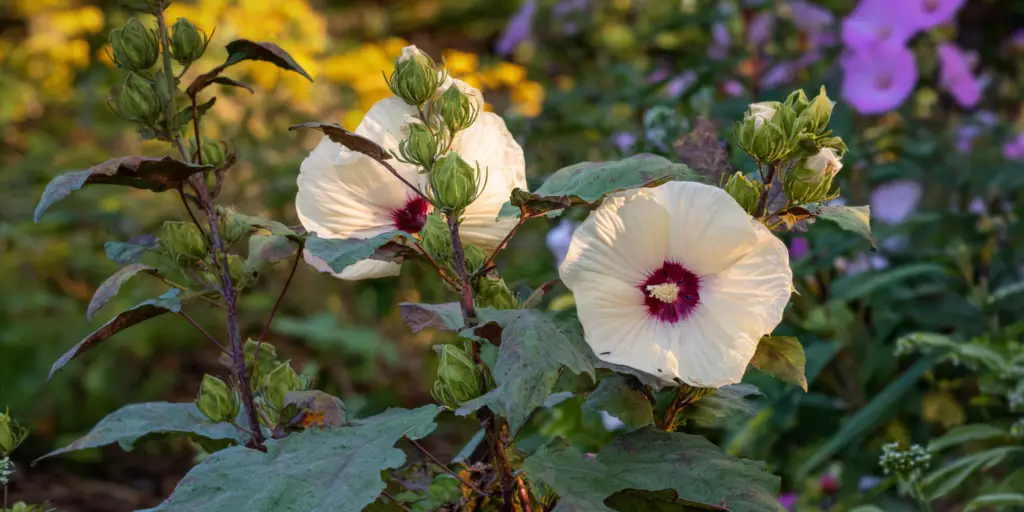
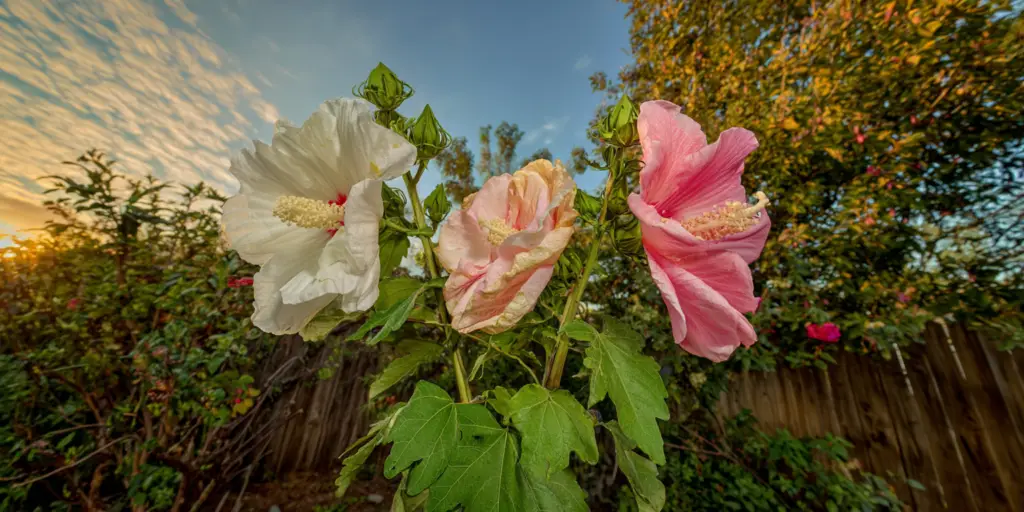
Hibiscus moscheutos is a hardy hibiscus native to wetlands of eastern North America. Dinner‑plate flowers 6 to 9 inches wide bloom from midsummer to early fall. Full sun and consistently moist, organic soils give the best display. Each bloom is short‑lived, but plants open new flowers daily over many weeks. Clumps are sturdy, 3 to 7 feet tall, and die back to the ground in winter.
At‑a‑glance
- Group/Class: Hardy hibiscus (herbaceous perennial)
- Height × spread: 3-7 ft (0.9-2.1 m) × 2-4 ft (0.6-1.2 m)
- Bloom window: July to September
- Color & flower form: White to pink to red. Large single flowers
- Fragrance: 1 trace
- USDA hardiness: zones 5 to 9
- Breeder / Year / Origin: unknown. unknown. USA and Canada
- Awards/registration: North Carolina Wildflower of the Year, 1997
- Cut‑flower notes: Strong stems. Single blooms last under 1 day in water
- Pet safety: unknown . varies by source
How it differs
- Much larger flowers than most garden hibiscus.
- Water‑loving. Thrives in rain‑garden sites.
- Herbaceous and winter‑dormant, not woody.
- Slow to emerge in spring.
Strengths
- Spectacular flower size.
- Pollinator friendly.
- Handles heat and humidity with moisture.
- Adaptable to wet soils.
Care in one minute
- Plant in full sun with good air flow.
- Improve soil with organic matter to hold moisture without waterlogging.
- Water deeply during dry spells.
- Pinch once or twice for bushy growth and deadhead spent blooms.
- Cut stems back in late fall. Leave 12 to 24 inches for native bee habitat.
Watch‑outs
- Stalls and scorches if soils dry out.
- Japanese beetles and leaf spots can occur.
- May lean in strong wind.
Best uses (tags)
pollinators, rain gardens, borders, wet sites, specimen
Provenance note
Native to southern and eastern North American wetlands. A parent of many hardy hibiscus selections.
References
- Missouri Botanical Garden Plant Finder – Hibiscus moscheutos
- NC State Extension Gardener Plant Toolbox – Hibiscus moscheutos
Written by: Your Flowers Guide editorial team
We are a small independent group of flower lovers who research and review each guide using trusted horticultural and educational sources. Learn more about us