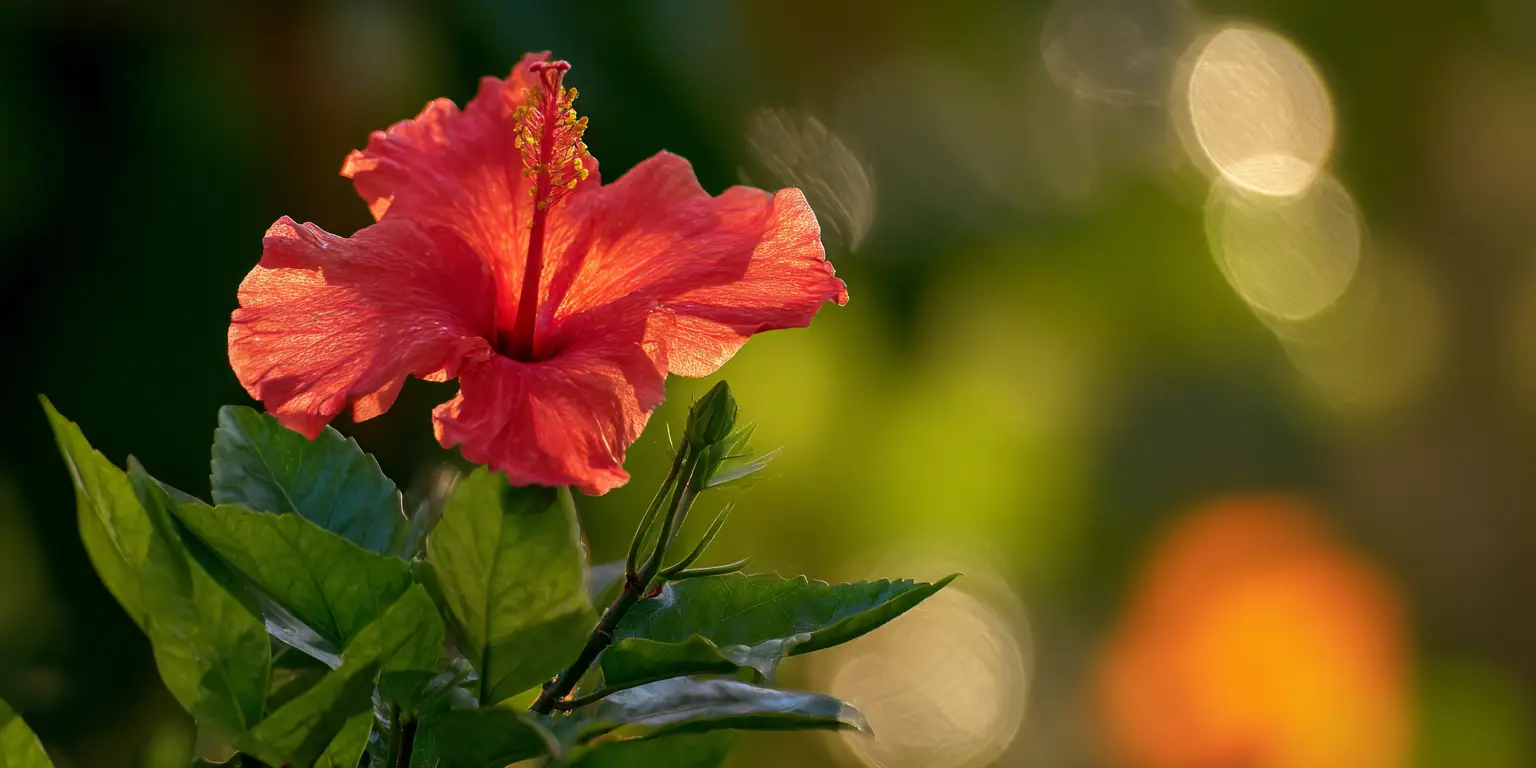
in bloom
now
through Oct
Bloom calendar
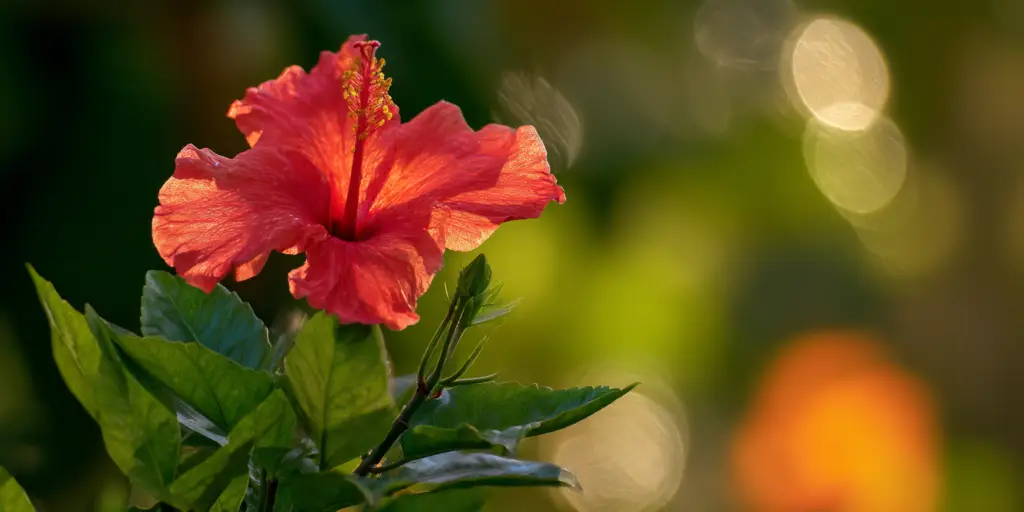
Hibiscus rosa-sinensis
Tropical hibiscus (evergreen shrub or houseplant)
At‑a‑glance
- Group/Class: Tropical hibiscus (evergreen shrub or houseplant)
- Height × spread: 4-10 ft (1.2-3.0 m) × 5-8 ft (1.5-2.4 m)
- Bloom window: late spring to fall. Year‑round in frost‑free zones
- Color & flower form: Wide color range. Single or double. 4 to 8 inch flowers
- Fragrance: 0 none
- USDA hardiness: zones 10 to 11. grown as annual or container elsewhere
- Breeder / Year / Origin: unknown. unknown. Asia tropics
- Cut‑flower notes: Showy but short‑lived. Best for same‑day displays
- Pet safety: unknown . varies by source
How it differs
- Not winter hardy in most of North America.
- Longest potential bloom season in warm climates.
- Needs high light and steady feeding for best flowering.
- Best grown in containers outside frost‑free areas.
Strengths
- Extraordinary diversity of colors and forms.
- Good response to pruning for compact shape.
- Attractive to hummingbirds and butterflies.
- Thrives in heat with regular water.
Care in one minute
Provide full sun outdoors and bright light indoors in winter.
Use well‑drained potting mix and keep soil evenly moist.
Feed during active growth with a balanced or hibiscus fertilizer.
Prune lightly after flushes to shape and encourage new growth.
Move indoors before nights drop below 55°F (13°C).
Watch‑outs
- Cold snaps trigger leaf yellowing and drop.
- Whiteflies, aphids, and spider mites may build up.
- Chlorosis in alkaline or poorly drained soils.
Best uses (tags)
Provenance note
Often treated as a hybrid complex of Asian origin. Widely bred for ornamental use.
References
- Missouri Botanical Garden Plant Finder – Hibiscus rosa‑sinensis
- UF/IFAS Gardening Solutions – Hibiscus
- NC State Extension Gardener Plant Toolbox – Hibiscus rosa‑sinensis
Similar Flowers
Enjoying our flower guides? Add YourFlowersGuide as a preferred source on Google. It helps more readers find us.
Add to Preferred Sources