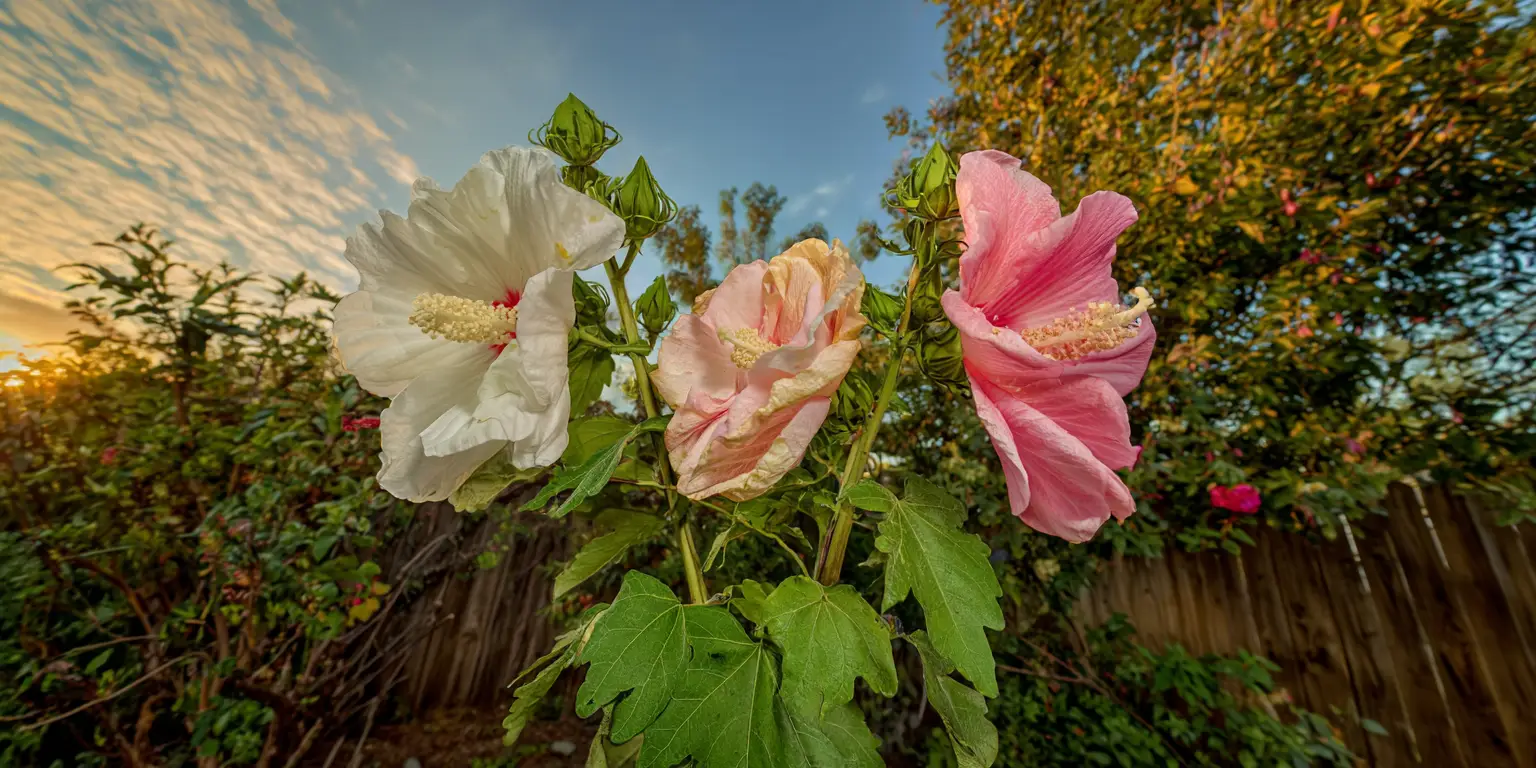
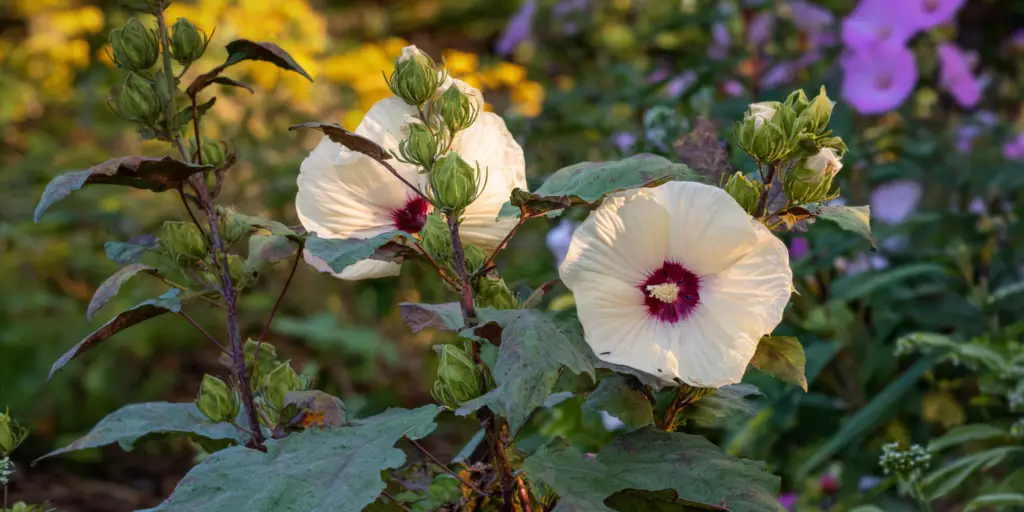
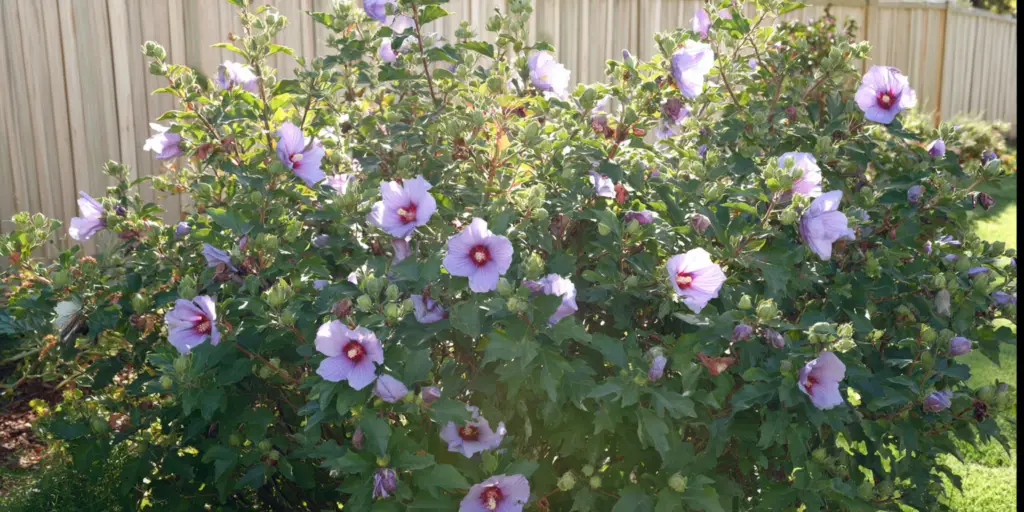
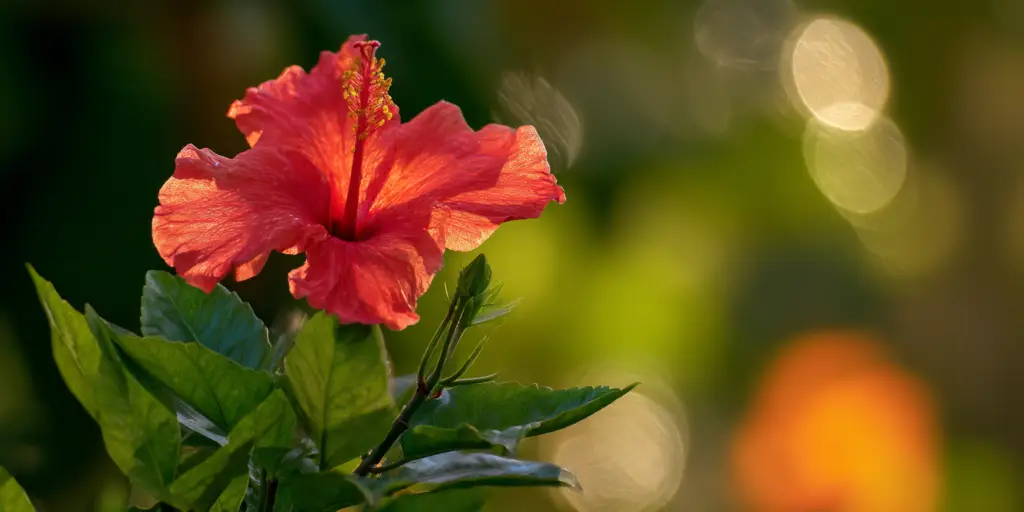
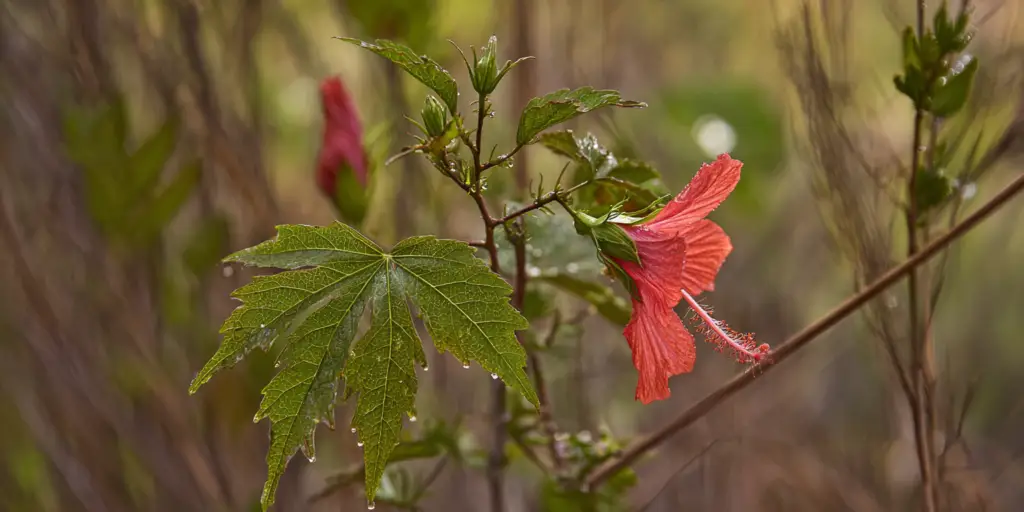
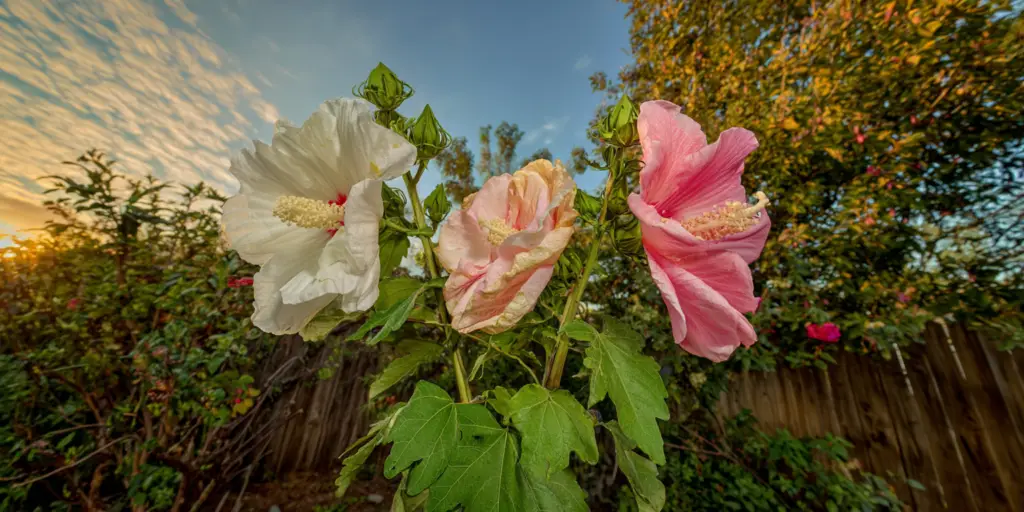
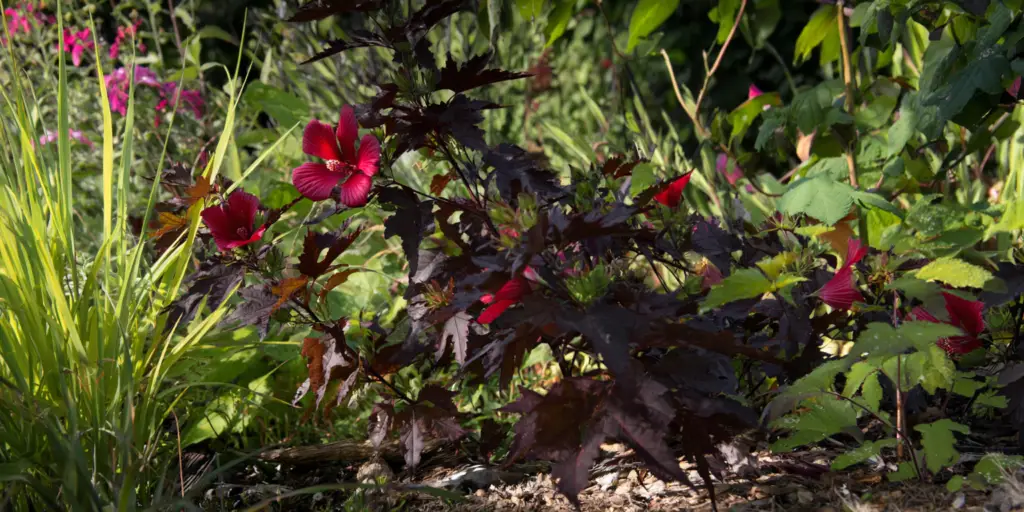
Hibiscus mutabilis, or Confederate rose, is a fast‑growing shrub or small tree. Flowers open white or pale pink and deepen to rose by evening of the same day. Bloom arrives late summer into fall on new growth in warm climates. Full sun and rich, moist, well‑drained soil support the best display. In mild zones plants reach 10 to 12 feet tall and as wide.
At‑a‑glance
Group/Class: Deciduous shrub or small tree
Height × spread: 10-12 ft (3.0-3.7 m) × 8-10 ft (2.4-3.0 m)
Bloom window: late summer to fall
Color & flower form: White to pink to deep rose in one day. Single or double
Fragrance: 0 to 1 trace
USDA hardiness: zones 7 to 9
Breeder / Year / Origin: unknown. unknown. China and Taiwan
Cut‑flower notes: Showy but short‑lived blooms. Not a reliable cut
Pet safety: unknown . varies by source
How it differs
Distinct color‑changing flowers.
Taller and woodier than most hardy hibiscus.
Late‑season display when many shrubs fade.
Easy from cuttings for quick establishment.
Strengths
Striking flowers and fast growth.
Heat tolerant and low routine care.
Good screen or backdrop in mild zones.
Attracts pollinators.
Care in one minute
Provide full sun and fertile, well‑drained soil with steady moisture.
Water during dry weather to support growth and bloom.
Mulch the root zone. Keep mulch off stems.
Prune in winter after bloom to shape and renew wood.
Watch‑outs
Not hardy in colder regions. Dieback in severe winters.
Young shoots are frost tender.
Can outgrow small spaces if unpruned.
Best uses (tags)
backdrop, screens, pollinators, late season, cottage gardens
Provenance note
Native to southern China and Taiwan. Cultivated for centuries and common in the American South.
Written by: Your Flowers Guide editorial team We are a small independent group of flower lovers who research and review each guide using trusted horticultural and educational sources. Learn more about us