How to Grow and Care for Petunia
Contents
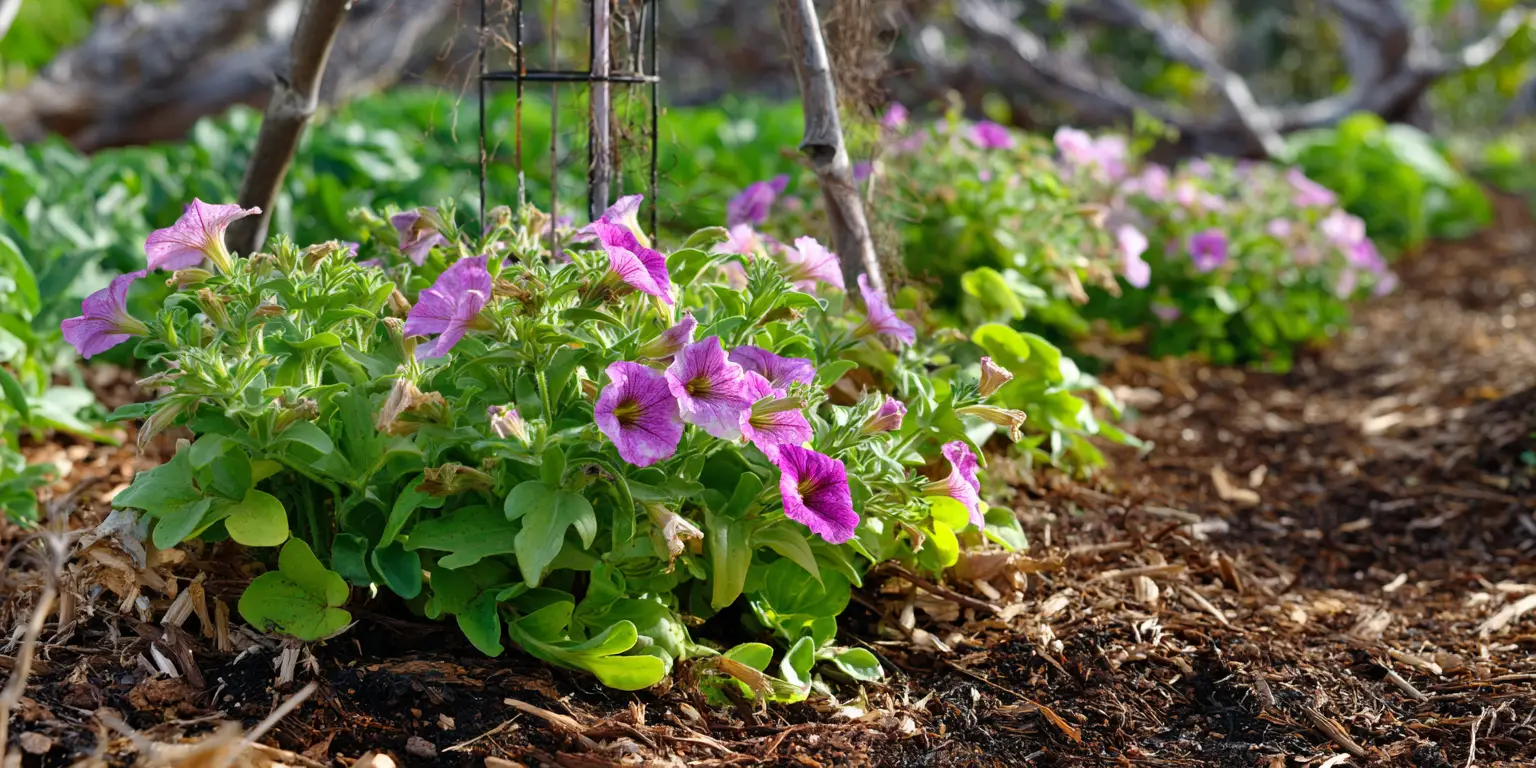
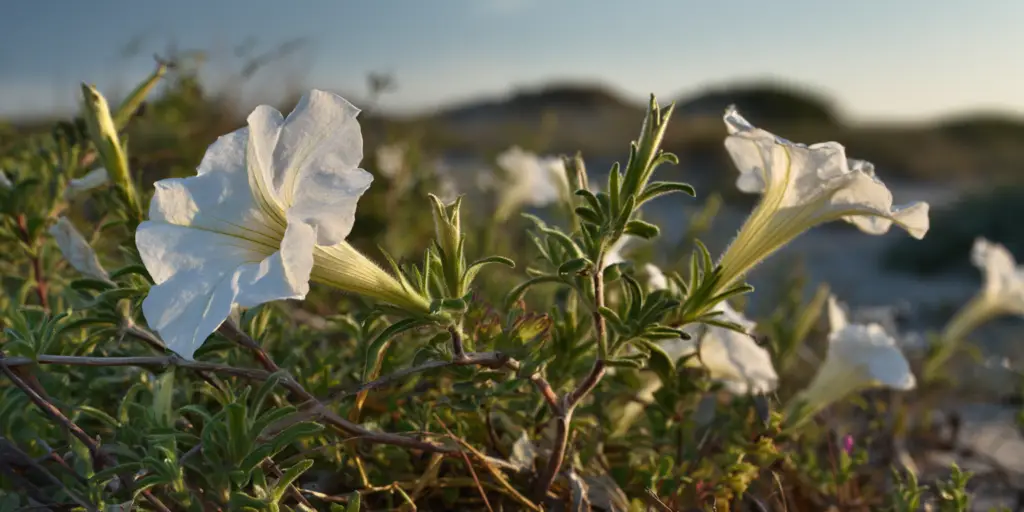
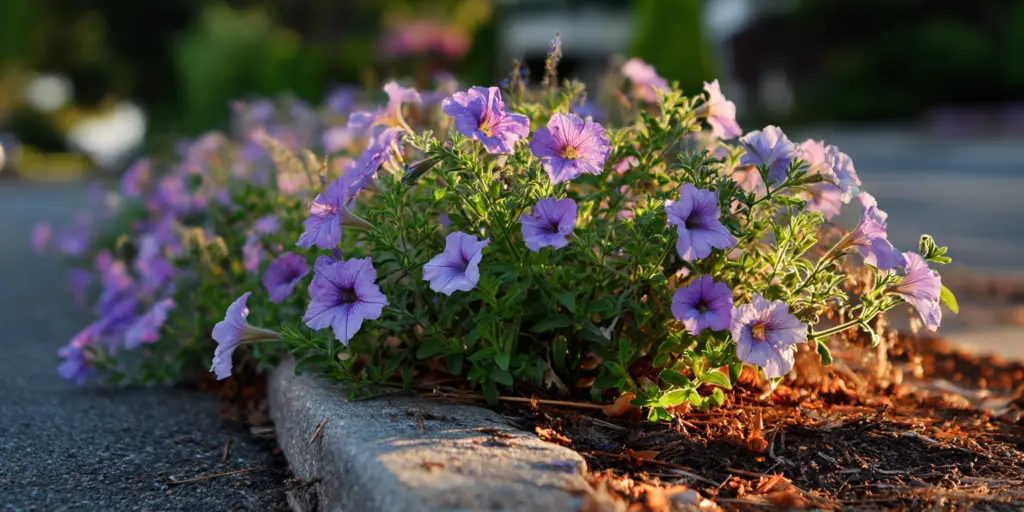
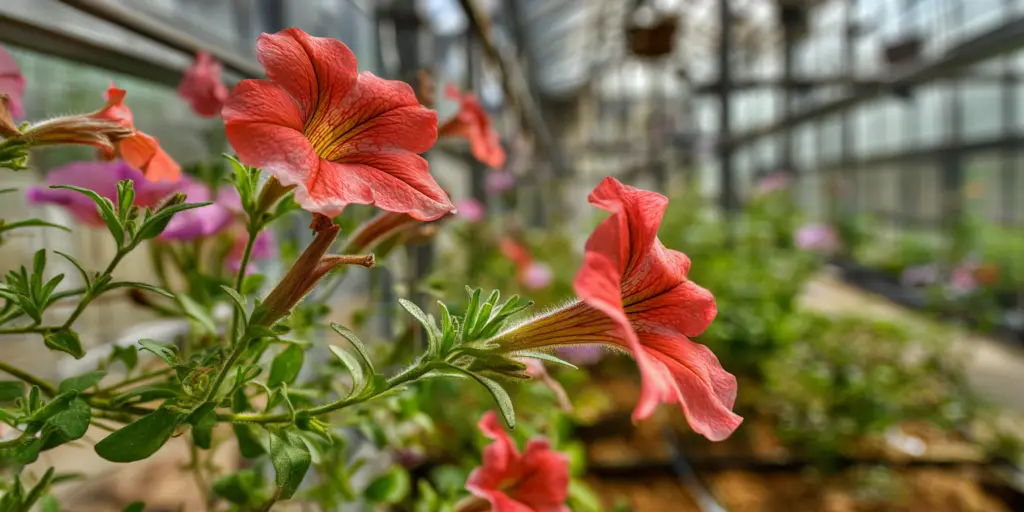
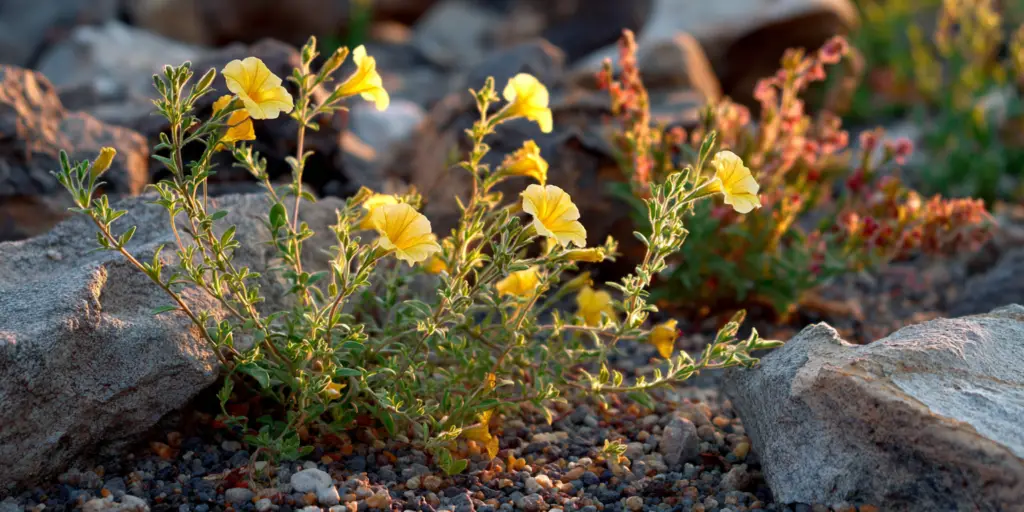
Garden petunias are tender perennials used as annuals, grouped by flower size and habit. Grandiflora types have the largest blooms with a refined look. Multiflora types have slightly smaller flowers that better withstand rain. Milliflora types carry many petite blooms and stay compact. Spreading types create wide, trailing carpets that fill planters and cascade from baskets. Heights range from 6 to 18 inches (15 to 45 centimeters) with spreads from 12 to 36 inches (30 to 90 centimeters) depending on type. Colors run from white to deep purple and nearly everything between, often with contrasting throats or star patterns that mix well with pink, purple, blue, and white flowers in coordinated schemes. In most climates petunias act as frost tender annuals. Treat them as cool season bedding in very warm zones, since flowering slows in the hottest months. Full sun gives best bloom, which means at least 6 to 8 hours of direct light. In areas with intense summer heat, light afternoon shade keeps flowers fresh and reduces stress. A simple rule drives success. Start with vigorous transplants, harden them outdoors, set them in loose, well drained soil, water deeply and consistently, and feed through the season. With that approach, petunia care becomes a reliable summer routine that fits easily with other types of flowers in the home garden.
Soil & Bed Preparation
Petunias prefer a loamy garden soil that drains freely yet holds consistent moisture. Aim for a crumbly texture with 3 to 4 inches (7.5 to 10 centimeters) of compost blended into the top 8 to 10 inches (20 to 25 centimeters). Raised beds help in heavy clay since they lift roots above saturated layers. In sandy sites, compost increases water holding, which reduces afternoon wilt. Avoid planting where water collects after rain. Roots starve for air if the pore spaces remain filled with water, which invites root rots and stunting. A slightly acidic to neutral pH keeps nutrients available and reduces the chance of iron chlorosis. Target pH 6.0 to 6.5, acceptable 5.8 to 7.0. If your soil lab report shows pH above 7.0, expect occasional yellowing leaves with green veins. Correcting with chelated iron is a quick fix, but the long term solution is adding organic matter and using water sources with lower alkalinity. A soil organic matter level of about 4 to 6 percent balances moisture retention with aeration and supports beneficial soil biology. Raised beds warm earlier in spring and drain quickly, which suits early plantings in cool regions. In ground beds in mild climates hold moisture longer and can reduce the frequency of irrigation. Either way, keep the surface level and avoid low pockets that gather water. Edge beds with clean stone or pavers to prevent lawn clippings from accumulating against stems. Petunias are not bulbs, tubers, rhizomes, or corms, so they do not need specialty media. They do need air in the root zone and consistent fertility throughout the season. To check drainage, dig a hole 12 inches deep and 12 inches wide (30 by 30 centimeters). Fill with water and let it drain. Refill and time the drop. Two to four hours to empty signals acceptable drainage. More than eight hours signals a problem that needs raised beds or soil amendment. For pH, use a home kit for a quick reading, but rely on a lab test every one to two seasons for accuracy. Adjust soil above pH 7.0 with elemental sulfur based on lab rates. Soils below pH 5.8 can be limed with ground limestone at label rates. Retest after the growing season to confirm the trend before making new adjustments.
Planting Calendar by USDA Zone
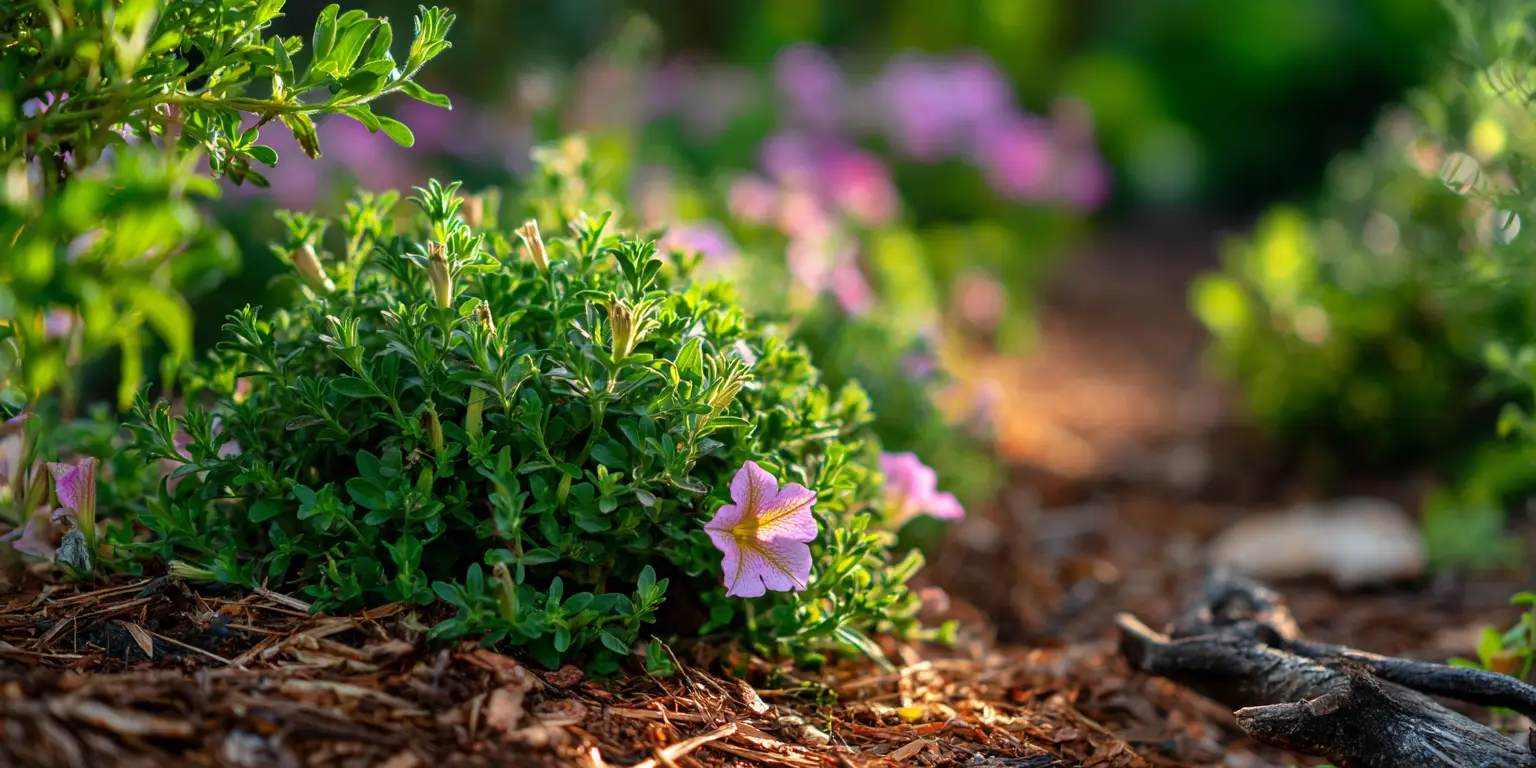
Because petunias are frost tender, time planting around local frost dates rather than calendar months. Set transplants outdoors after the last spring frost. In zones 3 to 5, that often falls from mid May to early June. In zones 6 to 7, late April to mid May is typical. In zones 8 to 9, early to mid April works in spring, or plant again in late September to October for fall to winter color where winters are mild. In zones 10 to 11, treat petunias as cool season annuals and plant from November to January for peak winter and spring bloom. Start seeds indoors 10 to 12 weeks before your last expected frost. Many gardeners in zones 4 to 6 sow in early to mid March. In zones 7 to 8, late January to February works well. Provide consistent warmth at 70 to 75°F (21 to 24°C) and bright light. Petunia seed is tiny and needs light to germinate, so press seed onto moist mix without covering. Expect germination in 7 to 14 days. Move seedlings to bright light immediately and keep the surface just moist, not soggy. In hot and humid coastal areas, spring plantings may slow during the hottest weeks. Provide afternoon shade and increase air movement to hold quality. In arid interiors, increase mulch thickness to limit evaporation and water deeply rather than often. At high elevation, nights can be cool, which petunias tolerate well. Delay planting if late frosts are common. Check real local frost dates each year and use the last frost to first frost span to plan successions for continuous color.
Planting: Depth & Spacing
Most home gardeners plant petunias from cell packs or small pots. Plant at the same depth as the nursery container so the crown sits level with the soil surface. Space compact multiflora types 10 to 12 inches apart (25 to 30 centimeters). Give grandiflora and mounding types 12 to 18 inches (30 to 45 centimeters). Spreading types can reach 24 to 36 inches (60 to 90 centimeters) across, so space 18 to 24 inches minimum. For row plantings in cutting beds, set rows 12 to 18 inches apart to keep airflow around foliage. If you raise your own, prick out seedlings when they have two to three true leaves into cell packs filled with a fine, well drained mix. When roots fill the cell, transplant into the garden on a cloudy day or in late afternoon. Water the hole before setting the plant. Firm soil gently to remove air pockets and water again to settle soil around roots. Keep evenly moist for the first 10 to 14 days while roots establish. Shade cloth for a few afternoons helps in hot spells. Petunias are commonly propagated by seed or tip cuttings. Take 3 to 4 inch cuttings (7.5 to 10 centimeters) from healthy stock plants in late summer to early fall, remove lower leaves, dip in rooting hormone if you choose, and stick into a sterile, moist medium. Keep in bright light out of direct sun until rooted. When planted out the following spring, treat as container grown transplants with the same depth and spacing rules. Harden off plants for 7 to 10 days before planting by setting them outdoors in a sheltered spot for a few hours each day. Increase time and light gradually. Water well the day before planting and again just after planting. A dilute starter solution, such as a balanced fertilizer at one quarter strength, supports early establishment. Avoid planting into dry soil and avoid overhead watering during the first week to reduce Botrytis risk on tender petals and leaves.
Watering & Mulching
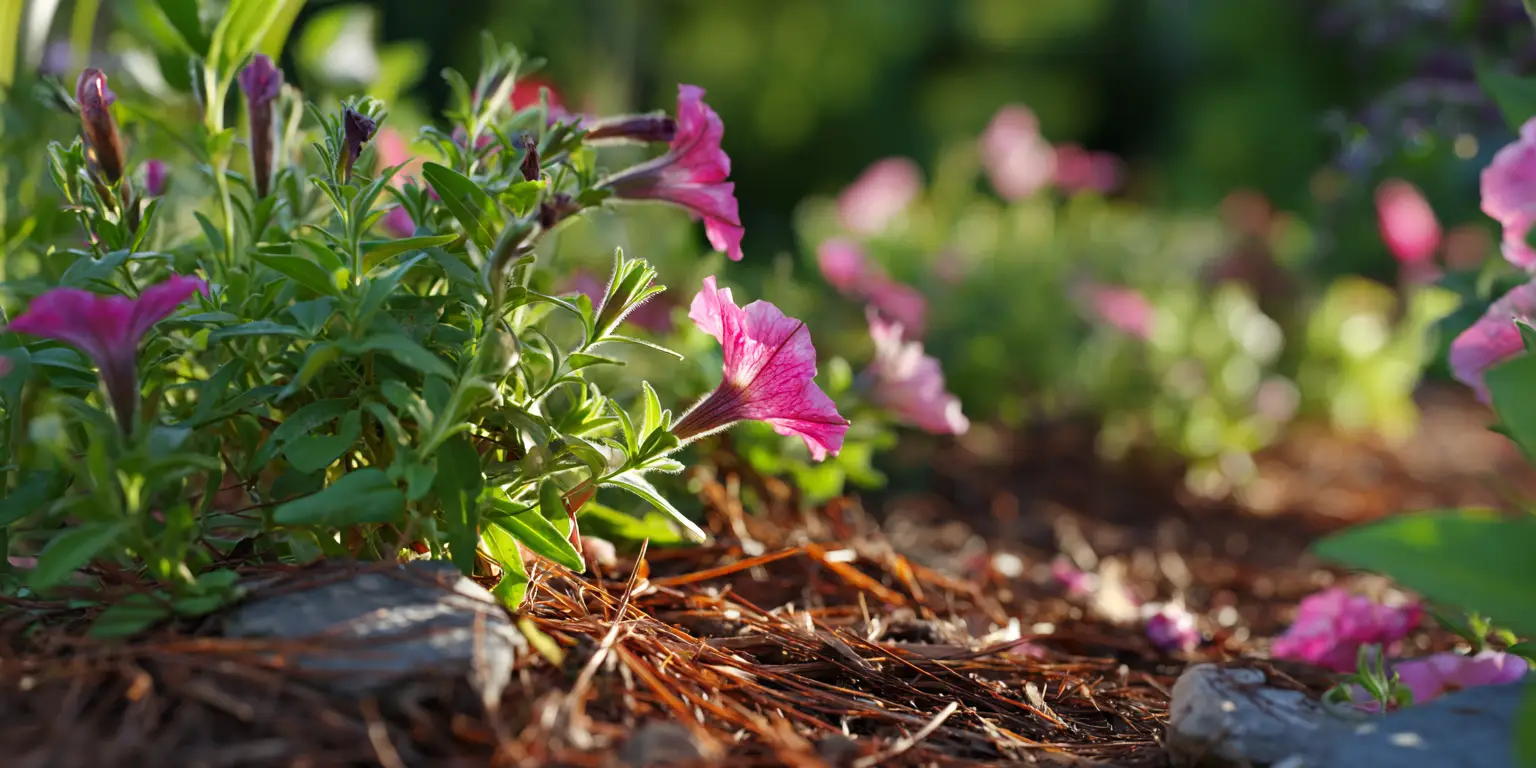
During the first two weeks after planting, keep the root zone evenly moist. Use your finger to check the top inch of soil. If it is dry, water slowly until the top 6 inches (15 centimeters) are moist. After establishment, water deeply so moisture reaches 6 to 8 inches (15 to 20 centimeters). In typical loam, that means about 1 inch of water per week from rain and irrigation combined. In containers, expect to water more often. In hot spells, baskets may need daily watering, while large patio tubs may need water every one to two days. Mulch conserves moisture, buffers soil temperature, and keeps soil from splashing onto lower leaves. Apply 2 inches of shredded bark, pine fines, or clean straw around plants. Pull mulch back 1 inch from the crown to prevent rot. In very hot regions, increase to 3 inches to slow evaporation and reduce irrigation frequency. Avoid using thick fresh grass clippings around petunias since they mat and trap moisture against stems. During heat spikes, water early in the morning so foliage dries quickly and roots have moisture ahead of rising temperatures. A temporary shade cloth during afternoon peaks protects blooms from sunscald. If you have hard or alkaline water, media pH in containers can drift upward, which leads to iron chlorosis. Collect rainwater or blend with distilled water for occasional irrigation to keep pH in the preferred range. In arid regions with saline irrigation, leach containers periodically by watering until 10 to 15 percent drains from the bottom to flush salts.
Feeding
Petunias are steady feeders. Mix a slow release balanced fertilizer into beds or containers at planting, following the label for annual flowers. Typical products range from roughly 10 10 10 to 14 14 14. Supplement with a water soluble fertilizer every 14 to 21 days during peak growth, using a balanced or bloom forward analysis such as 15 30 15 at label rate. If foliage is lush and flowers are few, reduce nitrogen for several weeks. In containers, feeding is more frequent since nutrients leach with irrigation. A light weekly feed at one quarter to one half rate often maintains bloom without surge growth. If plants stall during extreme heat, skip high nitrogen feeds and focus on water and shade until temperatures moderate. In very rich soil with high organic matter, a single slow release application at planting may carry plants for many weeks. If leaves show marginal burn or tip dieback, stop feeding and leach the root zone with clear water to remove salts. Keep adding compost year over year to build a living soil. In new beds, a second soil test after one or two seasons confirms that pH and nutrient levels are on track. Excess phosphorus can build up in beds where annuals rotate frequently. Choose balanced or lower P analyses when your soil test reports high P to reduce environmental runoff and keep growth in balance.
Pruning & Support
Remove spent flowers regularly to keep plants tidy and to reduce seed set, which diverts energy from new blooms. Pinch off the faded flower plus the small seed capsule beneath it. Many modern varieties shed old petals on their own, but removing the spent structure still helps. Midseason, shear mounding plants by about one third to encourage fresh branching. Follow a trim with a light feed and deep watering. Spreading types may be rejuvenated by trimming long runners back to several inches above the canopy. Most petunias do not require stakes. In windy exposures, a low decorative edging keeps outer stems from lodging into walkways. Clean pruners between plants, especially after cutting any diseased tissue. Wipe blades with 70 percent alcohol or dip in a 10 percent bleach solution, then rinse and dry to prevent corrosion. Avoid handling plants when leaves are wet to reduce the spread of fungal spores.
Overwintering
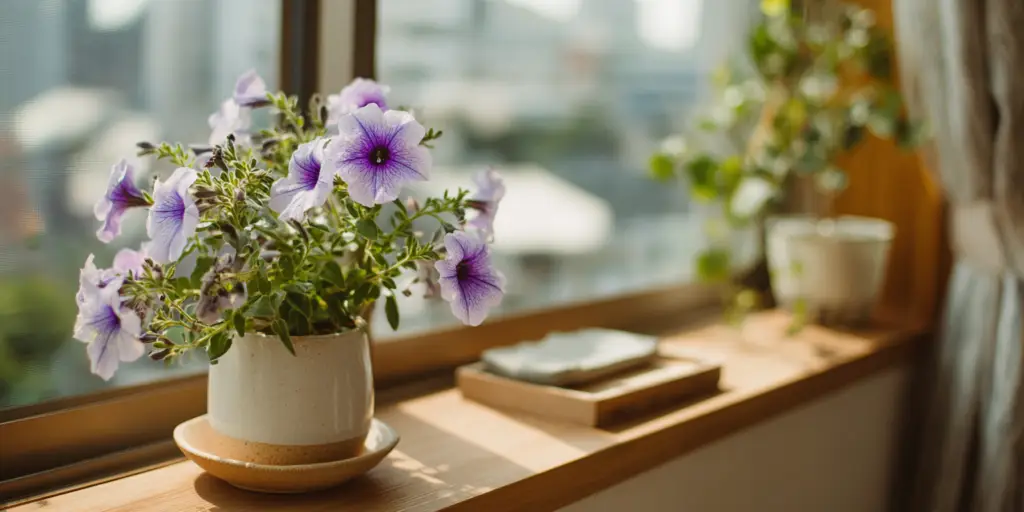
In cold regions petunias complete their life cycle with the first hard frost. Pull plants and compost healthy debris. Remove weeds or volunteer seedlings from the bed and top up mulch to protect soil biology through winter. In zones 9 to 11 where summers are very hot, gardeners often replant petunias as cool season color in late fall. When nights regularly fall below 32°F (0°C), flowering stops and foliage declines. To carry a favorite color into next season, root tip cuttings in late summer and grow indoors under bright light. Maintain night temperatures near 60 to 65°F (16 to 18°C) and water when the top inch is dry. Feed lightly once a month. Alternatively, lift a compact plant into a clean 8 to 10 inch pot (20 to 25 centimeters) with fresh mix, prune by one third, and grow as a houseplant near a sunny window. Expect reduced bloom indoors. The goal is to preserve genetics for spring cuttings rather than to force winter flowering.
Growing Environments
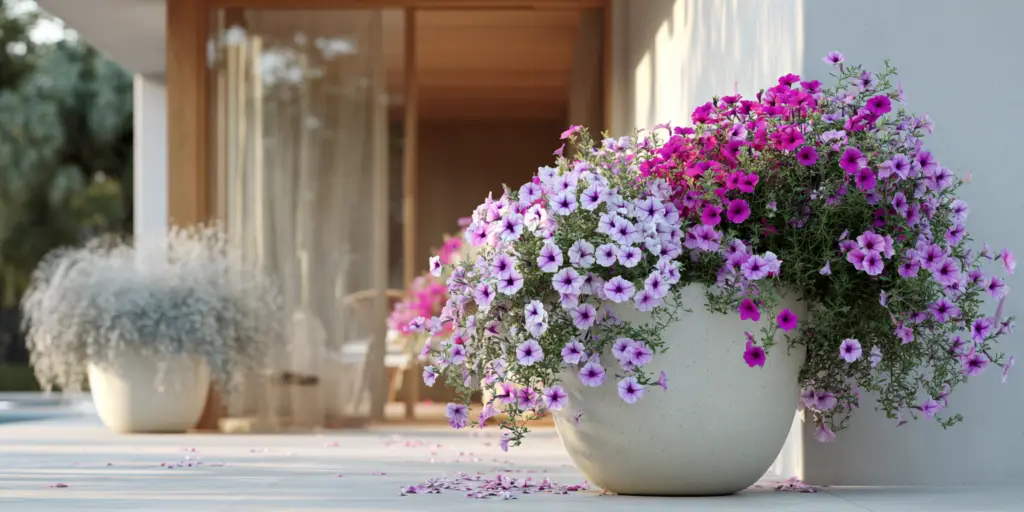
Petunias thrive in containers when the volume matches the plant habit. For mounding multiflora or milliflora types, plan roughly 1 to 2 gallons of mix per plant, which fits a 10 to 12 inch pot (25 to 30 centimeters). For spreading types, use 2 to 3 gallons per plant in large bowls or 12 to 14 inch baskets. Three compact plants can share a 14 inch patio tub if you feed and water regularly. Containers need free drainage holes and a saucer that does not hold standing water. Use a peat or coir based soilless mix blended with perlite for aeration. Garden soil compacts in pots and can harbor pathogens. A small proportion of finished compost adds biology, but keep it light to avoid soggy media. Refresh planters each season by discarding at least half the old mix and blending in new. In long season climates, top dress midseason with a thin layer of new mix to renew structure without disturbing roots. Set containers where morning sun is strong and afternoon shade is brief if your climate gets hot. In windy balconies, group pots to shelter one another and reduce moisture loss. Near south facing walls, reflected heat can stress petals. Pull planters 12 to 18 inches from bright walls to moderate canopy temperatures. In coastal zones with salt spray, rinse foliage with fresh water after storms and use a little extra leaching water to keep salts from building in containers.
Companion Planting & Design
Petunias combine well with annuals that share full sun and similar moisture needs. In borders, pair mounding petunias with sweet alyssum along the edge to soften the transition to path. Mix with verbena, angelonia, and calibrachoa for layered texture in planters. As summer heat rises, add heat lovers like lantana and cuphea to carry color while petunias take brief rests. As nights cool in late summer, petunias rebound and fill gaps. Color wise, tie a trio with a shared throat color or center. Use yellow or white flowers to bridge vivid purples and magentas. Pull in blue flowers for cool schemes or pink flowers for a cheerful cottage palette that pairs beautifully with our wedding flowers guide. Space thoughtfully to keep leaves dry and to allow easy deadheading. Aromatic evening forms can draw moths and some hummingbird attention, yet petunias are primarily ornamental in mixed pollinator beds. If you want to emphasize wildlife value, interplant with nectar rich natives near your petunia display and maintain a clean mulch surface so air can move under the canopy. Rotate planting locations annually, especially in small gardens, to reduce carryover of petunia specific pests.
References
- University of Florida IFAS Gardening Solutions. Petunia.
- ASPCA Animal Poison Control Center. Petunia.
Written by: Your Flowers Guide editorial team
We are a small independent group of flower lovers who research and review each guide using trusted horticultural and educational sources. Learn more about us