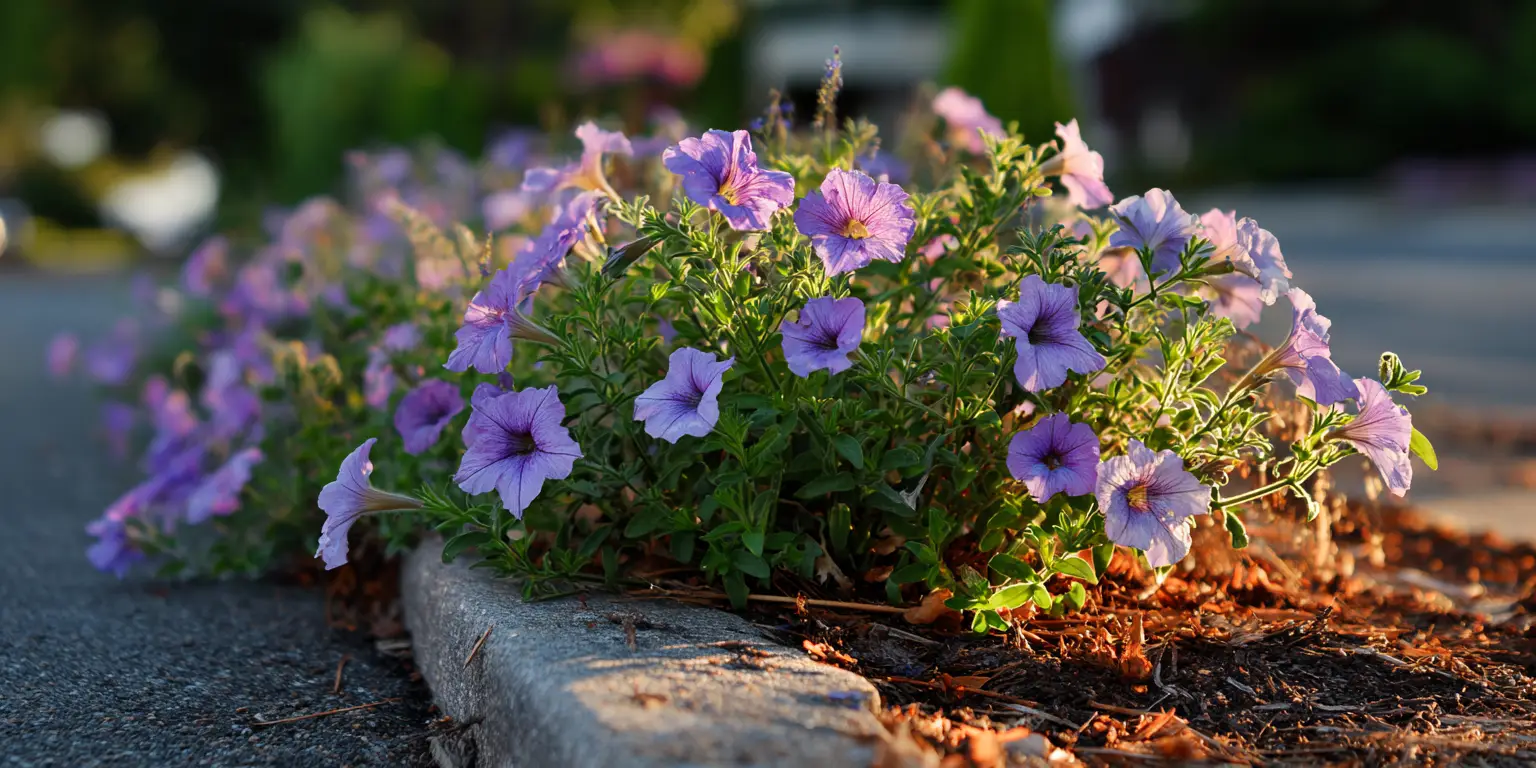
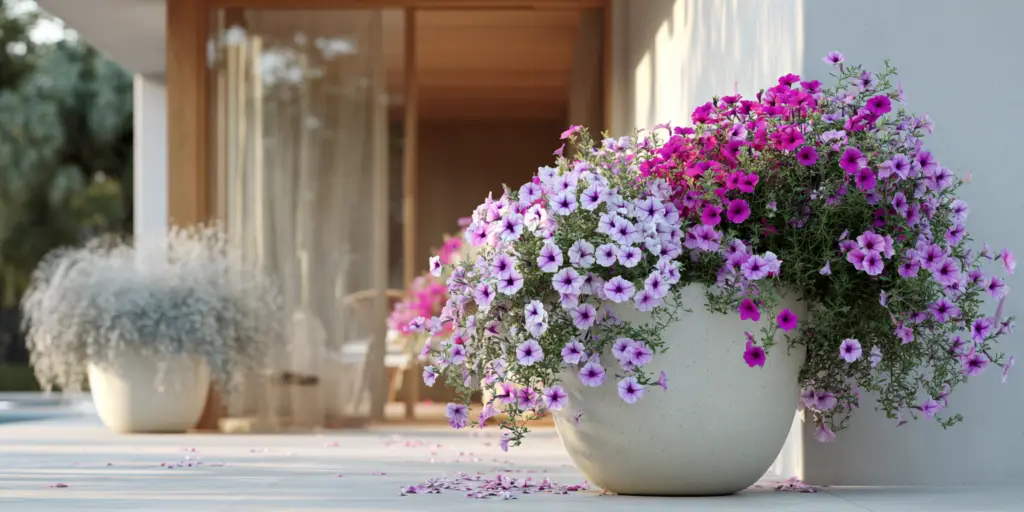
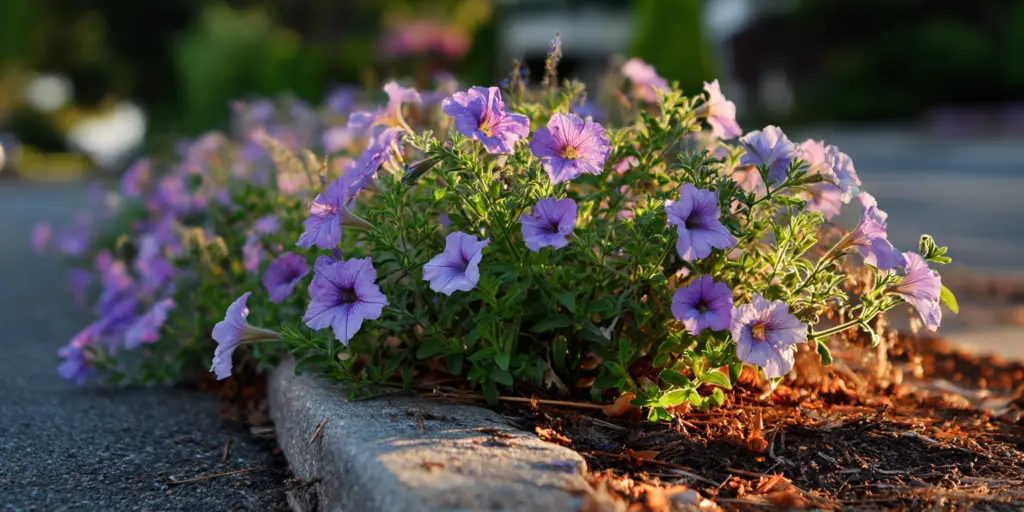
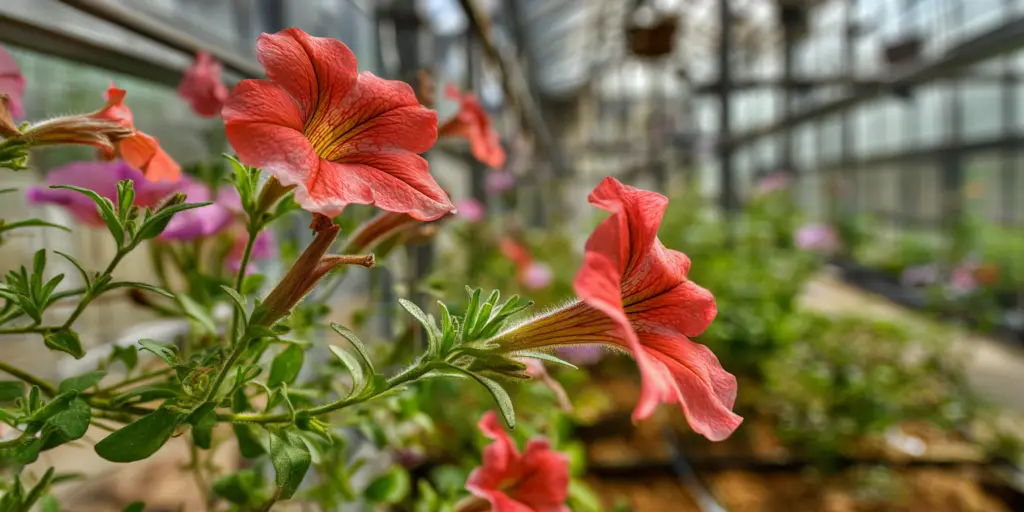
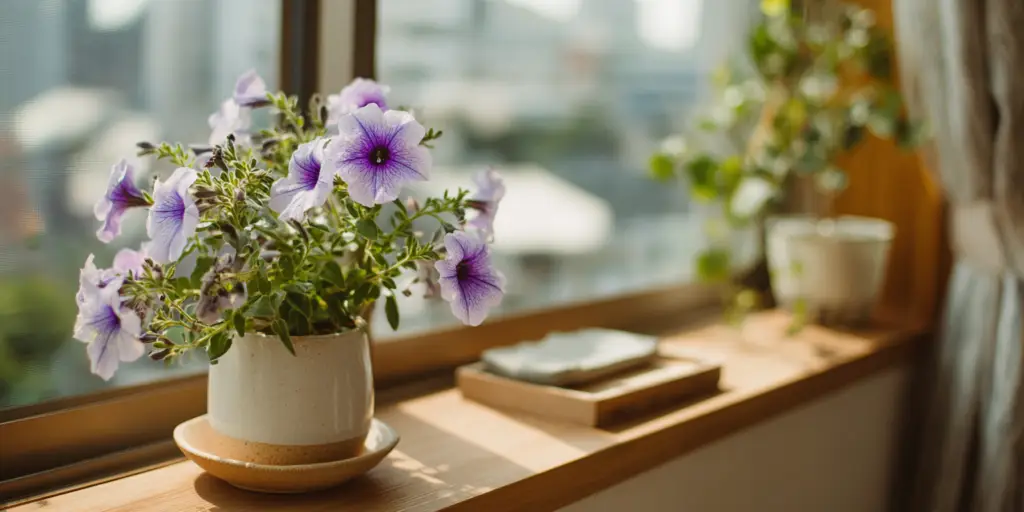
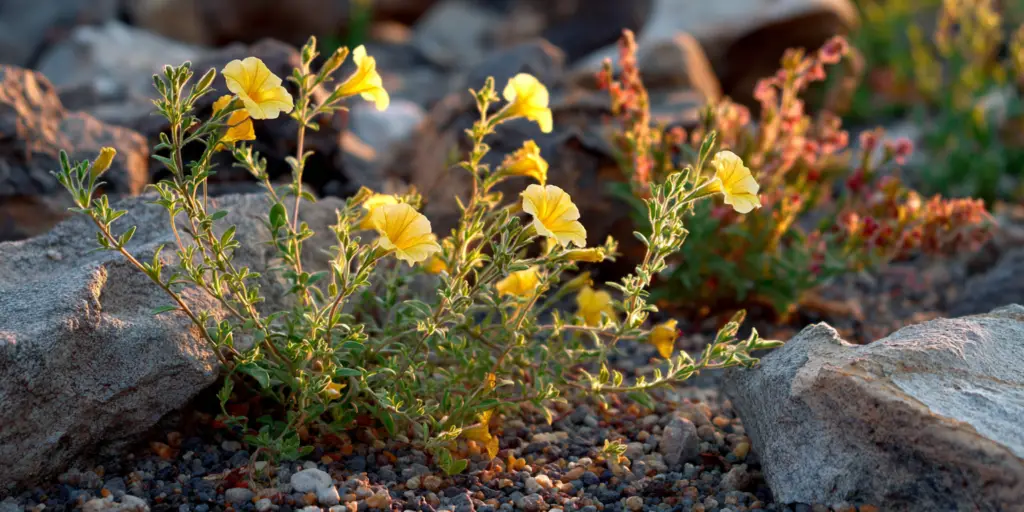
Petunia integrifolia is the violet‑flowered species behind much of the color and trailing habit of modern hybrids. It stands out for small, bright magenta to purple funnel‑shaped blooms on a low, spreading plant. It performs best in full sun and well‑drained soil and tolerates summer heat. It is useful at the front of borders, in rock gardens, and in containers. In North America it is grown as a warm‑season annual. Bloom typically runs from late spring into fall when plants are kept fed and trimmed.
At‑a‑glance
Group/Class: species
Height × spread: 4 to 10 in (10 to 25 cm) × 12 to 24 in (30 to 60 cm)
Bloom window: May to October
Color & flower form: magenta to violet, small funnel‑shaped flowers
Fragrance: 0 none
USDA hardiness: grown as annual in most regions
Breeder / Year / Origin: wild species, South America
Pet safety: safe
How it differs
Smaller flowers but better weather tolerance than many grandiflora hybrids.
Lower, trailing habit for edging and containers.
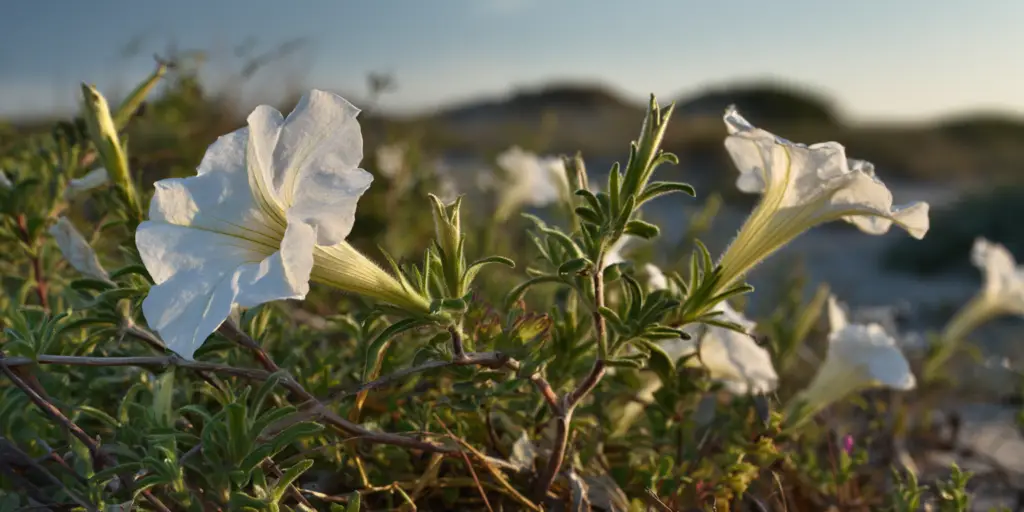
Typically unscented compared with white night‑scented species.
Flowers earlier in warm sites and keeps blooming with light trimming.
Strengths
Long bloom with routine feeding and grooming.
Useful for edging and spilling from pots.
Tolerates heat when watered consistently.
Care in one minute
Provide full sun and well‑drained soil.
Water when the top 1 inch is dry; avoid chronic sogginess.
Feed every few weeks or use slow‑release fertilizer.
Shear lightly if stems sprawl to renew bloom.
Deadhead to limit seed set and keep flowers coming.
Watch‑outs
Budworm caterpillars may chew buds in late summer.
Can look sparse without periodic shearing.
Gray mold possible in prolonged wet weather.
Best uses (tags)
edging, containers, rock gardens, heat‑tolerant, long season
Provenance note
Native to southern Brazil to northeastern Argentina and used as a parent of modern garden petunias.
Written by: Your Flowers Guide editorial team We are a small independent group of flower lovers who research and review each guide using trusted horticultural and educational sources. Learn more about us