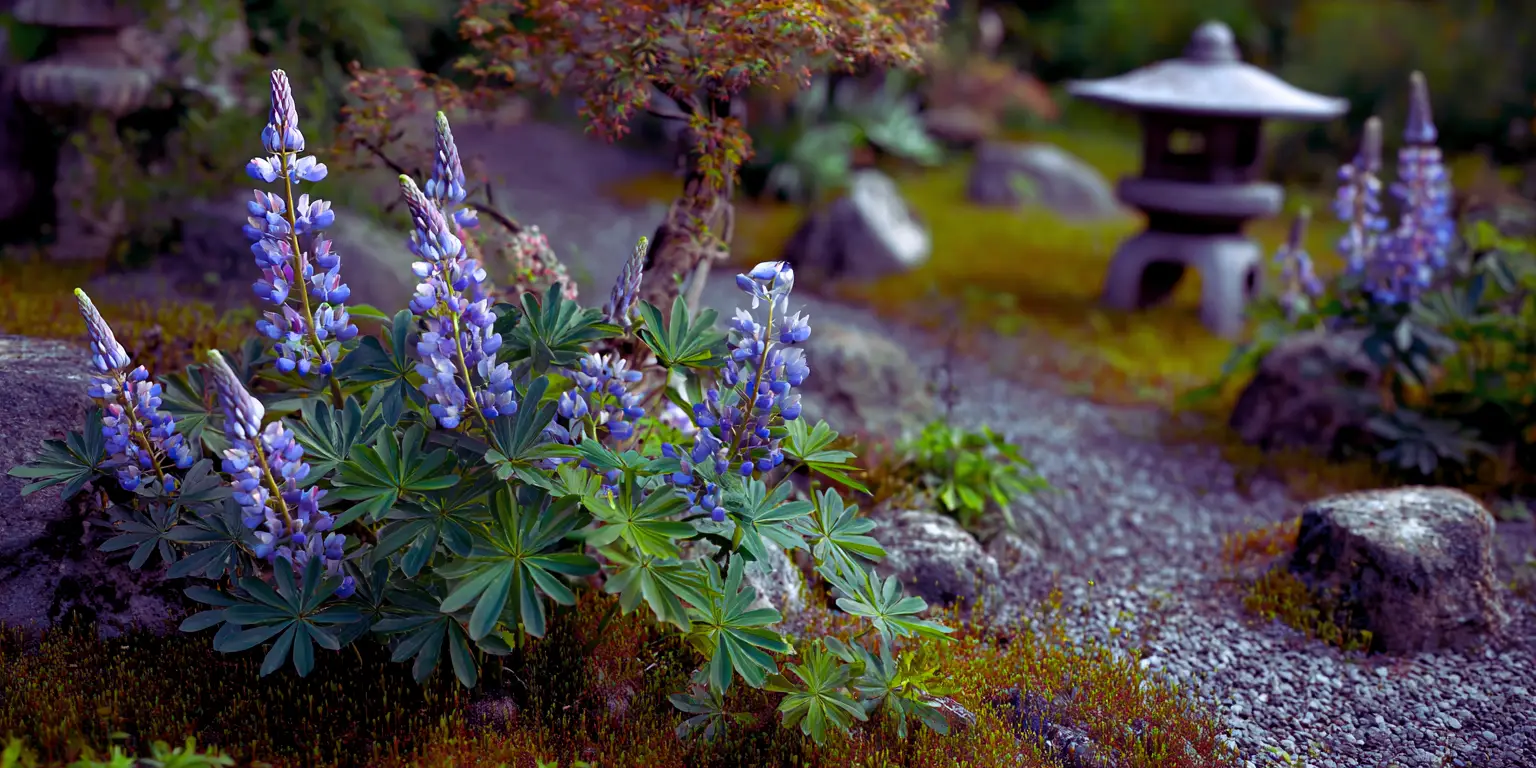
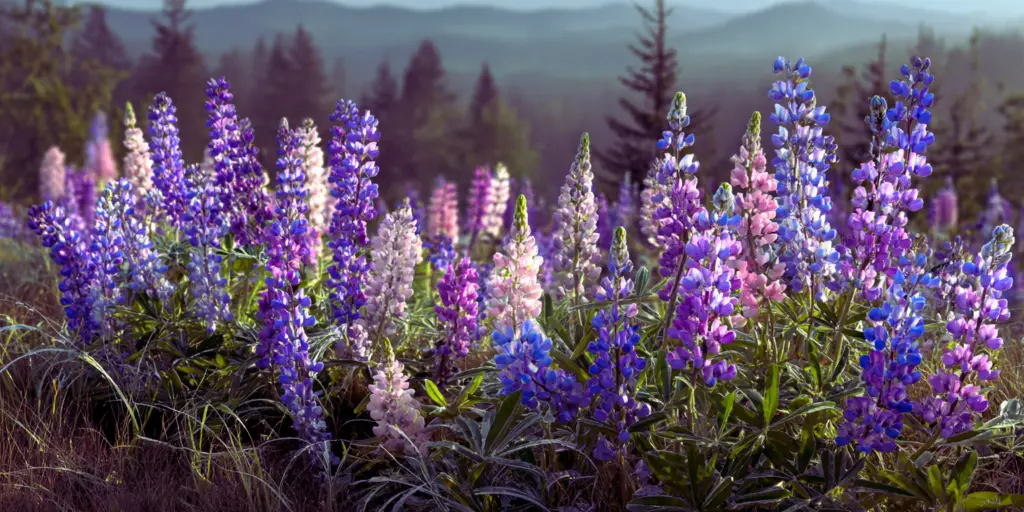
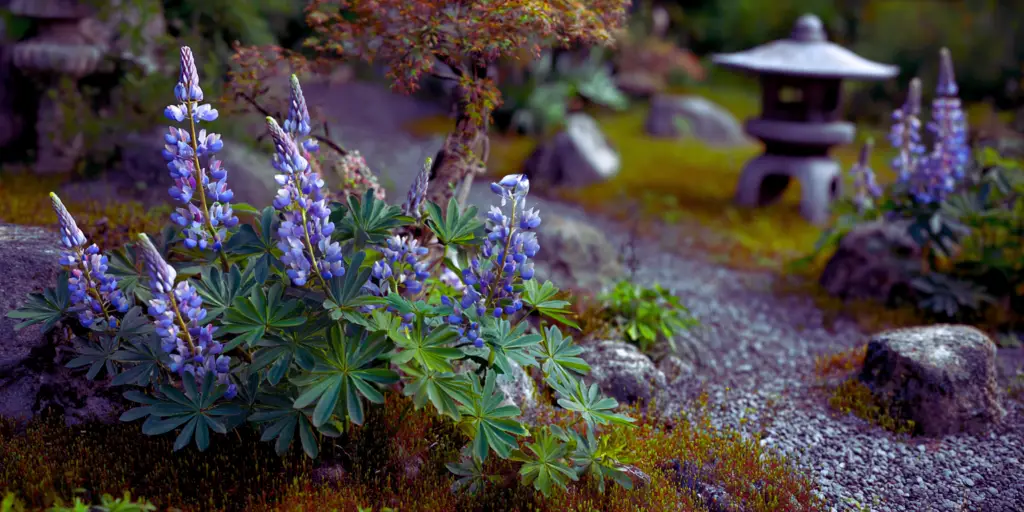
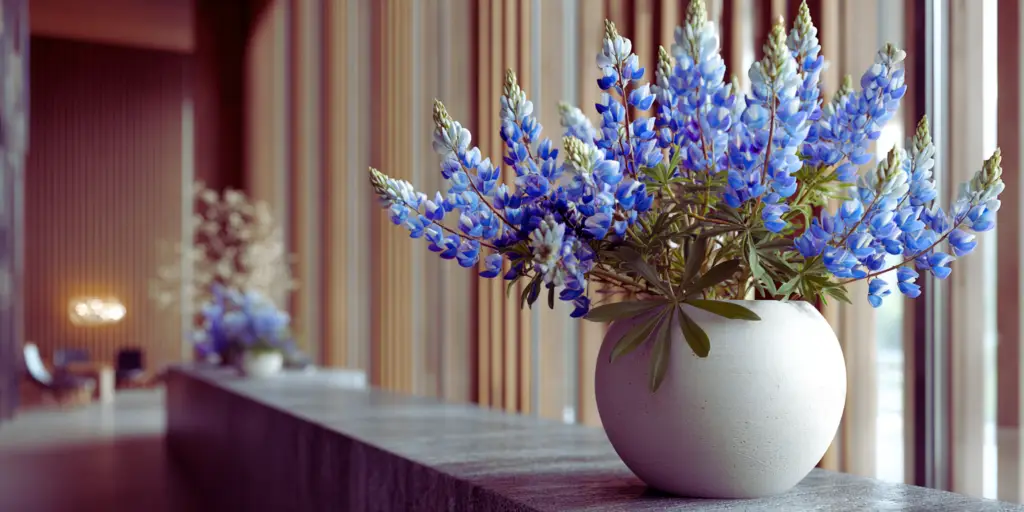
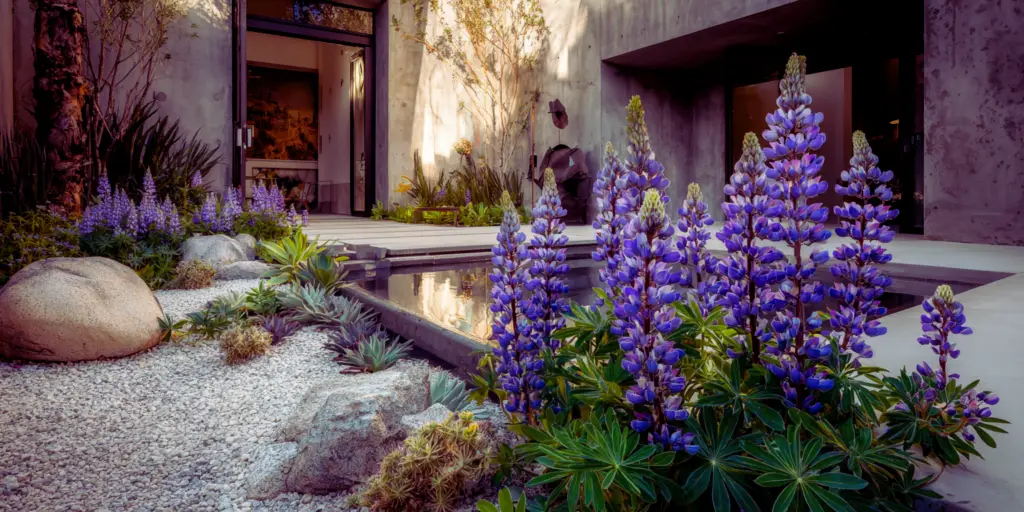
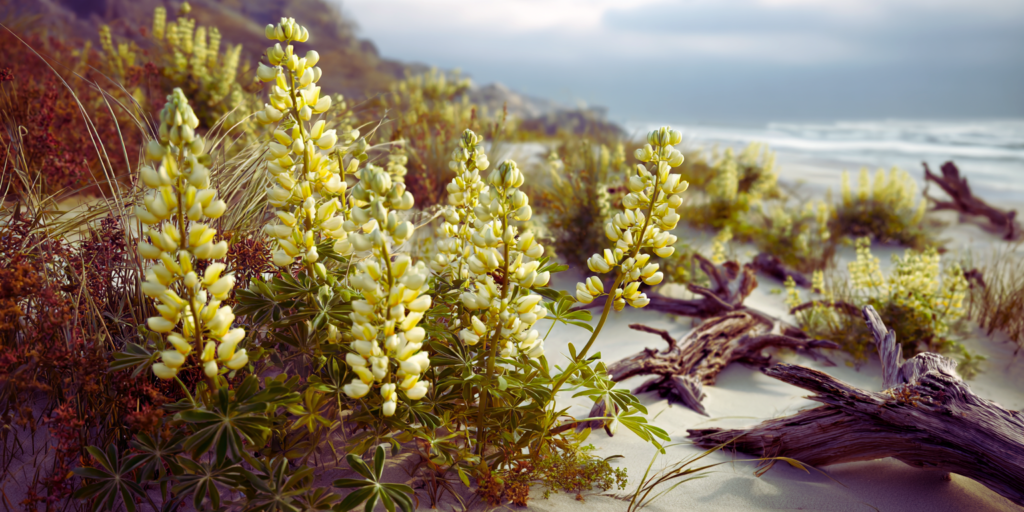
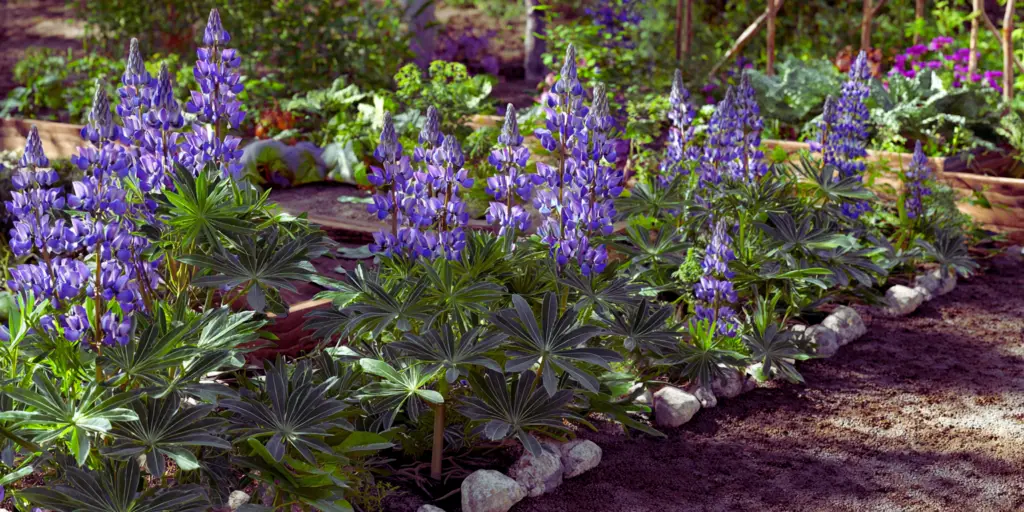
Wild lupine is a native, herbaceous perennial of eastern North America. It is the sole larval host for the endangered Karner blue butterfly, which makes this species important in restoration plantings. Plants thrive in full sun to light shade on dry, sandy, low-nutrient soils. The habit is smaller and airier than common garden lupines, with shorter flowering spikes. Deep taproots help drought tolerance but make older plants difficult to move once established.
Use it where soils drain quickly and irrigation is light.
At‑a‑glance
Group/Class: Herbaceous perennial
Height × spread: 8-24 in (20-60 cm) × 6-12 in (15-30 cm)
Bloom window: May to June
Color & flower form: Blue to purple pea flowers on upright racemes; occasional white or pink
Fragrance: 0 none
USDA hardiness: unknown / varies by climate
Breeder / Year / Origin: unknown, unknown, USA (native to eastern North America)
Pet safety: avoid
How it differs
Lower, more open plant than typical border lupines
Prefers dry, sandy soils instead of richer garden loams
Often flowers earlier in the season in cool climates
Critical host plant value for conservation plantings
Strengths
Supports specialist butterflies and many pollinators
Good drought tolerance in sandy sites
Low maintenance once established
Long-lived in appropriately lean, well-drained soils
Care in one minute
Site: Full sun to light shade with open exposure
Soil and pH: Very well-drained, sandy or gravelly; slightly acidic to neutral
Written by: Your Flowers Guide editorial team We are a small independent group of flower lovers who research and review each guide using trusted horticultural and educational sources. Learn more about us