returns in
273
days
Bloom calendar
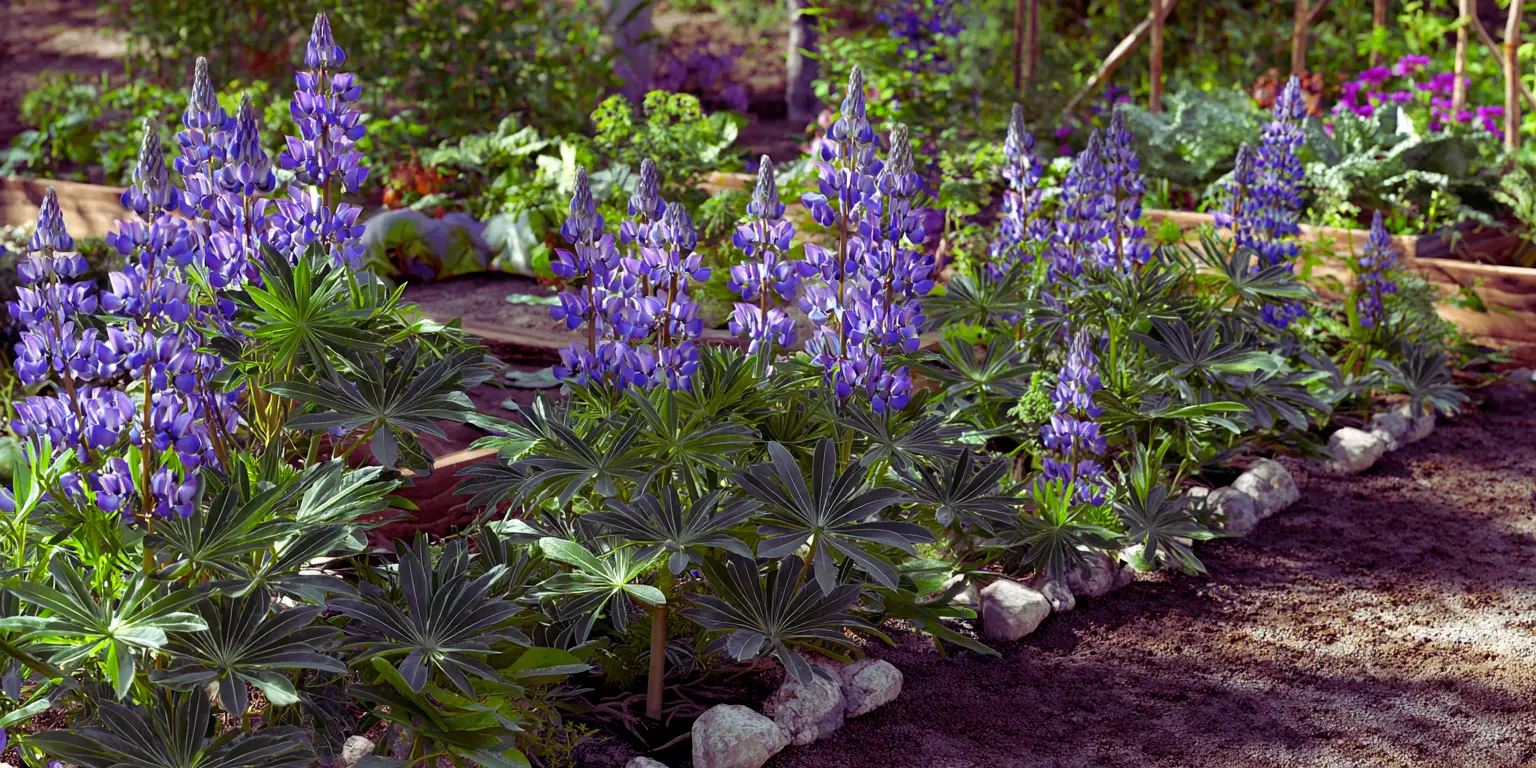
Lupinus succulentus
Annual wildflower
At‑a‑glance
- Group/Class: Annual wildflower
- Height × spread: 2-4 ft (0.6-1.2 m) × 2-3 ft (0.6-0.9 m)
- Bloom window: February to May
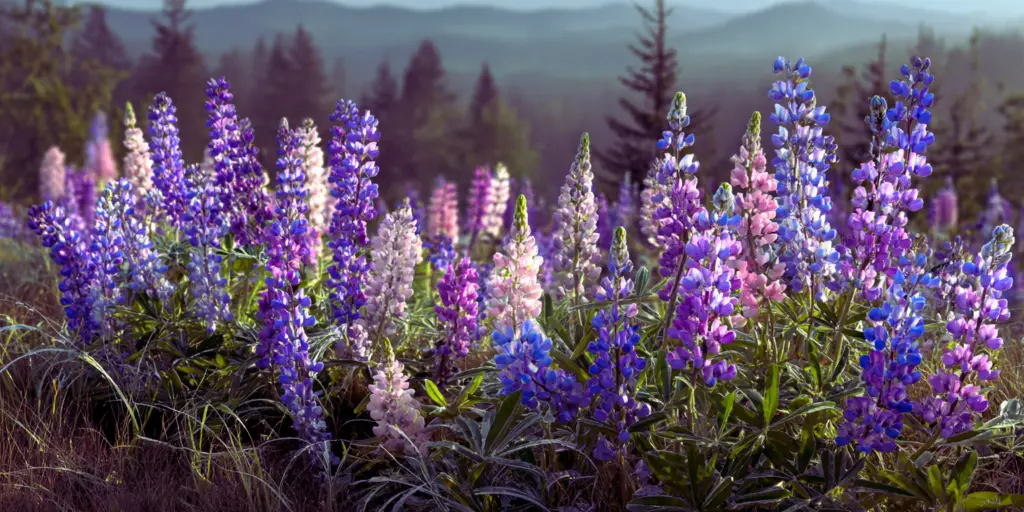
- Color & flower form: Purple to blue pea flowers on upright racemes; occasional pink or white
- Fragrance: 2 noticeable
- USDA hardiness: grown as annual in most regions
- Breeder / Year / Origin: unknown, unknown, USA (California)
- Pet safety: avoid
How it differs
- Tolerates heavier or clay-leaning soils better than many lupines
- Taller annual with vigorous, leafy growth
- Blooms earlier than border lupines in mild winter areas
- Useful in wildflower mixes for quick cover
Strengths
- Germinates readily and grows fast
- Handles occasional irrigation better than many annual lupines
- Provides nectar for bees and other pollinators
- Reseeds where soil is left open
Care in one minute
Site: Full sun in open areas
Soil and pH: Well-drained to clay-loam soils; neutral to slightly alkaline
Planting: Direct sow in fall in mild zones or very early spring elsewhere; press seed into soil
Watering: Keep evenly moist for establishment; reduce water as heat arrives
Feeding: Not needed; avoid rich amendments
Grooming: Allow pods to mature for reseeding; remove spent stalks as needed
Watch‑outs
- Short season annual; remove spent plants after seed drop if reseeding is not wanted
- Can flop in rich soils or with frequent watering
- All parts are toxic if eaten
Best uses (tags)
Provenance note
Native to California’s valleys and foothills; widely used in restoration seed mixes for quick seasonal cover.
References
- Theodore Payne Foundation Native Plant Database: Lupinus succulentus
- Calflora: Lupinus succulentus taxon report
- Lady Bird Johnson Wildflower Center: Lupinus succulentus
Similar Flowers
Enjoying our flower guides? Add YourFlowersGuide as a preferred source on Google. It helps more readers find us.
Add to Preferred Sources