returns in
273
days
Bloom calendar
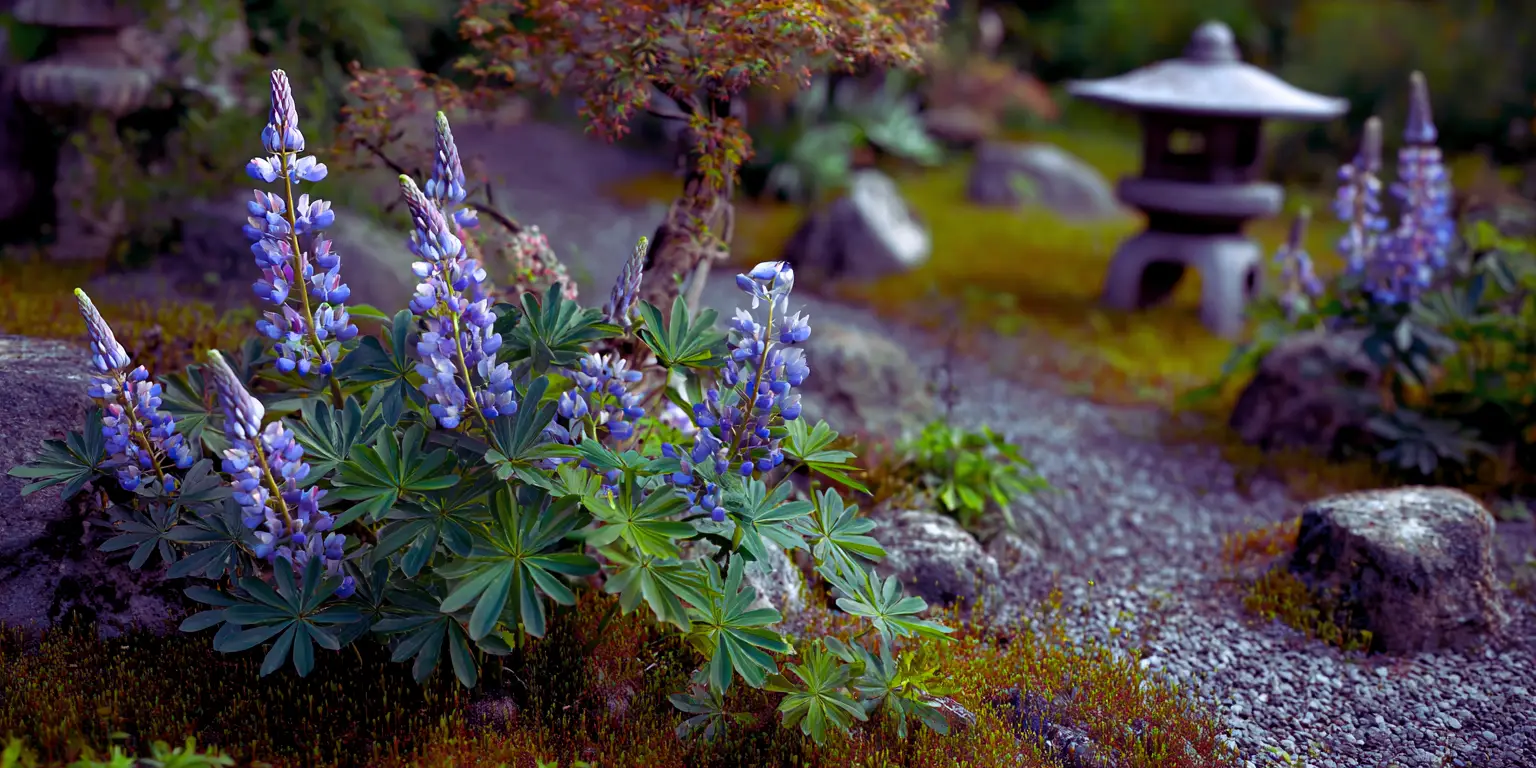
Lupinus perennis
Herbaceous perennial
At‑a‑glance
- Group/Class: Herbaceous perennial
- Height × spread: 8-24 in (20-60 cm) × 6-12 in (15-30 cm)
- Bloom window: May to June
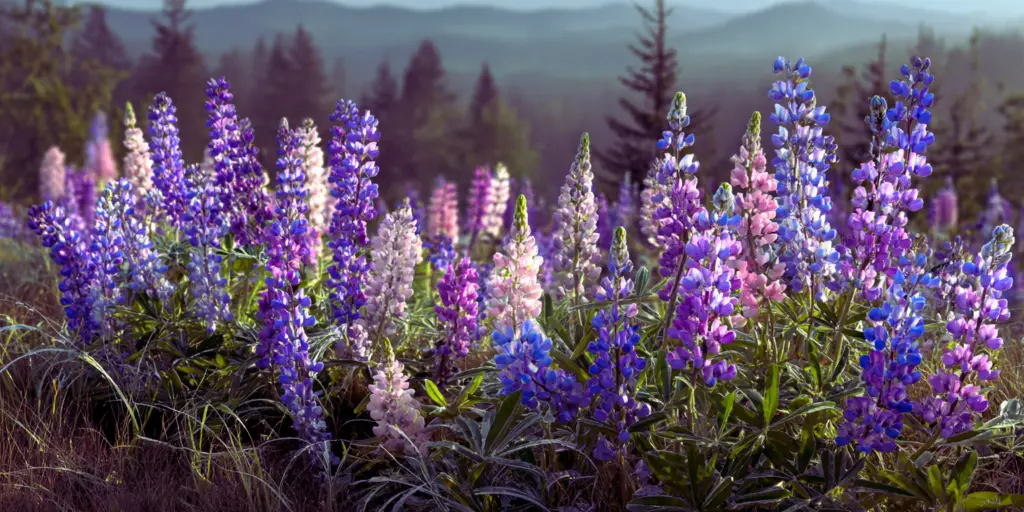
- Color & flower form: Blue to purple pea flowers on upright racemes; occasional white or pink
- Fragrance: 0 none
- USDA hardiness: unknown / varies by climate
- Breeder / Year / Origin: unknown, unknown, USA (native to eastern North America)
- Pet safety: avoid
How it differs
- Lower, more open plant than typical border lupines
- Prefers dry, sandy soils instead of richer garden loams
- Often flowers earlier in the season in cool climates
- Critical host plant value for conservation plantings
Strengths
- Supports specialist butterflies and many pollinators
- Good drought tolerance in sandy sites
- Low maintenance once established
- Long-lived in appropriately lean, well-drained soils
Care in one minute
Site: Full sun to light shade with open exposure
Soil and pH: Very well-drained, sandy or gravelly; slightly acidic to neutral
Watering: Low; allow soil to dry between rains
Feeding: Avoid fertilizers; excess nitrogen reduces longevity
Planting: Direct sow where it will grow; inoculate seed; avoid disturbing roots
Grooming: Deadhead only if reseeding is not desired
Watch‑outs
- Transplanting established plants often fails due to taproots
- Declines in heavy, compacted, or poorly drained soils
- Competes poorly with aggressive turf grasses
Best uses (tags)
Provenance note
Source-identified wild lupine has been released for habitat work in New York and the Great Lakes, reflecting the species’ conservation importance.
References
- USDA NRCS Plant Guide: Lupinus perennis
- Minnesota Wildflowers: Wild Lupine profile
- USFS FEIS: Lupinus perennis ecology and description
- S. Fish & Wildlife Service: Karner blue butterfly species page
Similar Flowers
Enjoying our flower guides? Add YourFlowersGuide as a preferred source on Google. It helps more readers find us.
Add to Preferred Sources