returns in
273
days
Bloom calendar
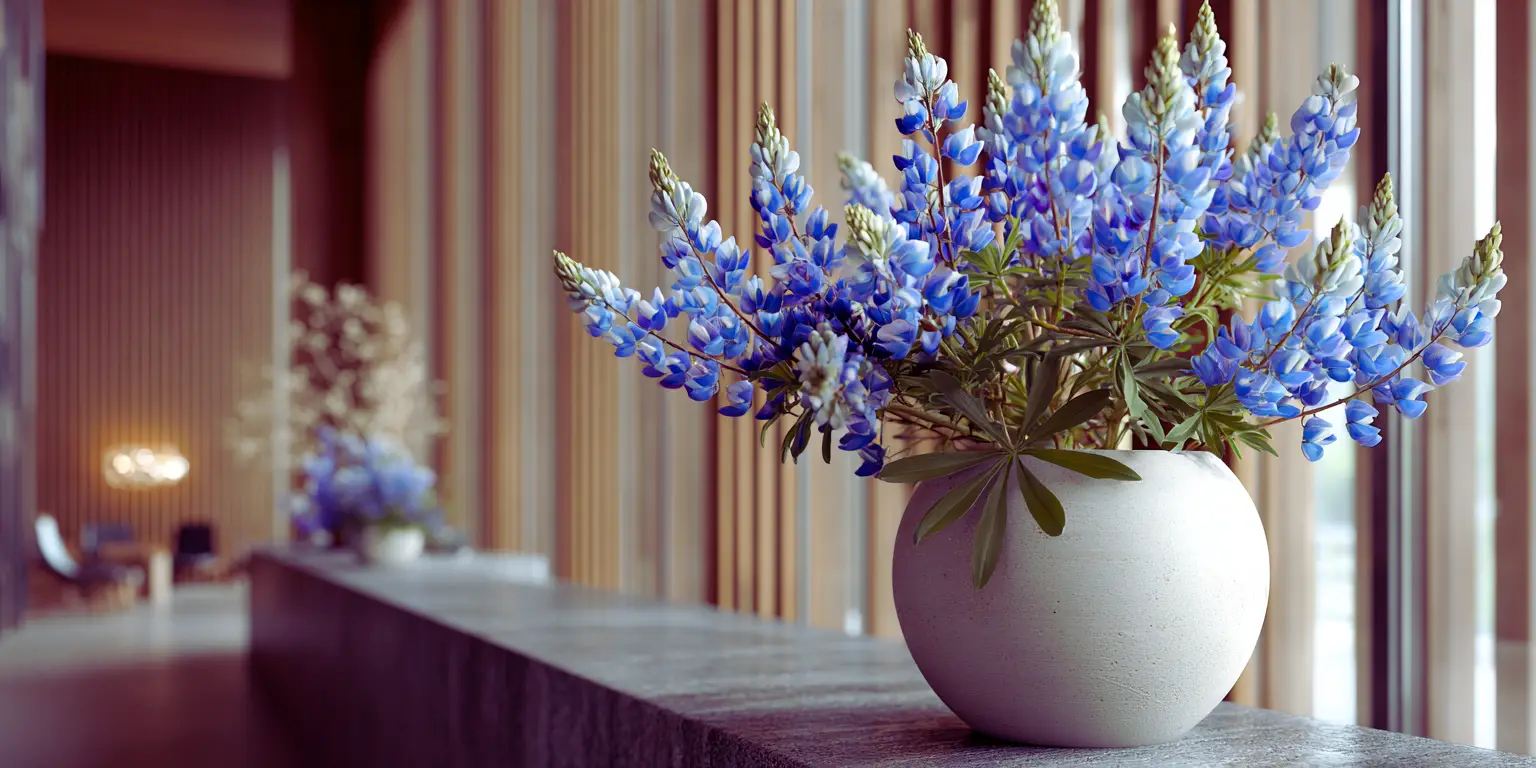
Lupinus texensis
Annual wildflower
At‑a‑glance
- Group/Class: Annual wildflower
- Height × spread: 12-24 in (30-60 cm) × unknown
- Bloom window: March to May
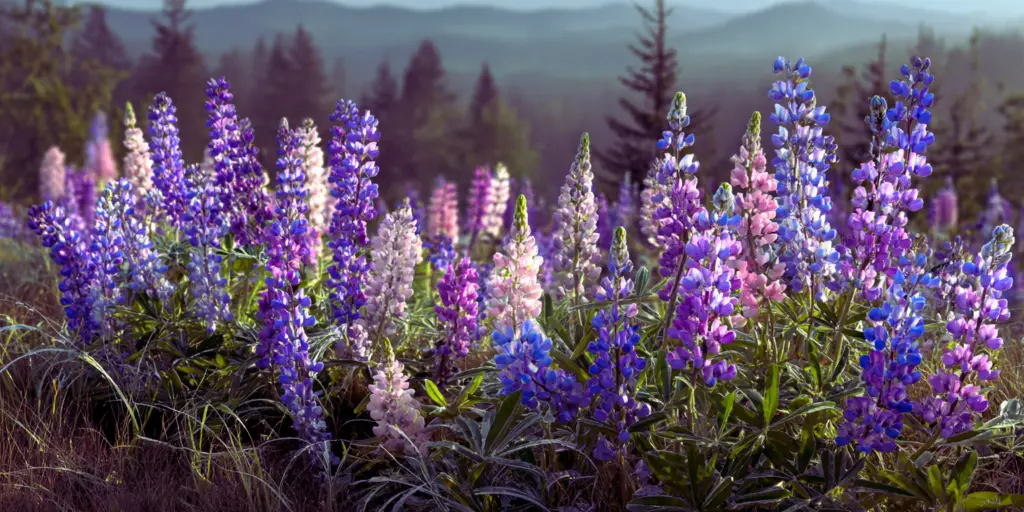
- Color & flower form: Blue spikes with white banner; dense racemes of pea-like flowers
- Fragrance: 0 none
- USDA hardiness: grown as annual in most regions
- Breeder / Year / Origin: unknown, unknown, USA (Texas)
- Pet safety: avoid
How it differs
- True annual that is fall-sown and winter-grown
- Thrives in alkaline, calcareous soils unlike many garden lupines
- Compact habit compared with tall perennial border lupines
- Handles heat but declines quickly with summer irrigation
Strengths
- Spectacular mass effect in spring
- Low input where soils are sunny and well-drained
- Reseeds to maintain displays
- Supports bees and other pollinators
Care in one minute
Site: Full sun and open exposure
Soil and pH: Well-drained, neutral to alkaline; avoid heavy clay unless raised
Planting: Sow September to mid-November at 1⁄8 to 1⁄4 in (3-6 mm) depth; press seed in
Watering: Lightly water for establishment; minimal irrigation after winter rains
Feeding: Not needed; inoculate seed for best nodulation
Grooming: Allow pods to mature for reseeding; mow only after seed drop
Watch‑outs
- Seedlings rot in heavy, wet, or compacted soils
- Poor performance in shade
- Late planting reduces bloom
Best uses (tags)
Provenance note
Designated the Texas state flower in 1901; highway seedings have popularized mass spring displays across the state.
References
- Lady Bird Johnson Wildflower Center: Lupinus texensis
- Texas A&M AgriLife Today: Bluebonnets in bloom overview
Similar Flowers

Enjoying our flower guides? Add YourFlowersGuide as a preferred source on Google. It helps more readers find us.
Add to Preferred Sources