returns in
273
days
Bloom calendar
Lupinus nanus
Annual wildflower
At‑a‑glance
- Group/Class: Annual wildflower
- Height × spread: 6-20 in (15-50 cm) × 6-20 in (15-50 cm)
- Bloom window: March to May
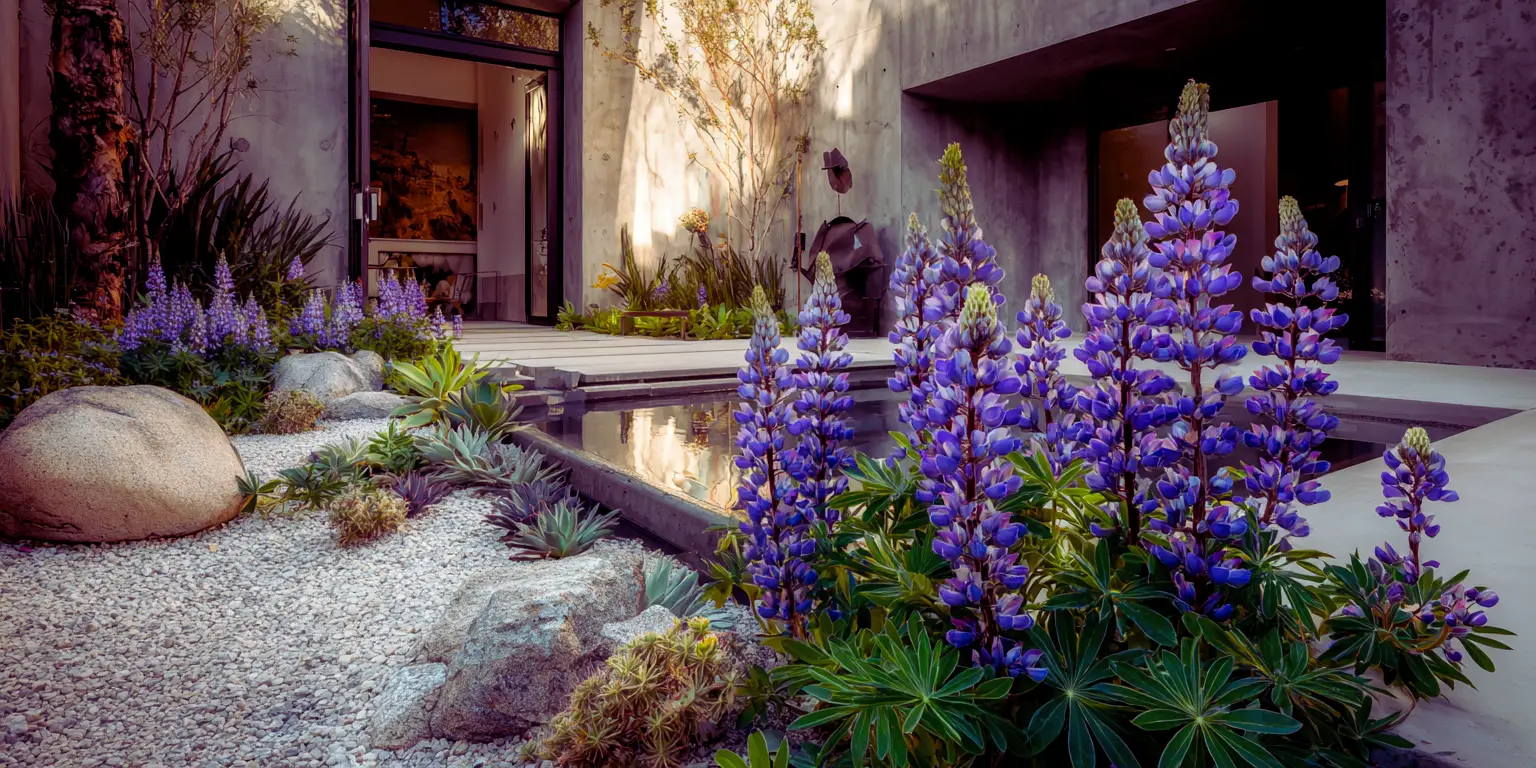
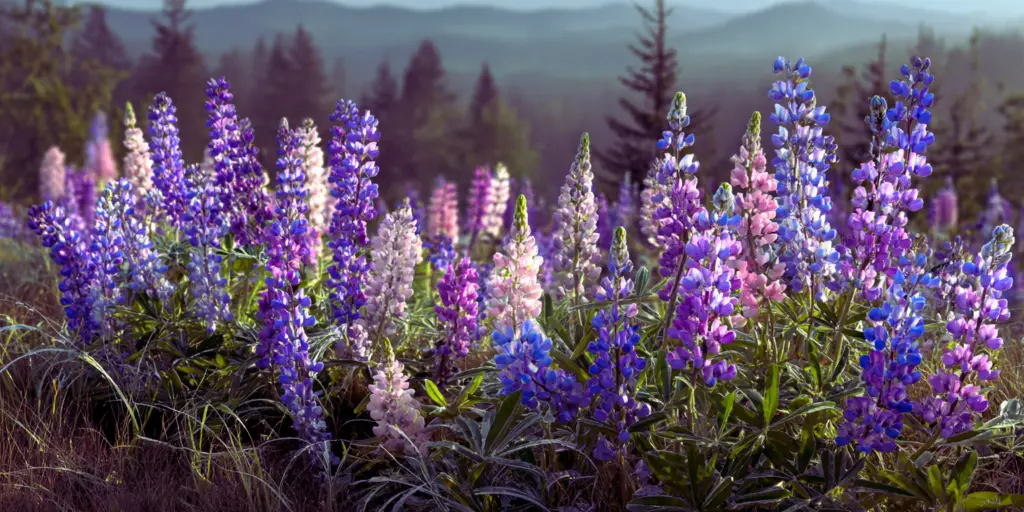
- Color & flower form: Sky blue to deep blue; short vertical racemes of pea-like flowers with a banner spot
- Fragrance: 2 noticeable
- USDA hardiness: grown as annual in most regions
- Breeder / Year / Origin: unknown, unknown, USA (California)
- Pet safety: avoid
How it differs
- Much shorter than border lupines, suiting small spaces and containers
- Noticeably fragrant for a lupine
- Finishes the season early as heat arrives
- Best on lean soils rather than enriched beds
Strengths
- Fast from seed to bloom
- Fragrance and nectar for pollinators
- Low water needs in cool season
- Self-sows to return modestly
Care in one minute
Site: Full sun with open exposure
Soil and pH: Very well-drained, lean soils; neutral to slightly acidic
Planting: Direct sow in fall in mild areas or early spring elsewhere; press seed to soil
Watering: Light water for establishment; then minimal irrigation
Feeding: Do not fertilize; inoculate seed if soil lacks rhizobia
Grooming: Allow some pods to ripen if reseeding is desired
Watch‑outs
- Short bloom season
- Declines with summer irrigation or rich soils
- Seedlings need sharp drainage to avoid damping-off
Best uses (tags)
Provenance note
Native across much of California below about 4,300 ft, where it colors spring hillsides and roadsides.
References
- Lady Bird Johnson Wildflower Center: Lupinus nanus
- Calflora: Lupinus nanus taxon report
- Calscape: Lupinus nanus profile
Similar Flowers
Enjoying our flower guides? Add YourFlowersGuide as a preferred source on Google. It helps more readers find us.
Add to Preferred Sources