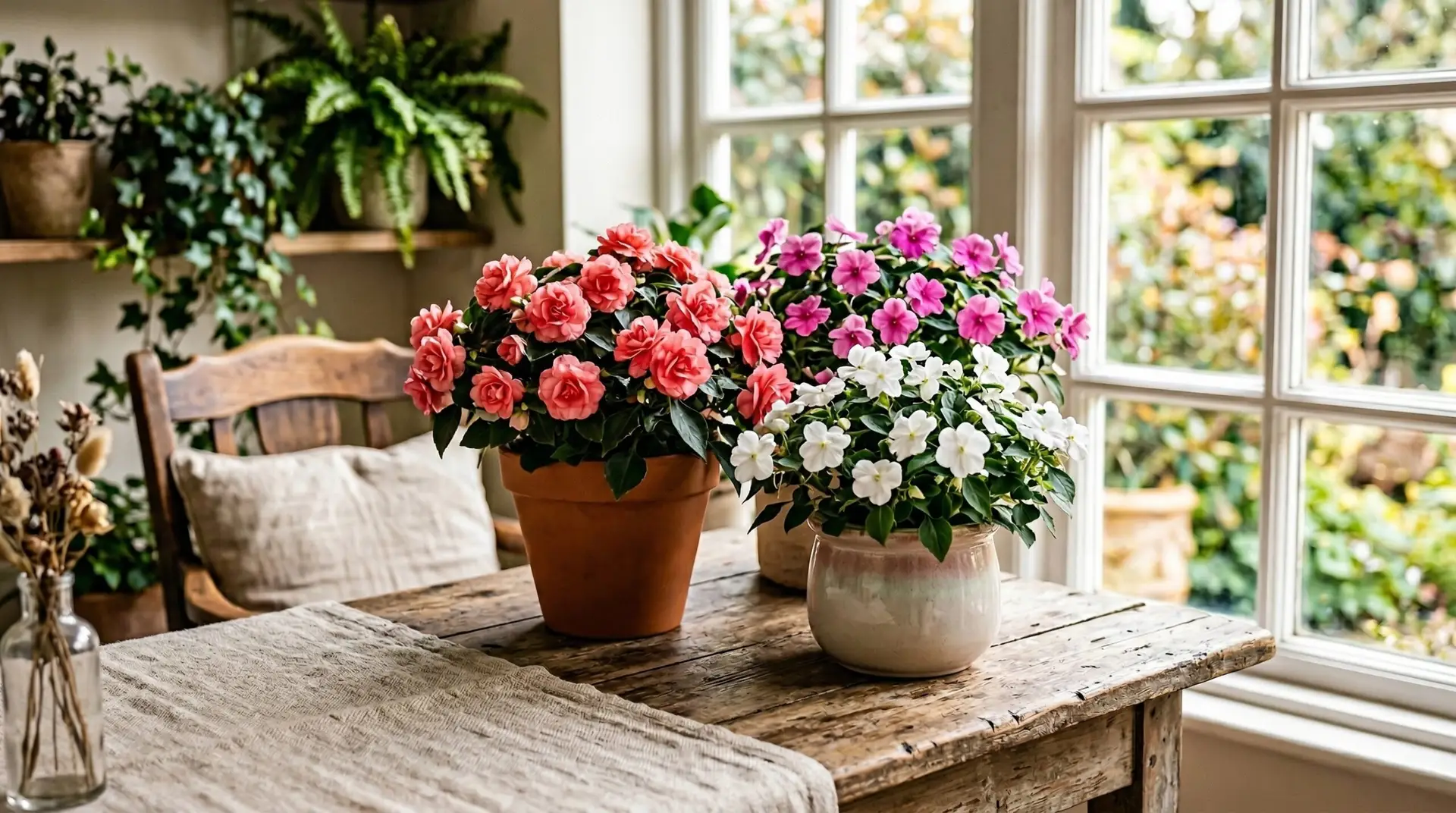
I walked out to the northern edge of the patio just after dawn today, and the air still carried the heavy, mineral scent of overnight rain. The oak canopy above keeps this corner cast in deep shadow, making it a difficult place to coax blooms into opening. Yet, spilling over the edge of a weathered terracotta pot, a cluster of flowers caught the pale, gray morning light. At first glance, you would swear I had somehow managed to grow a classic rose in complete darkness. The petals are tightly furled in the center, overlapping in soft, papery layers that gradually unfurl outward to form a perfect cup. These are double impatiens, a remarkable variation of the familiar shade bedding plant that transforms a simple container into something entirely unexpected. They hold the dew exactly like their namesakes, trapping tiny spheres of water between their dense, velvety folds. I wish you could trace your fingers over them to feel the surprising weight of these blossoms against the delicate, translucent stems that support them.
The illusion of miniature roses in deep shade
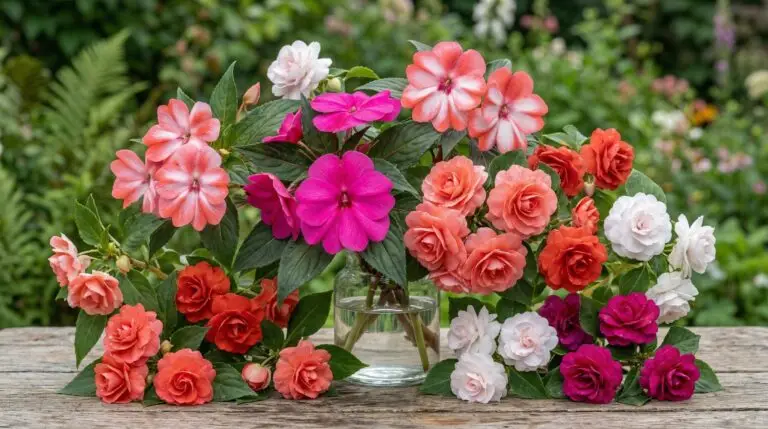
The transformation from a flat, single petal to this complex rosette is an absolute marvel of plant breeding. When you look closely at rose-like impatiens, the sheer volume of petals creates a visual depth that draws the eye straight into the hidden heart of the flower. The Fiesta series produces blooms that sit like tightly spun silk knots against the dark green foliage. Their leaves have a slight waxy sheen that catches whatever ambient light manages to filter down through the dense tree canopy above. Beside them, the Musica series varieties offer slightly larger, looser blooms that resemble antique garden roses just before they drop their heavy petals. Both of these double impatiens varieties possess a delicate, almost fragile appearance, yet they hold up surprisingly well under the thick, humid air of midsummer. You can brush your hand over the top of the plant and feel the cool, smooth surface of the leaves contrasting with the soft, ruffled crowns of the flowers. It is a highly tactile experience that makes tending to this quiet corner of the yard feel incredibly rewarding and intimate.
Colors that glow when the sun hides
Because these plants thrive away from direct sun, their colors take on a luminous, glowing quality in the muted light of a shade garden. There is a specific blush pink variety that mirrors the exact shade of the sky just before the sun breaks over the morning horizon. In the late afternoon, when the shadows stretch long and blue across the damp lawn, these pale pink blooms seem to generate their own soft light from within. Other double impatiens come in a saturated magenta that photographs almost purple, absorbing the deep shadows into their tightly folded centers. You will also find pure whites that stand out like scattered pearls against the dark, black earth of the garden bed. Unlike a sun-loving tuberous begonia that might bleach or crisp under harsh rays, these flowers retain their rich saturation from the moment they open until they finally fade and drop. The green of their foliage provides the perfect dark canvas, a deep, cool emerald that makes every single blossom pop with startling, immediate clarity.
Designing with texture and shadows
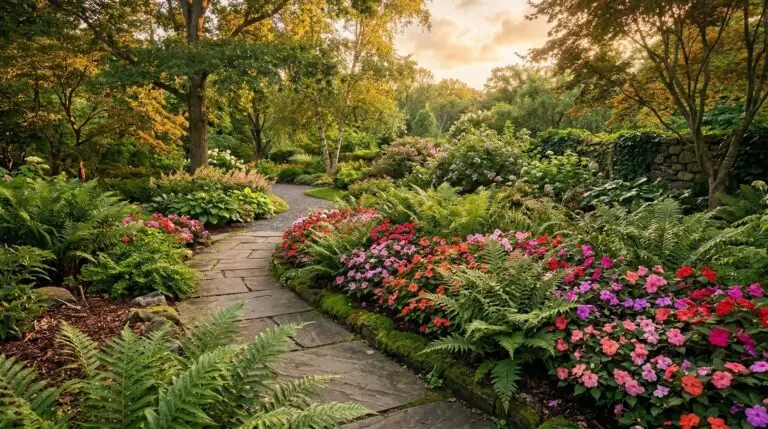
Finding the right companions for these blooms involves looking closely at the shapes and textures already growing in your shaded beds. The soft, rounded form of rose-like impatiens demands a sharp, structural contrast to truly stand out against the gloom. I often place their terracotta containers next to ferns with fronds that feel like rough lace, allowing the jagged green edges to frame the smooth, perfectly arranged petals. You might also set them near the broad, corrugated leaves of hostas, running your fingers over those deep green ridges before touching the delicate impatiens blooms. This extreme contrast highlights the sheer impossibility of such a complex, heavily petaled flower thriving in a spot that receives only dappled, indirect light. When the wind moves through the yard, the heavy impatiens blossoms sway with a slow, deliberate rhythm, while the lighter fern fronds flutter frantically beside them. It creates a mesmerizing visual dance that brings an otherwise still and quiet shade garden completely to life.
Planting for the perfect trailing display
Growing these miniature floral sculptures requires paying close attention to the earth you press their fragile, pale roots into. You will know the soil is right when it feels like a wrung-out sponge in your bare hand, holding essential moisture but never weeping excess water. I like to mix a generous handful of dark, crumbly leaf mold into the potting mix, breathing in that rich, earthy fragrance of decay and renewal before settling the young plants in. They are particularly suited for hanging baskets and tall urns where their heavy, layered blooms can spill over the edges without ever touching the muddy ground. As the stems grow, they take on a pale, almost glass-like appearance, swelling with water and bending gracefully under the sheer weight of the double flowers. When you water them, you must aim the spout of the watering can directly at the soil line, listening to the soft hiss of the dry earth drinking in the moisture. Keeping the water off the delicate petals prevents them from sticking together or browning at the edges, ensuring the layered rosette shape remains absolutely pristine.
A quiet presence through the changing seasons
The character of this plant shifts beautifully as the weather changes around it throughout the long growing year. On mornings thick with heavy summer fog, the saturated colors of the double impatiens emerge from the gray mist like small, glowing beacons. When a torrential rain finally breaks the stifling August heat, the flexible stems bow low, nodding under the weight of the water until the sun returns to dry their papery layers. As autumn slowly approaches and the nights grow noticeably cooler, the foliage takes on a slightly darker, bruised tint, signaling the inevitable end of their season. The final blooms of the year are often the most poignant, opening slowly in the crisp air and holding their perfectly cupped shape for days on end. I often find myself lingering by their pot in the fading evening light, watching the white and pale pink varieties float above the deepening shadows. They leave you with the lingering image of tiny, perfect roses sleeping quietly in the darkest corner of the garden, waiting for the frost.
More About Impatiens
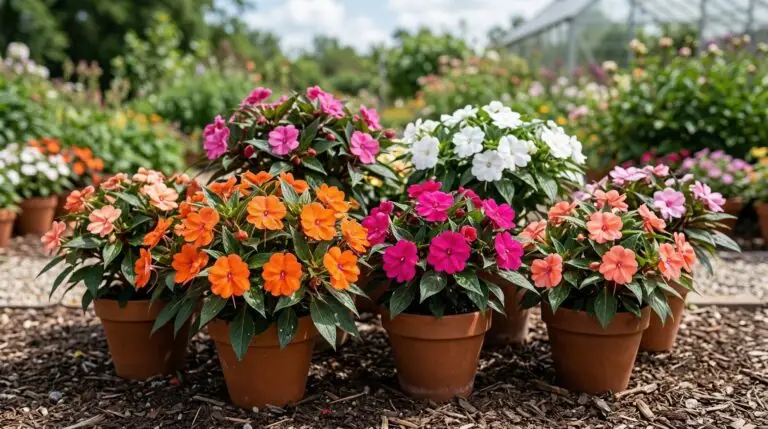
SunPatiens versus regular impatiens and which one handles sun and heat
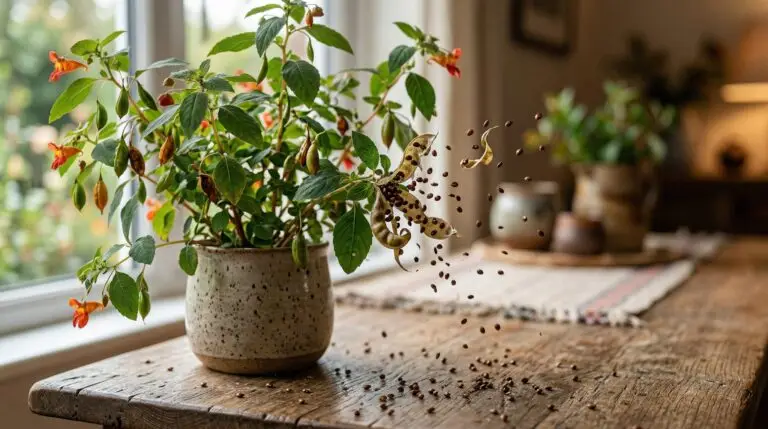
How impatiens seed pods explode and the fun of growing touch-me-nots from seed
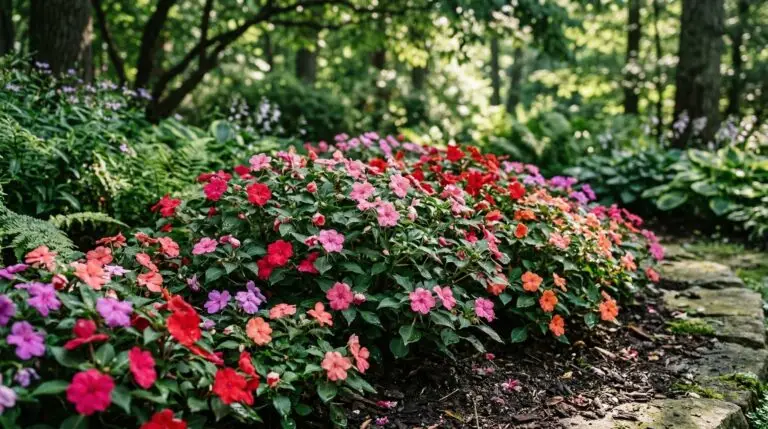
How to grow impatiens for non-stop color in shady spots where nothing else blooms
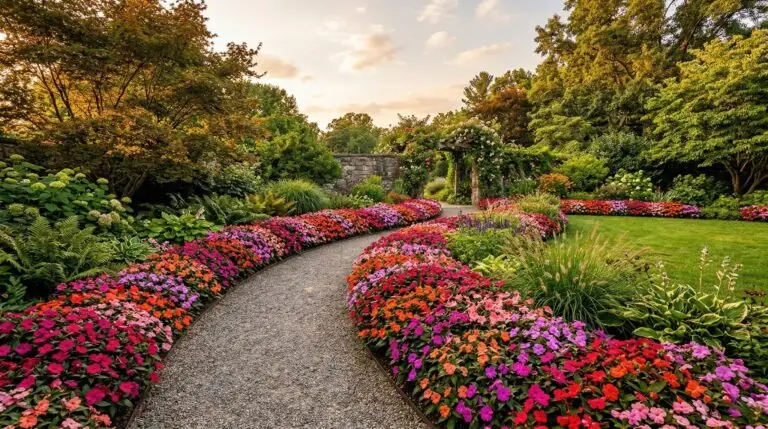
Mass planting impatiens for dramatic sweeps of color under trees and along walkways
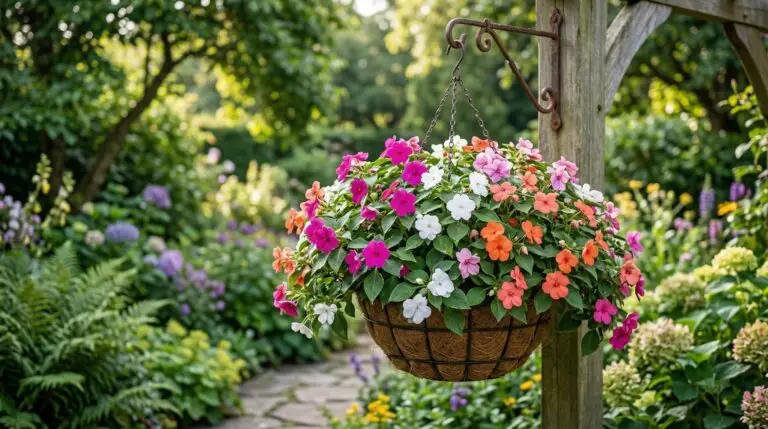
Growing impatiens in hanging baskets for cascading color on porches and patios
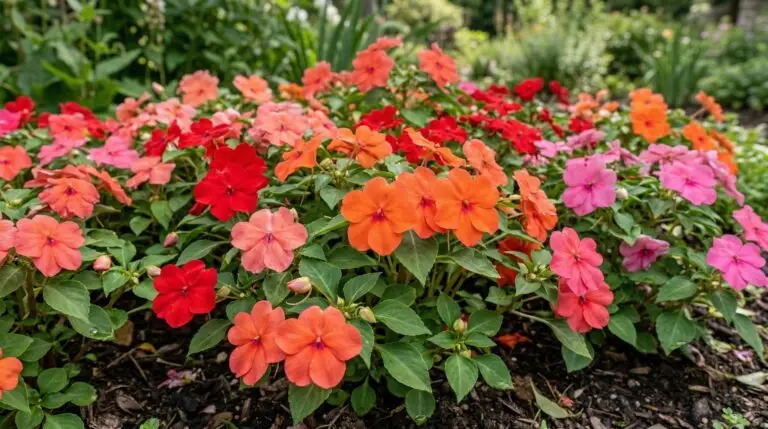
Best impatiens varieties from classic walleriana to exotic New Guinea hybrids
Companion plants for impatiens: what to grow, what to avoid
New Guinea impatiens for bigger bolder flowers with colorful foliage in partial shade