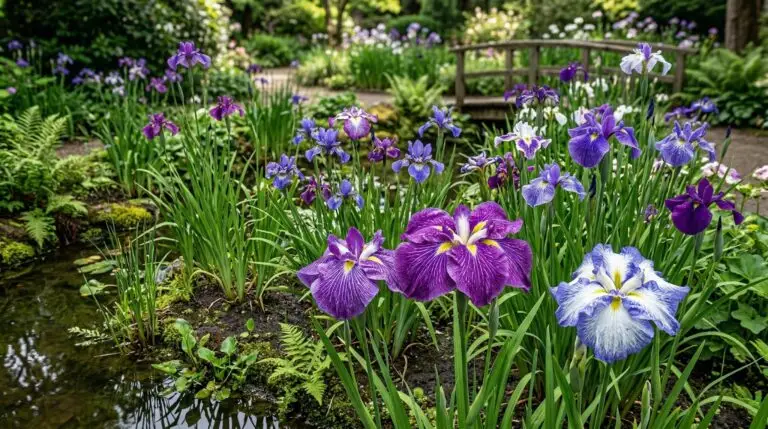
When you dig into the soil around a mature clump of Iris sibirica, you immediately notice a distinct architectural departure from the fleshy, sun-baking rhizomes most gardeners associate with irises. Instead of a thick, starchy tuber sitting on the soil surface, the Siberian iris produces a dense, almost impenetrable mat of fibrous roots anchored to slender, woody rhizomes entirely hidden underground. This structural adaptation evolved in the damp, grassy meadows of central Europe and northern Asia, where the plant had to compete aggressively for space and nutrients. The evolutionary choice to build a tough, subterranean root network rather than a surface-level storage organ fundamentally alters how this plant behaves in cultivation. It creates an exceptionally easy iris that thrives without the constant division, precise planting depth, and disease management required by its more demanding relatives.
Evolutionary adaptations for the damp meadow
The native habitat of the Siberian iris required it to survive alongside tall grasses and competing meadow flora in soils that remained consistently moist through the spring. To capture sunlight in this crowded environment, the plant developed narrow, upright foliage that mimics the surrounding grasses. This vertical orientation allows light to penetrate deep into the clump, maximizing photosynthetic efficiency across the entire leaf surface rather than just the top canopy. Understanding this origin explains why Siberian iris care differs so sharply from the cultivation of a Bearded Iris, which demands excellent drainage and exposed rhizomes to prevent bacterial soft rot. The Siberian species naturally prefers consistent moisture, particularly as it forms its flower buds, though its deep, fibrous root system eventually makes established clumps highly tolerant of dry summer spells.
The most significant advantage of this woody, fibrous anatomy is its complete lack of appeal to the iris borer moth. The larvae of this moth require soft, fleshy, starch-filled rhizomes to feed on and complete their life cycle, making surface-dwelling irises their primary target. The slender, tough rhizomes of the Siberian iris offer no such sustenance, rendering the plant biologically immune to the most destructive pest in the iris grower’s world. This natural resistance eliminates the need for preemptive chemical treatments or the tedious late-summer inspections that accompany the cultivation of other species. The gardener is left with a highly resilient perennial that quietly expands its territory year after year without inviting disaster.
Floral architecture and pollinator mechanics
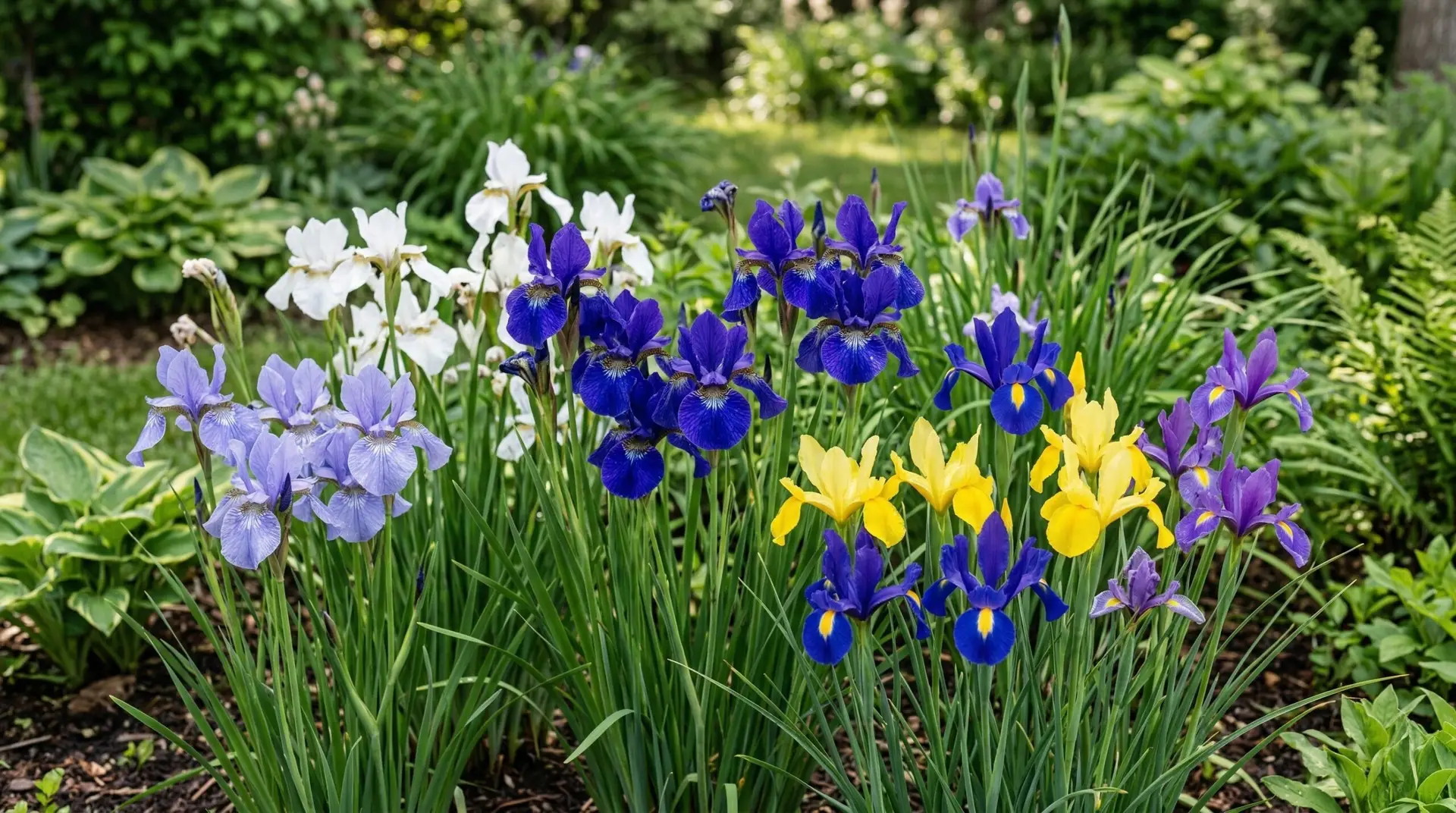
The flowers of the Siberian iris possess a specialized, highly evolved architecture designed primarily to attract and accommodate bumblebees. Each blossom is constructed of three upright petals called standards and three downward-curving sepals known as falls. These falls function as literal landing pads for heavy insect visitors, providing a stable platform where the bee can rest while it searches for nectar. At the base of each fall sits a contrasting patch of color called a signal, which acts as a visual runway guiding the pollinator directly beneath the reproductive structures hidden under the style arms. As the bee pushes its way inward, it brushes against the anthers and stigma in a precise sequence that ensures cross-pollination without self-fertilization.
Plant breeders have spent decades working with these natural genetics to produce reliable, heavily blooming varieties for the modern garden border. The classic cultivar ‘Caesar’s Brother’ remains a standard of excellence, producing deep violet-purple flowers with intricate white and gold signals that perfectly demonstrate this pollinator-guiding biology. A more recent genetic variation resulted in the popular ‘Butter and Sugar’, a variety that utilizes a mutation to produce crisp white standards above lemon-yellow falls. These breeding advancements have expanded the available color palette while carefully maintaining the original species’ characteristic vigor, disease resistance, and structural elegance. Both of these varieties form substantial, floriferous clumps that require almost no intervention to produce dozens of blooms each spring.
Photosynthetic efficiency and seasonal transitions
The biological utility of the Siberian iris extends far beyond its brief, intense blooming period in late spring. Many spring-flowering perennials expend so much energy on reproduction that their foliage degrades, leaving a ragged hole in the summer garden design. The Siberian iris maintains its grass-like foliage upright and green through the entire growing season, utilizing specialized cells that regulate water loss during high heat. This continuous photosynthetic activity keeps the plant fueled and actively storing energy in its root system long after the flowers have faded. The vertical texture provides a necessary visual contrast in the border, breaking up the mounding habits of a neighboring Geranium or complementing the arching leaves of a late-season Daylily.
As autumn approaches and daylight hours decrease, the plant initiates a complex biological shutdown sequence that creates a second season of interest. The iris begins to draw chlorophyll back down into its rhizomes to store the valuable nitrogen and magnesium for the following year. This systematic withdrawal unmasks the underlying carotenoid pigments in the leaf tissue, turning the entire upright clump a distinctive shade of rusty gold or warm bronze. The rigid cellular structure of the leaves keeps them standing tall even after they have completely senesced, providing architectural interest and habitat for beneficial insects well into the winter months. Leaving this dormant foliage in place until early spring protects the crown from severe freeze-thaw cycles while adding structural beauty to the sleeping garden.
Practical cultivation rooted in biology
Because the root system is incredibly dense and self-sustaining, a mature clump of Siberian iris can grow undisturbed in the same location for a decade or more before the center finally exhausts its soil nutrients and begins to die out. When division eventually becomes necessary, the gardener must use a sharp spade or axe to slice straight through the woody core of the plant. This impenetrable core is exactly what protects the plant from soil-borne pathogens and competing weed seeds, acting as a physical barrier against invasion. Understanding the plant’s origins in slightly acidic, damp meadows explains why applying a thick layer of organic compost or pine needle mulch produces such excellent results. The decomposing mulch mimics the natural leaf litter of its native habitat, keeping the root zone cool, retaining moisture, and slowly lowering the soil pH to the plant’s preferred level.
The true genius of Iris sibirica lies in its highly specialized overwintering strategy, which becomes visible if you inspect the base of the plant in late November. If you part the dormant, golden foliage at the soil line, you will find tightly wrapped, bullet-like shoots already fully formed and waiting for spring. These pre-formed shoots sit completely exposed to freezing temperatures, ice, and snow, protected internally by specialized anti-freeze proteins synthesized within their cellular tissue. They wait patiently in a state of suspended animation, ready to launch into rapid cellular expansion the moment the soil temperature rises above freezing. Observing these tiny, resilient green spears surviving the dead of winter changes how you view this plant, revealing a masterclass in evolutionary preparation and quiet botanical endurance.
More About Irises
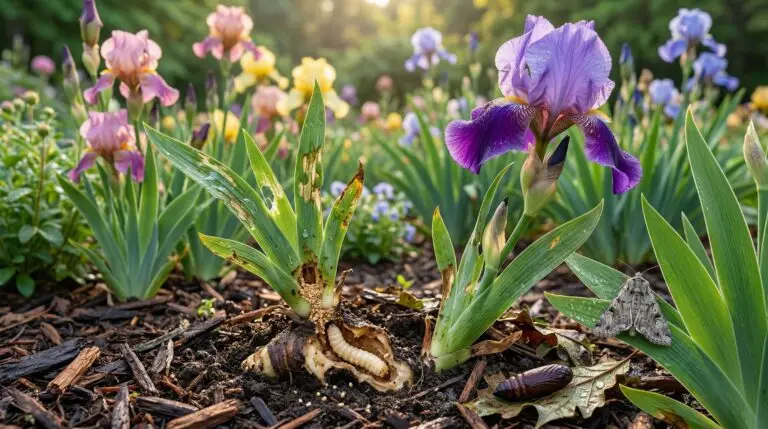
Iris problems from borers to rot and keeping your iris collection healthy
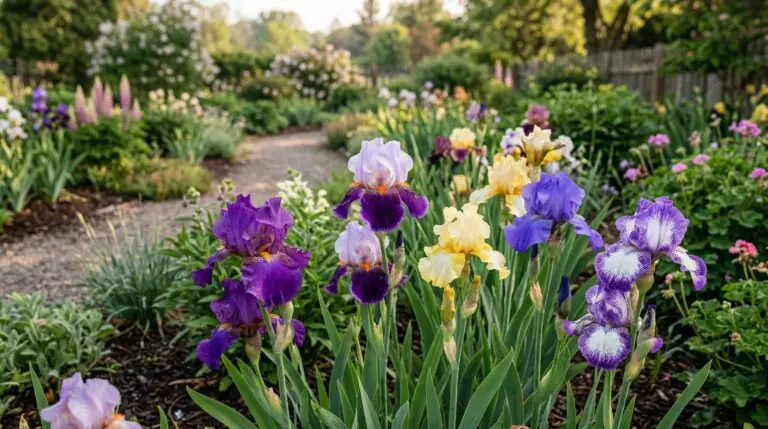
How to grow irises for elegant sword-leaved plants and flowers in every color of the rainbow
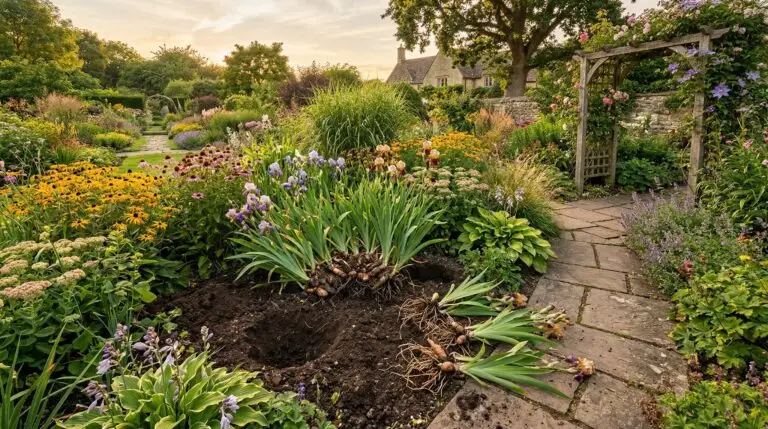
Dividing and transplanting irises at the right time for healthy plants and more blooms
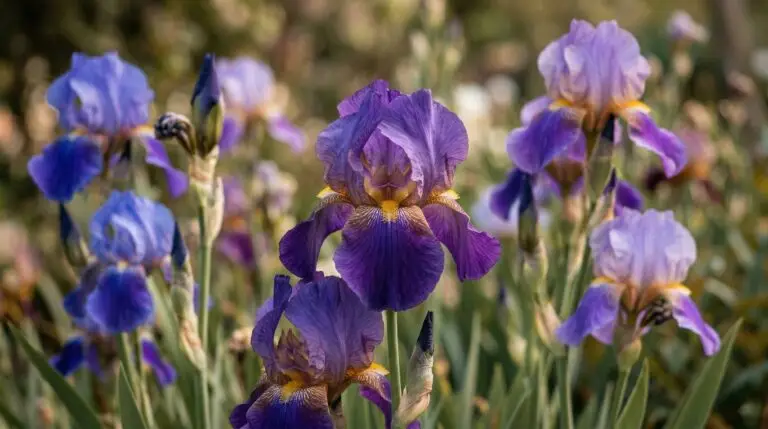
Iris flower meaning and why the rainbow goddess gave this flower its name
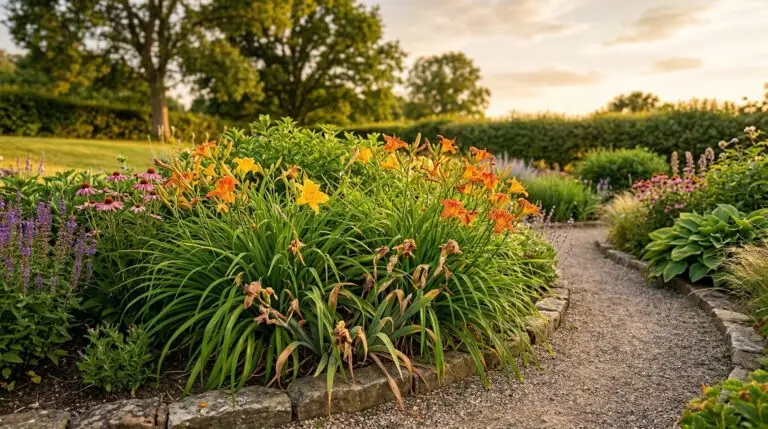
Companion plants for irises that extend the beauty after iris bloom season ends
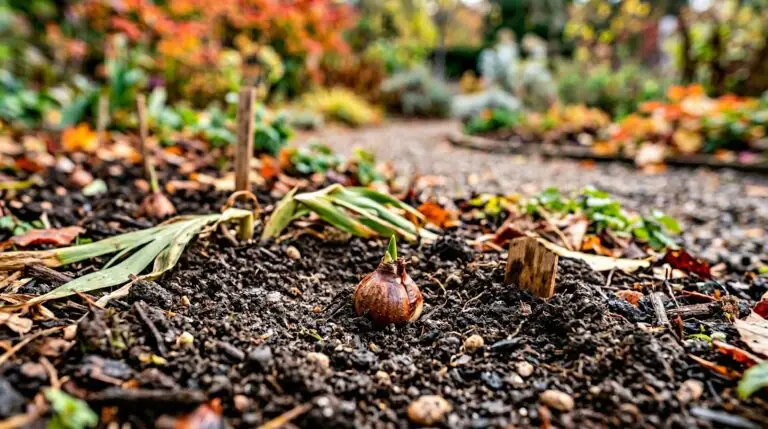
Dutch iris bulbs for spring cutting gardens and the easiest iris to grow in bouquets
Miniature and dwarf iris for rock gardens and early spring color at ground level
Louisiana iris for southern gardens and warm humid climates where bearded iris fails