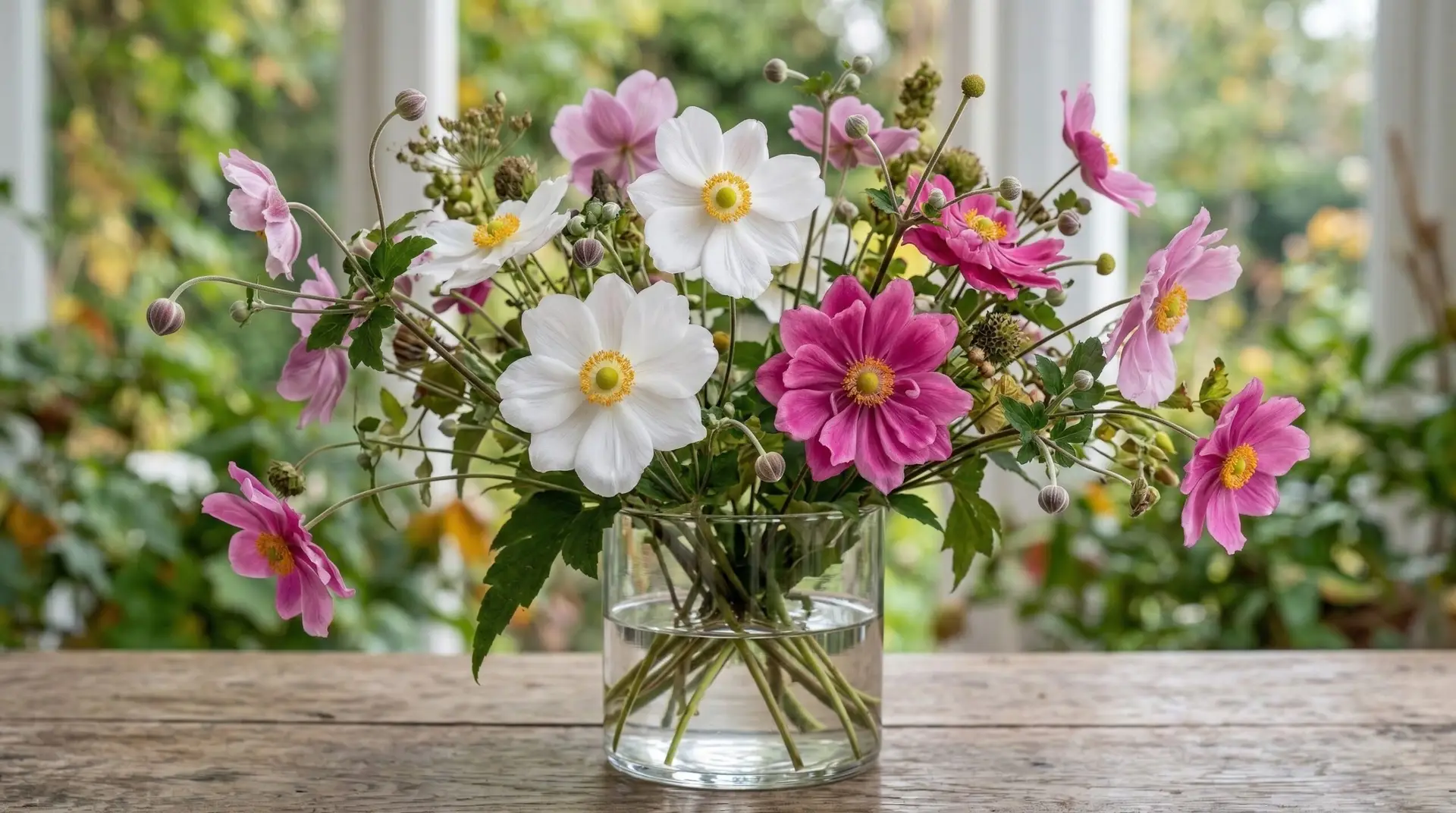
I wait all summer for the Japanese anemone to finally make its move. While the rest of the garden is exhausted from the August heat, these plants are just waking up and pushing tall, wiry stems into the cooling air. The anticipation builds for weeks as the tight, round buds hover above the foliage like little pearls. I find myself checking on them daily, watching the buds swell and take on a faint tint of color. When they finally open, the single or double saucer-shaped flowers bring a fresh, delicate energy to a season usually dominated by heavy, saturated colors. Seeing that first white or soft pink petal unfurl in September is one of the most satisfying moments of the gardening year. It feels like a second spring has arrived right before the frost.
The botanical name Anemone hupehensis covers a wide range of these fall-blooming beauties, though many we grow are actually complex hybrids. They spend the first half of the year as unassuming mounds of deeply lobed, dark green basal leaves. You might even forget they are there, tucked quietly behind early summer perennials that demand all the attention. Then, seemingly overnight in late July, the flower stalks begin their ascent, reaching anywhere from two to five feet tall depending on the variety. The stems look impossibly fragile, yet they sway in the strong autumn winds without snapping. This graceful movement adds a dynamic layer to the garden just as other plants are turning brown and rigid. It is this combination of delicate appearance and structural toughness that makes them so rewarding to grow.
Choosing varieties with distinct personalities
Over the years, I have grown quite a few varieties, and each one brings a slightly different character to the border. My absolute favorite remains ‘Honorine Jobert’, a classic white single flower with a bright yellow center that has been grown since the nineteenth century. It reaches about four feet tall in my garden and absolutely glows in the fading evening light. The pure white petals provide a clean contrast to the fading browns and yellows of autumn foliage, acting as a visual palate cleanser. It does take a year or two to settle in and establish its roots, but once it feels at home, it becomes a reliable anchor for the late-season garden. Watching the bees work those bright yellow stamens on a cool October afternoon is a quiet joy. I have found it to be one of the longest-blooming perennials in my entire collection.
For a wash of color, I always make room for the pink varieties, though they require careful placement to avoid clashing with other fall blooms. ‘September Charm’ is a vigorous grower with single, silvery-pink flowers that appear slightly darker on the back of the petals. It is incredibly floriferous, often producing dozens of blooms on a single mature clump, but it is also one of the most aggressive spreaders I grow. If you want something a bit more contained and deeply colored, ‘Pamina’ is an excellent alternative. It stays closer to two or three feet tall and produces semi-double flowers in a rich, saturated rose-pink. The shorter stature makes ‘Pamina’ much easier to place near the front of a border where the taller types would block the view. The double layers of petals give the flowers a ruffled, substantial look that holds up well during heavy autumn rainstorms.
Understanding their wandering nature
My enthusiasm for the autumn anemone comes with a necessary warning about how these plants behave below the ground. They spread by shallow, fibrous rhizomes, and a happy plant will absolutely try to colonize its immediate surroundings. I have lost smaller, weaker perennials because an anemone decided to march right over them during the spring growth flush. You have to be willing to pull up the wandering shoots in early spring to keep the clump contained within its designated space. Sometimes a piece of root breaks off during transplanting, and a surprise seedling will pop up in the middle of a pathway a year later. I actually enjoy these rogue plants, but gardeners who prefer strict, orderly borders might find this wandering habit frustrating. Learning to edit the wandering shoots is simply part of the relationship you build with this plant.
Finding the right spot for them involves balancing their need for moisture with their preference for good drainage. They thrive in partial shade, especially areas that receive morning sun and protection from the hot afternoon glare. If you plant them in full sun, the foliage will often crisp around the edges by August, right when the plant should be looking its best. They also despise winter wet, so planting them in a heavy clay spot that collects water will usually cause the crowns to rot before spring. I amend their planting holes with plenty of leaf mold to hold moisture during the summer without creating a bog in the winter. Getting this balance right is the difference between a sparse, struggling plant and a massive, flowering clump. Once you find that sweet spot in the garden, they require very little supplemental care beyond a yearly mulch.
Building a late season community
The true magic of the fall anemone emerges when you pair it with the right companions to carry the garden through the first frost. Because anemones have such airy, delicate flowers, they look best when contrasted with plants that offer solid, weighty textures. I love planting them alongside a late-blooming chrysanthemum, especially those with deep bronze or rusty red tones that ground the floating white or pink anemone blooms. The dense, mounding habit of the mums hides the sometimes ragged lower leaves of the anemone stalks. It creates a complete visual picture that feels distinctly autumnal without relying entirely on foliage color. The contrast in bloom shapes also ensures that the border remains visually interesting even on overcast days.
You can also lean into the wilder, meadow-like aesthetic by mixing them with native late-season bloomers. The tall, purple wands of an aster make a beautiful backdrop for the pale pink cups of ‘September Charm’. The contrasting flower shapes, the tiny daisy-like aster blooms against the large, open anemone saucers, keep the eye moving across the garden. For a brighter combination, the arching yellow plumes of goldenrod provide a brilliant textural contrast to the smooth anemone petals. These combinations attract an enormous number of late-season pollinators, turning that section of the garden into a hive of activity just before the cold weather sets in. Watching the bumblebees move slowly from the goldenrod spikes to the wide anemone faces is a perfect way to spend an autumn afternoon.
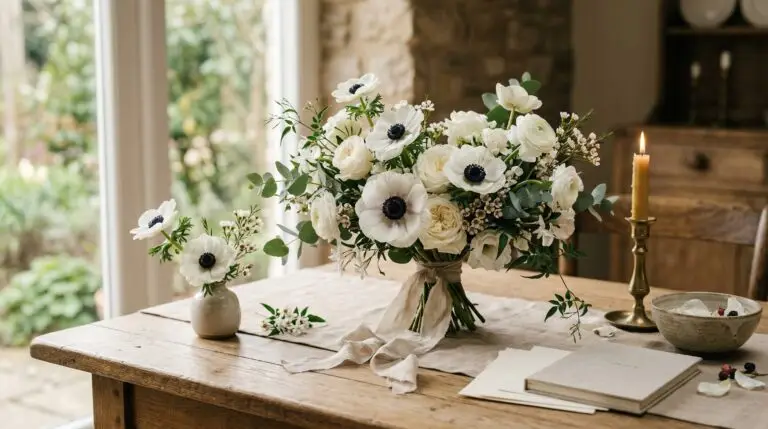
Even with their aggressive roots and their specific soil demands, I cannot imagine gardening without these late-blooming perennials. Bringing a few stems indoors for a simple vase arrangement is one of my favorite autumn rituals. The cut flowers last for days, and the round, pearl-like buds will often open right on the kitchen table if given fresh water. They demand patience through the long summer months, asking you to trust that they will perform when the time is right. When the air turns crisp and those tall stems finally break into flower, they completely transform the mood of the garden. They are a reminder that the growing season is not over yet, and that kind of late-season energy is exactly what keeps me planting them year after year. I will gladly pull up a few wandering shoots every spring just to experience that September magic.
More About Anemone
How to plant anemone corms in fall for a spectacular spring flower display
How to grow anemones in containers for a colorful spring balcony garden
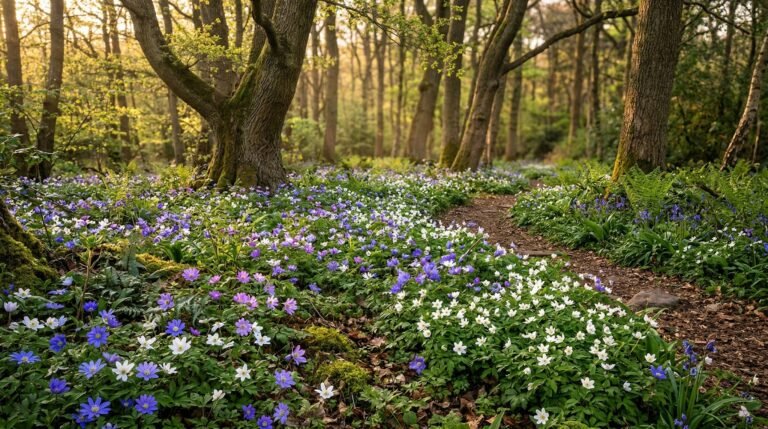
Naturalizing anemones in woodland gardens for wild-looking spring carpets
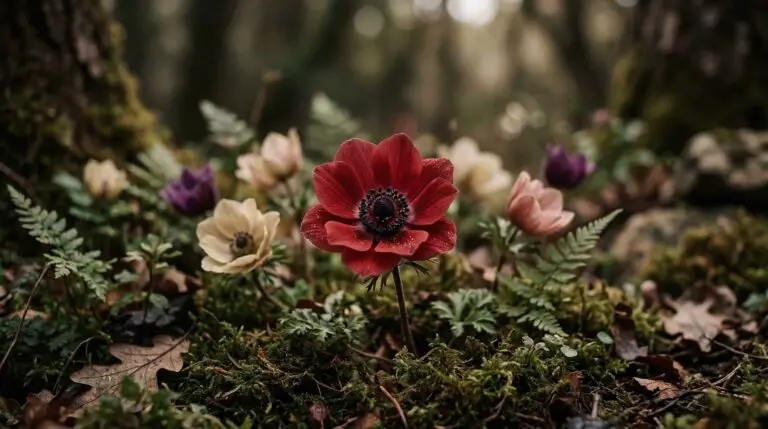
Anemone flower meaning and the mythological story behind the windflower
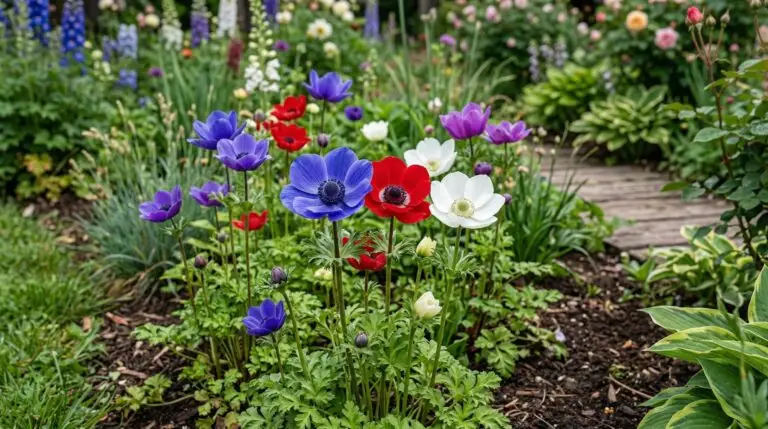
Growing anemones as cut flowers for endless spring and fall arrangements
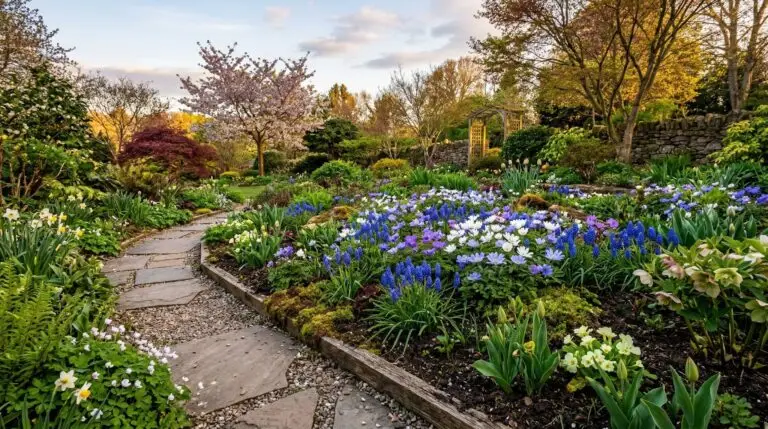
Anemone and ranunculus planted together for the ultimate spring flower garden
Why your anemone corms did not sprout and how to succeed next time
Anemone meaning, from anticipation and protection to forsaken love