Gardeners often come to me completely baffled about why their reliable shade flowers suddenly collapsed into a pile of bare stems and mush. For decades, standard impatiens were the absolute default choice for brightening up dark corners of the yard. Then a few years ago, a massive wave of impatiens downy mildew swept through neighborhoods and wiped out entire garden beds in a matter of days. People thought they forgot to water, or maybe they watered too much, but the truth was a highly aggressive water mold had taken over. If you have experienced this rapid meltdown in your own yard, you are dealing with a specific disease that changed how we have to plant shade gardens. Plant breeders have finally caught up with the problem, and you can safely grow these plants again if you know exactly what to look for at the nursery.
Recognizing the signs of downy mildew
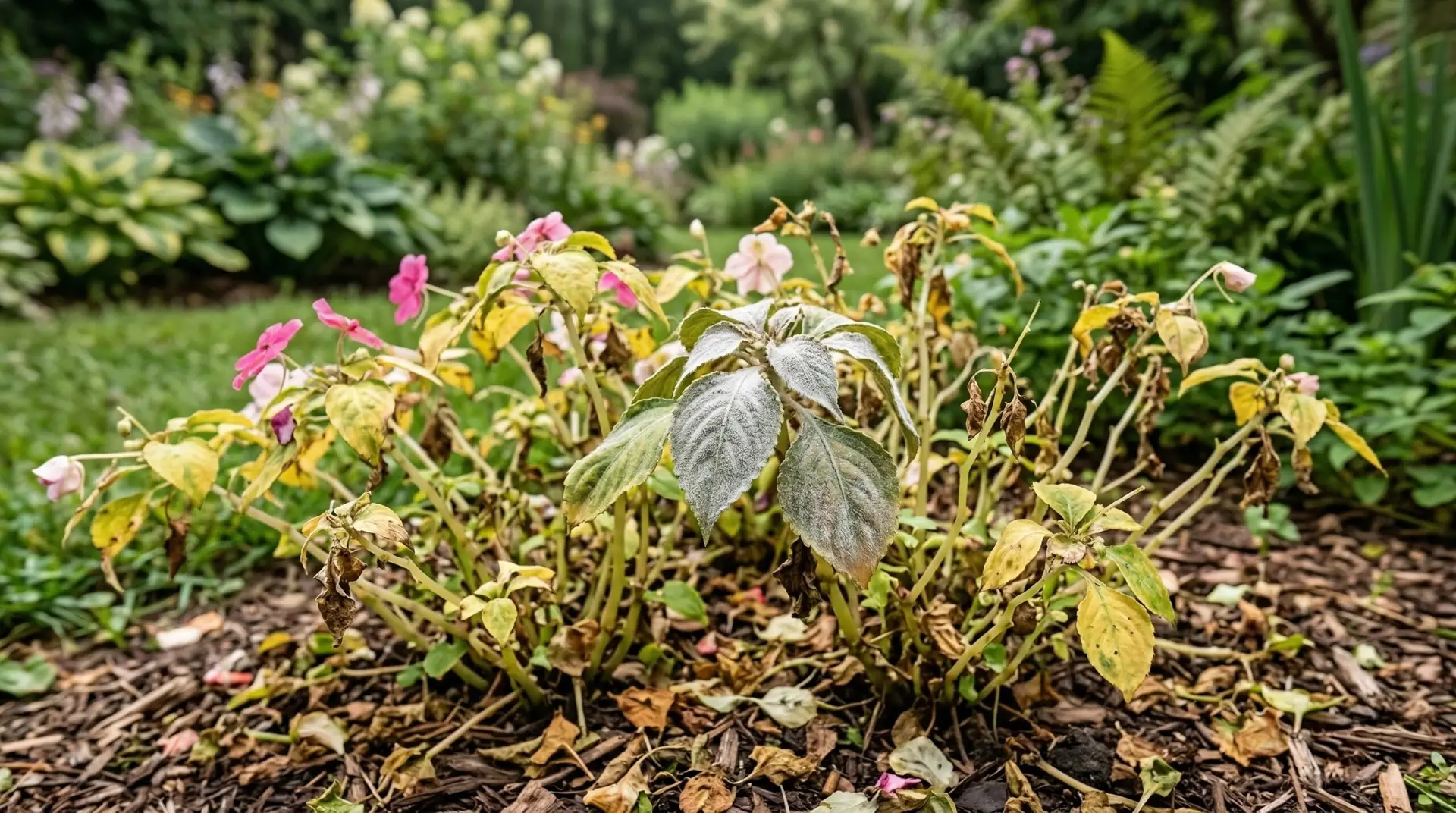
The first step in solving any garden problem is correctly identifying the cause before you waste time and money on the wrong treatments. When impatiens downy mildew strikes, it usually starts with a subtle yellowing or stippling on the upper surface of the leaves that looks a lot like a nutrient deficiency. If you flip those yellowing leaves over, you will see a faint, white, fuzzy growth on the undersides. This white fuzz is the actual spore-producing body of the disease, and it thrives when nights are cool and the humidity is high. Shortly after the fuzz appears, the leaves will drop off completely, leaving behind bare green stems that eventually collapse into a rotting mess. When you see this specific sequence of yellowing followed by white fuzz and leaf drop, it means the disease is fully active, and the fix is to pull the plants immediately.
Leaving infected plants in the ground is the worst mistake you can make because it guarantees the problem will return the following season. The spores from this disease do not just blow away in the wind, they actually drop into the soil and can survive freezing winters without a host plant. If you plant the old, susceptible standard impatiens in that same contaminated soil next spring, the spores will wake up and infect the new plants all over again. You have to bag up the diseased plants, throw them in the household trash, and never put them in your compost pile. If your garden beds are heavily infected, you will need to rely on completely different shade plants like wax begonias for a few years to starve out the spores. Treating the soil with fungicides is expensive, rarely works for home gardeners, and is not a practical long-term solution.
The new resistant varieties that actually work
For several years, garden centers simply stopped selling standard impatiens because the failure rate was entirely too high. Recently, agricultural researchers introduced two new lines of highly resistant impatiens called the Beacon series and the Imara XDR series. These plants look and behave exactly like the classic shade flowers you remember, producing the same flat, colorful blooms on mounding plants. The critical difference is their genetic ability to fight off the downy mildew pathogen even when it is present in the soil or the air. When you go to the nursery now, you cannot just grab any flat of green plants and assume they will survive. You have to read the plastic tags stuck in the pots and verify that the label specifically says Beacon or Imara XDR.
Finding these resistant varieties might require a little extra effort early in the planting season. Big box stores sometimes mix older, cheaper, susceptible seed varieties in with the new resistant types on the same display tables. If a flat of plants is suspiciously cheap and lacks a specific series name on the tag, it is likely the old genetics that will melt down by midsummer. Paying a few extra dollars for the branded, disease-resistant plants is the only way to guarantee your garden will look good through the fall. If your local nursery does not carry these specific lines, you are better off asking the manager to order them or finding a different garden center entirely. Planting the old varieties is simply a waste of your time and money at this point.
Alternatives for different garden conditions
If you cannot find the new resistant standard types, New Guinea impatiens are an excellent alternative that have always been naturally immune to downy mildew. These plants have larger, more pointed leaves and bigger flowers, and they grow into substantial mounds that fill space quickly. They do require more frequent watering than the old standard types, and they will wilt dramatically if the soil dries out even for a single afternoon. When a New Guinea impatiens wilts, it usually means the root zone has completely exhausted its moisture supply, and the fix is a deep, immediate soaking. As long as you keep the soil consistently moist, these plants will bloom continuously in partial shade without any threat of disease. They are slightly more expensive per plant, but their larger size means you need fewer of them to fill a garden bed.
Gardeners dealing with full sun exposure have another highly reliable option called SunPatiens. These are a hybrid cross between traditional New Guinea types and wild species, resulting in a plant that thrives in intense heat and direct sunlight. Like their New Guinea parents, SunPatiens are completely unaffected by downy mildew and will grow vigorously in spots where standard shade impatiens would burn up. They require massive amounts of water during the hottest parts of the summer to support their rapid growth and continuous blooming cycle. If you have a bright, hot location where you normally grow colorful petunias, you can easily swap in SunPatiens for a completely different look. Just be prepared to water them daily if you plant them in containers or hanging baskets.
Smart planting strategies and watering habits
Even when you plant disease-resistant varieties, good cultural practices in the garden will help prevent other fungal issues from taking hold. The way you water your plants has a massive impact on foliage health and overall disease pressure. You should always direct your hose or watering can at the base of the plant to keep the leaves as dry as possible. Watering late in the evening leaves the foliage wet all night, creating the exact damp conditions that water molds and fungi need to reproduce. If you switch to morning watering, the rising sun will dry the leaves quickly and significantly reduce the chances of any airborne spores germinating. Proper spacing is also necessary, so leave a few inches between mature plants to allow air to circulate through the stems.
The single most useful piece of advice I can give anyone growing impatiens today is to become a strict label reader at the garden center. Do not trust the generic shade annual signs hanging above the display racks, because those signs do not tell you what genetics are actually in the pots. Pick up the individual plastic tag, look for the words Beacon, Imara XDR, New Guinea, or SunPatiens, and leave everything else behind. If you stick to these proven varieties and practice basic water management, you will completely avoid the frustration of watching your garden melt down in July. You can absolutely have reliable, continuous color in your shade beds again, as long as you buy the right plants from the start.
More About Impatiens
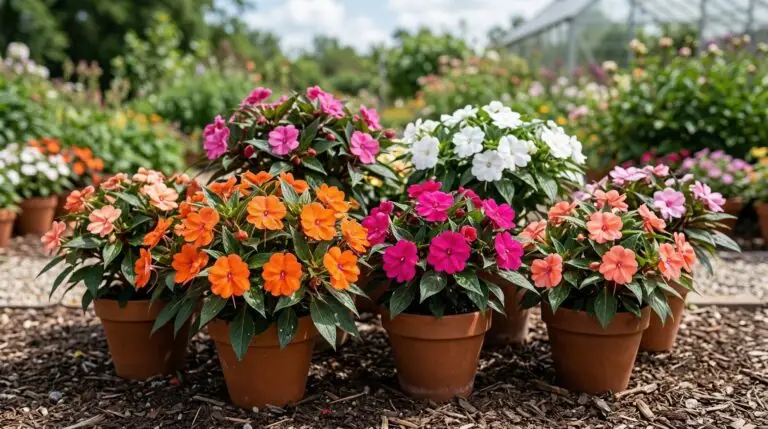
SunPatiens versus regular impatiens and which one handles sun and heat
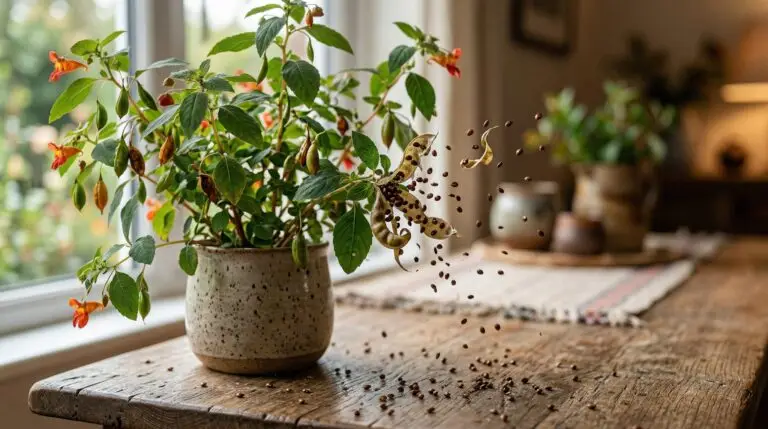
How impatiens seed pods explode and the fun of growing touch-me-nots from seed
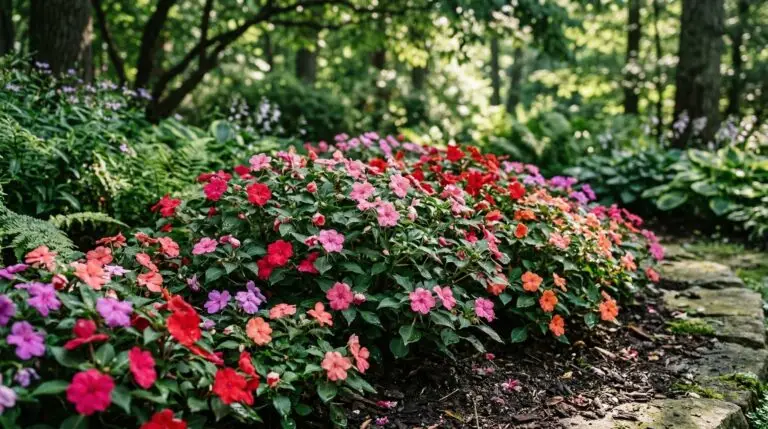
How to grow impatiens for non-stop color in shady spots where nothing else blooms

Mass planting impatiens for dramatic sweeps of color under trees and along walkways
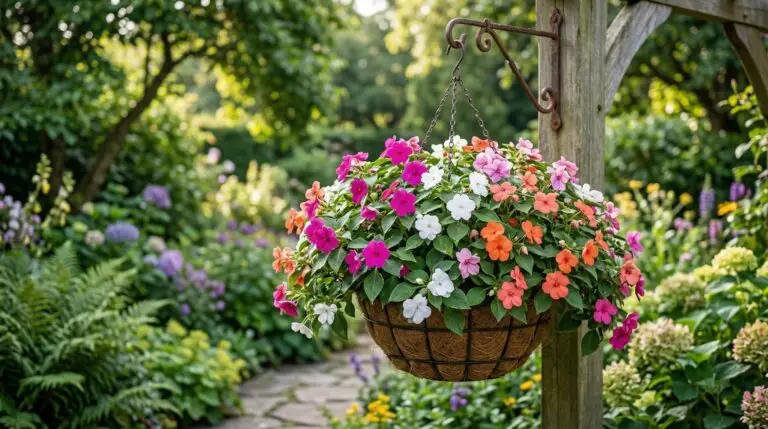
Growing impatiens in hanging baskets for cascading color on porches and patios
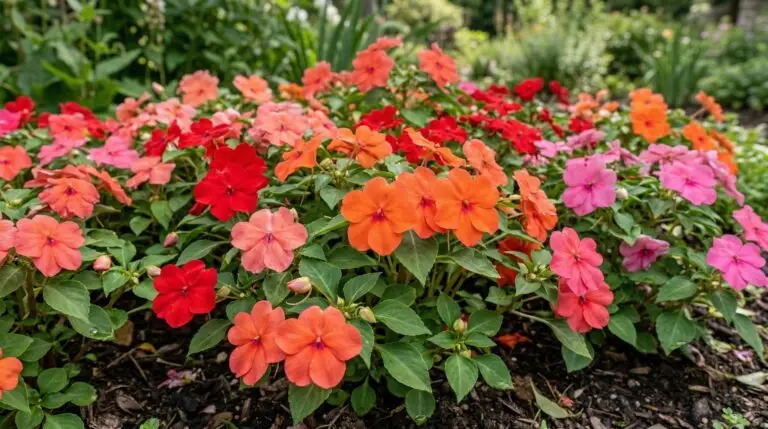
Best impatiens varieties from classic walleriana to exotic New Guinea hybrids

Companion plants for impatiens: what to grow, what to avoid
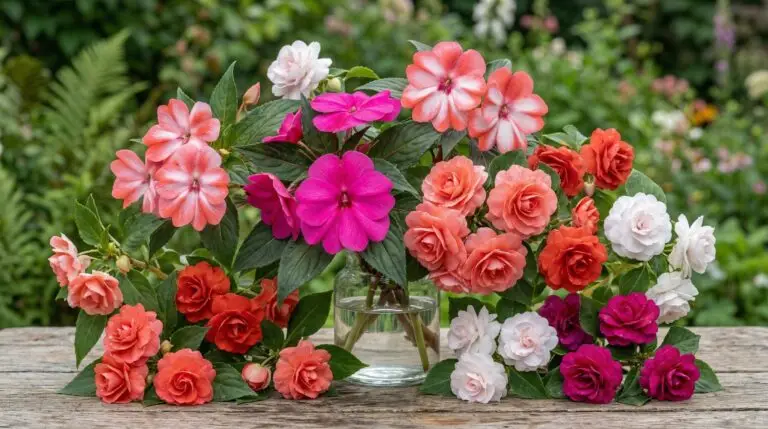
New Guinea impatiens for bigger bolder flowers with colorful foliage in partial shade