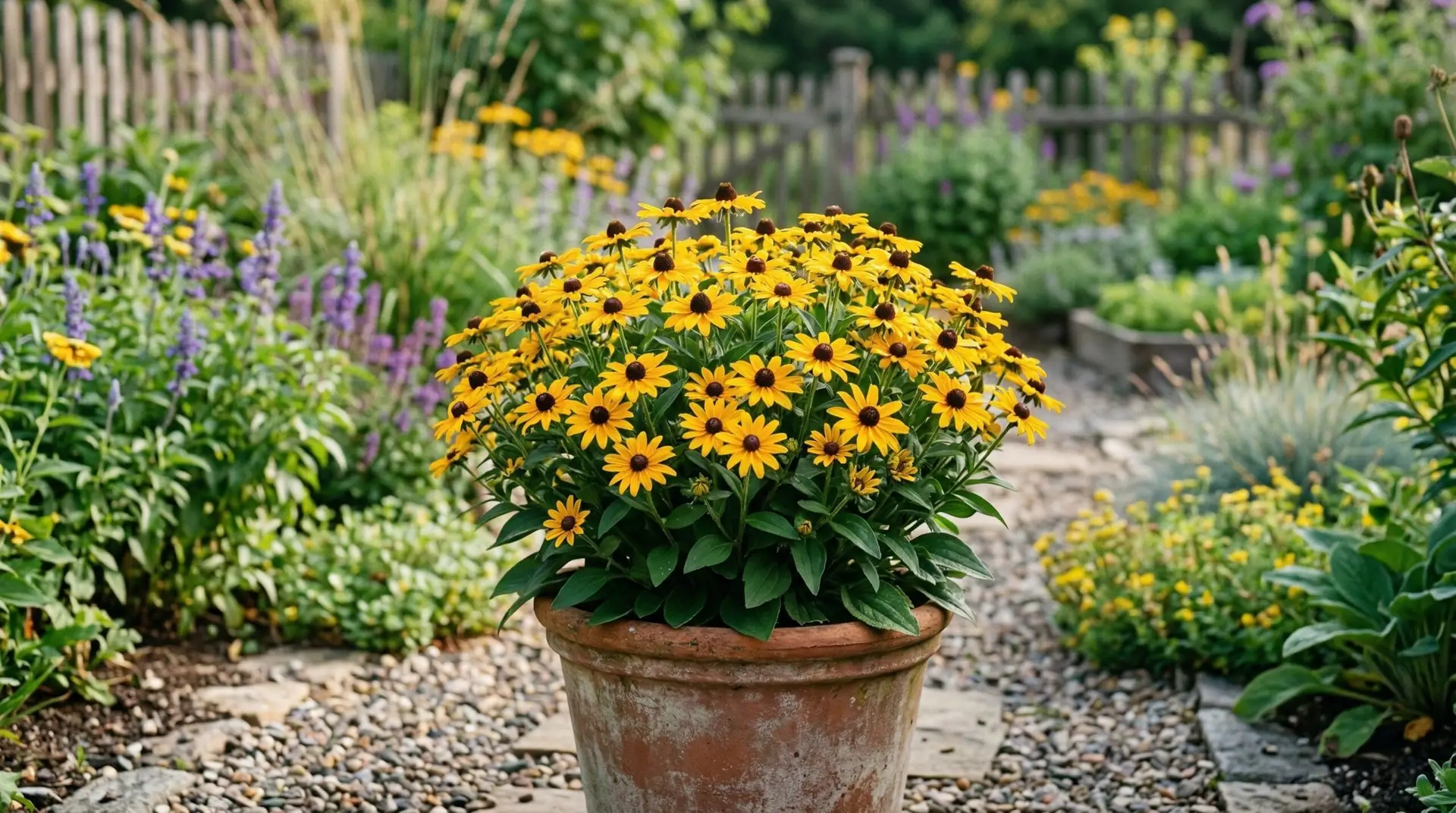
Every gardener eventually stares at a crowded flower bed and decides to start stuffing plants into pots on the deck. Buying too many plants and running out of ground space is a universal habit that forces us to get creative with containers. Black eyed Susans are usually seen sprawling across large landscapes, but growing rudbeckia in containers is entirely possible with a bit of planning. The trick is realizing that a plant meant for open prairies behaves differently when confined to a plastic or clay boundary. These familiar yellow blooms bring a bright wash of color to a sunny balcony, but they demand a specific balance of water and root space to thrive. Expect them to look a little sad for a few days after transplanting from their nursery pots into a permanent container. They are just adjusting to their new home and will perk up once the roots settle into the fresh soil.
Choosing the right dirt and container size
A mature black eyed Susan container needs substantial weight and room to stretch out its root system. A tiny decorative pot will dry out by noon in the summer heat and leave the plants completely crispy. Aim for a container that holds at least five gallons of soil, measuring about twelve to fifteen inches across the top. Standard plastic nursery pots slipped inside a cheap decorative basket work perfectly fine and save a lot of money. The soil inside needs to hold moisture without turning into a swamp, so a standard bagged potting mix mixed with a few handfuls of perlite does the job. Skip the expensive specialty soils and just make sure the pot has at least three drainage holes punched in the bottom. Heavy clay pots are great for keeping the plant from blowing over in strong balcony winds, but they do dry out faster than plastic. Plants sitting in stagnant water will rot at the crown before they ever produce a single bloom, so proper drainage is non-negotiable.
Finding the sweet spot for sun and water
These plants are sun worshippers that need a minimum of six to eight hours of direct light every single day to flower heavily. Placing a black eyed Susan container in a shady corner results in a stretching, weak plant with powdery mildew and very few blossoms. On a hot apartment balcony or a south-facing deck, the sun bakes the container and causes the soil moisture to evaporate rapidly. During the peak of summer, pots often need watering every single day, and sometimes twice if the wind is blowing hard. Stick a finger deep into the soil, and if it feels dry past the first knuckle, it is time to soak the container until water runs out the bottom. A drooping plant in the late afternoon is common, but if it stays droopy after the sun goes down, it desperately needs a drink. If you are mixing pots on a hot deck, planting coreopsis nearby creates a reliable sun-loving combination that requires the exact same watering schedule. Consistent watering keeps the lower leaves from turning brown and falling off, which is a common issue in neglected pots.
Picking compact varieties that behave in tight spaces
Taking a standard wild rudbeckia from the roadside and shoving it into a pot usually ends in a tangled, frustrating mess. Those wild types grow three or four feet tall and will immediately snap in half or tip the pot over during the first summer thunderstorm. For containers, look for dwarf or compact varieties specifically bred to stay under two feet tall. Varieties like Little Goldstar or Toto are practically indestructible in pots and form tight, tidy mounds of foliage covered in flowers. These shorter plants put all their energy into making blooms rather than growing long, weak stems that require staking. Deadheading the spent flowers by snapping them off at the base of the stem keeps the plant looking neat and forces it to produce new buds well into the late season. Leaving the dead flower heads on the plant tells it to stop blooming and start making seeds, which cuts the flower show short. If you want some variety in height, tucking a low-growing marigold around the edges of the pot fills in the bare soil nicely and adds a different texture.
Getting potted plants through the freezing months
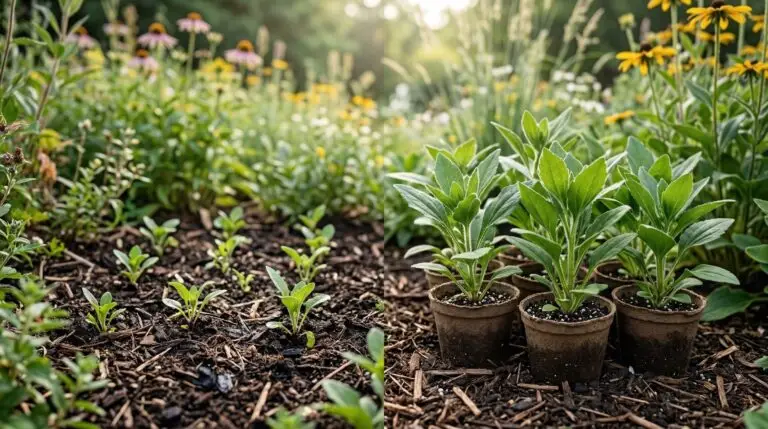
Getting potted plants through the freezing months requires recognizing that roots in a container are far more exposed than roots in the ground. Leaving a ceramic pot full of dirt on the patio all winter is a gamble that usually results in cracked clay and dead roots. In northern zones, the freezing air penetrates the sides of the pot and kills the perennial roots of black eyed Susans. To save the plants for next year, the pots need to be moved into an unheated garage or shed once the foliage dies back in late autumn. They need to stay cold enough to remain dormant but protected from the harsh wind and extreme freeze-thaw cycles. Give them a light splash of water once a month so the soil does not turn to pure dust while they sleep. Gardeners in the South have an easier time and can often leave the pots right where they are, provided they do not sit in cold winter rain puddles. When spring arrives, drag the pots back into the sun, top them off with a little fresh compost, and wait for the green shoots to emerge.
More About Black-eyed Susan

Black eyed Susan flower meaning as a symbol of encouragement and justice

Black eyed Susan and coneflower planted together for the ultimate prairie garden
How to keep black eyed Susans from taking over your garden while still enjoying them

Naturalizing black eyed Susans along roadsides and meadows for wild beauty
Black eyed Susan problems including leaf spot and aphids and organic solutions
How to grow black eyed Susans from seed for masses of golden summer blooms

Why black eyed Susans are one of the best native plants for pollinator gardens
Using black eyed Susans as cut flowers for cheerful late summer bouquets