The fading days of the winter bloom
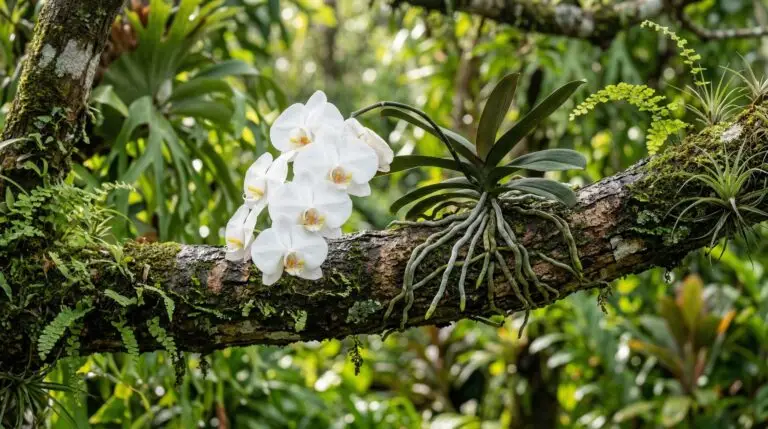
The snow might still be melting outside, but indoors, the moth orchid has been holding its flowers since December. The peak bloom period is ending, and the plant begins a slow, natural winding down. The lowest flowers wilt first, wrinkling like old tissue paper before dropping quietly onto the table. The bare green stem becomes visible between the remaining blossoms, marking the first visual shift in the season. The light coming through the window is changing, growing sharper as the sun climbs higher in the sky. You water the pot, noticing how the bark dries out just a little faster now than it did in January. This is the natural end of the display, a quiet transition that requires nothing but observation.
Soon, the last flower falls, leaving a long, naked stem reaching toward the glass. The plant enters a transitional phase where the energy shifts from maintaining petals to deciding what comes next. You might notice the tip of the spike looking a little dry or yellow as the days lengthen. The orchid is responding to the changing light and preparing for the warmth ahead.
Reading the changes of the spring spike
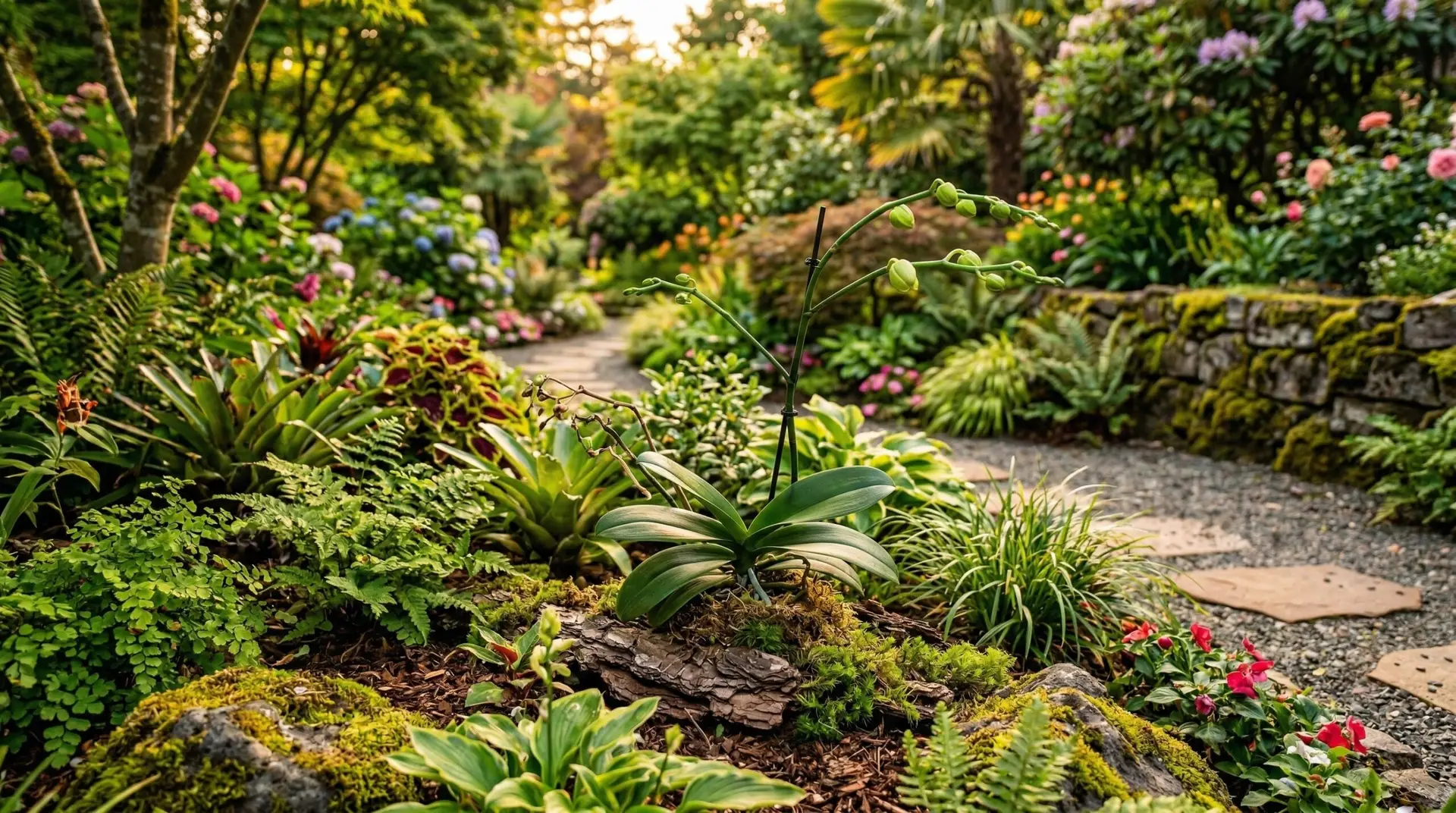
Mid-spring arrives, bringing the smell of damp earth through open windows, and your orchid spike begins to show its true intentions. If the stem remains entirely green and plump, the plant has enough stored energy to attempt a secondary bloom. You can encourage this by finding the nodes, which look like small bumps covered by thin triangular bracts along the stem. Count up from the base of the plant and use sterilized shears to cut the stem about an inch above the second or third node. This node cutting technique signals the plant to push out a side branch from that sleeping eye. Within a few weeks, a small green mitten-shaped bud will break through the bract to form a new branch. The secondary flowers will be smaller and fewer than the primary display, but they extend the season of color well into the warming months.
Sometimes the plant makes a different choice, and the entire stem begins to yellow and shrivel from the top down. When you see an orchid spike brown completely, the plant is reclaiming the nutrients stored in that tissue. There is no reason to leave a dead, brittle stick attached to the plant once it has dried out. You should take your sharpest shears and cut the brown stem away at the base, leaving just a tiny stump above the leaves. This brown spike removal is a clean break that redirects all the plant’s resources back into its core structure. Some growers prefer cutting orchid spikes at the base even if the stem is still green, prioritizing energy conservation over a few extra flowers. Unlike an Oncidium orchid that sends up thin sprays, the thick Phalaenopsis spike requires considerable energy to maintain. A plant that rests now will build massive strength for a much larger display the following year.
By late spring, the decision is made and the old spike is either cut back or producing its final few blooms. The indoor air loses its winter dryness, and the potting medium holds moisture differently. You should adjust your watering schedule as the plant shifts out of its reproductive phase. The active orchid spike care is finished for now, making way for the vegetative growth that will sustain the plant through the hot months.
Summer heat and the quiet work of roots
Summer brings long, hot days and the hum of cicadas in the trees outside. This is the true rest period care phase for your moth orchid, though the word rest does not describe what happens beneath the surface. With the flowers gone and the spike removed, the plant focuses entirely on growing new leaves and expanding its root system. A new leaf will emerge from the center of the crown, starting as a glossy green spear that slowly flattens and broadens over the summer. You will also see thick, silvery roots pushing out from the base of the stem, searching for moisture in the humid air. You must water the plant thoroughly during this season, letting water flush through the bark to wash away accumulated salts. Regular feeding with a balanced orchid fertilizer provides the nitrogen required for these broad, fleshy leaves to mature.
As July turns into August, the heat peaks, and the plant requires protection from any direct, burning sunlight. The thick leaves can scorch easily if the sun strikes them directly through a south-facing window. You should draw a sheer curtain or move the pot back a few feet into the dappled shade of the room. The roots will turn a deep, solid green when freshly watered, slowly fading back to silver as the days pass. This color change is your most reliable guide for summer watering, telling you exactly when the plant is thirsty again. If you notice the lowest, oldest leaf turning yellow and dropping off, this is a normal part of the summer growth cycle as the plant sheds old tissue to support the new crown. The entire organism is gathering strength, banking the summer light into sugars stored within its structure.
The long, hot days eventually begin to shorten, and a subtle shift happens in the light. The shadows stretch further across the floor in the afternoon, signaling the end of the growing season. The heavy summer humidity breaks, replaced by the crisper air of early autumn. The moth orchid senses this change in the environment and prepares to switch phases once again.
Autumn chill and the promise of a new stem
When you need a sweater for your morning walk and the leaves outside begin to turn, your moth orchid is receiving its most important signal of the year. Phalaenopsis orchids require a drop in nighttime temperatures to trigger the development of a new flower spike. You should leave the plant near a window where it can feel the cooler air settling against the glass at night, aiming for a dip into the low sixties. After a few weeks of these cool autumn nights, you will spot a small, mitten-shaped nub pushing through the tissue at the base of the leaves. This new growth looks different from a root, pointing upward with a slightly flattened, segmented tip. The energy conserved by removing the old stem last spring is now being channeled into this fresh, thick spike. The spike will elongate rapidly over the next few months, reaching toward the light source and requiring regular, even moisture.
As winter closes in and the trees outside are bare, the new stem requires careful support. You will need to gently clip the growing spike to a bamboo stake, guiding it upward before the buds begin to form. The cycle has come full circle, from the fading blooms of last winter through the quiet vegetative growth of summer. The plant has transformed water, light, and careful care after blooming into a completely new architecture of buds. You watch the green spheres swell along the length of the stem, knowing exactly how much time and patience went into their creation. And then, just as the first hard frost blackens the last leaves outside, the roots below are already storing energy for the next spring.
More About Moth Orchid
Growing orchids in bathrooms and why humidity-loving phalaenopsis thrive near showers
Why your orchid is not blooming and the simple temperature trick that triggers new flowers
Orchid arrangements and centerpieces that make any room feel luxurious and elegant
Orchid meaning, by colour and tradition, honestly explained
Repotting orchids step by step without killing the plant or damaging aerial roots
Best moth orchid varieties and the incredible range of phalaenopsis colors and patterns
How to care for moth orchids so they bloom again and again for years
Watering orchids correctly and the ice cube myth versus what actually works