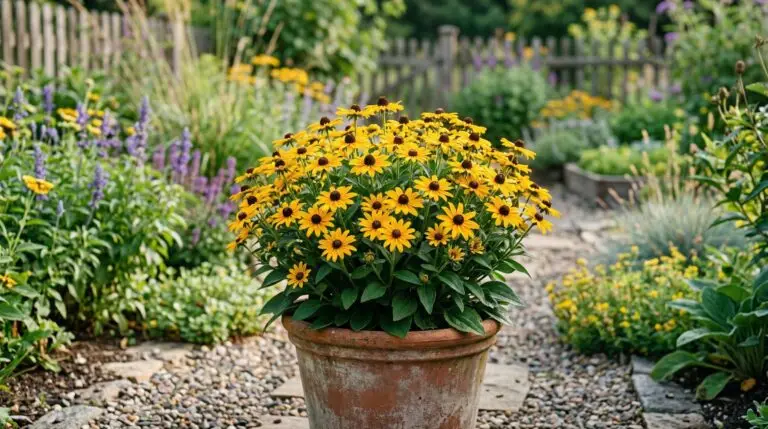
When the heat of August arrives and most of the garden looks exhausted, the Black Eyed Susan steps in to carry the late summer season. I remember the first time I really paid attention to a patch of these golden daisies glowing in the late afternoon sun. They possess a rugged, uncompromising nature that makes them incredibly satisfying to grow. You plant them knowing they will tolerate the worst humidity and still push out dozens of blooms on sturdy stems. That reliability is exactly what drew me into collecting different varieties of Rudbeckia over the years. They offer a specific kind of reassurance in the garden, showing up right when you need a fresh wave of color.
The deeper you get into growing these plants, the more you realize how much variation exists beyond the standard roadside wildflower. Some varieties act as steadfast perennials that return thicker and stronger each spring, while others perform as short lived perennials or annuals that bloom their hearts out for a single abundant season. I love watching how the different cultivars behave, from the way their petals reflex back from the dark central cone to the subtle shifts in color from bright yellow to deep mahogany. Getting to know the distinct personality of each type changes how you design your planting beds. You start to appreciate the small surprises, like a self sown seedling popping up in a gravel path with a slightly different petal shape than its parent. That element of unpredictability keeps the collection feeling alive and active rather than static.
The reliable perennials that anchor the garden
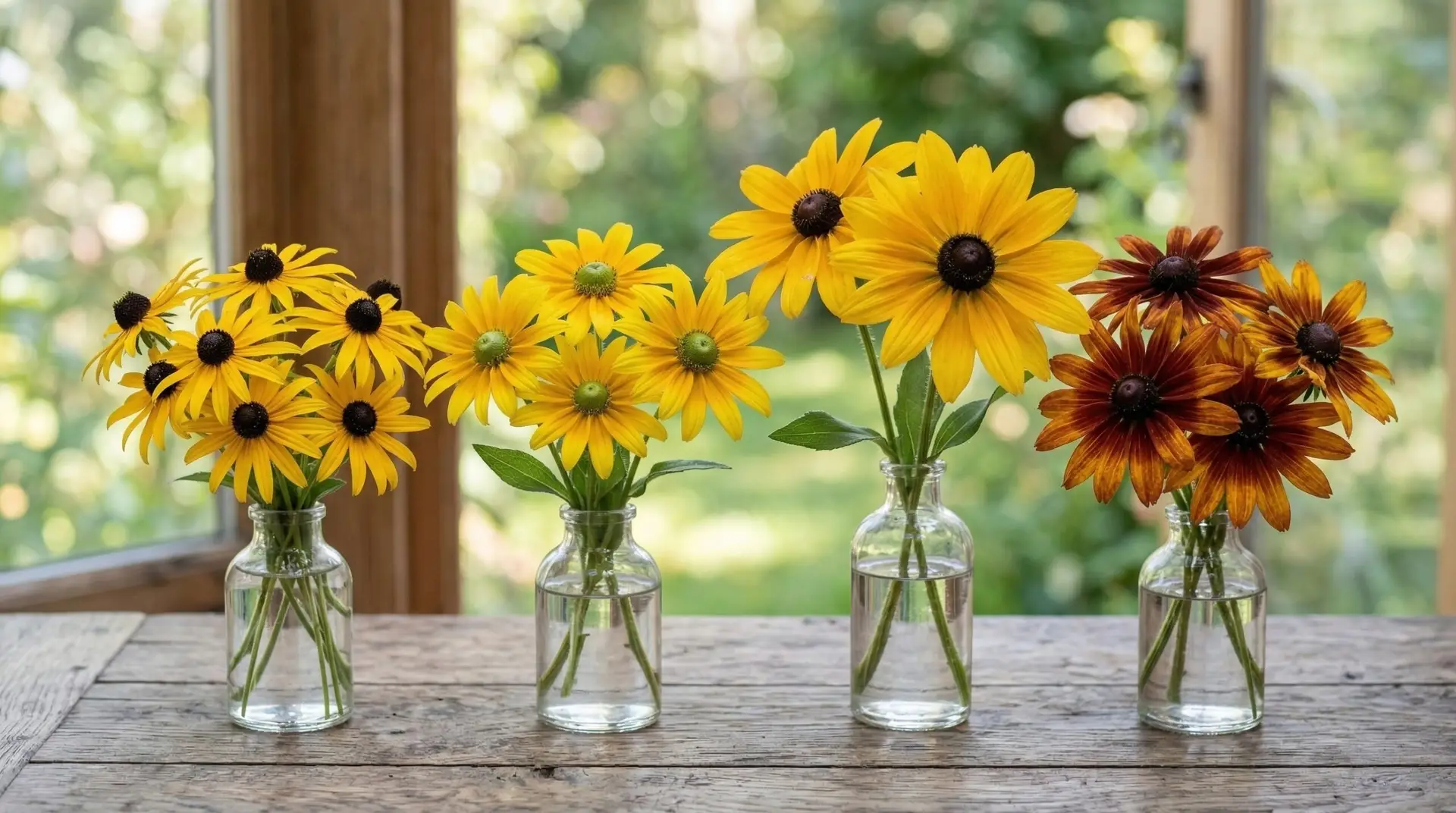
If there is one variety that defines the perennial Black Eyed Susan, it is Goldsturm. This is the plant that introduced many of us to the species, and it remains a fixture in my garden for good reason. Goldsturm produces a mass of golden yellow petals around a nearly black center cone, standing about two feet tall on rigid stems that rarely need staking. I rely on it to fill large spaces because it spreads steadily through rhizomes, creating a dense mat of dark green foliage that suppresses weeds. The sheer volume of flowers it produces from midsummer into autumn makes it a workhorse, though that aggressive spreading habit means you do have to divide it every few years to keep it in check. Even with the extra maintenance, the sight of a massive drift of Goldsturm catching the breeze is completely worth the effort.
For smaller spaces or the front of a border, I have come to prefer a newer cultivar called Little Goldstar. It delivers the exact same classic look as Goldsturm but on a much more compact plant that tops out around sixteen inches tall. I started growing this one a few years ago when I ran out of room for the larger varieties, and it quickly became a personal favorite. The plant forms a tight, bushy mound that covers itself entirely in star shaped blooms. Because the stems are so short and heavily branched, the flowers sit right on top of the foliage in a solid dome of yellow. It offers the perfect solution if you love the traditional Rudbeckia appearance but want a tidier plant that will not flop over after a heavy summer rainstorm.
Annual varieties with unpredictable charm
While the perennial types provide structure, the annual and biennial varieties bring massive, unpredictable blooms that completely change the scale of the garden. Indian Summer is a tetraploid variety, meaning it has double the normal number of chromosomes, resulting in enormous flowers that can reach up to eight inches across. I grow this one from seed every spring because the sheer size of the blooms is hard to believe until you see them in person. The petals are a warm, buttery yellow, and they have a slightly relaxed, drooping habit that gives the plant a casual, informal feeling. Although it is technically a short lived perennial in warmer zones, treating it as an annual ensures you get the most vigorous growth and the largest possible flowers. Cutting a few of these giant stems for a vase indoors is one of my favorite late summer rituals.
Another seed grown variety that I always make room for is Prairie Sun. This plant completely breaks the rules of what a Black Eyed Susan is supposed to look like, swapping the dark central cone for a pale, silvery green center. The petals themselves are two toned, with a golden orange base that fades to bright primrose yellow at the tips. I find myself stopping to look at Prairie Sun more often than almost any other plant in the August garden because the color combination is so unusual and fresh. It grows quite tall, often reaching three feet, and the pale green cones look incredible when planted near the soft pinks and purples of a classic coneflower. The only flaw is that it can be a bit fragile in strong winds, so I try to plant it among sturdier companions that can offer some physical support.
The moody drama of Cherokee Sunset
If you want to move entirely away from bright yellows, Cherokee Sunset is the variety that will completely capture your attention. This is a mix of double and semi double flowers in deep, rich shades of bronze, mahogany, copper, and antique gold. I am always fascinated by how no two plants in a patch of Cherokee Sunset look exactly alike. Some produce blooms that look like small, rusty colored dahlias, while others have a single layer of dark red petals surrounding a prominent black cone. The foliage is slightly hairy and coarse, typical of the gloriosa daisy types, but the moody colors of the flowers make up for the somewhat rough appearance of the leaves. Growing this variety feels like a treasure hunt because you never quite know what color combination will emerge from the fuzzy green buds.
As much as I love Cherokee Sunset, I have to be honest about its temperament. It is highly susceptible to powdery mildew, especially if the late summer weather turns damp and cool. I have learned to give these plants plenty of breathing room, spacing them further apart than the seed packet suggests to ensure good air circulation. They also tend to be short lived, often burning themselves out after producing a massive flush of double blooms. To keep them in the garden, I allow a few flower heads to dry completely on the stem so they can drop seeds for the following year. The resulting seedlings might not be as perfectly double as the original plants, but the unpredictable mix of autumn colors they produce is always a welcome sight in September.
Finding the right spot for your collection
The key to keeping any Black Eyed Susan happy is giving it a location with full, baking sun and well drained soil. I have tried sneaking them into partial shade, and the results are always disappointing, usually ending in weak stems and a severe case of mildew. When placed in an open, sunny spot, they develop the strong, rigid stems that make them such excellent cut flowers. I love mixing the different Rudbeckia cultivars with late blooming companions like coreopsis, which echoes the yellow tones but offers a much finer, threadleaf texture. The contrast between the bold, dark eyed daisies and the delicate, airy foliage of their neighbors creates a beautifully balanced planting bed. You can cut armloads of these flowers without making a dent in the garden display, which is a rare and satisfying trait for any perennial.
What keeps me coming back to Rudbeckia year after year is the sheer generosity of the plants. They ask for very little in the way of fertilizer or fuss, yet they deliver months of solid, reliable color right when the rest of the garden is ready to quit. Watching the goldfinches land on the dried seed heads in late autumn brings just as much joy as the first bright yellow blooms of July. You learn to accept their minor flaws, like the occasional bout of mildew or the need for frequent division, because the rewards are so heavily weighted in your favor. Whether you stick to the classic permanence of Goldsturm or experiment with the dark velvet petals of Cherokee Sunset, these plants become an essential part of the late season rhythm. The garden simply would not feel complete without that late summer wave of golden daisies.
More About Black-eyed Susan
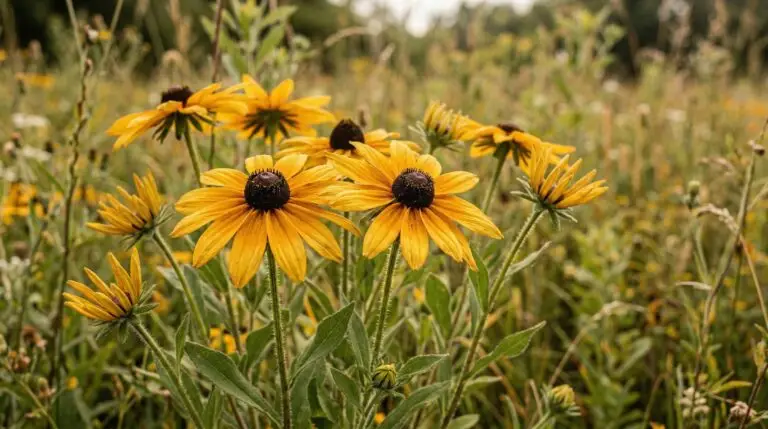
Black eyed Susan flower meaning as a symbol of encouragement and justice
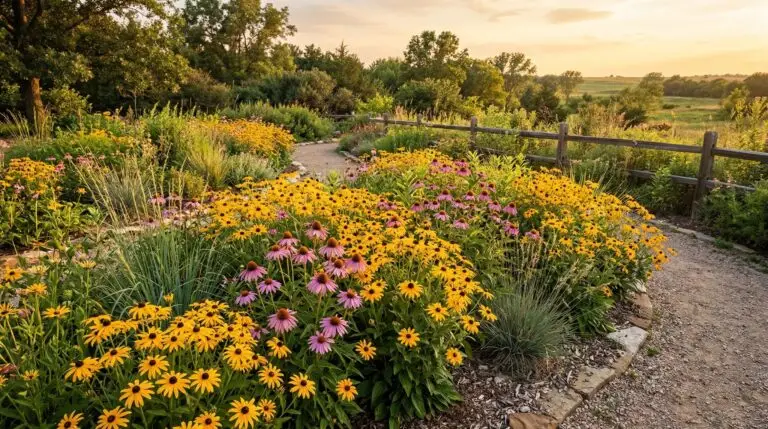
Black eyed Susan and coneflower planted together for the ultimate prairie garden
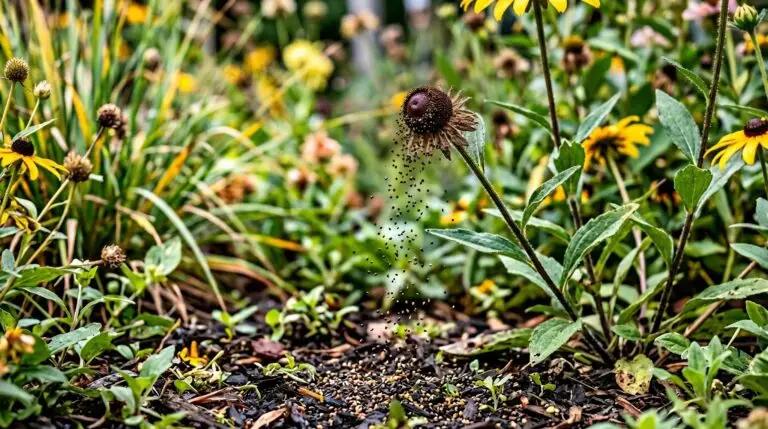
How to keep black eyed Susans from taking over your garden while still enjoying them
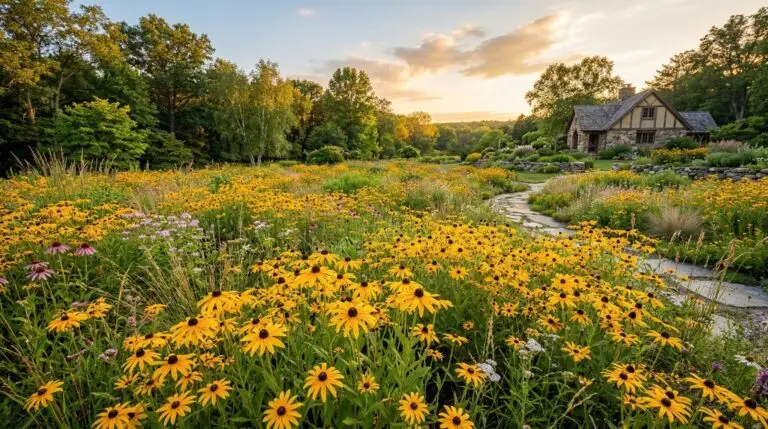
Naturalizing black eyed Susans along roadsides and meadows for wild beauty
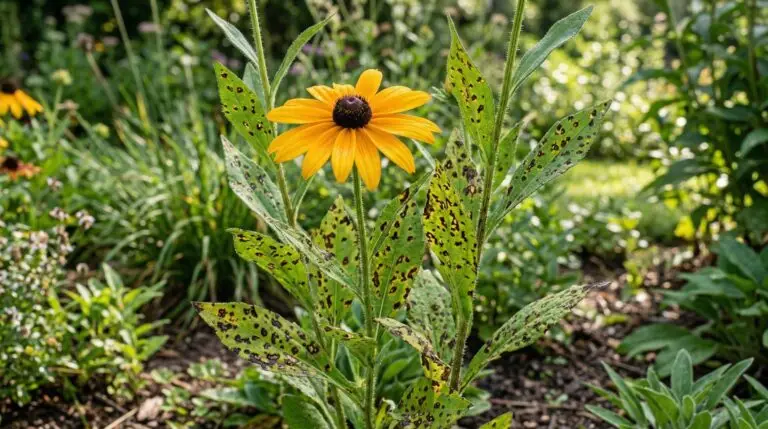
Black eyed Susan problems including leaf spot and aphids and organic solutions
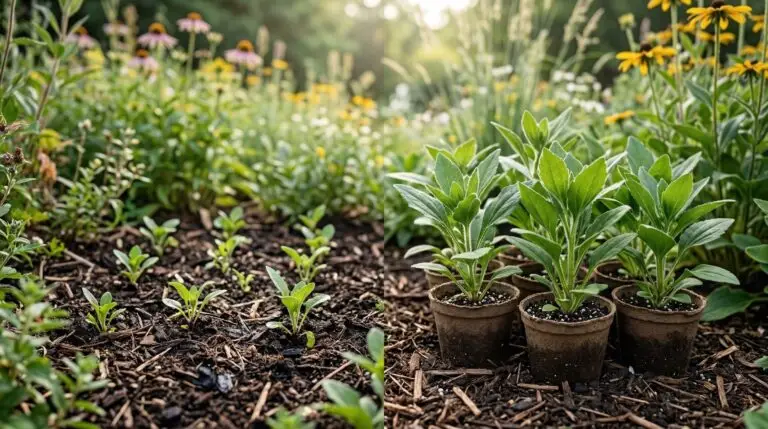
How to grow black eyed Susans from seed for masses of golden summer blooms
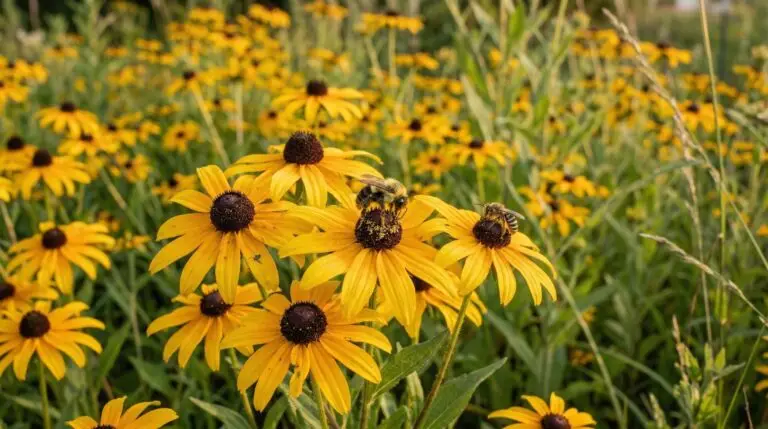
Why black eyed Susans are one of the best native plants for pollinator gardens
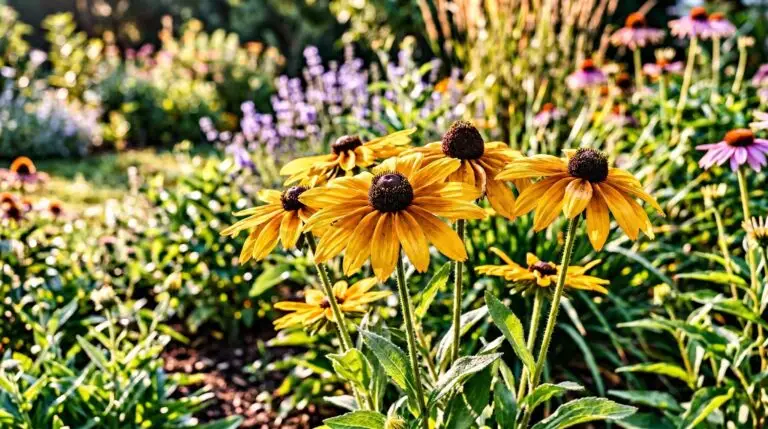
Using black eyed Susans as cut flowers for cheerful late summer bouquets