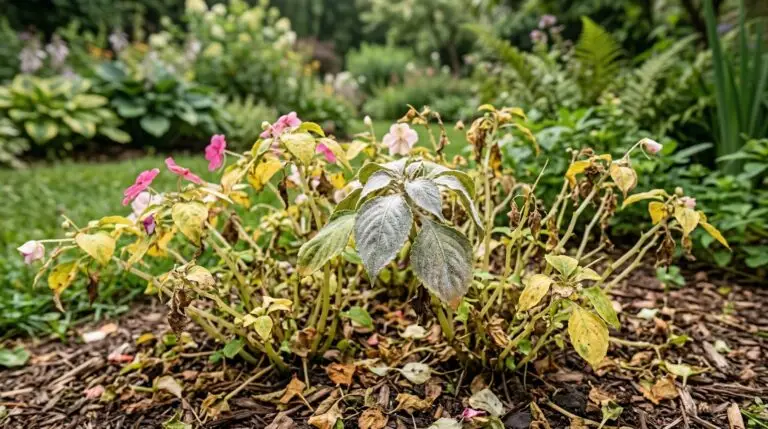
The world of impatiens fractured entirely a decade ago when downy mildew swept through gardens and decimated the classic shade bedding plants. Before that moment, gardeners relied blindly on standard varieties to fill dark corners with color. Today, selecting impatiens requires a much more deliberate approach because the market offers distinct plants bred for entirely different purposes. Instead of buying whatever generic flat is available at the garden center, you must choose between disease-resistant shade classics, robust sun-tolerant hybrids, and specialized container varieties. This guide filters out the obsolete genetics and focuses only on the specific impatiens varieties that actually perform reliably in modern gardens.
Many older gardening manuals still recommend planting the ‘Super Elfin’ series for mass shade plantings. I intentionally exclude these older genetics from serious consideration because they remain highly susceptible to the mildew that ruins midsummer displays. If you plant them in soil that has hosted infected plants in the past decade, they will inevitably drop their leaves and collapse into bare stems. Modern gardeners need varieties that either resist this specific pathogen or belong to entirely different species groups that the disease ignores. By narrowing our focus to these resilient options, we can return to using impatiens as dependable structural elements rather than temporary gambles.
The return of the classic shade impatiens
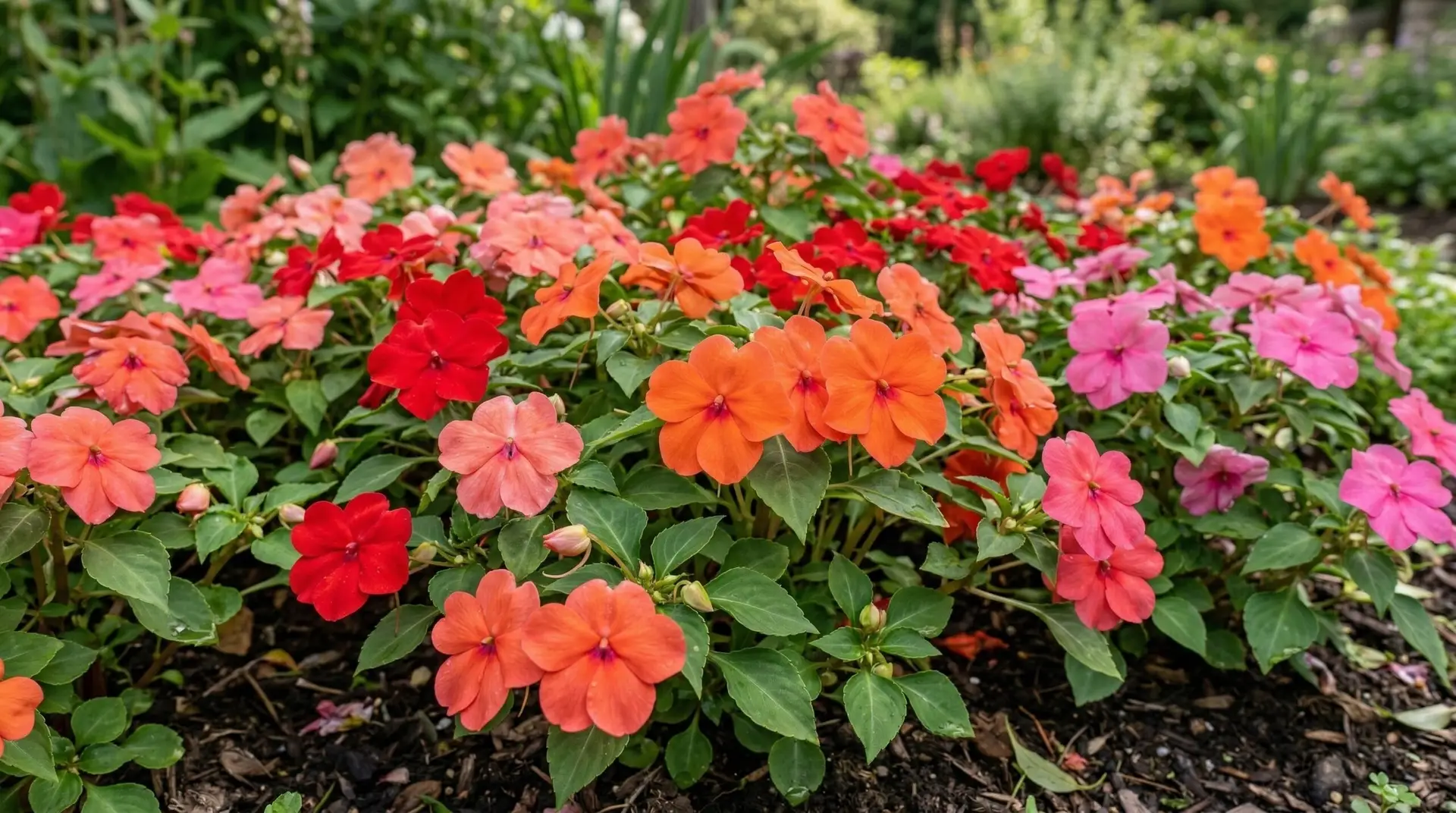
For those who want the traditional look of low, mounding color in full shade, breeders have finally solved the downy mildew problem with two specific lines of standard walleriana impatiens. The ‘Imara XDR’ series and the ‘Beacon’ series both offer high resistance to the disease, allowing gardeners to plant sweeping shade beds again. When comparing the two, I consistently find that the ‘Beacon’ series delivers a superior garden performance. The ‘Beacon’ plants develop better basal branching, which creates a fuller, more substantial plant that covers bare soil quickly. They also drop their spent blooms more cleanly than the ‘Imara’ line, reducing the need for manual grooming in large plantings.
Choosing the right color within the ‘Beacon’ series also matters for the overall effect in a shaded space. White and light salmon varieties perform a specific architectural function by catching low light and illuminating dark corners under mature trees. Darker reds and purples often recede into the shadows and lose their visual impact unless viewed from a few feet away. If you are planting at the edge of a woodland or deep under a porch canopy, the ‘Beacon White’ is the single most effective choice for visibility. It provides a crisp, reliable glow that persists from late spring until the first hard frost kills the plant.
Selecting for sun tolerance and scale
Gardeners long accepted that impatiens required strict protection from direct afternoon sun to survive the summer. The introduction of New Guinea impatiens began to shift this rule, but the true shift came with the ‘SunPatiens’ hybrid line. These plants cross traditional New Guinea genetics with wild species to create a massive, deeply rooted plant that thrives in blazing heat. They grow up to three feet tall and wide, behaving more like temporary shrubs than standard bedding plants. If you need a massive block of color in a location that gets baked by the afternoon sun, you might normally look for a petunia, but ‘SunPatiens’ will provide equal impact without the sticky foliage or need for deadheading.
Standard New Guinea impatiens still have a place in the curated garden, particularly when you focus on their foliage rather than just their flowers. Varieties in the ‘Magnum’ or ‘Divine’ series offer dark bronze or heavily variegated leaves that provide immense visual interest even when the plant is resting between bloom cycles. I prefer using these standard New Guineas in large, heavy ceramic pots where their tropical foliage can be appreciated up close. They require consistent moisture and will immediately flag if the soil dries out, making them better suited to controlled container life than open garden beds. Their thick, waxy flowers are larger than those of ‘SunPatiens’, but they produce fewer of them overall.
Double flowers for protected spaces
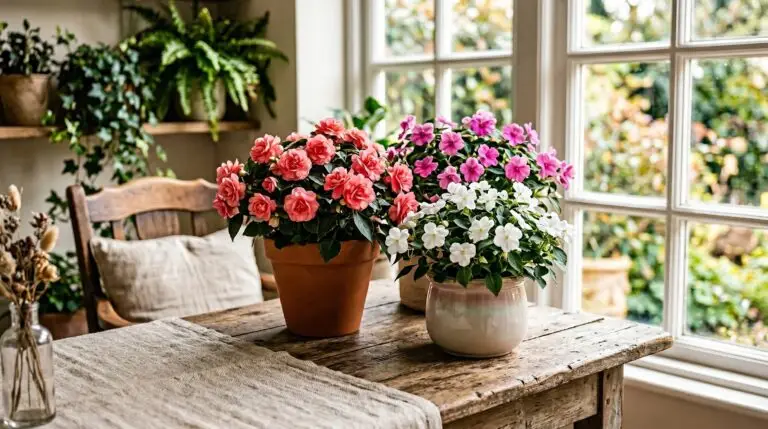
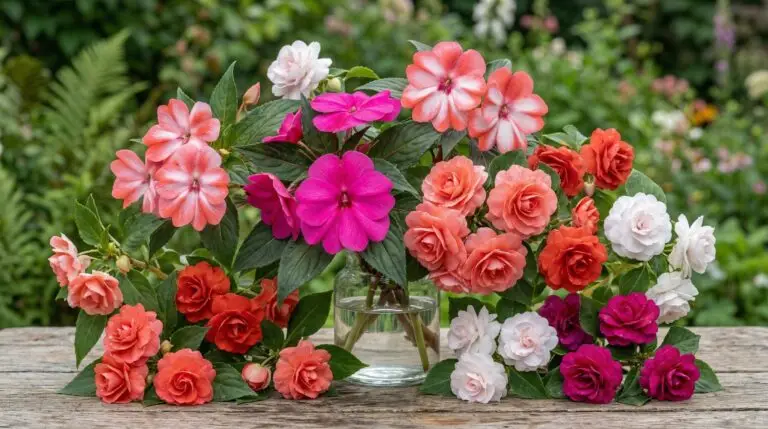
Most garden centers dedicate massive table space to single-flowered impatiens, leaving the double-flowered varieties tucked away as an afterthought. Double impatiens, such as those in the ‘Rockapulco’ or ‘Fiesta’ series, produce complex, multi-petaled blooms that closely resemble miniature roses. These are highly specialized plants that perform terribly if you treat them like standard landscape bedding. Their heavy, dense flowers hold onto rainwater, which causes them to rot quickly if planted out in the open garden. They belong exclusively in covered spaces, such as deep porches or glass houses, where they receive bright ambient light but zero direct precipitation.
When placed in the correct environment, double impatiens offer a level of refinement that standard varieties simply cannot match. I often recommend them as a shade-tolerant alternative for gardeners who struggle to keep a begonia happy in humid, stagnant air. The ‘Rockapulco Appleblossom’ is a particularly excellent selection, offering pale pink petals that fade to white at the edges. You must feed them aggressively with a liquid fertilizer every two weeks to maintain their high petal count throughout the season. If starved of nutrients, the new flowers will revert to a simpler, semi-double form that loses the rose illusion entirely.
Making the final selection
Curating a garden requires honest assessments of how much time you are willing to spend watering, feeding, and worrying about plant diseases. While the traditional shade varieties have reclaimed their territory with the new ‘Beacon’ genetics, they still occupy a relatively narrow niche in the dark understory. The double-flowered types demand strict environmental controls and constant feeding to look their best. Standard New Guinea types offer beautiful foliage but punish any lapse in watering with immediate wilting and dropped buds. Every variety has a specific use case, but one clearly stands out as the most robust and versatile option for the average landscape.
My top recommendation for nearly any garden situation is the ‘SunPatiens’ line, specifically the ‘Compact’ series within that group. They eliminate the traditional boundaries of shade gardening by performing equally well in full sun or dappled light. Their massive root systems make them far more drought-tolerant than any other impatiens variety on the market. You can plant them in May, establish them with a few weeks of careful watering, and rely on them to anchor your beds until late autumn. They are the absolute best of modern plant breeding, solving multiple gardening problems with a single, highly vigorous plant.
More About Impatiens
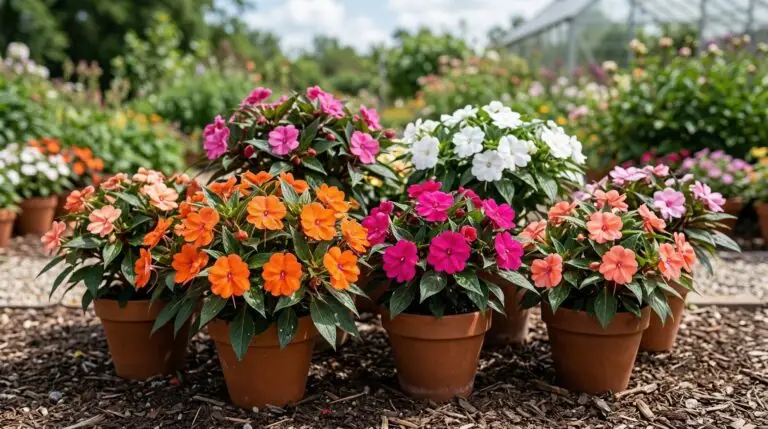
SunPatiens versus regular impatiens and which one handles sun and heat
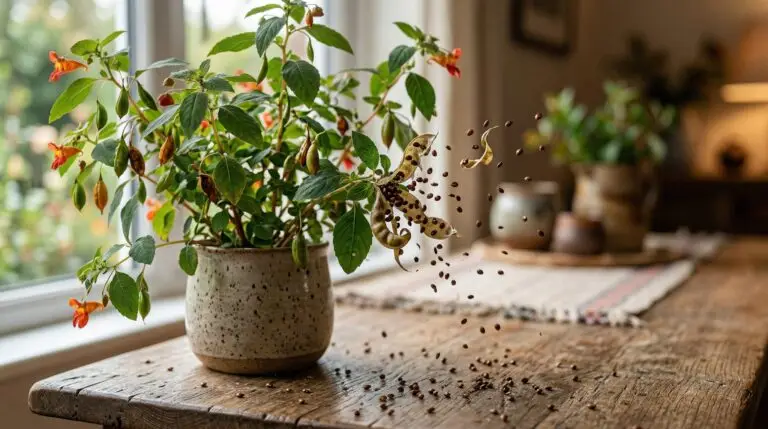
How impatiens seed pods explode and the fun of growing touch-me-nots from seed
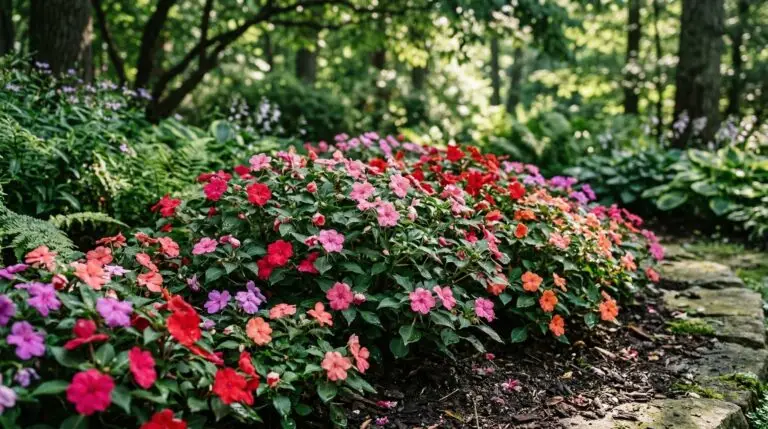
How to grow impatiens for non-stop color in shady spots where nothing else blooms
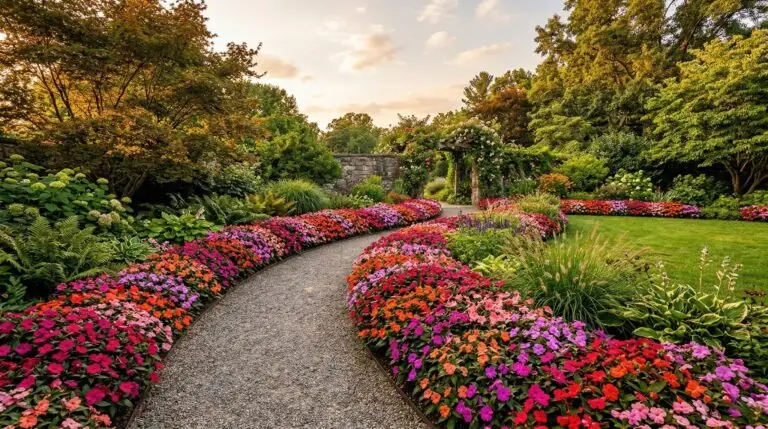
Mass planting impatiens for dramatic sweeps of color under trees and along walkways
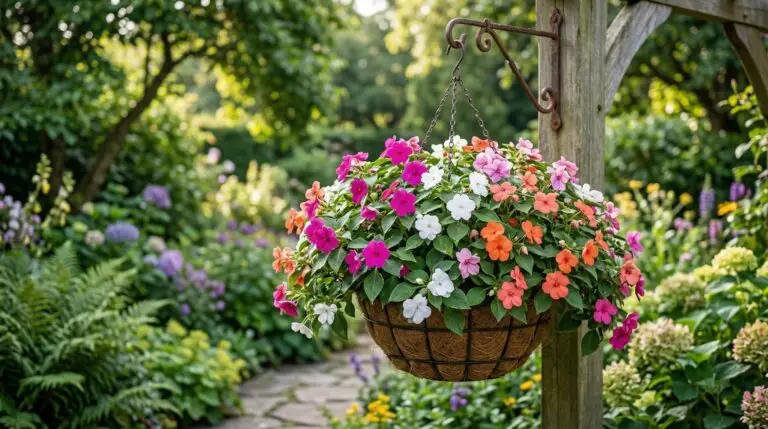
Growing impatiens in hanging baskets for cascading color on porches and patios
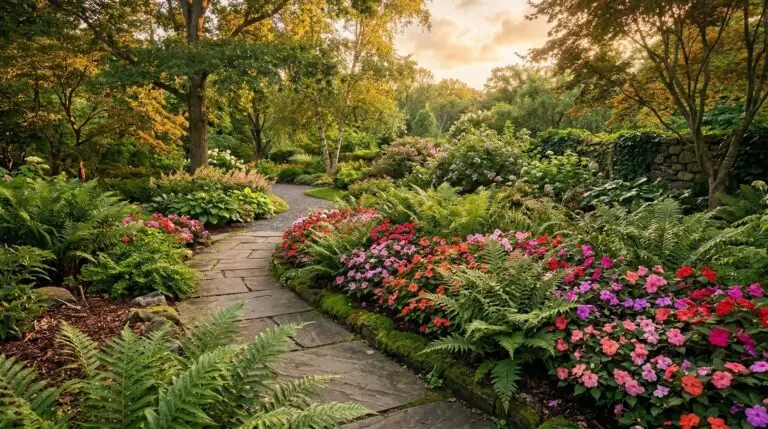
Companion plants for impatiens: what to grow, what to avoid
New Guinea impatiens for bigger bolder flowers with colorful foliage in partial shade
Impatiens downy mildew disease and the new resistant varieties that saved this flower