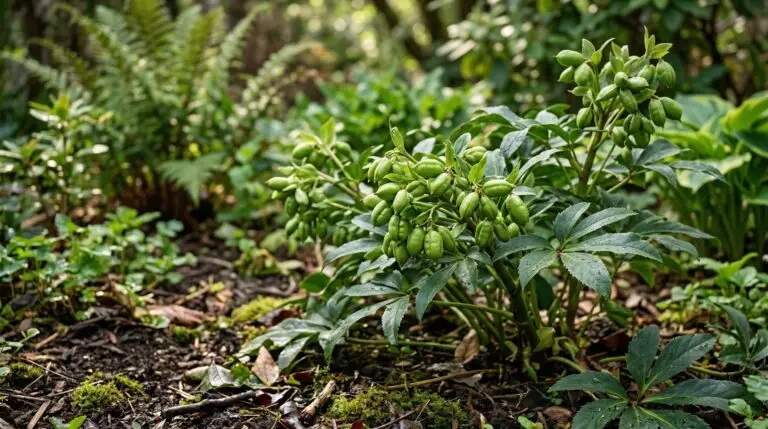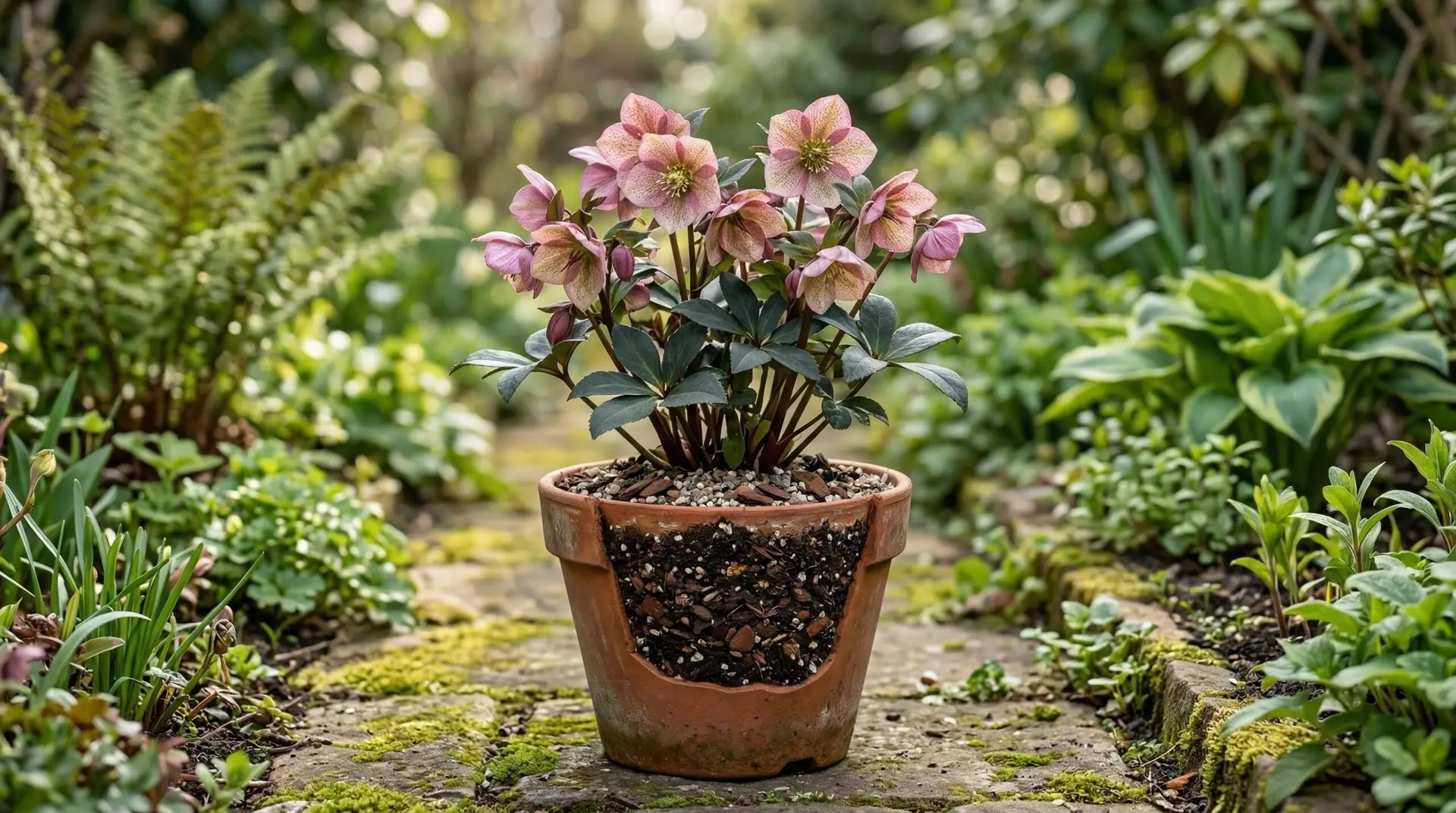
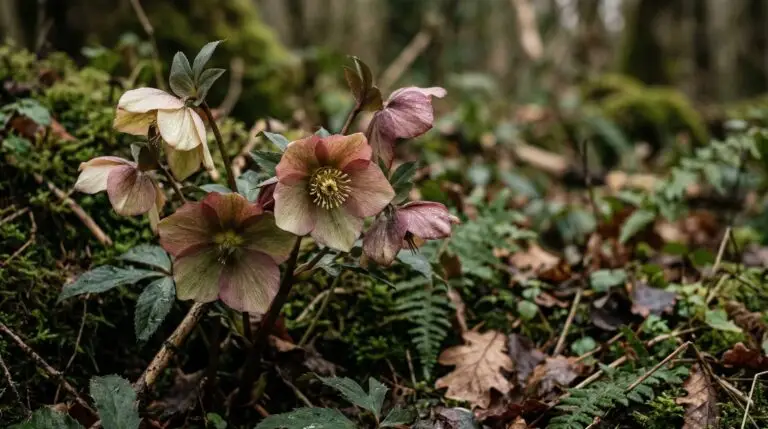
There is a specific kind of garden fatigue that sets in right around late January when the yard is mostly frozen mud and brown stalks. The empty terra cotta pots stacked on the patio are a constant reminder that spring is still a long way off. Filling a few of those pots with hellebores changes the entire feeling of a winter doorstep. These tough evergreen plants push up thick flower buds right in the middle of winter, opening into saucer-shaped blooms while the rest of the garden sleeps. Growing a hellebore in pots brings those blooms up closer to eye level where they can be appreciated without kneeling in the cold dirt. The flowers naturally nod downward to protect their pollen from snow and rain, so placing the pots on a raised porch or a patio table makes it much easier to see the details inside the blossoms. The thick, leathery leaves provide excellent texture even before the blooms appear in shades of deep purple, pale green, or speckled white. A mature plant will keep blooming for months, holding onto its color well into the spring thaw.
Getting the soil and drainage right for pots
The fastest way to kill a container hellebore is to let it sit in cold, soggy potting soil over the winter. These plants have thick, fleshy roots that rot quickly if they are trapped in waterlogged dirt. A standard bag of potting mix straight from the hardware store usually holds too much moisture for them during the dormant season. Modifying that basic mix by stirring in generous handfuls of perlite, coarse sand, or fine pine bark chips creates the fast-draining environment they actually need. Hellebores prefer a soil pH that is close to neutral, though they will tolerate slightly acidic conditions just fine. If the local garden center only sells acidic mixes meant for azaleas, adding a small handful of garden lime to the pot will help balance things out. The container itself absolutely must have large drainage holes, and elevating the pot on a few small flat stones or bricks prevents the hole from freezing shut against the patio concrete. Using a layer of gravel at the bottom of the pot is an old myth that actually worsens drainage, so fill the entire pot with the modified soil mixture instead.
Watering and feeding during the cold season
Figuring out when to water winter containers is a common struggle for many home gardeners. It is easy to assume that plants do not need water when it is cold outside, but winter winds pull a surprising amount of moisture out of the soil. A potted hellebore resting under a covered porch or wide roof overhang will not receive any natural rain or snow melt. Checking the soil with a bare finger every week or two is the most reliable way to know if the plant needs a drink. If the top two inches of dirt feel completely dry, it is time to water the pot thoroughly until moisture runs out the bottom. Always water during the warmest part of the day so the excess liquid has time to drain away before the nighttime freeze sets in. Fertilizing is largely unnecessary during the dead of winter because the cold temperatures prevent the roots from taking up heavy nutrients. Waiting until the very end of winter or early spring to apply a light, balanced organic fertilizer gives the plant a gentle boost right as it finishes blooming.
Surviving winter freezes in containers
Plants growing in containers experience much colder root temperatures than those planted directly in the garden beds. A hellebore that survives minus twenty degrees in the ground might struggle in a thin plastic pot left exposed to freezing winds. Gardeners in the South can usually leave their potted hellebores out on the patio all winter without a second thought. In northern zones, the approach changes because the soil in the pot will freeze completely solid. Thick resin or high-fired glazed ceramic pots offer better insulation than thin plastic, though terra cotta runs the risk of cracking when wet soil expands inside it. Pushing the pots right up against the brick or siding of the house provides a microclimate that is several degrees warmer than the open yard. During a hard freeze, the entire plant will collapse against the soil and look completely dead to protect its cell structures. They are not dead, so simply give them time to naturally stand back up once the temperature rises above freezing.
Creating doorstep displays with companion plants
A large hellebore makes a fine centerpiece for a winter container, but adding a few companion plants turns a basic pot into a proper doorstep display. The trick is to choose partners that share the same tolerance for cold weather and well-drained soil. Tucking small spring-flowering bulbs into the dirt around the edges of the pot creates a layered effect as the season progresses. A ring of early blooming bulbs like the classic snowdrop will push up through the soil just as the hellebore flowers are opening. Small trailing ivies or creeping wire vine can be planted at the rim to spill over the sides and soften the edge of the container. For a larger patio arrangement, setting the hellebore pot next to a container-grown camellia provides contrasting foliage and extends the flowering timeline. The hellebore foliage might look a bit battered or flat after a heavy snow, but snipping off the oldest, ragged leaves right at the base makes the whole display look fresh. Removing that old foliage also removes hiding spots for pests and directs all the plant’s energy into the new flowers.
When the weather finally warms up and the summer heat arrives, a container hellebore will need a change of scenery. These plants despise baking in the hot afternoon sun, especially when their roots are confined to a pot. Moving the containers to a shaded spot under a tree or on the north side of the house keeps them happy through the hottest months. They will need regular watering during the summer, but the soil must still dry out slightly between soakings. Many gardeners treat potted hellebores as temporary winter decorations, planting them out into the permanent garden beds once spring arrives to make room for summer annuals. Moving them to the garden is a highly successful strategy, though they will often take a full year to settle into their new spot before blooming heavily again. Keeping them in pots year after year is entirely possible, provided they get a fresh top-dressing of compost each fall. When the roots start circling the bottom and pushing out of the drainage holes, simply bump the plant up to a slightly larger pot with fresh soil to keep the winter show going for another year.
More About Hellebore
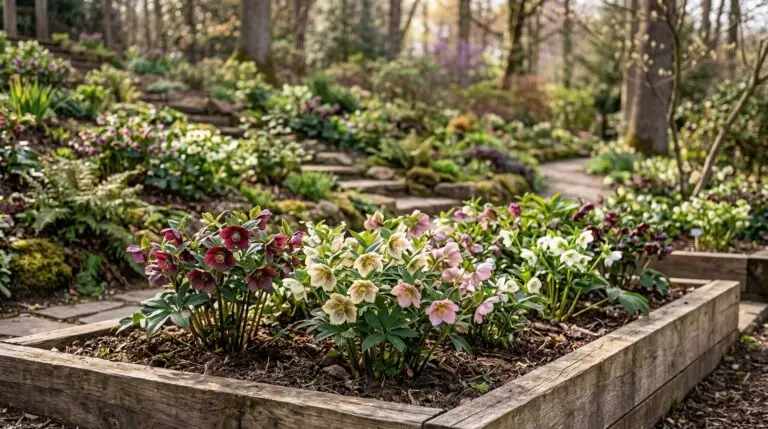
Why hellebore flowers face downward and how to display their hidden beauty
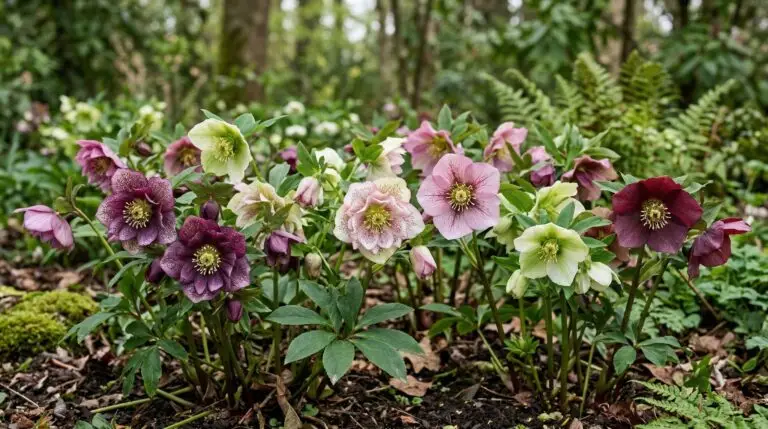
Best hellebore varieties from single-color classics to double-flowered showstoppers
Hellebore flower meaning and the dark legends surrounding the Christmas rose
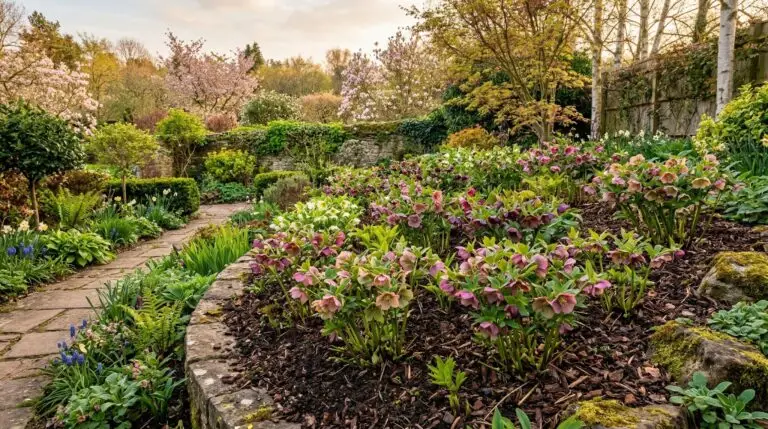
How to clean up hellebore foliage in late winter for the best flower display
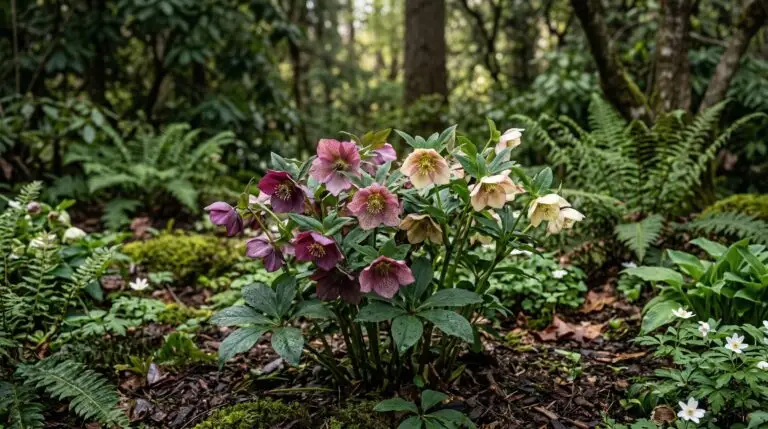
How to grow hellebores for elegant flowers that bloom in the dead of winter
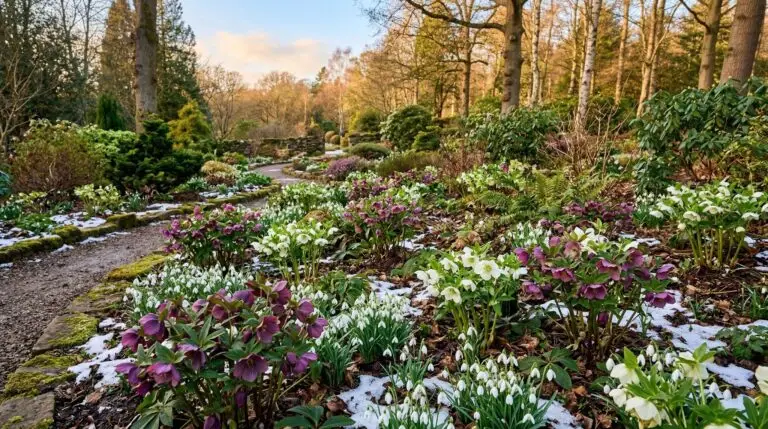
Companion plants for hellebore: what to grow, what to avoid
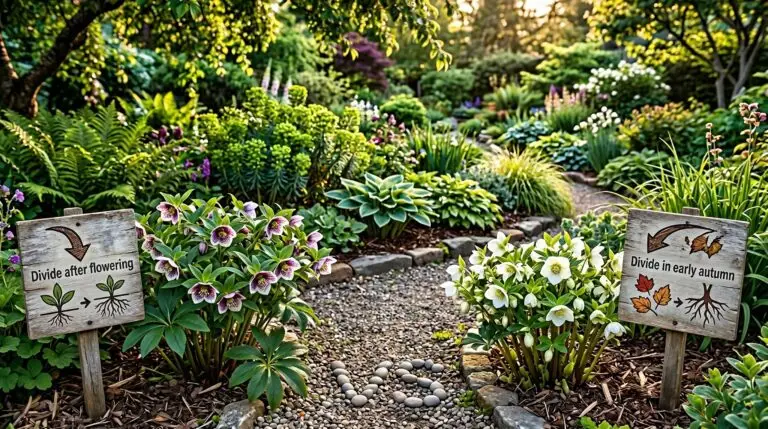
Dividing hellebores and the right time to split mature clumps without killing them