Late August brings a specific quality of light to the garden, casting long shadows across borders that have grown wild and unruly. The heat settles deep into the soil, and many of the delicate early summer blooms have long since gone to seed. This is the moment when the black eyed Susan steps forward, offering a steady supply of golden yellow petals surrounding deep chocolate centers. Walking through the garden with a pair of sharp clippers in the early morning feels like a quiet, necessary ritual. Gathering these cheerful daisies transforms the untamed energy of the late summer garden into something you can hold in your hands. The rough texture of their stems and the slight resinous scent of their leaves ground you firmly in the present season.
Most gardeners discover that these rugged native perennials are surprisingly elegant when arranged in a simple glass pitcher or a heavy ceramic jug. Using rudbeckia cut flowers offers a practical solution to the fading summer garden, bridging the gap between the soft pastels of June and the deep rust tones of October. Their sturdy stems hold up beautifully under the weight of their own blooms, making them remarkably easy to arrange even for a novice. They bring a piece of the meadow right to the kitchen table, carrying the warmth of the season indoors with them. Watching the morning sunlight hit a freshly arranged black eyed susan bouquet on the windowsill is one of the distinct pleasures of late summer. The simple daisy shape feels familiar and comforting as the season shifts toward autumn.
Timing the harvest for maximum longevity
The secret to a long-lasting arrangement begins long before the flowers ever reach the water in your kitchen. Timing your harvest dictates exactly how well the blooms will hold up in an indoor environment. The ideal moment to cut a stem is when the petals have just fully opened, but the dark central cone is still tight and completely smooth. If you look closely at older blooms in the garden, you will notice tiny yellow pollen structures blooming up the dark cone from the outside edge inward. Flowers cut before this pollen ring forms will last significantly longer on your dining table. Cutting early in the morning, while the stems are fully hydrated from the cool night air, gives the plants the best possible start.
Choosing the right stems requires a discerning eye and a willingness to look past the largest, most obvious blooms. You want stems that feel firm and rigid to the touch, avoiding any that bend softly right below the flower head. Sometimes a single stalk will carry one perfect open flower and several tight green buds branching off the sides. Leaving those side buds attached adds wonderful texture and a sense of wildness to your final arrangement, even if the buds never fully open indoors. Taking the time to select stems of varying lengths will also make the arranging process feel much more natural later on. Cutting deep into the plant encourages more branching, which means you will have plenty of flowers to cut again next week.
Conditioning stems to extend black eyed susan vase life
Bringing your harvest indoors is only the first step in the process of creating a lasting display. The foliage of the black eyed Susan is notoriously hairy and prone to breaking down quickly if left submerged in water. Stripping every single leaf from the portion of the stem that will sit below the water line is absolutely essential for keeping the water clean. Any green material left in the water will rot, feeding bacteria that quickly block the stems from drinking. Many experienced flower growers strip almost all the foliage off completely, allowing the bright yellow petals to stand out without the visual clutter of the coarse green leaves. Taking this extra minute at the sink ensures the water remains clear and odorless for days.
Once the stems are stripped and trimmed at a sharp angle, they need a proper resting period in a cool, dark room. Placing them in a bucket of fresh, cool water for a few hours allows the stems to fully hydrate before you begin wrestling them into a vase. Under the right conditions, a black eyed susan vase life can easily stretch to ten days or more. You just need to change the water entirely every two or three days, giving the stems a fresh trim each time you do. There is something satisfying about tending to the vase, watching the blooms remain bright and cheerful while the days outside grow steadily shorter. The routine of washing the glass and snipping the ends becomes a calming weekly chore.
Designing a late summer black eyed susan bouquet
A pitcher full of nothing but black eyed Susans makes a strong, graphic statement, but these flowers also play beautifully with others. They anchor mixed arrangements with their solid color and familiar daisy shape. You can create a classic late summer feel by mixing them with the papery, saturated blooms of the zinnia, which shares a similarly sturdy constitution and love for the heat. The bright yellow petals of the rudbeckia provide a perfect resting place for the eye between more complex flower shapes. Adding a few trailing vines or airy grasses from the yard softens the rigid stems and gives the whole piece a loose, gathered-from-the-field quality. The goal is to mimic the casual feeling of a roadside meadow rather than a formal florist delivery.
For a truly dramatic display, you can scale up the size of your arrangement by incorporating heavier late-season blooms. The dark central cones of the black eyed Susan echo the dark centers often found on a classic sunflower, tying a large-scale rustic arrangement together perfectly. When working with these heavier flowers, use a heavy, wide-bottomed vase or a vintage stoneware crock that will not tip over under the weight. You can also introduce the rich, velvety textures of a dark burgundy dahlia to contrast with the simple, sunny disposition of the daisies. The resulting arrangement captures the exact mood of September, balancing the lingering heat of summer with the deep, moody colors of autumn. The deep reds and bright yellows sitting together on a table signal the changing of the seasons.
As the season slowly turns and the garden begins to fade into browns and grays, bringing these resilient flowers indoors feels like holding onto the light. They sit quietly on the kitchen counter or the dining table, dropping a single yellow petal every now and then as the days pass. Their rough stems and bright faces require very little fuss, yet they change the entire feeling of a room. Arranging them is a simple act that connects the wildness of the yard to the comfort of the house. You are left with the quiet satisfaction of having captured the very last warmth of the summer garden in a simple glass jar. The golden blooms remain a steady, cheerful presence right up until the first frost finally arrives outside.
More About Black-eyed Susan

Black eyed Susan and coneflower planted together for the ultimate prairie garden
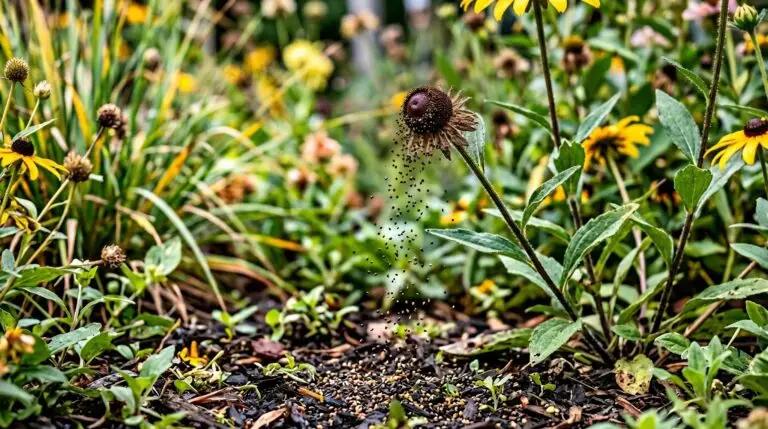
How to keep black eyed Susans from taking over your garden while still enjoying them

Naturalizing black eyed Susans along roadsides and meadows for wild beauty
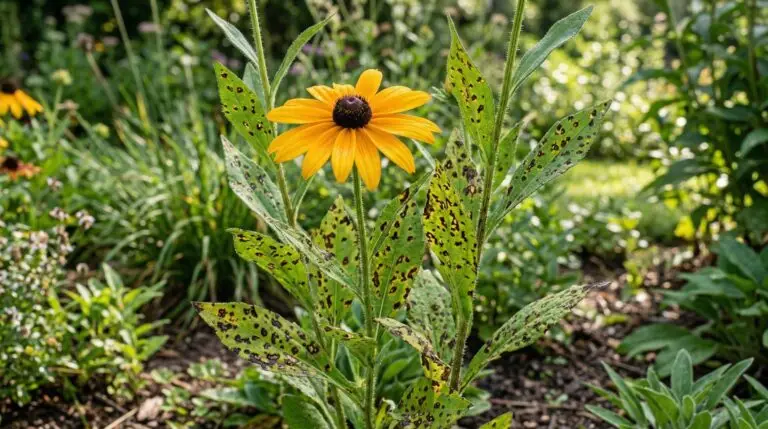
Black eyed Susan problems including leaf spot and aphids and organic solutions
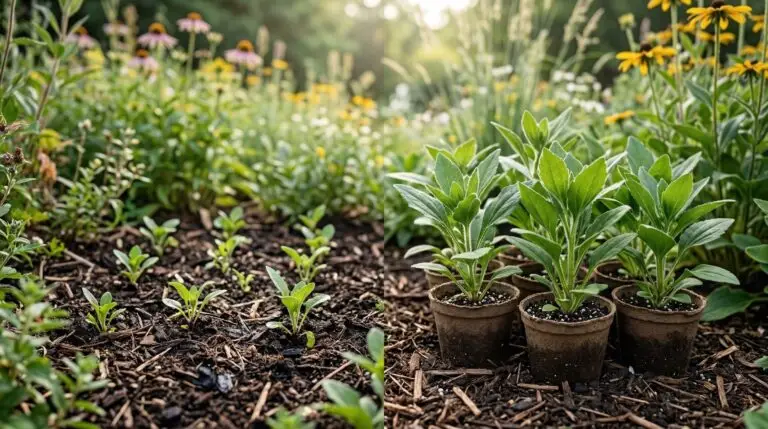
How to grow black eyed Susans from seed for masses of golden summer blooms
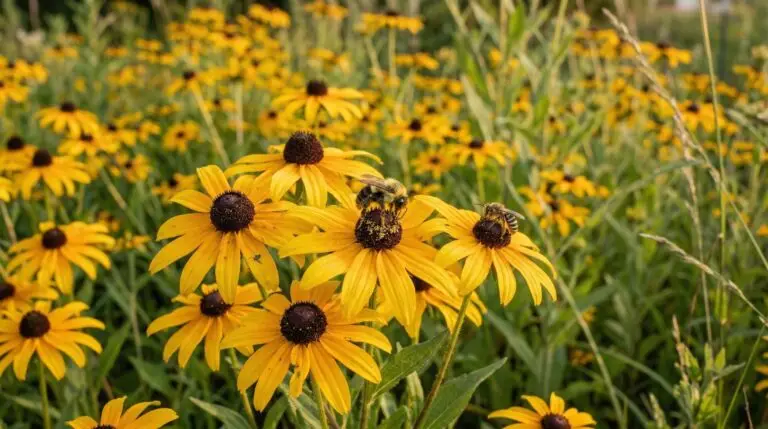
Why black eyed Susans are one of the best native plants for pollinator gardens
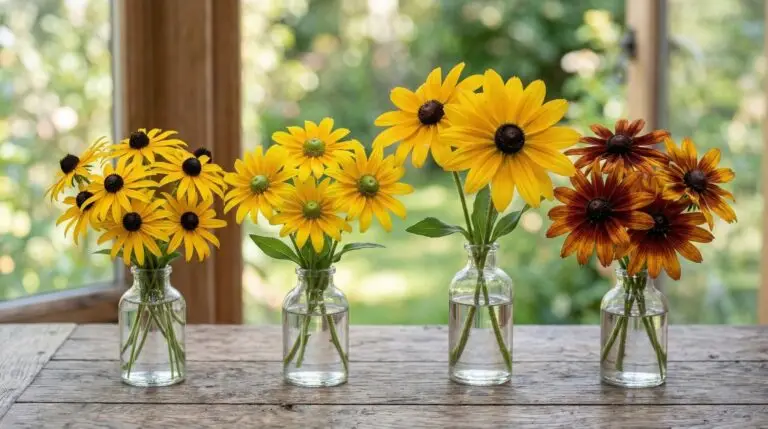
Black eyed Susan varieties from classic Goldsturm to dramatic Cherokee Sunset