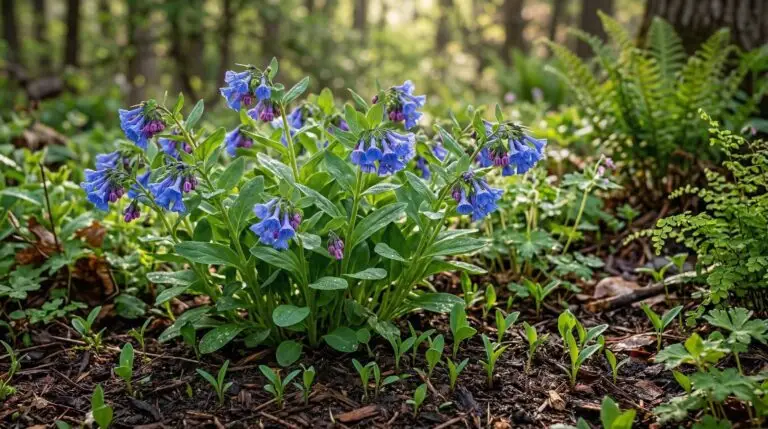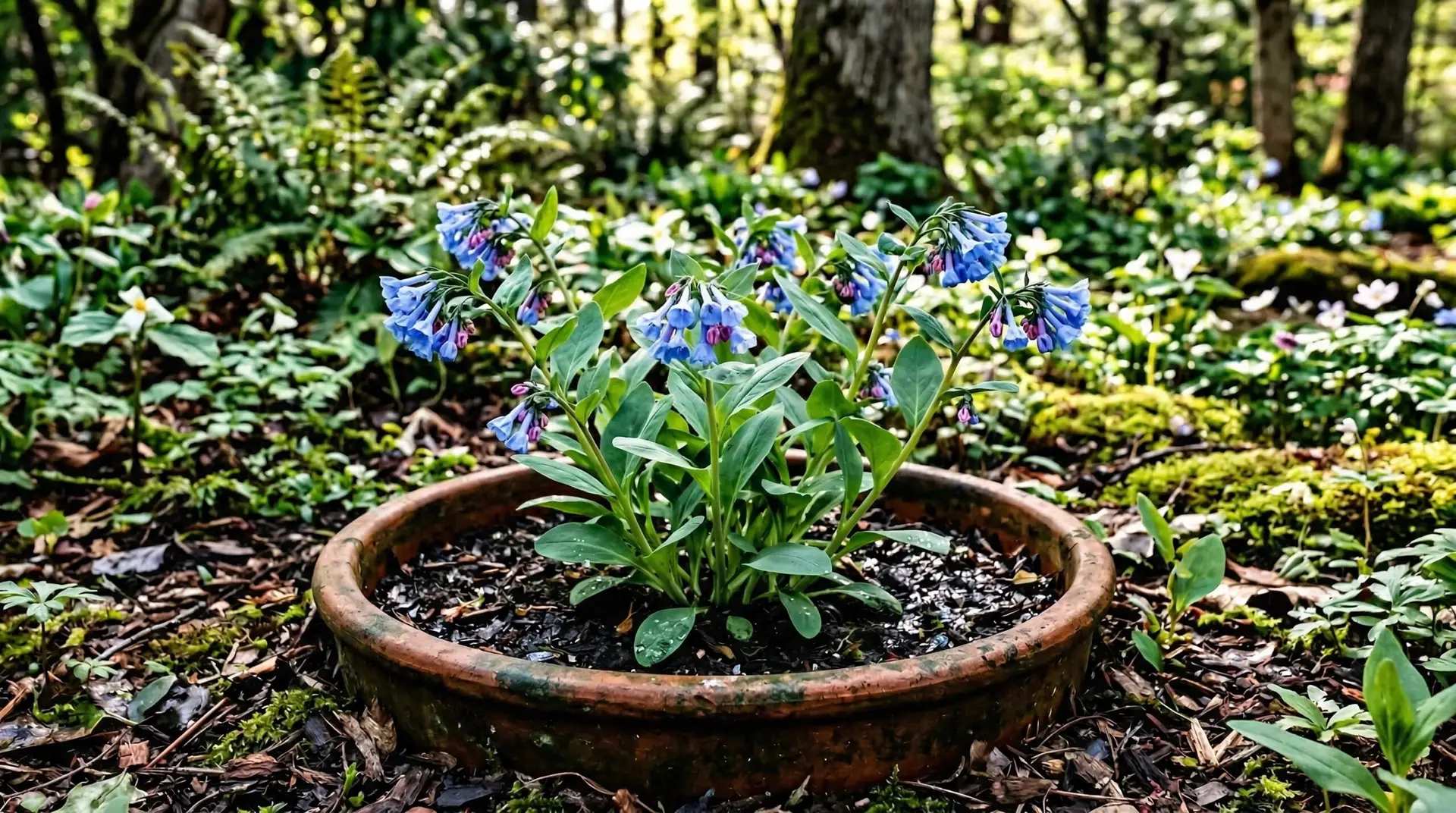
There is a specific moment in early spring when the patio feels a bit bare, right before the trees fully leaf out. That is exactly when a shade container spring garden earns its keep, bringing color to spaces alongside early bloomers like hellebores. Growing Virginia bluebells in pots brings those familiar, nodding pink and blue flowers right up to the back door where they are easy to appreciate. After trying both methods for several years, the one that consistently works is treating these woodland natives as temporary guests above ground and long term residents below the soil. The foliage emerges early, puts on a short show, and then completely vanishes by early summer. That disappearing act catches new gardeners off guard, often leading them to throw out a perfectly healthy pot thinking the plant died. The roots are very much alive down in the dirt, just resting until the following spring.
Selecting a deep pot for root storage and moisture
Virginia bluebells grow from thick, fleshy rhizomes that need plenty of vertical space to stretch out and store energy. A shallow decorative bowl will not provide enough room, causing the roots to rot or dry out too quickly. Using a deep container for root storage is the single most important factor for keeping container bluebells healthy year after year. A standard five gallon plastic nursery pot works perfectly well, and slipping it inside a nicer ceramic planter keeps things looking neat on the patio. The soil needs to mimic a rich forest floor, holding moisture without turning into a soggy mess. Mixing standard potting soil with a generous handful of compost and some perlite creates a good balance. The pots must have large drainage holes because sitting in freezing water over the winter will turn those fleshy roots to mush. Adding a layer of shredded leaves to the top of the soil helps retain moisture and feeds the soil organisms just like natural leaf litter in the woods.
Watering and winter care across different climates
Moisture retention is a high priority while the plants are actively growing and blooming in April and May. The soil should feel like a damp sponge during this active period, requiring frequent watering if the spring weather turns unusually dry. Once the leaves start to yellow and die back in June, the watering schedule changes entirely. The dormant roots prefer much drier conditions during the heat of summer, so moving the pot under the eaves of the house prevents heavy summer thunderstorms from waterlogging the soil. Gardeners in the South may find this summer dormancy period easier to manage in pots than in the ground, as the containers can be tucked away in a cool, dry corner out of the baking sun. In northern zones, the approach changes when winter arrives, since roots in pots freeze much harder than roots in the ground. Moving the containers into an unheated garage or burying the plastic pots in an empty garden bed protects the dormant plants from severe freeze and thaw cycles. The soil should remain barely damp through the winter months to keep the sleeping roots from shriveling.
Hiding the empty dirt with companion plants
Because Virginia bluebells are true spring ephemerals, a pot dedicated entirely to them will look like a bucket of plain dirt from July through March. The trick to a successful ephemeral container display is planting other things in the same pot to take over the space. Ferns and small hostas make excellent roommates because they emerge just as the bluebell foliage begins to look messy and yellow. The emerging summer plants hide the dying leaves, which must be left attached to the plant until they easily pull away so the roots can absorb every last bit of energy. For an even longer spring show, tucking a hellebore into the center of a large pot provides evergreen foliage and late winter blooms before the bluebells wake up. Adding a few early bulbs like a snowdrop around the edges creates a layered succession of flowers that lasts for months. By the time the hot weather arrives, the summer shade plants have filled the container completely, leaving no trace of the spring display underneath.
Dividing roots to maintain vigorous growth
Over time, the fleshy roots will multiply and eventually crowd the container, leading to fewer flowers and smaller leaves. Emptying the pot every three or four years during the late summer dormancy period is the best way to keep the plants vigorous. Dumping the soil onto a tarp reveals the dormant rhizomes, which look a bit like small, wrinkled carrots or knobby ginger roots. Breaking these clumps apart gently with your hands yields several new plants that can be repotted in fresh soil or shared with a neighbor. The divided pieces look completely lifeless when they go back into the dirt, and it takes a lot of faith to water a pot of bare soil for the rest of the autumn. They are not dead, and they just need time to settle into their new space before the ground freezes. Top dressing the newly divided pots with an inch of fresh compost provides a slow release of nutrients that will be ready when the roots wake up in March.
Growing woodland plants in containers requires a bit of patience and a willingness to trust what is happening under the soil. The first year after potting them up, the plants might produce fewer flowers as they focus on establishing their root systems. Leaving the pots alone during their long summer sleep is often the hardest part for people who are used to watering their patio containers every day. Resist the urge to dig around in the dirt to check on them, as this usually snaps off the delicate growth buds forming just below the surface. When the first purple shoots push through the cold soil the following spring, all that careful waiting pays off. The garden provides exactly what is needed when the time is right, as long as the roots have a safe place to rest.
More About Virginia Bluebells
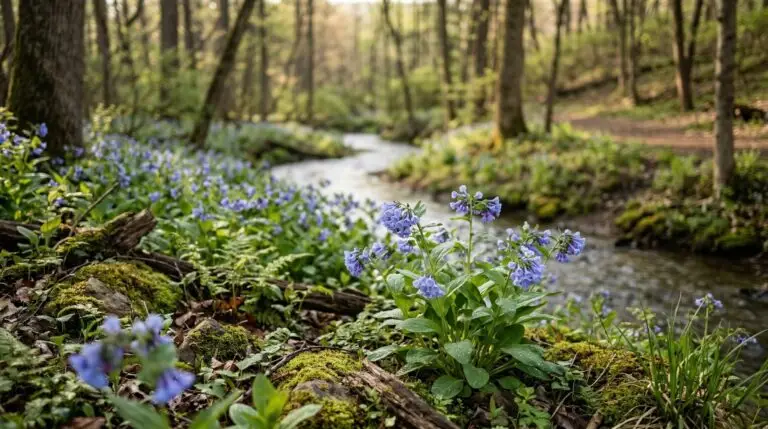
Where to see Virginia bluebells in the wild and the best springtime woodland hikes
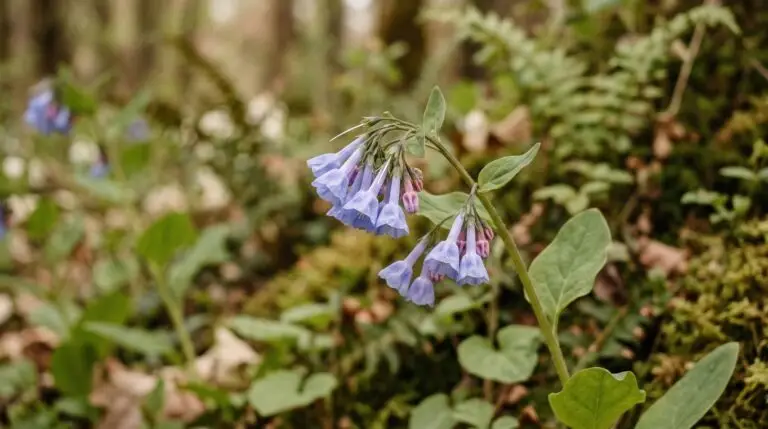
Virginia bluebells flower meaning and the native wildflower that colors eastern woodlands blue
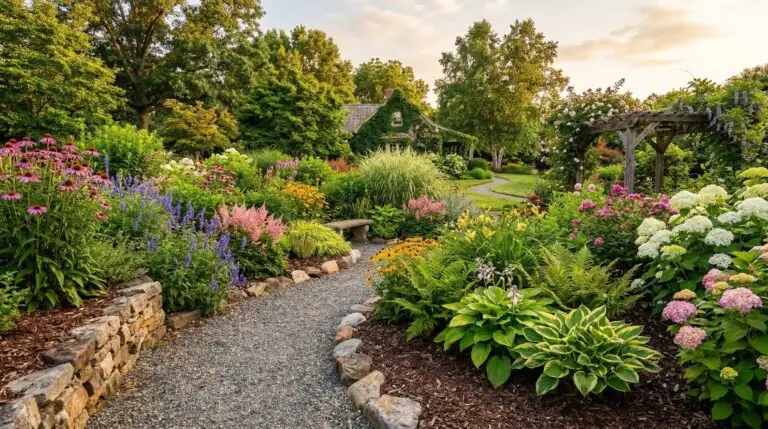
Virginia bluebells as spring ephemerals and planning for the gap when they vanish in summer
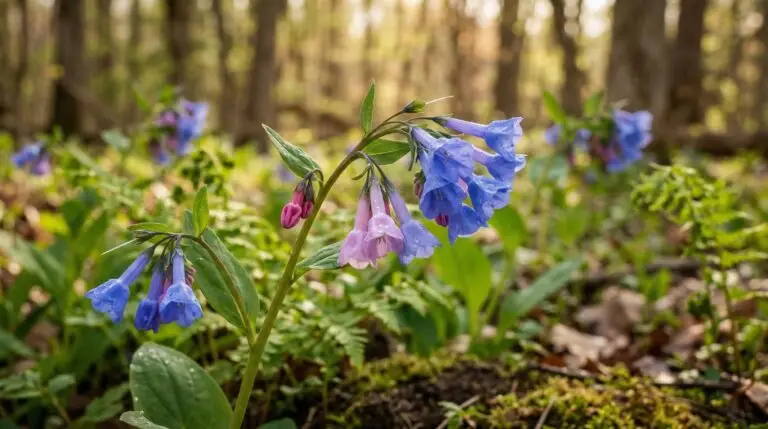
Why Virginia bluebell flowers change from pink buds to blue and the pH science behind it
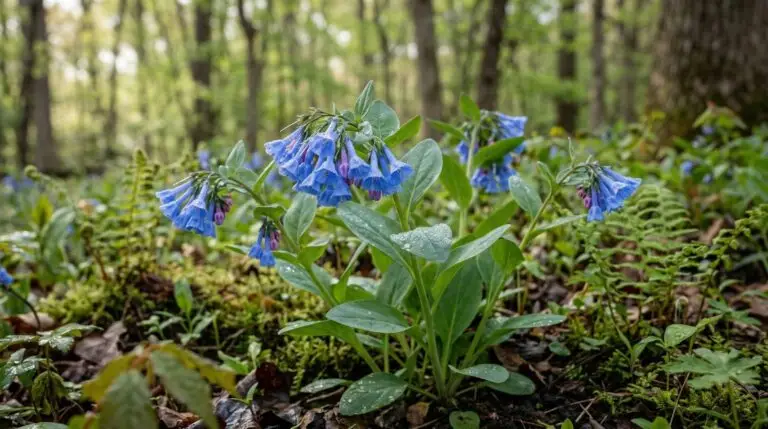
How to grow Virginia bluebells for dreamy blue drifts in spring woodland gardens
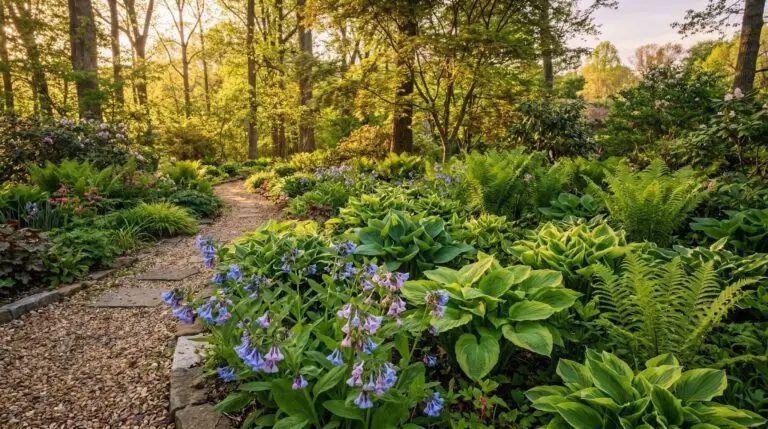
Virginia bluebells companions: what to plant and avoid
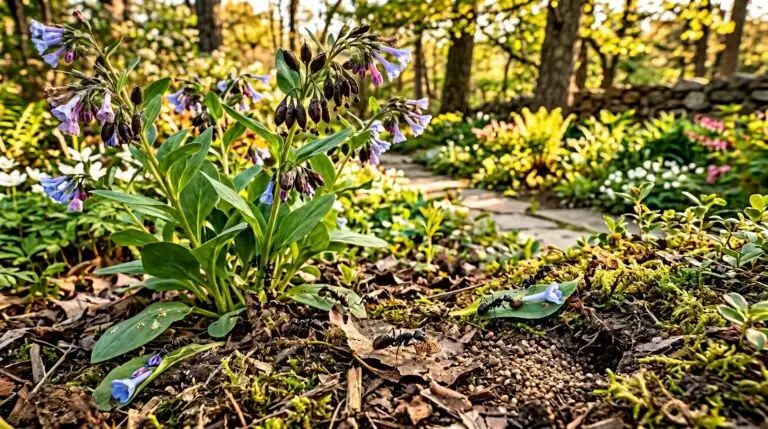
Naturalizing Virginia bluebells in woodland areas for expanding blue carpets every spring
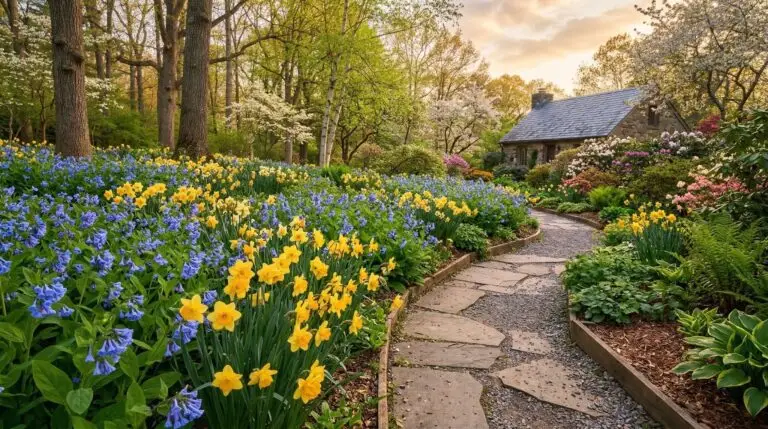
Virginia bluebells combined with daffodils for the ultimate spring woodland color combination