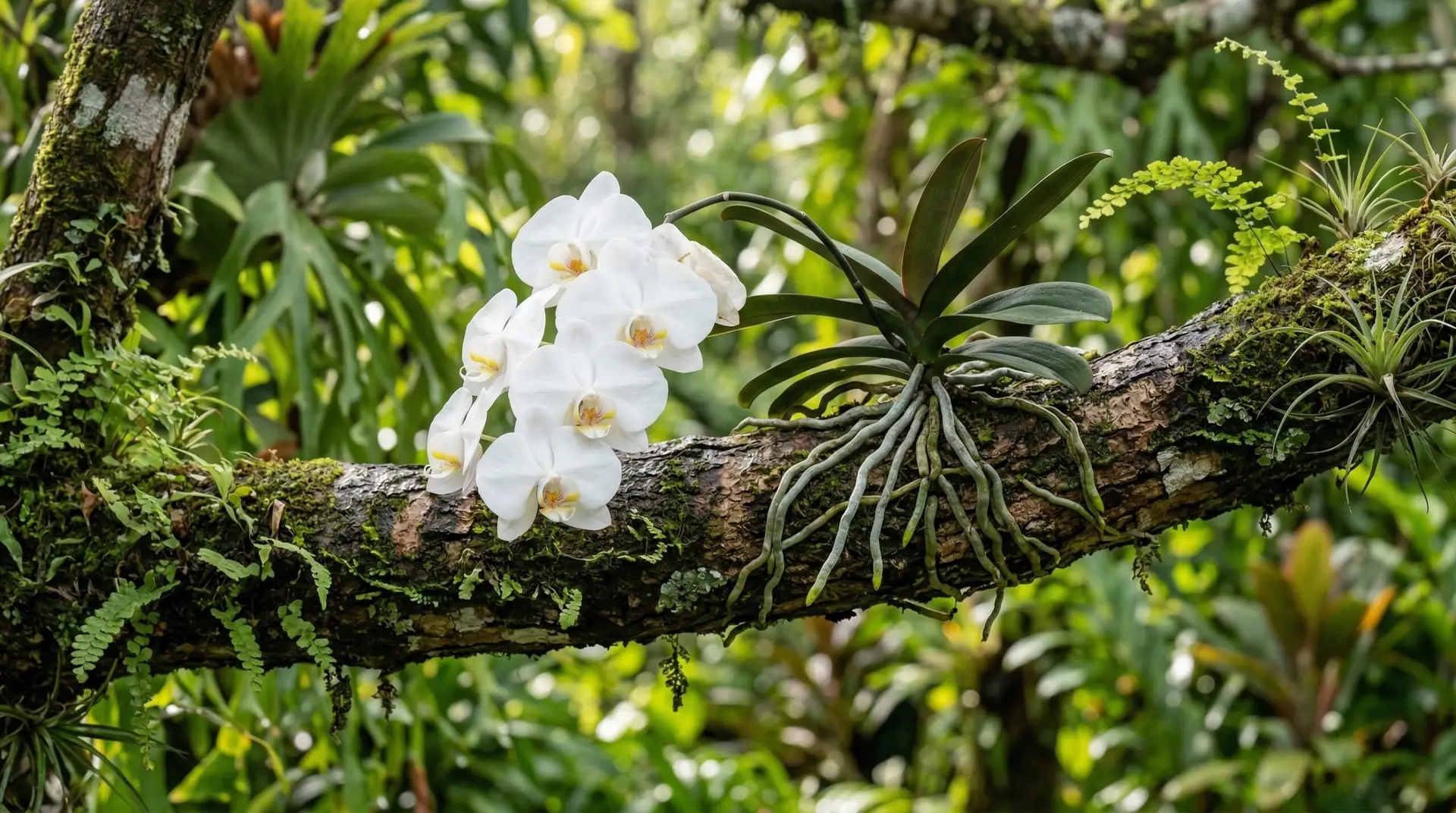
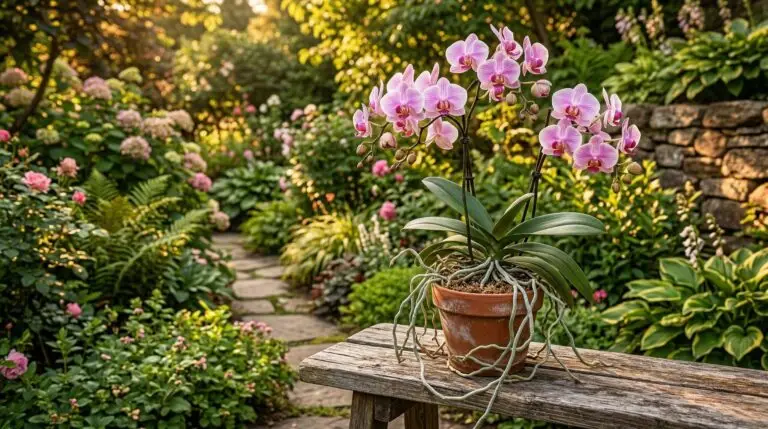
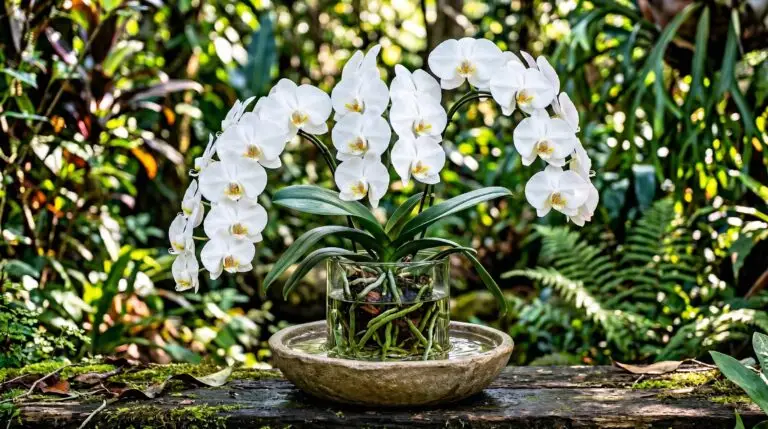
One of the first things gardeners ask when they start growing a moth orchid is why the roots seem so determined to escape their container. People often bring home a neat little plant in a plastic cup and panic a few months later when thick silvery tentacles start reaching into the air. This happens because moth orchids are epiphytes in their natural habitat rather than terrestrial plants that grow in soil. In the wild, they cling to tree branches high in the forest canopy where their roots are completely exposed to the elements. When you see orchid roots outside the pot, your plant is simply doing what comes naturally to it. It is reverting to its wild habit of exploring its surroundings to anchor itself and gather resources. Rather than being a sign of a problem, these wandering roots are a fantastic indicator that your plant has enough energy to grow vigorously.
Making sense of roots that refuse to stay in the pot
The natural follow-up question is what exactly these roots are doing up in the air instead of digging down for nutrients. Orchid aerial roots are highly specialized structures covered in a spongy layer called velamen that acts like a sponge to pull moisture straight out of the humid air. When it rains in their native environment, this velamen soaks up water rapidly and turns a deep green color. Because these roots are exposed to the sun, they actually contain chlorophyll and perform photosynthesis to help feed the plant. This is a neat survival trick that terrestrial plants like a Bird of Paradise do not need since their roots are safely buried in rich soil. By sending roots out into the open air, your moth orchid is maximizing its ability to catch passing humidity and ambient light. You can actually watch them work if you mist them lightly and see the silvery coating turn green almost instantly.
This leads to something many growers wonder about when their plant starts looking a bit untidy on the windowsill. People frequently ask if they should trim these escaping roots to make the plant look neater or try to bend them back down into the potting medium. The short answer is that you should never cut healthy aerial roots off your moth orchid. Removing them deprives the plant of valuable moisture-gathering tools and creates open wounds where bacterial infections can easily enter. Trying to force them back into a small plastic pot usually results in snapping the brittle inner root core. Proper orchid root care involves letting these wanderers do exactly what they want to do even if it makes the plant look a little wild. If the chaotic look bothers you, placing the plastic nursery pot inside a slightly larger decorative ceramic container can help mask the roots while still giving them room to breathe.
Learning how to handle and water exposed orchid roots
This brings up a practical question about how you are supposed to water a plant that has half of its roots hanging outside the container. Many people just pour water through the bark in the pot and completely ignore the roots spilling over the sides. While the potted roots will absorb enough water to keep the plant alive, the aerial roots will eventually shrivel if they never receive any moisture. The best approach is to take your moth orchid to the sink when it is time to water and let a gentle stream of room-temperature water run over the potting mix and the exposed roots. You can also use a spray bottle to mist the aerial roots every few days between your main watering sessions, especially if you live in a dry climate. Just be careful not to let water pool in the crown of the leaves where they meet the stem, as this leads to rot. Giving those wandering roots a regular drink keeps them plump, active, and capable of supporting the heavy flower spikes your plant will eventually produce.
While we are looking at these wandering roots, you might be wondering how to tell if they are actually healthy. A healthy aerial root will feel firm to the touch and have a silvery-gray appearance when dry, often with a glossy green tip that shows active growth. Sometimes these roots will turn slightly yellow or pale green if they have been shaded by leaves, which is completely normal. If you notice the roots turning brown, papery, and hollow, they have likely dried out completely and died. Conversely, roots that are dark brown and mushy have rotted, usually because they were kept too wet or the humidity was too high with poor air circulation. You can safely trim away the dead, hollow, or mushy parts using sterilized scissors, but always leave the firm, silvery sections intact. Learning to read these visual cues is a great way to monitor your plant’s overall hydration levels without ever having to dig into the potting mix.
Adapting to seasonal changes and repotting needs
Another common curiosity is whether an abundance of aerial roots means the orchid desperately needs to be repotted. Sometimes a plant will push roots out into the air simply because the bark or moss inside the pot has broken down and become too acidic or compacted. If the roots inside the container are rotting while the plant throws out dozens of aerial roots to survive, you definitely need to replace the potting medium. However, if the medium is fresh and drains well, a few aerial roots are just a sign of a happy epiphyte exploring its space. You will see similar behavior if you branch out into growing an Oncidium Orchid, as they also love to send fine white roots creeping over the edge of their containers. When it does come time to repot your moth orchid, you can gently coax some of the lower aerial roots into the new bark mixture. Just do not force any rigid ones that refuse to bend, as they will be perfectly happy continuing their life in the open air.
You might not have considered what happens when the environment in your home changes with the seasons and how it affects these exposed roots. During the dry winter months when central heating drops indoor humidity to desert levels, you will often notice the tips of your aerial roots sealing over and stopping their active growth. This is a built-in defense mechanism to prevent the plant from losing moisture to the dry air around it. Instead of worrying about the stalled growth, you can support your plant by running a small humidifier nearby or setting the pot on a tray filled with pebbles and water. As spring returns and the indoor humidity naturally rises, those blunt root tips will often break open again and resume their bright green, creeping growth. Understanding this seasonal rhythm helps you realize that your orchid is constantly communicating with you through its roots. By paying attention to what those silvery tentacles are doing, you will always know exactly what your plant needs to thrive.
More About Moth Orchid
Growing orchids in bathrooms and why humidity-loving phalaenopsis thrive near showers
Why your orchid is not blooming and the simple temperature trick that triggers new flowers
Orchid arrangements and centerpieces that make any room feel luxurious and elegant
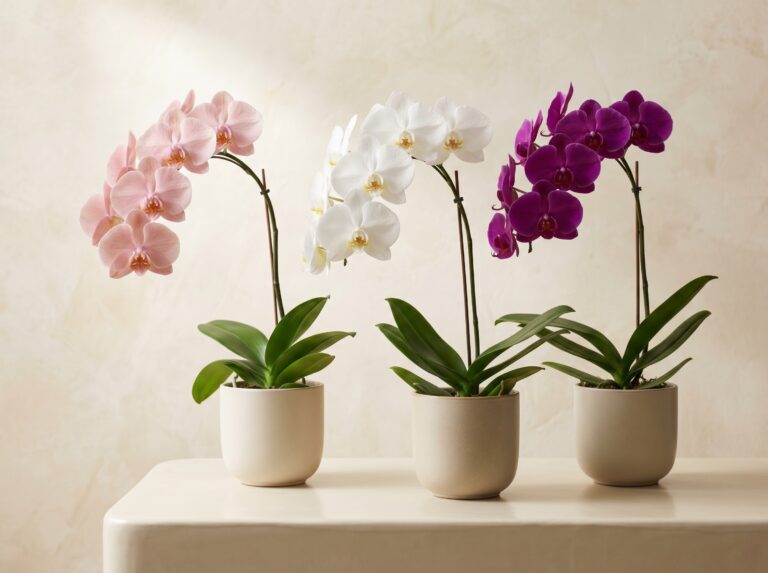
Orchid meaning, by colour and tradition, honestly explained
Repotting orchids step by step without killing the plant or damaging aerial roots
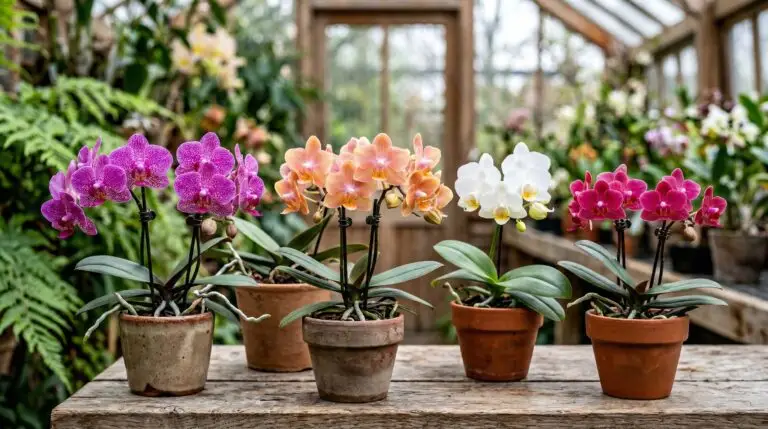
Best moth orchid varieties and the incredible range of phalaenopsis colors and patterns
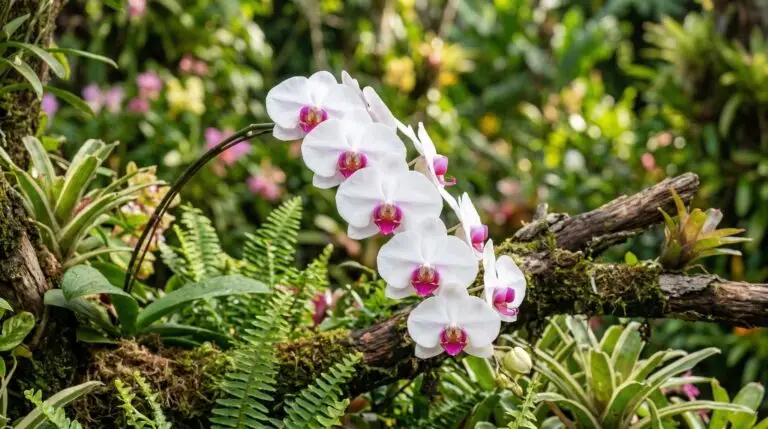
How to care for moth orchids so they bloom again and again for years
Watering orchids correctly and the ice cube myth versus what actually works