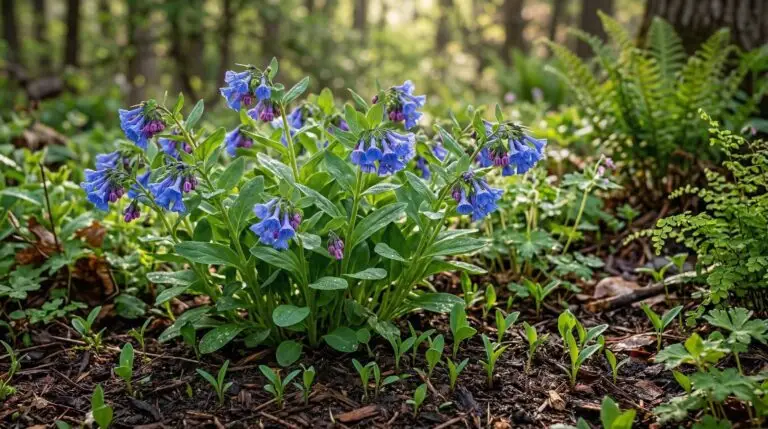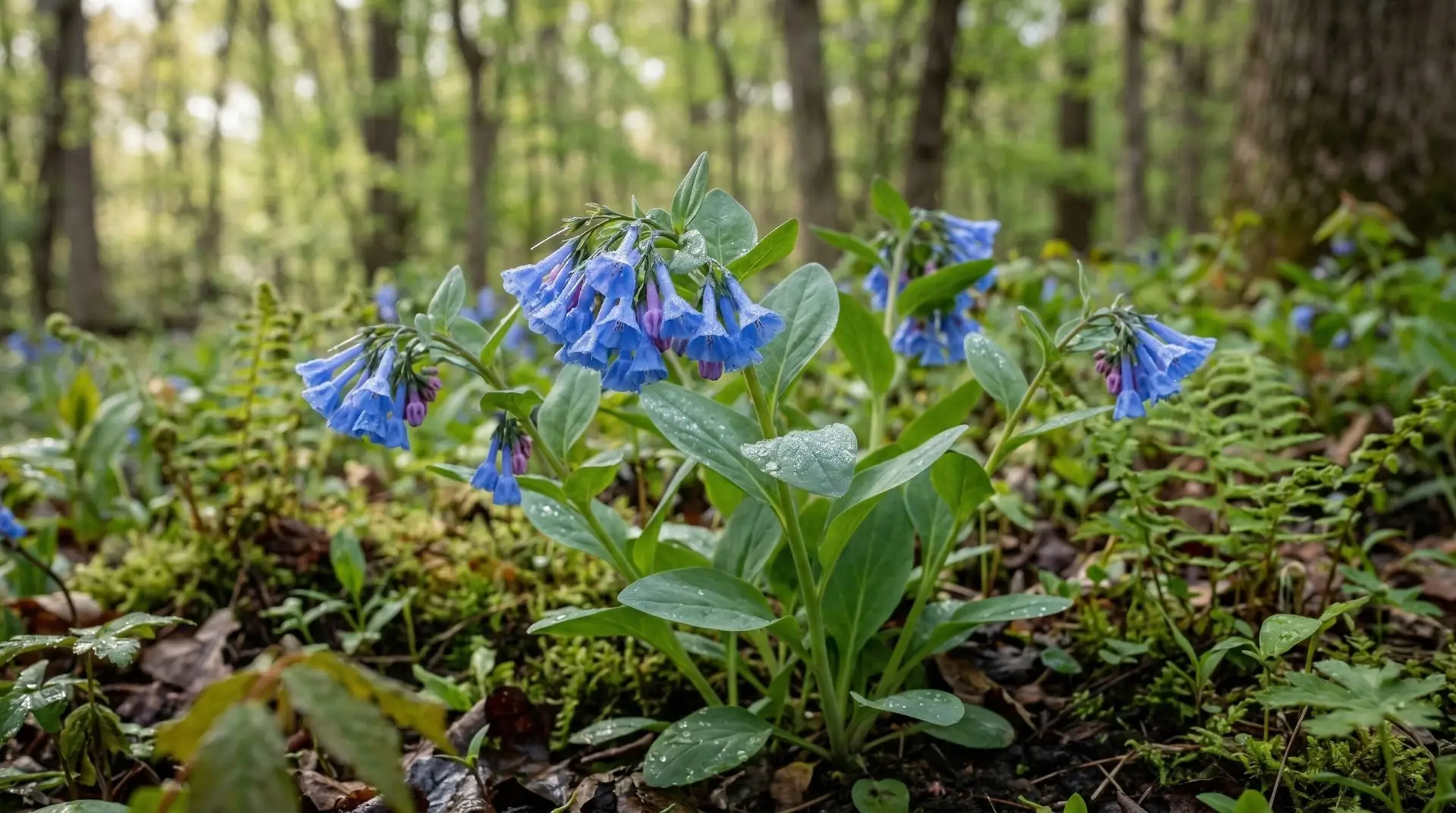
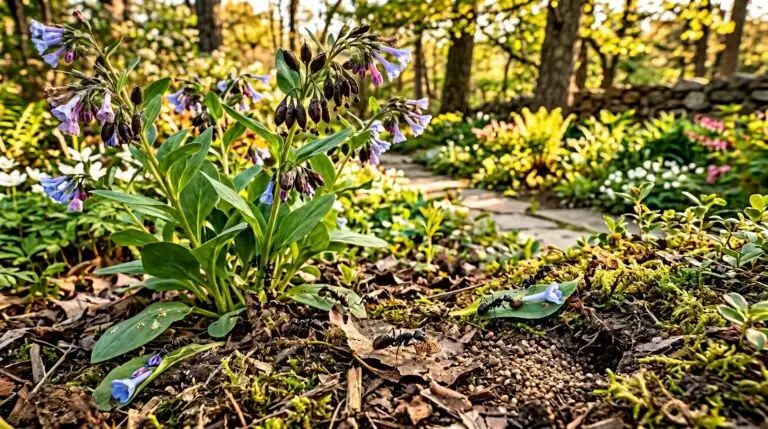
The buds of Virginia bluebells emerge a distinct, purplish-pink before transforming into a clear, sky blue as the flowers open. This color change is driven by a shift in the cellular pH within the petals, a fascinating chemical process that signals to pollinators that the flower is mature and ready for business. Known scientifically as Mertensia virginica, this native North American wildflower belongs to the borage family. When you observe a sprawling colony of these bell-shaped blooms in a damp woodland, you are witnessing one of the most striking displays of spring. The sheer density of a mature patch creates a sweeping carpet of color that rivals any cultivated garden bed.
Understanding the life cycle of the Virginia bluebells plant reveals exactly why it behaves the way it does in our gardens. This species is a classic spring ephemeral, meaning it has evolved to complete its entire above-ground life cycle in a brief window of time before the tree canopy leafs out. It takes advantage of the early spring sunlight hitting the forest floor, rapidly pushing up foliage, blooming, setting seed, and then completely dying back to the ground by early summer. This rapid growth strategy requires massive amounts of stored energy, which the plant holds in thick, fleshy underground rhizomes. Because it disappears entirely when summer arrives, gardeners must plan their beds carefully so they do not accidentally dig into the dormant roots.
The biology of a spring ephemeral
The underground architecture of Mertensia virginica dictates its specific growing requirements in the home garden. The plant relies on a network of stout, finger-like rhizomes that sit quite close to the soil surface. These storage organs are brittle and easily damaged by aggressive cultivation, which is why the plant thrives best in undisturbed areas. Understanding that this plant is a shallow-rooted species explains why it struggles in compacted clay or areas with heavy foot traffic. The root system is perfectly adapted to the loose, leaf-littered environment of a mature deciduous forest. By mimicking this natural soil structure with generous applications of compost and decomposed leaves, you provide the exact physical environment the rhizomes need to expand and form those highly desired blue drifts.
Water management is another important factor of growing Virginia bluebells successfully. In their native habitat, these plants often grow in floodplains, along stream banks, and in low-lying woodland hollows that stay consistently moist during the spring months. The large, soft, oval leaves lack a thick waxy cuticle, meaning they lose water rapidly through transpiration if exposed to hot sun or dry winds. This biological reality means the plant requires damp soil while it is actively growing and flowering. However, once the plant enters its summer dormancy, the fleshy roots actually prefer slightly drier conditions to prevent rot. Finding a site that is wet in spring but drains well in summer is the secret to keeping a colony healthy for decades.
Replicating the woodland floor for optimal growth
Proper mertensia virginica care requires observing how light filters through a forest canopy over the course of the seasons. In early spring, the bare branches of deciduous trees allow full or dappled sunlight to reach the ground, providing the solar energy necessary for the bluebells to photosynthesize rapidly. By the time the trees fully leaf out and cast deep shade, the bluebells have already done their primary work and are beginning to retreat underground. Planting them under deep-rooted shade trees like oaks or hickories mimics this natural light cycle perfectly. If you try to grow them in a spot that receives full summer sun, the foliage will scorch and die back prematurely, robbing the rhizome of the energy it needs for the following year. You can pair them with other early bloomers, much like you might plant a snowdrop bulb to catch the very first rays of late winter sun.
Soil chemistry and texture play an equally important role in the establishment of a bluebell colony. They prefer soil that is rich in organic matter with a slightly acidic to neutral pH, exactly what you find in a forest where leaves have decayed for centuries. If your garden has poor, sandy soil or heavy, lifeless clay, you will need to amend the area heavily with leaf mold or compost before planting. These plants do not respond well to synthetic fertilizers, which can burn their sensitive feeder roots and promote weak, floppy growth. Instead, a natural topdressing of shredded leaves applied every autumn will break down slowly, feeding the soil microbiome and providing a steady, gentle supply of nutrients. This organic approach ensures the soil remains spongy and retains the spring moisture the plants crave.
Co-evolution with early spring pollinators
The physical structure of the Mertensia virginica flower is a perfect example of evolutionary specialization. The blossoms are shaped like elongated, tubular bells that hang downward in clusters, a design that protects the pollen from spring rains while restricting access to specific insects. The nectar is located at the very base of the long corolla tube, meaning only pollinators with a sufficiently long proboscis can reach the reward. Queen bumblebees, which emerge from hibernation just as the bluebells begin to open, are the primary and most effective pollinators for this species. As the heavy bumblebee clings to the hanging flower and probes for nectar, it vibrates the anthers, successfully transferring pollen. This mutualistic relationship is essential for the plant to produce its nutlet seeds, ensuring the colony can spread to new areas of the garden.
Other insects do visit the flowers, but they often have to cheat the system to get a meal. Certain species of butterflies and moths with long mouthparts can access the nectar, but some short-tongued bees resort to a practice known as nectar robbing. These smaller insects chew a tiny hole at the base of the flower tube to extract the nectar without ever coming into contact with the pollen, completely bypassing the reproductive mechanism of the plant. Observing this miniature drama unfold in a patch of bluebells adds a fascinating layer of ecological interest to the spring garden. The rich nectar source provided by these dense floral carpets is vital for sustaining native insect populations during the unpredictable weather of early spring. You might notice similar pollinator activity if you grow early-blooming hellebore varieties nearby, creating a haven for foraging insects.
Managing the summer disappearance
The most challenging aspect of growing Virginia bluebells is dealing with the empty space they leave behind when they go dormant. By late June, the once-lush green foliage turns yellow, collapses, and completely melts away into the soil. If planted in isolation, this leaves a bare patch of dirt that is highly susceptible to weed invasion during the summer months. The biological solution is to interplant your bluebell rhizomes with late-emerging shade perennials that will expand just as the bluebells are retreating. Hostas, ferns, and native wild ginger are excellent companions because their broad leaves will unfurl and cover the gaps perfectly. This succession planting mimics the layered ecology of a natural woodland, where different species occupy the same physical space at different times of the year.
Propagation of Mertensia virginica requires patience, as the plants grow relatively slowly from seed. While they will self-sow naturally if the conditions are right, the seedlings can take up to four years to reach blooming size, initially appearing as tiny, single leaves that are easy to mistake for weeds. If you want to expand your colony faster, you can carefully divide mature clumps of rhizomes in the fall after the plants have been dormant for several months. When digging, you must handle the brittle roots gently, breaking them into sections that each contain at least one dormant bud. Replanting these divisions immediately into moist, humus-rich soil will yield a beautiful display of blue flowers the following spring. You could even design an entirely blue-themed woodland corner by combining them with a forget-me-not border for a truly immersive color experience.
When you watch a Virginia bluebell push its way through the cold spring soil, you are seeing a masterclass in biological timing and resource management. This plant has adapted to exploit a highly specific, temporary ecological niche, gathering all the sunlight and water it needs for an entire year in just a few short weeks. The ephemeral nature of the foliage is not a weakness, but rather a brilliant evolutionary strategy to avoid the drought and deep shade of the summer forest. By understanding this underground rhythm, you can stop fighting the plant’s natural tendencies and instead create a garden environment that supports its brief, brilliant performance. The temporary nature of the bloom makes the vivid blue carpet all the more meaningful, reminding us that the most dynamic events in the garden are often the most fleeting.
More About Virginia Bluebells
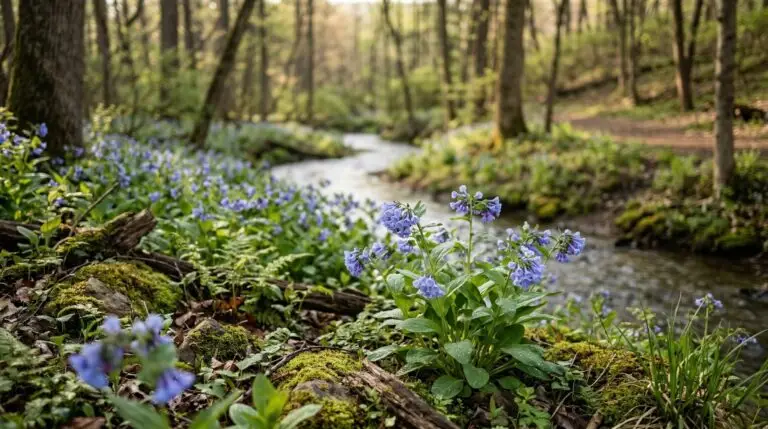
Where to see Virginia bluebells in the wild and the best springtime woodland hikes
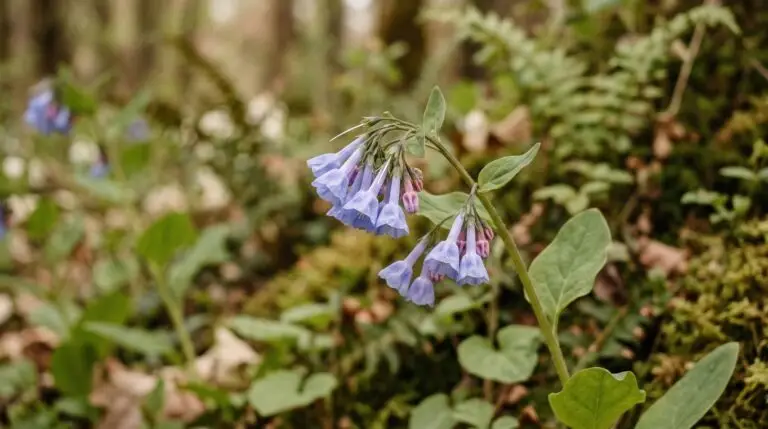
Virginia bluebells flower meaning and the native wildflower that colors eastern woodlands blue
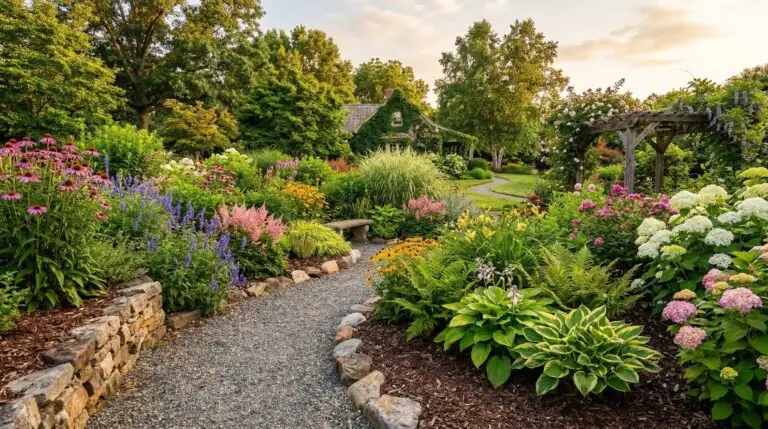
Virginia bluebells as spring ephemerals and planning for the gap when they vanish in summer
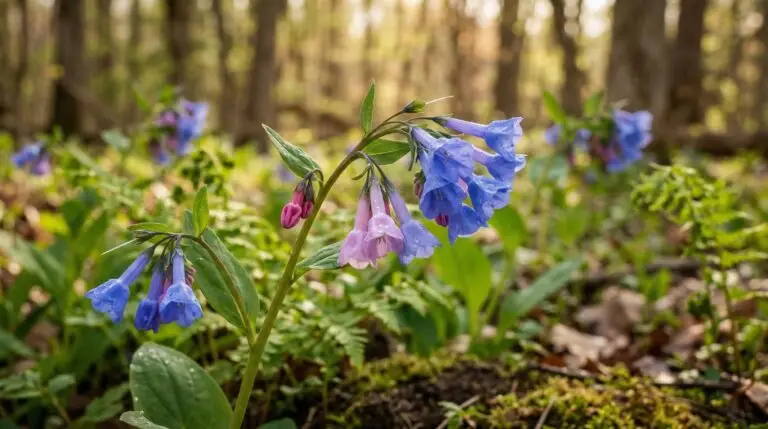
Why Virginia bluebell flowers change from pink buds to blue and the pH science behind it
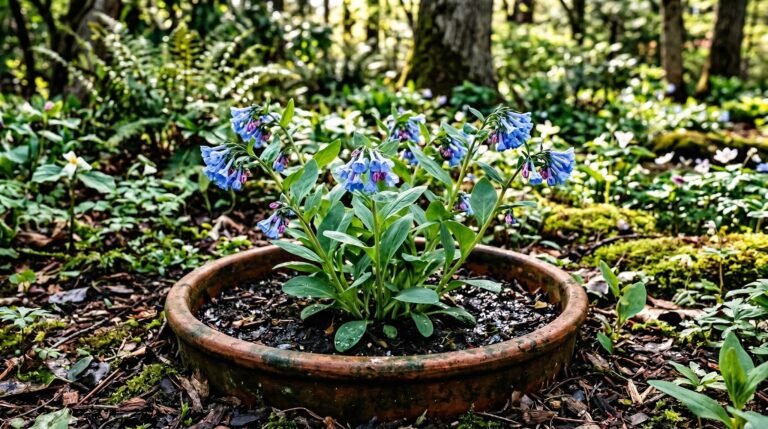
Growing Virginia bluebells in containers for a spring shade garden on a patio
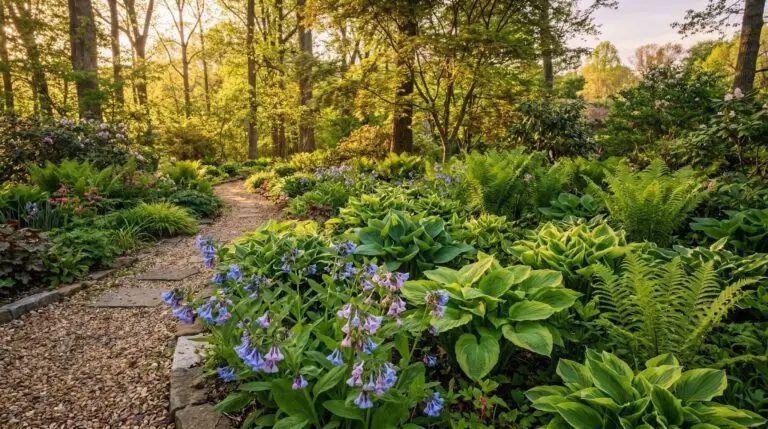
Virginia bluebells companions: what to plant and avoid
Naturalizing Virginia bluebells in woodland areas for expanding blue carpets every spring
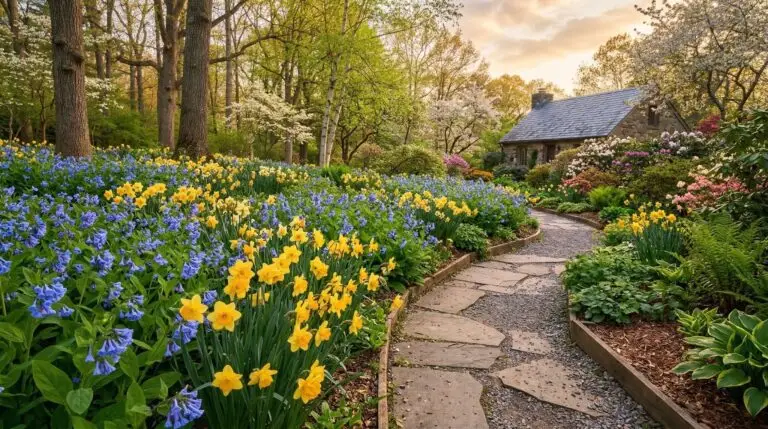
Virginia bluebells combined with daffodils for the ultimate spring woodland color combination