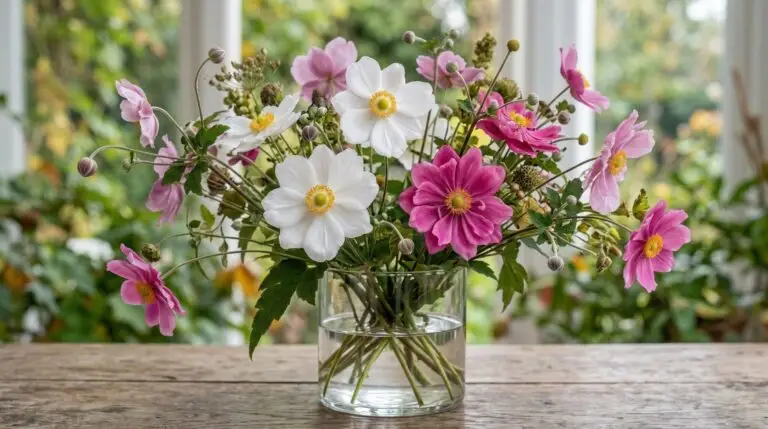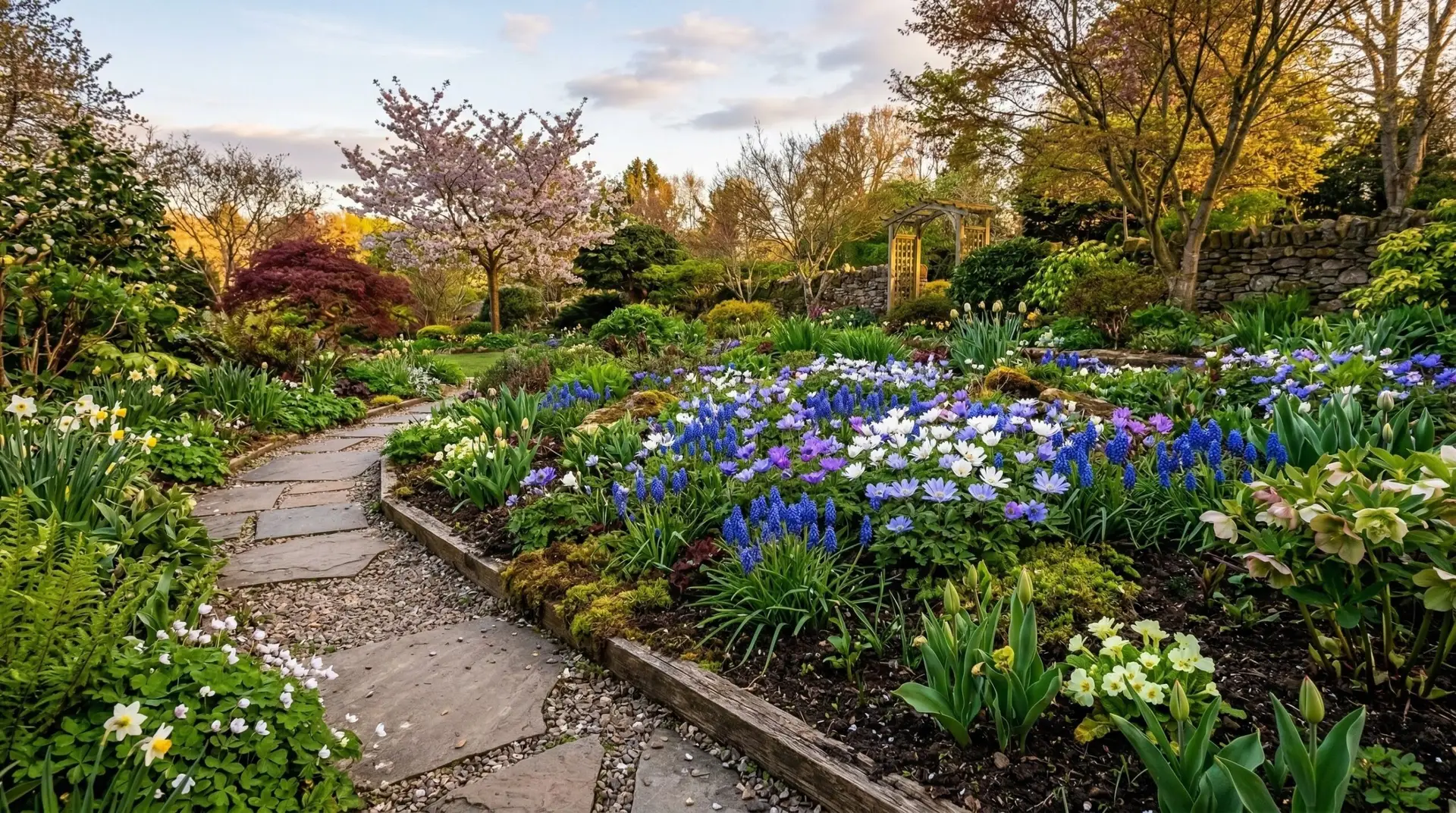
When designing a spring flower garden, the transition period between early bulbs and early summer perennials often requires strong visual anchors to maintain structure. Anemone and ranunculus play this role perfectly when planted together as focal points in the front or middle of a border. These two plants share similar growing requirements in cool spring soil, making them natural companions in a garden bed. While many gardeners treat them strictly as cutting garden subjects grown in straight agricultural rows, bringing them into the ornamental border elevates the entire design. They provide a density of color and a complexity of form that bridges the gap between the fleeting early spring ephemerals and the heavy, broad-leaved perennials of June. By treating these flowers as deliberate design elements rather than isolated specimens, you can create a cohesive composition that guides the eye through the garden.
Form and texture in the spring border
The success of planting anemone with ranunculus relies heavily on the contrast of their physical forms and textures. Anemones produce fine, deeply cut, fern-like basal foliage that creates a soft, mounding base at the soil level. From this delicate greenery, tall and wiry stems emerge to hold papery, open-faced flowers that move with the slightest breeze. In contrast, ranunculus has denser, thicker leaves that resemble flat-leaf parsley or celery, establishing a more substantial visual weight on the ground. The blooms of ranunculus are heavy, architectural rosettes packed with dozens of tightly overlapping petals. When you place the airy, kinetic energy of the anemone next to the static, dense geometry of the ranunculus, you create an immediate and satisfying tension in the garden bed.
Scale and proportion dictate exactly where these plants should sit within your borders. Because both plants typically reach heights of twelve to eighteen inches, they belong near the front edge of a planting area or directly alongside a frequently traveled pathway. Placing them too far back in a deep bed obscures their complex details and throws off the balance of the planting scheme. You want the viewer to look down into the dark, velvety centers of the anemone flowers and appreciate the precise, circular symmetry of the ranunculus buds. Designing a spring flower garden requires this strict attention to sightlines, ensuring that these relatively low-growing plants are not swallowed by taller, aggressive neighbors before they have a chance to bloom. Keeping them close to the viewer maximizes their visual impact and allows their subtle textures to be fully appreciated.
Color theory and compositional harmony
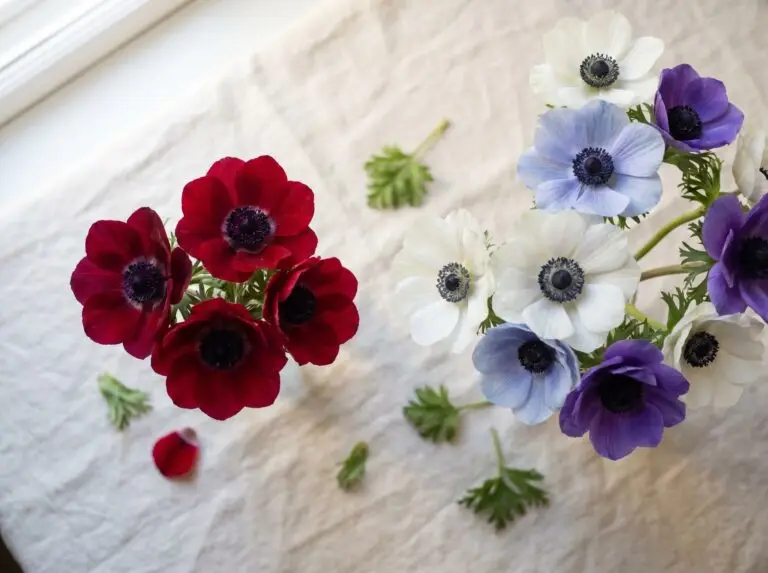
Color relationships transform a basic collection of plants into an intentional design, and anemone and ranunculus offer a highly versatile palette. You can build a harmonious, analogous color scheme by pairing soft peach and pale pink ranunculus with cream or blush anemones. This gentle blending of warm, pastel tones creates a luminous effect in the soft spring light and works beautifully against a backdrop of dark evergreen shrubs. If you prefer high drama, you can exploit the power of contrasting colors by mixing deep burgundy or violet anemones with crisp white ranunculus. The anemone naturally provides its own high-contrast element through its dark, almost black central eye, which acts as a visual punctuation mark in the composition. Repeating these dark centers across a wide planting area establishes a rhythm that ties the entire visual field together.
To fully integrate anemone and ranunculus into the garden, you need secondary plants that support and frame their bold colors. A low, spreading groundcover helps to cool down warm color palettes and unifies the bare soil between the corms. Planting a soft, billowing layer of forget-me-not around the base of these larger flowers provides a wash of cool blue that grounds the composition. The tiny, simple flowers of the forget-me-not provide a fine texture that contrasts sharply with the large, heavy heads of the focal plants. This layering technique mimics how plants grow in natural environments, covering the ground level completely while allowing the dominant flowers to push through and command attention. The blue tones also make the warm pinks and reds of the focal flowers appear much richer by comparison.
Timing the display for continuous interest
A successful garden design must account for the fourth dimension of time, especially in spring when weather shifts rapidly. The shared growing requirements of anemone and ranunculus mean they wake up and develop at roughly the same pace, but you can manipulate their bloom periods for a longer display. By staggering the planting of your corms over a period of three to four weeks, you ensure a continuous succession of flowers rather than one massive flush that fades too quickly. Before the buds even form, the emerging foliage provides significant aesthetic value, creating a textured green carpet that covers the bare earth of early spring. After the petals finally drop, the anemone leaves behind interesting, knobby seed heads that maintain architectural structure in the border for several more weeks. This extended period of interest makes them hard-working elements in the seasonal border.
Expanding the seasonal narrative requires linking these two plants with other spring bloomers that occupy different spatial planes. While anemone and ranunculus fill the low and middle layers of the composition, you can introduce tulips to pull the eye upward. A drift of tall, late-blooming tulips planted just behind your primary focal points adds verticality and introduces a completely different, cup-like flower shape to the mix. As the spring season winds down and the weather warms, the foliage of the anemone and ranunculus will naturally begin to yellow and die back into dormancy. You must plan for this transition by positioning late-emerging perennials, like hostas or hardy geraniums, nearby so their expanding leaves can mask the fading spring foliage and keep the garden looking intentional. Anticipating this dormancy is a critical part of designing with spring bulbs and corms.
Designing with intention and scale
The impact of any plant in a border depends heavily on the volume and density of the planting. Scattered individual corms placed randomly throughout a bed will always look weak and accidental. To design a truly effective spring flower garden, you must plant anemone and ranunculus in sweeping drifts or tight, concentrated blocks. Grouping ten to fifteen corms of ranunculus together, spaced just four to six inches apart, creates a solid mass of color that reads clearly from a distance. When you interplant anemones within or directly adjacent to these dense blocks, the two species weave together to form a rich, complex carpet of texture that feels generous and deliberate. Massing plants in this way mimics the abundance of nature while maintaining strict design control.
The most reliable way to elevate your garden design is to apply the principle of repetition and rhythm. Rather than creating one large, isolated patch of anemone and ranunculus, break your corms into three or five distinct clusters and space them at regular intervals along a pathway or the front edge of a border. As the viewer walks past, their eye will naturally jump from one cluster to the next, pulled forward by the repeating colors and forms. This rhythmic placement creates a sense of movement and order, tying a long garden bed into a single, cohesive thought. By treating these beautiful spring flowers as structural elements in a larger composition, you build a space that feels highly curated and naturally balanced.
More About Anemone
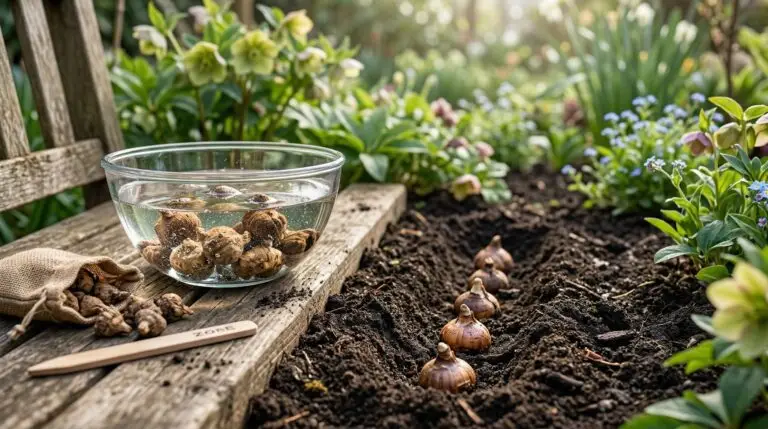
How to plant anemone corms in fall for a spectacular spring flower display
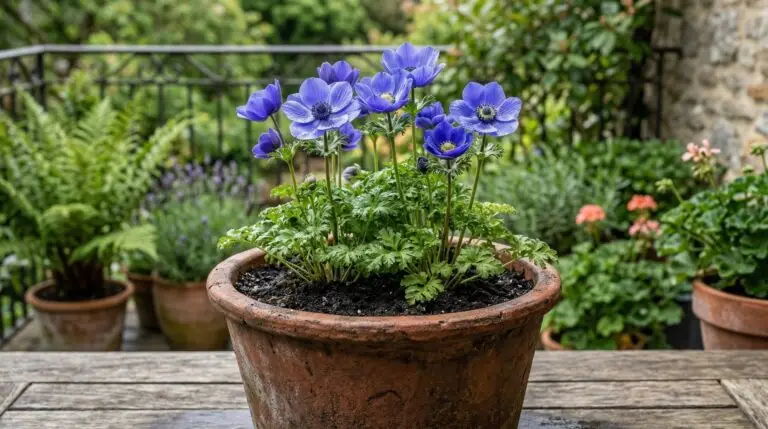
How to grow anemones in containers for a colorful spring balcony garden
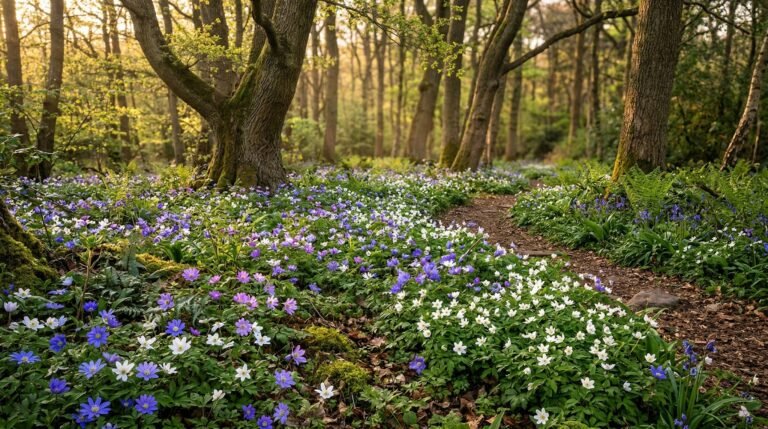
Naturalizing anemones in woodland gardens for wild-looking spring carpets
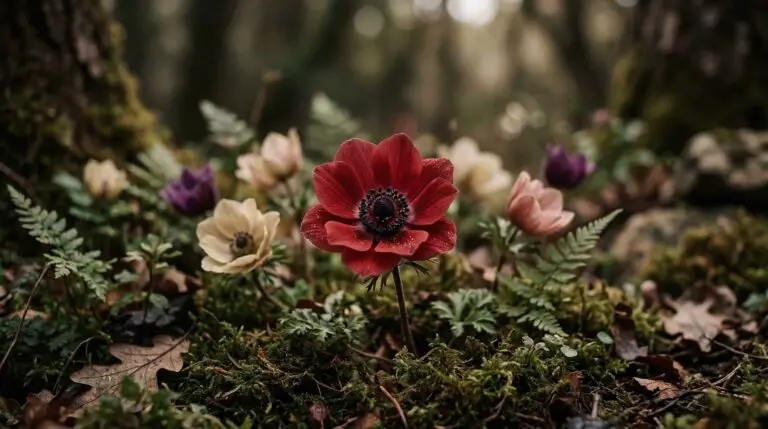
Anemone flower meaning and the mythological story behind the windflower
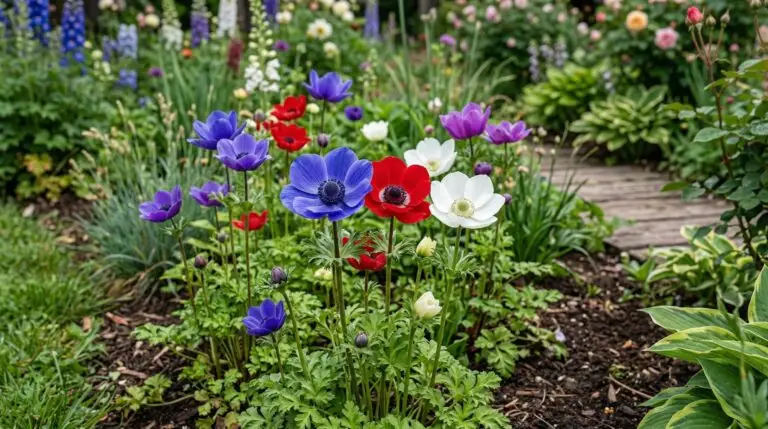
Growing anemones as cut flowers for endless spring and fall arrangements
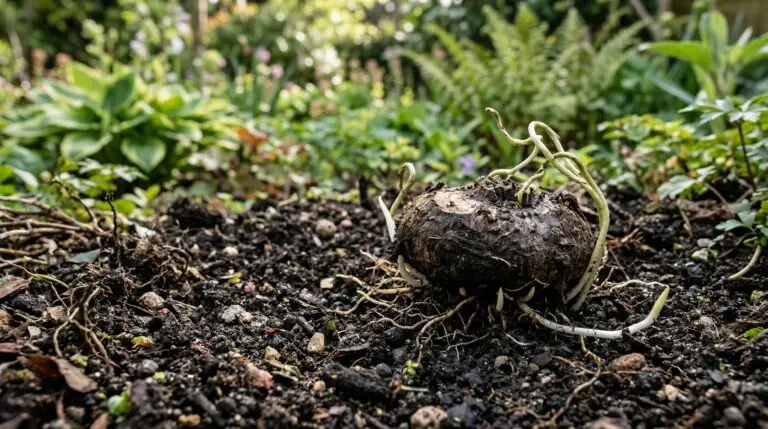
Why your anemone corms did not sprout and how to succeed next time
Anemone meaning, from anticipation and protection to forsaken love
Anemone wedding bouquets that bring effortless romance to any ceremony