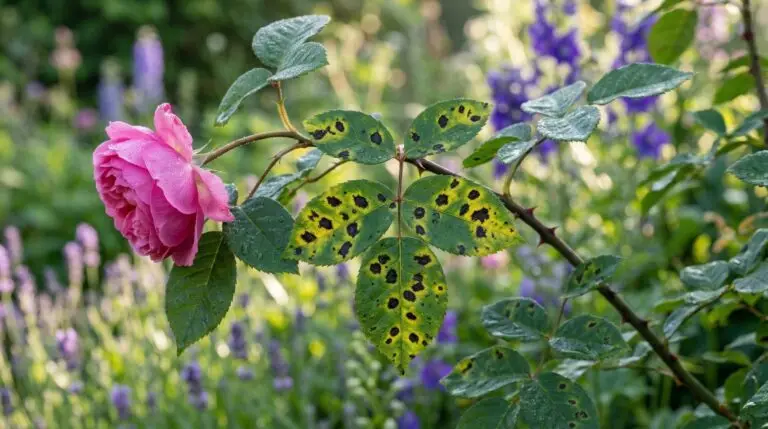
One of the first things gardeners ask when they start growing roses is whether they can actually eat the petals from their own backyard. The simple answer is yes, as all true roses are technically edible, but you must be absolutely certain about how the plants were treated. Florist flowers and nursery plants are heavily sprayed with systemic pesticides that remain in the plant tissue for months, making them entirely unsafe for culinary use. You should only harvest from bushes you have grown yourself using organic methods or from a trusted neighbor who never sprays. When people ask which varieties taste the best, the rule of thumb is that the flavor directly matches the fragrance. Old garden varieties like Damask roses, apothecary roses, and highly fragrant English shrub roses will give you the classic floral taste, while modern scentless hybrids will just taste like bitter lettuce. If you are already growing culinary herbs like lavender, planting a fragrant heirloom rose nearby creates a perfect aromatic harvesting garden.
Choosing and preparing the right blooms
The natural follow-up question is exactly when and how to pick these fragrant blooms for the kitchen. You want to head out into the garden early in the morning, just after the dew has dried but before the hot midday sun bakes the essential oils out of the petals. Choose flowers that are fully open but have not yet started to drop their petals, as these contain the peak concentration of aromatic compounds. Once you bring your harvest inside, many growers wonder if they need to process the petals in any special way before cooking. You do need to gently pull the petals from the stem and snip off the small white base where the petal attached to the flower head, because that white portion carries a sharp, bitter flavor. By the way, tiny garden insects love hiding deep in the center of open roses, so you should lay your harvested petals out on a light-colored towel for a few minutes to let any hidden bugs crawl away before you start washing them. Taking the time to properly clean and trim your harvest ensures that only the pure, sweet floral notes make it into your final recipes.
Capturing the scent with homemade rose water
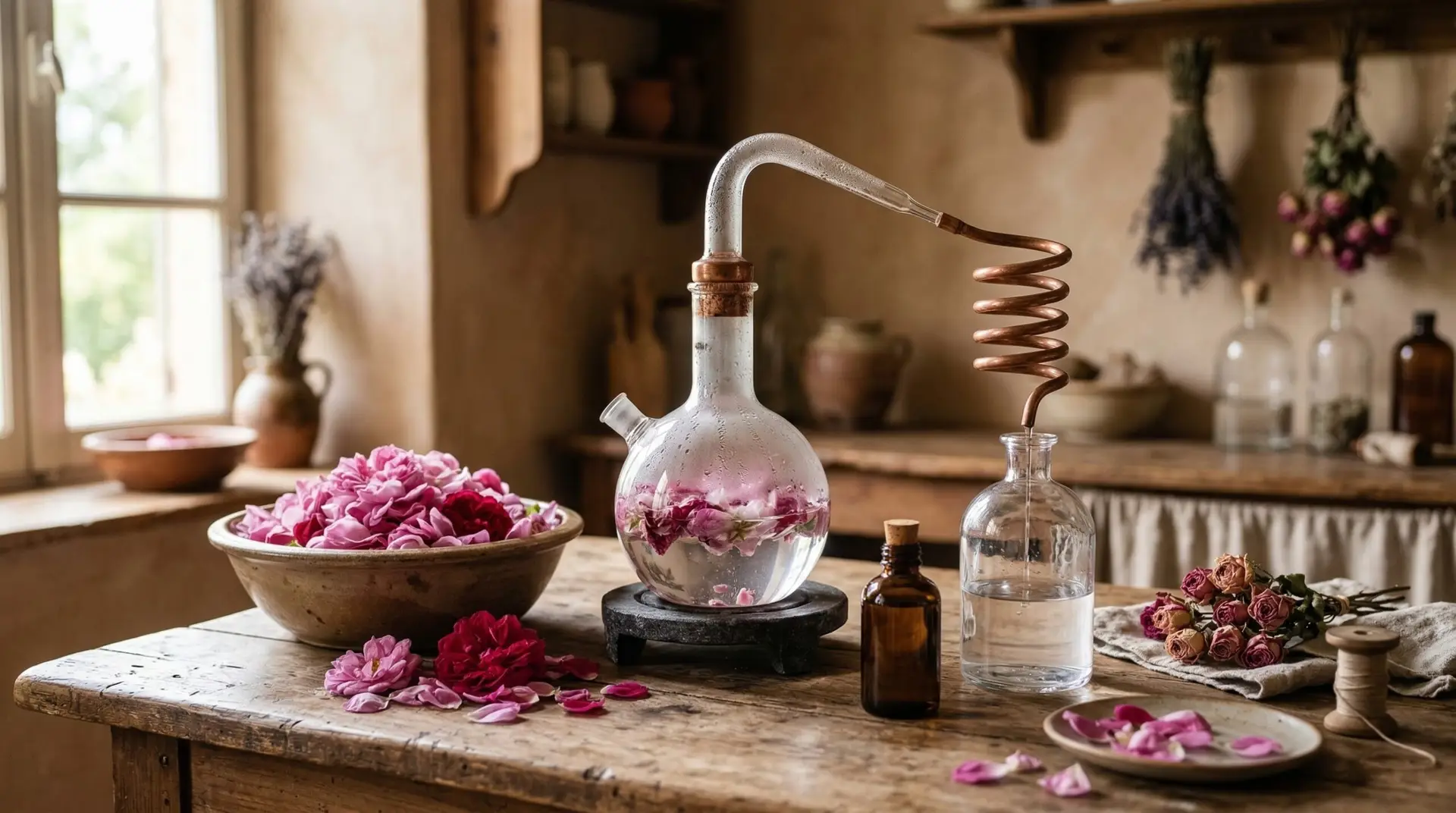
This leads to something many growers wonder about once they have a bowl full of clean petals, which is how to capture that incredible scent in liquid form. Making rose water at home is surprisingly simple, though people often get confused about the difference between a simple infusion and actual distillation. If you just want a quick floral water for immediate baking, you can simmer a cup of packed petals in two cups of distilled water until the petals lose their color. However, true rose water that lasts for months on the shelf requires a basic distillation setup right on your stove. You achieve this by placing a heat-safe bowl upside down in a large pot, setting a collection bowl on top of it, and scattering your fresh petals and water around the base. When you invert the pot lid and fill it with ice, the steam from the simmering petals rises, hits the cold lid, condenses, and drips pure floral hydrosol down into your collection bowl. This clear liquid contains the true essential oils of the flower, offering a much longer shelf life and a more concentrated flavor than a basic simmered tea.
Gardeners often ask if this homemade distillation is as strong as the commercial bottles sold in Middle Eastern grocery stores. The strength of your homemade rose water depends entirely on the volume of petals you use and the specific variety you harvested. If your initial batch smells a bit weak, a great trick is to use that exact same rose water as the base liquid for your next distillation instead of plain tap water. This double-distillation method packs twice the aromatic oils into the final product, creating a potent liquid that holds its scent beautifully in baked goods. You can use this concentrated water to flavor shortbread cookies, macarons, or even a delicate vanilla cake. Much like working with culinary jasmine, a light touch is required when baking with rose water, as adding too much will make your dessert taste like a bar of soap. Starting with just a half teaspoon in your cake batter or frosting allows you to build the flavor gradually until you reach the perfect balance.
Simmering petals into sweet syrups and jams
Once you master the liquid extracts, you will probably start thinking about how to turn those petals into sweet preserves like syrups and jams. Making a rich rose syrup is usually the easiest entry point into cooking with edible flowers. You start by creating a strong infusion of petals and water, straining out the spent flowers, and then boiling that fragrant liquid with an equal amount of sugar until it thickens. People always ask why their homemade syrup looks muddy or brown instead of the bright pink they see in stores. The secret lies in the chemistry of the flower pigments, which require a small amount of acid to brighten and stabilize the color. Squeezing half a lemon into your simmering syrup will instantly transform a murky purple liquid into a brilliant, jewel-toned pink. You can then drizzle this colorful syrup over pancakes, stir it into sparkling water, or use it to sweeten your evening tea.
Moving from syrup to actual rose petal jam requires a slightly different approach, as you want to keep the petals in the final product while ensuring they become meltingly tender. A common mistake is just throwing raw petals into boiling sugar, which turns them into tough, chewy scraps that are unpleasant to eat. To avoid this, you should rub your fresh petals thoroughly with a spoonful of sugar and a few drops of lemon juice until they are bruised and softened before you even start cooking. You let this macerated mixture sit in the refrigerator overnight, breaking down the cell walls of the petals so they dissolve beautifully into the jam the next day. When you finally simmer them with water, more sugar, and a touch of natural pectin, you get a luxurious spread that pairs wonderfully with scones and clotted cream. If you grow late-season bloomers like chrysanthemum alongside your autumn roses, you can even experiment with blending the two for a complex, earthy floral jelly. The natural pectin in the lemon juice helps the jam set, but adding a commercial pectin ensures a reliable, spreadable texture every time.
Crafting classic confections and candied blooms
Visitors to high-end bakeries often wonder how pastry chefs create those perfectly preserved, sparkling crystallized rose petals used to decorate cakes. You can easily replicate this technique at home, provided you have the patience for delicate work and a completely dry environment. The process involves painting individual, unblemished petals with a very thin layer of lightly beaten egg white using a clean artist brush. You then dip the painted petal into superfine baker sugar, ensuring an even coating on both sides before laying it on a wire rack to dry completely. The sugar draws the moisture out of the petal while the egg white acts as a glue, preserving the shape and color of the flower for several months. These candied petals add a delightful crunch and a burst of floral flavor to desserts, though they will melt rapidly if placed on a wet frosting too far in advance. Storing them in an airtight container with a small packet of silica gel keeps them crisp and ready for your next baking project.
If you are feeling particularly adventurous in the kitchen, the ultimate goal for many rose growers is making traditional Turkish delight from scratch. Authentic lokum relies heavily on pure rose water for its signature flavor, requiring a precise balance of sugar syrup and cornstarch cooked slowly over low heat. The mixture must be stirred constantly for nearly an hour until it reaches a thick, gluey consistency that holds its shape when cooled. Gardeners attempting this often ask why their homemade candy turns out like a rubbery gelatin dessert instead of the soft, chewy squares they remember from their travels. The texture depends entirely on cooking the cornstarch paste long enough to completely break down the raw starch flavor while driving off enough moisture to create a firm set. Once poured into a powdered pan and allowed to cure overnight at room temperature, the resulting candy squares offer the purest expression of your garden harvest. Tossing the finished cubes in a mixture of powdered sugar and cornstarch prevents them from sticking together and provides that classic, dusty appearance.
Finding uses for the leftover harvest
After spending a weekend distilling water and simmering syrups, you might look at the pile of pale, boiled petals in your strainer and wonder if they just go straight to the compost bin. While they have given up most of their volatile oils and flavor to your recipes, these spent petals still have some life left in them for non-culinary purposes. Many resourceful gardeners blend these leftover petals into a fine paste with a little oatmeal and honey to create a soothing, mildly fragrant face mask. You can also dry the spent petals on a baking sheet in a warm oven and mix them into homemade paper pulp to add interesting textures to your crafting projects. Even if you do choose to compost them, they break down quickly and return trace minerals to the soil, feeding the very bushes that produced them. By utilizing every part of the harvest, you turn a simple garden chore into a deeply rewarding cycle that brings the beauty of your roses directly into your daily life. It transforms your flower beds from a purely visual display into a working, productive part of your home kitchen.
More About Roses
How to grow roses for beginners with disease-resistant varieties that practically care for themselves

Climbing roses that cover walls arbors and fences with cascading blooms
Growing roses in containers for patios balconies and small-space rose gardens
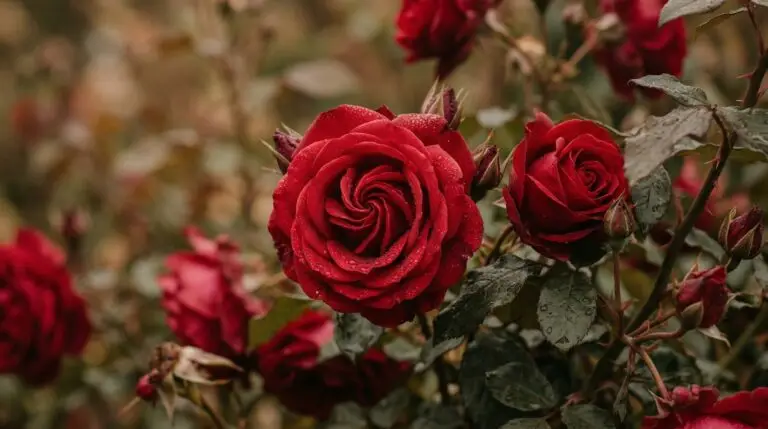
Rose flower meaning by color and the centuries-old language that speaks through roses
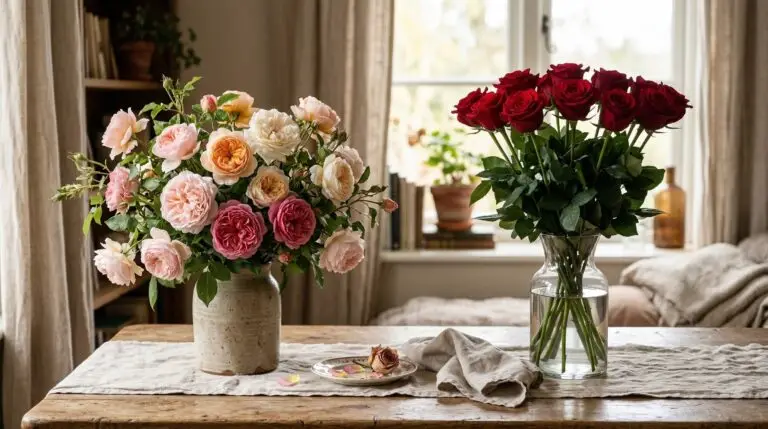
Roses in wedding flowers and the timeless tradition of the bridal rose bouquet
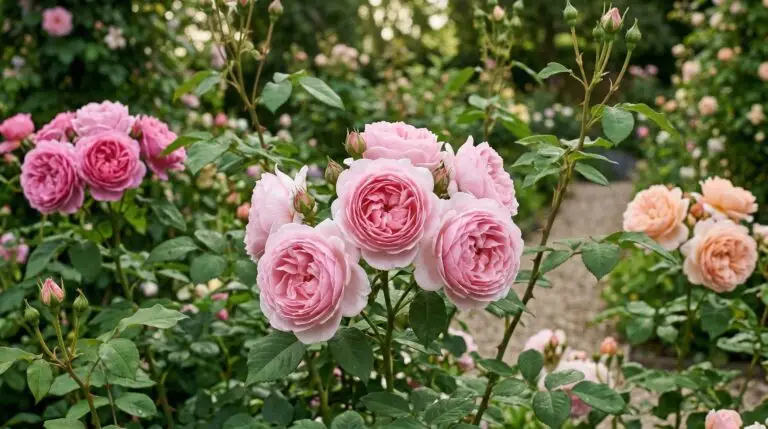
Best David Austin English roses for old-fashioned fragrance and modern disease resistance
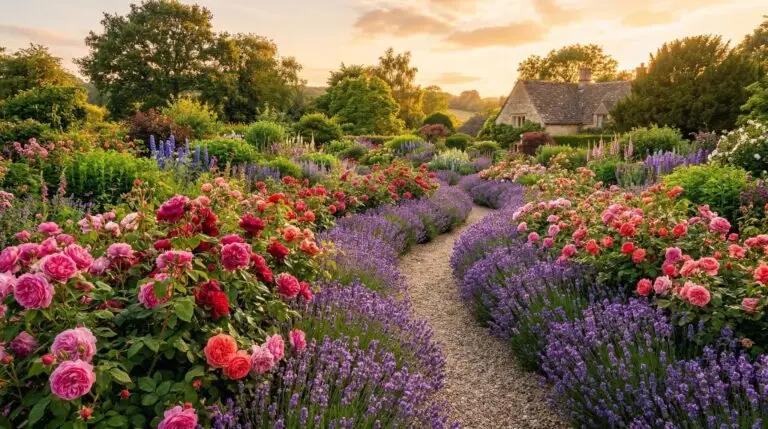
Companion plants for roses that complement without competing for the spotlight
Pruning roses at the right time and the basic cuts every gardener needs to know