The intersection of antique charm and modern vigor
The world of cultivated roses is vast and frequently frustrating for the home gardener. Buyers are often forced to choose between the intoxicating perfume of antique gallicas and the reliable repeat blooming of stiff modern hybrid teas. David Austin recognized this divide in the mid-twentieth century and began crossing old garden roses with modern floribundas and hybrid teas. The goal was to create English roses that possessed the deeply cupped forms and complex fragrances of historical varieties while maintaining the vigor and continuous flowering of contemporary plants. Hundreds of varieties have emerged from his breeding program over the decades, but the catalog is uneven in its performance. Some early introductions suffer from severe blackspot susceptibility, while others drop their petals within hours of opening. By filtering the extensive catalog down to a handful of exceptional performers, we can identify the true benchmarks of the collection. The varieties selected here represent the absolute best balance of old-fashioned fragrance and modern disease resistance.
Gertrude Jekyll and the standard for fragrance
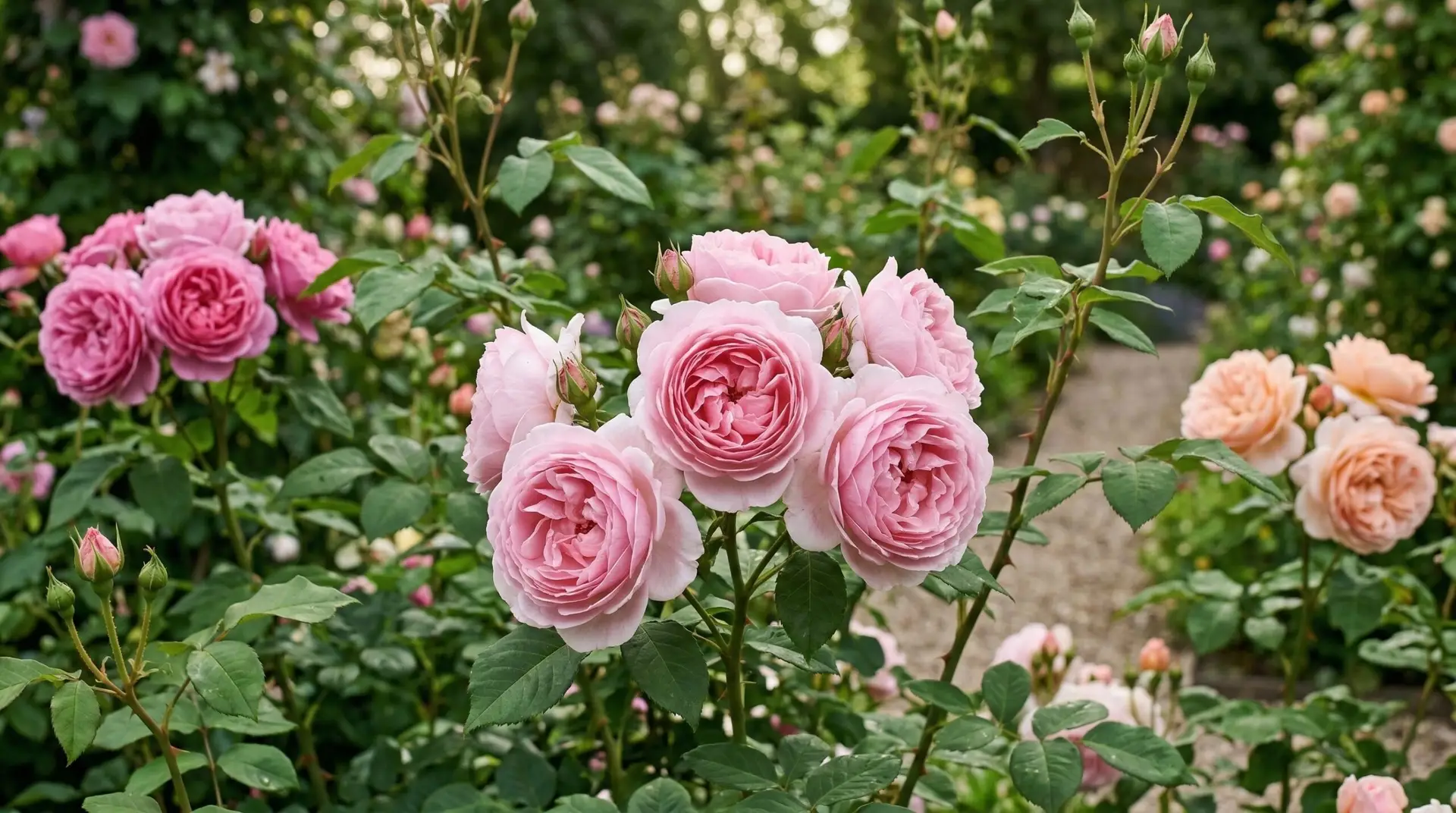
When evaluating David Austin roses for scent, ‘Gertrude Jekyll’ remains the definitive standard by which all others are judged. Introduced in 1986, this variety captures the quintessential old rose perfume, a rich and heavy damask fragrance that extractors frequently use for essential oils. The blooms open as small, tight scrolls before expanding into large, flat rosettes of bright pink with a classic quartered center. Many guides recommend newer pink varieties for their compact growth habits, but they rarely match the sheer olfactory power of this established classic. The plant itself grows quite vigorously and responds well to being trained as a short climbing rose or maintained as a large shrub with careful pruning. It pairs beautifully with late spring perennials, and its initial flush of blooms often coincides perfectly with the blooming period of many peonies in the garden border. You must provide excellent air circulation to keep the foliage clean in humid climates, but the unparalleled fragrance makes the extra attention entirely worthwhile.
Graham Thomas and the breakthrough in color
True, clear yellow was a notoriously difficult color to achieve in English roses without sacrificing the antique flower form. ‘Graham Thomas’ solved this problem upon its release and earned a permanent place in garden history for its pure, rich yellow blooms that avoid the harsh neon tones of many modern hybrid teas. The flowers are deeply cupped and carry a strong, fresh tea rose fragrance with distinct notes of violet. This variety is exceptionally vigorous and often performs best when given structural support, making it an ideal companion to intertwine with clematis vines on a sturdy trellis or fence. I include it here over other popular yellows like ‘Teasing Georgia’ or ‘Golden Celebration’ because its upright growth habit prevents the heavy blooms from nodding downward into the mud. The foliage remains remarkably clean throughout the summer months if the plant receives adequate morning sun and consistent soil moisture. It established a new category of color for the breeder and remains a highly reliable performer in a wide range of climates.
Desdemona and the refinement of white roses
White roses are notoriously difficult to breed for disease resistance, with many older varieties succumbing quickly to powdery mildew or rusting in damp weather. ‘Desdemona’ represents a significant modern leap forward in the breeding program, offering pristine white blooms on a highly disease-resistant shrub. The buds begin with a delicate touch of peachy pink before opening into chalice-shaped white flowers that maintain their form even in heavy rain. The fragrance is a complex myrrh scent, a signature of many English roses, mixed with hints of almond and cucumber. Many older white Austins, such as ‘Winchester Cathedral’, have a frustrating tendency to shatter and drop their petals within a day of opening. ‘Desdemona’ holds its petals significantly longer and repeats its blooming cycles with impressive speed throughout the growing season. The shrub maintains a neat, rounded shape that requires very little corrective pruning, making it an excellent choice for the front of a mixed border or a large container.
The pinnacle of modern garden performance
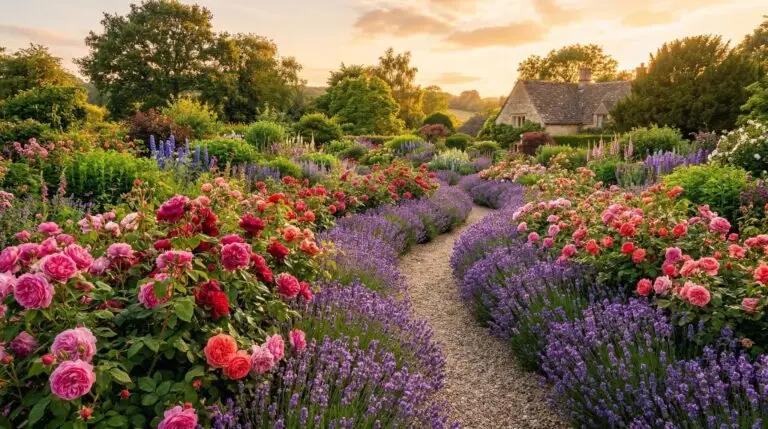
After evaluating decades of breeding advancements, ‘Olivia Rose Austin’ emerges as the single most impressive variety in the current catalog. Named after the breeder’s granddaughter, this rose was introduced with the claim of being the most disease-resistant variety the company had ever produced, and years of garden trials have proven this to be entirely accurate. The foliage emerges with a deep red tint before maturing to a glossy dark green that stays remarkably free of blackspot, rust, and mildew even in challenging, humid conditions. The flowers are a soft, even shade of medium pink, forming perfect shallow cups that open wide to reveal a traditional button eye. The fragrance is a strong, fruity scent with distinct notes of guava and traditional rose water. The plant begins flowering very early in the season, often weeks ahead of other varieties, and continues in rapid succession until the first hard frost. Its exceptionally tidy growth habit makes it an ideal companion for structural herbs, looking particularly striking when planted behind a low hedge of lavender along a walkway.
Selecting the right rose requires looking past the catalog photographs and evaluating how the plant actually behaves in the garden over a full season. While ‘Gertrude Jekyll’ provides the ultimate historic fragrance and ‘Graham Thomas’ offers unmatched color, ‘Olivia Rose Austin’ represents the most complete realization of the original breeding goal. It delivers the romantic, many-petaled flower form and rich scent of an antique rose without demanding the constant chemical interventions that plague older varieties. Gardeners who have previously given up on growing roses due to disease issues will find this variety completely changes their expectations of what a shrub rose can do. By prioritizing inherent plant health alongside floral beauty, it sets a new standard for what a modern garden rose should be.
More About Roses
How to grow roses for beginners with disease-resistant varieties that practically care for themselves
Climbing roses that cover walls arbors and fences with cascading blooms
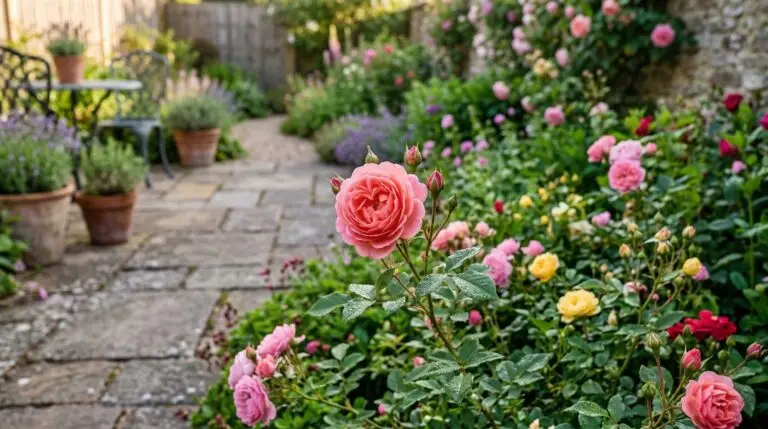
Growing roses in containers for patios balconies and small-space rose gardens
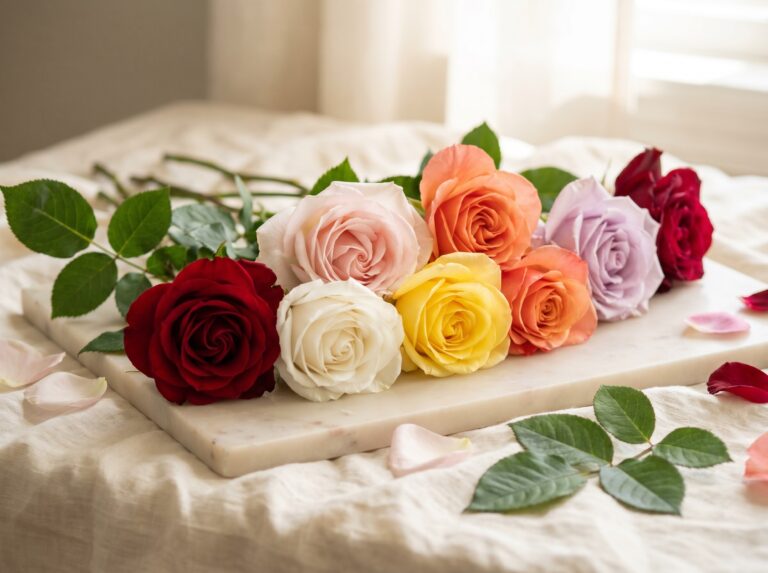
Rose meaning and rose colour meanings, honestly explained
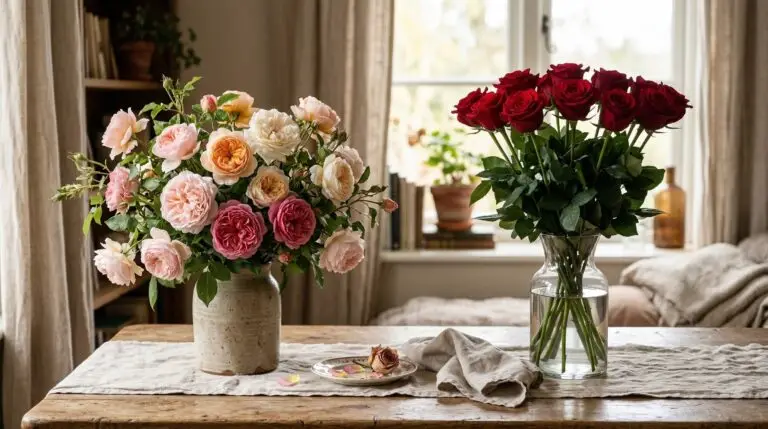
Roses in wedding flowers and the timeless tradition of the bridal rose bouquet
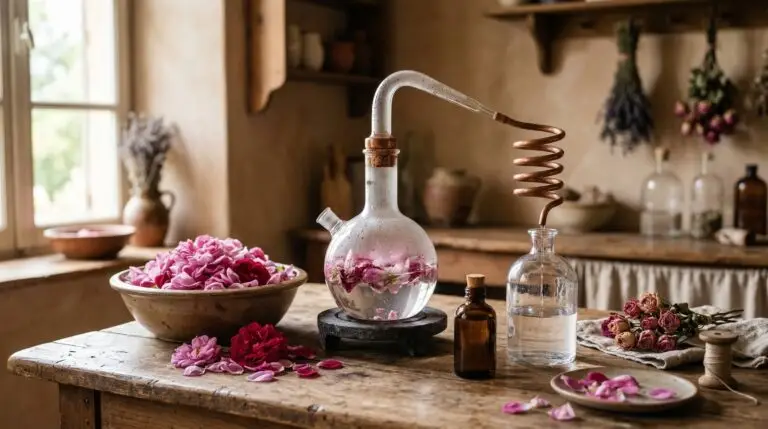
Making rose water and rose petal recipes from your garden’s fragrant harvest
Companion plants for roses: what to grow and what to avoid
Pruning roses at the right time and the basic cuts every gardener needs to know