Replacing turf on a difficult slope requires a clear strategy before you purchase a single plant. Slopes are difficult to mow, dangerous to navigate with heavy equipment, and prone to severe erosion when left bare. Before buying flats of trailing lantana, you must evaluate the logistics of removing your current vegetation. Ground cover projects often fail when gardeners strip a hillside bare without a plan for managing water runoff during seasonal heavy rains. You need to consider your specific climate, the steepness of the grade, and how much time you can dedicate to watering during the initial establishment phase. In hardiness zones 9 through 11, trailing varieties like Lantana montevidensis are a permanent, year-round solution for difficult terrain. Colder zones must treat these plants as annuals, which changes the budget and labor calculation entirely. Planning this transition carefully ensures you solve your mowing problem without creating an unstable, muddy hillside.
Assessing your site for a lantana ground cover project
Evaluate your specific location thoroughly before committing time and money to this project. Lantana requires full, direct sun to thrive and spread effectively across a wide area. Observe your slope throughout the day to confirm it receives at least six to eight hours of unfiltered sunlight. If the area is shaded by large trees or nearby buildings, the plants will grow sparse and leggy, defeating the purpose of a dense ground cover. Check the soil drainage by digging a small test hole and filling it with water to see how quickly it empties. Trailing lantana rots in constantly wet, heavy clay, so you must plan for soil amendments if your site drains poorly. You should also measure the rough square footage of the planting area to determine exactly how many plants you need to buy. If your slope is extremely steep, you might need to combine your lantana with deep-rooted perennials like a daylily to help stabilize the soil structure while the surface vines grow.
Preparing the slope and budgeting for materials
The preparation phase dictates the long-term success and stability of any slope planting. You must remove the existing turf or weeds, but doing this all at once on a steep grade invites topsoil loss. A safer approach involves killing the grass in sections or planting directly through a heavy biodegradable weed barrier that holds the earth in place. Calculate your plant budget based on the spacing requirements for trailing varieties, which typically need a distance of two to three feet between each root ball to form a solid mat. Buying smaller plants in four-inch pots is the most cost-effective strategy for covering large areas, as they acclimate quickly and catch up to larger nursery stock within a few months. Plan to purchase your plants in early spring after the last frost date for your region to maximize the growing season. You will also need to budget for a thick layer of shredded bark mulch to suppress weeds and retain moisture while the plants grow together. Consider adding a temporary border of fast-growing sweet alyssum at the base of the slope to catch any loose soil during the transition period.
Planting trailing lantana for maximum coverage
Executing a planting on a slope requires specific physical techniques to ensure the root balls do not wash away during the first rainstorm. Dig each hole slightly deeper than the nursery pot and create a small terrace or flat shelf on the downhill side of the plant. This flat area catches water and allows it to soak into the root zone instead of running straight down the hill. Plant your lantana slope in a staggered, checkerboard pattern rather than straight lines to break up water flow and encourage the vines to interlock faster. The first four to six weeks require deep, regular watering every few days depending on your local weather patterns. Dragging a hose up a steep hill gets old quickly, so you should install a simple drip irrigation line or a soaker hose before you put the plants in the ground. Once the root systems take hold, the plants will begin pushing out long runners to cover the bare soil. Expect the first year to be about root establishment and initial spreading, with a completely solid, weed-suppressing mat forming in year two.
Managing long-term maintenance and growth
A lantana ground cover significantly reduces your yard chores, but it does not eliminate maintenance entirely. In frost-free zones, these plants grow vigorously year-round and become woody or overgrown if left completely unchecked. You must schedule a hard pruning once a year in late winter or early spring, cutting the entire mass back by about a third to encourage fresh, dense growth from the center. During the active summer growing season, you will need to trim the edges every few weeks to keep the runners from creeping onto sidewalks or into neighboring garden beds. Unlike a high-maintenance lawn, established trailing lantana requires zero supplemental fertilizer and survives on natural rainfall in most climates. If you live in a region that experiences occasional light frosts, the foliage will die back and turn brown, requiring you to clear the dead material away before new growth emerges. For gardeners in colder climates who treat this as an annual project, you might consider mixing in hardy verbena to maintain some structural interest when the lantana is removed. The overall time commitment drops from weekly mowing to just a few hours of targeted pruning per year.
You can start planning your slope transformation this week by measuring the target area. Take a tape measure outside and calculate the rough square footage of the space you want to cover. Divide that number by four to estimate how many individual plants you will need if you space them two feet apart. Next, monitor the sun exposure on that specific patch of ground for a few days to confirm it receives the necessary light. Research local bulk soil suppliers to price out the cubic yards of mulch required to cover the bare dirt between your new plants. Finally, check your local hardware store for the cost of drip irrigation tubing to build your preliminary project budget.
More About Lantana
Companion plants for lantana in hot sunny borders and Mediterranean-style gardens
Lantana flower meaning and the resilient beauty of this tough tropical bloomer
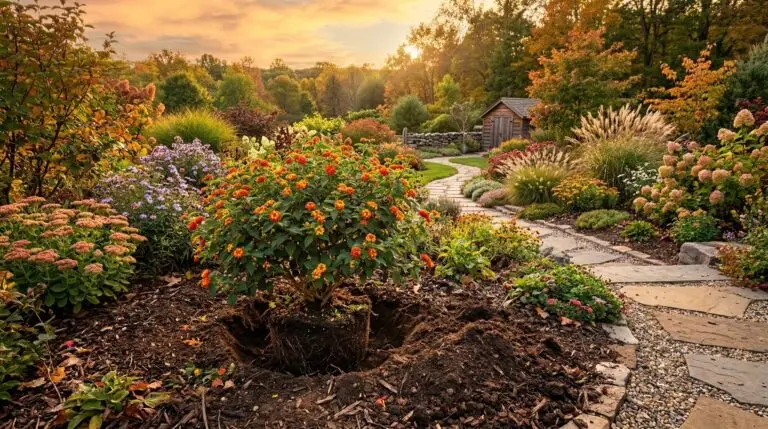
Overwintering lantana plants indoors for saving your favorite varieties until spring
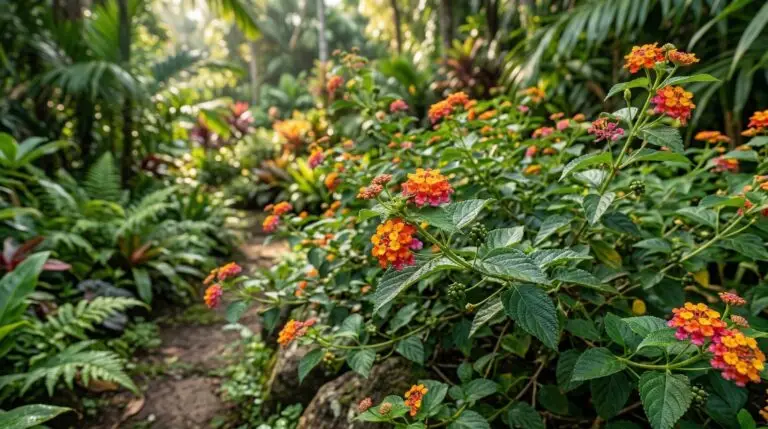
Is lantana invasive and how to grow it responsibly in warmer climates
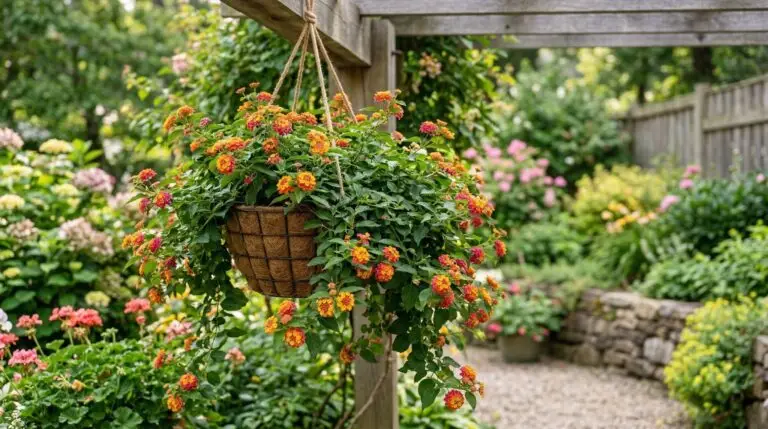
Growing lantana in containers and hanging baskets for summer patio color
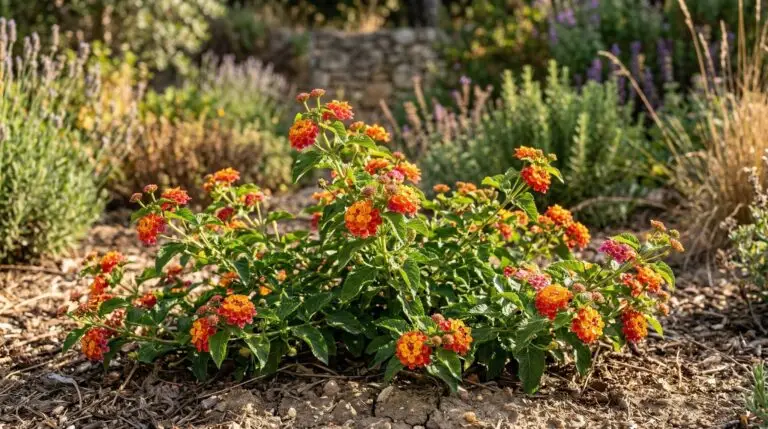
How to grow lantana for non-stop color in the hottest driest spots in your garden