When planning a summer garden, the word sunflower immediately brings to mind towering green stalks topped with massive yellow flower heads. Gardeners often encounter seeds for the Mexican sunflower and assume it is just another variation of the familiar summer giant. The reality is quite different, as these two plants belong to completely separate genera and behave very differently in the garden. Deciding between a Mexican sunflower and a common sunflower requires understanding how each plant grows, what kind of wildlife it attracts, and how much space it will demand. Both plants thrive in full sun and summer heat, but their roles in a garden design rarely overlap. They share a preference for well-draining soil and long days of direct sunlight, yet they handle drought and humidity in their own distinct ways. Examining a direct tithonia vs helianthus comparison helps clarify which plant belongs in your specific garden beds.
Understanding the botanical difference between tithonia and helianthus
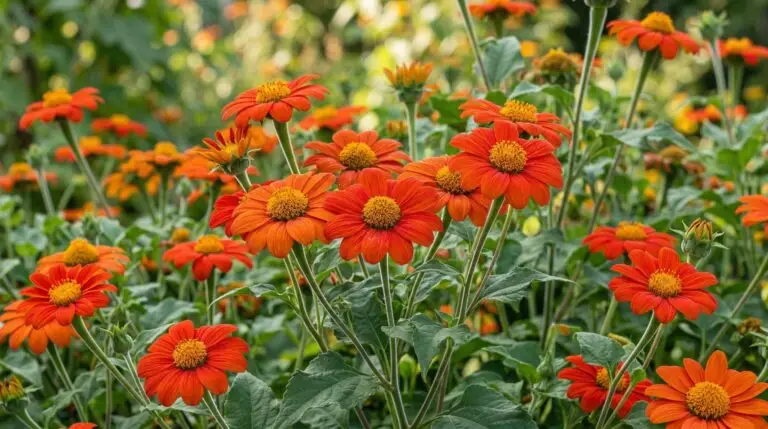
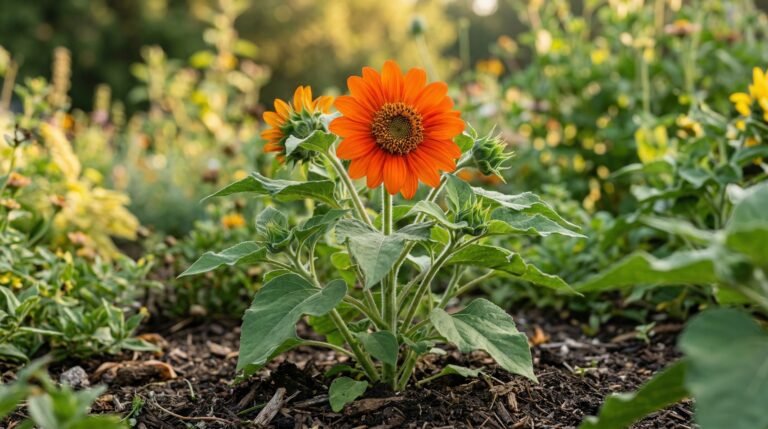
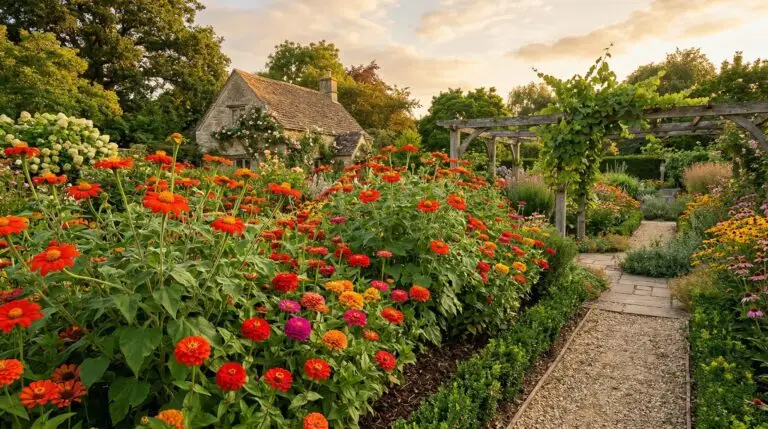
The common sunflower belongs to the genus Helianthus and is native to North America. These plants are typically grown as annuals that produce an incredibly thick, single main stalk reaching anywhere from four to twelve feet tall depending on the variety. At the top of this sturdy stalk sits a single, heavy flower head that follows the sun across the sky until the stem stiffens in maturity. The foliage consists of large, rough, heart-shaped leaves that feel like sandpaper to the touch. The Mexican sunflower belongs to the genus Tithonia and originates in Mexico and Central America. Instead of producing one thick stalk, Tithonia rotundifolia grows into a massive, branching, shrub-like plant that can easily reach six feet tall and four feet wide. The stems of the Mexican sunflower are hollow and somewhat fragile, covered in a soft velvety fuzz that extends to its deeply lobed leaves. A single tithonia plant produces dozens of smaller flowers simultaneously on multiple branching stems rather than concentrating all its energy into one giant focal point.
Comparing bloom size, color range, and flowering time
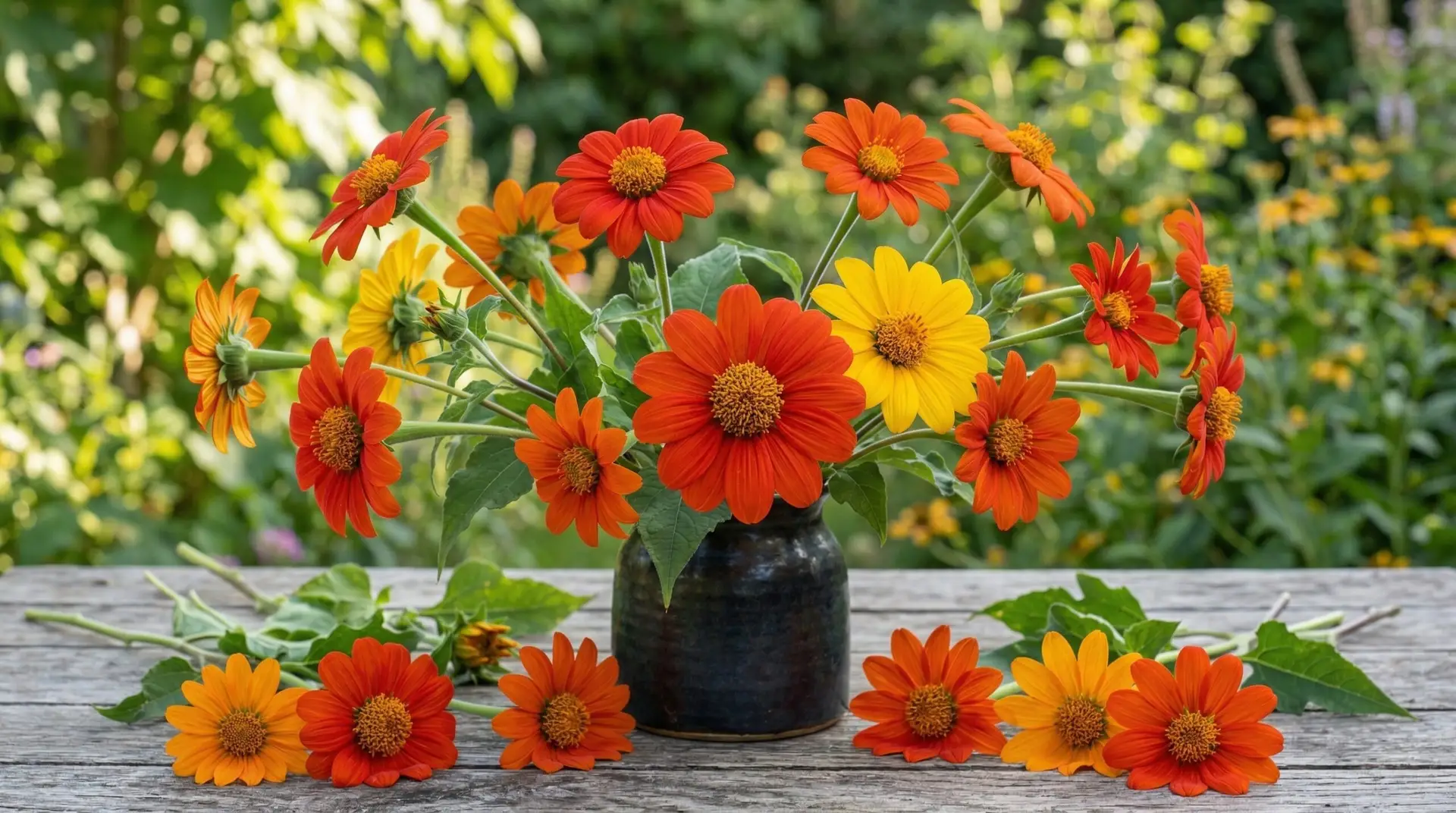
A side-by-side tithonia comparison reveals obvious differences in the actual flowers and how they develop over the season. Common sunflowers produce heads that can span a foot or more across, characterized by a large central disk packed with hundreds of tiny florets surrounded by long ray petals. The color palette for Helianthus includes traditional bright yellow, pale lemon, deep burgundy, rust red, and bi-color combinations. Mexican sunflowers produce much smaller blooms, typically measuring about three inches across, which look more like a large, intensely colored daisy. The color range for tithonia is extremely narrow, almost exclusively limited to a blazing, neon orange-red that practically glows in the sunlight. While a single-stemmed common sunflower blooms once and then focuses entirely on seed production, the Mexican sunflower operates on a continuous blooming cycle. Tithonia begins flowering in mid-summer and continuously pushes out new orange blooms until the first hard frost kills the plant. To get continuous color from a single-stemmed Helianthus, you have to plant new seeds every two weeks throughout the early summer.
Wildlife attraction and garden maintenance needs
Gardeners focused on supporting local wildlife will find that these two plants feed completely different populations. The common sunflower is the ultimate bird feeder plant, producing heavy, oil-rich seeds that attract finches, cardinals, and chickadees in late summer and autumn. You leave the spent heads on the stalks so the birds can cling to them and pick the seeds out one by one. The Mexican sunflower does not produce large, edible seeds for birds, but it is an absolute magnet for butterflies, hummingbirds, and bees. The flat, sturdy petals of tithonia provide an ideal landing pad for large butterflies like migrating monarchs to rest while they drink nectar from the central disk. Similar to a black eyed Susan, tithonia draws in countless pollinators during the hottest parts of the day when other flowers wilt. Maintaining a tithonia plant requires regular deadheading to remove spent blooms and encourage new buds, whereas a traditional sunflower requires almost zero maintenance once the stalk is established.
Making the right choice for your garden space
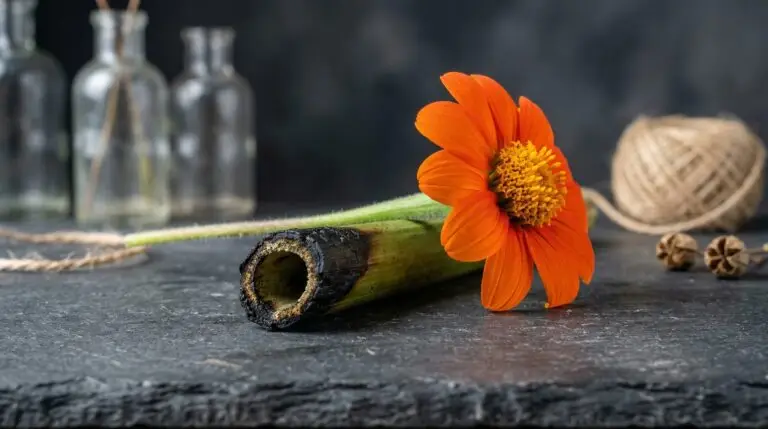
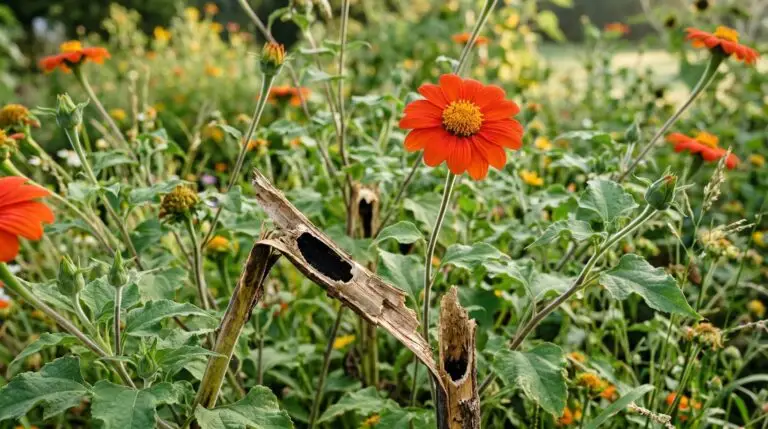
Choosing between a Mexican sunflower vs sunflower depends entirely on your available space and your gardening goals. If you have a narrow strip of soil along a fence line, the vertical, single-stemmed growth of a common sunflower makes perfect sense. You can plant Helianthus seeds close together in a row to create a temporary summer screen without taking up much ground space. If you have a large, empty corner in a garden bed that needs filling, a single Mexican sunflower will quickly grow into a massive shrub that occupies a four-foot footprint. Gardeners who want cut flowers for indoor arrangements often prefer branching varieties of common sunflowers, as the hollow stems of tithonia can be tricky to condition for a vase. Tithonia stems tend to bend easily in heavy winds and rain, often requiring some form of staking or support from neighboring plants to keep the heavy branches from snapping. Helianthus stems are generally rigid enough to withstand summer storms, though the tallest giant varieties sometimes need a stake to prevent them from uprooting in wet soil.
There is rarely a need to declare a strict winner between these two summer heat lovers. Growing both plants in the same garden provides a complete ecosystem of food for nectar-seeking insects and seed-eating birds. You can plant a tall row of common sunflowers along the back border of a garden to create a structural backdrop against a fence or wall. You can then place a Mexican sunflower slightly forward in the bed, allowing its branching, shrubby habit to fill in the middle layer with bright orange color. The yellow petals of the tall sunflowers contrast beautifully with the fiery orange of the tithonia below them. By understanding their different growth habits and wildlife benefits, you can utilize each plant exactly where it performs best.
More About Mexican Sunflower
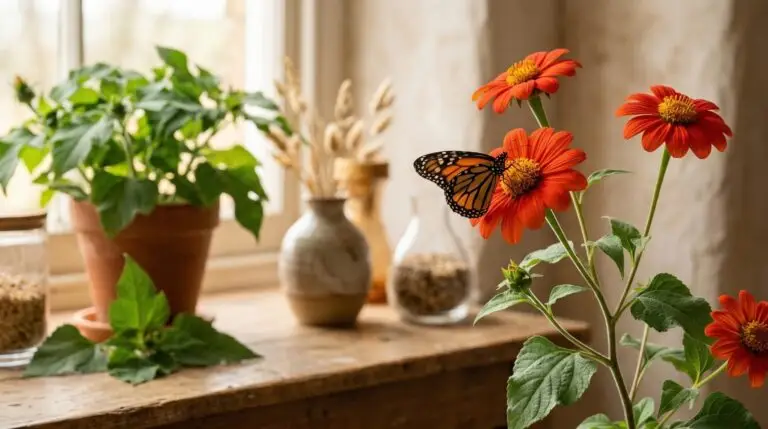
Mexican sunflower as the ultimate butterfly magnet for late season pollinator gardens
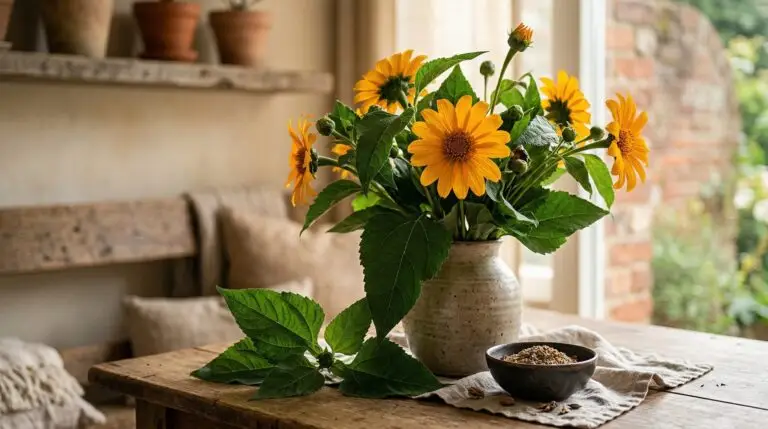
Mexican sunflower leaves as a natural fertilizer and green mulch for vegetable gardens
Mexican sunflowers as cut flowers with the trick to prevent hollow stems from wilting
How to grow Mexican sunflowers for towering walls of blazing orange in late summer
How to keep Mexican sunflowers from flopping over when they get tall and top-heavy

How to save Mexican sunflower seeds for next year’s free butterfly garden
Growing Mexican sunflowers from seed and the tropical annual that needs no pampering
Companion plants for Mexican sunflower: what to grow, avoid