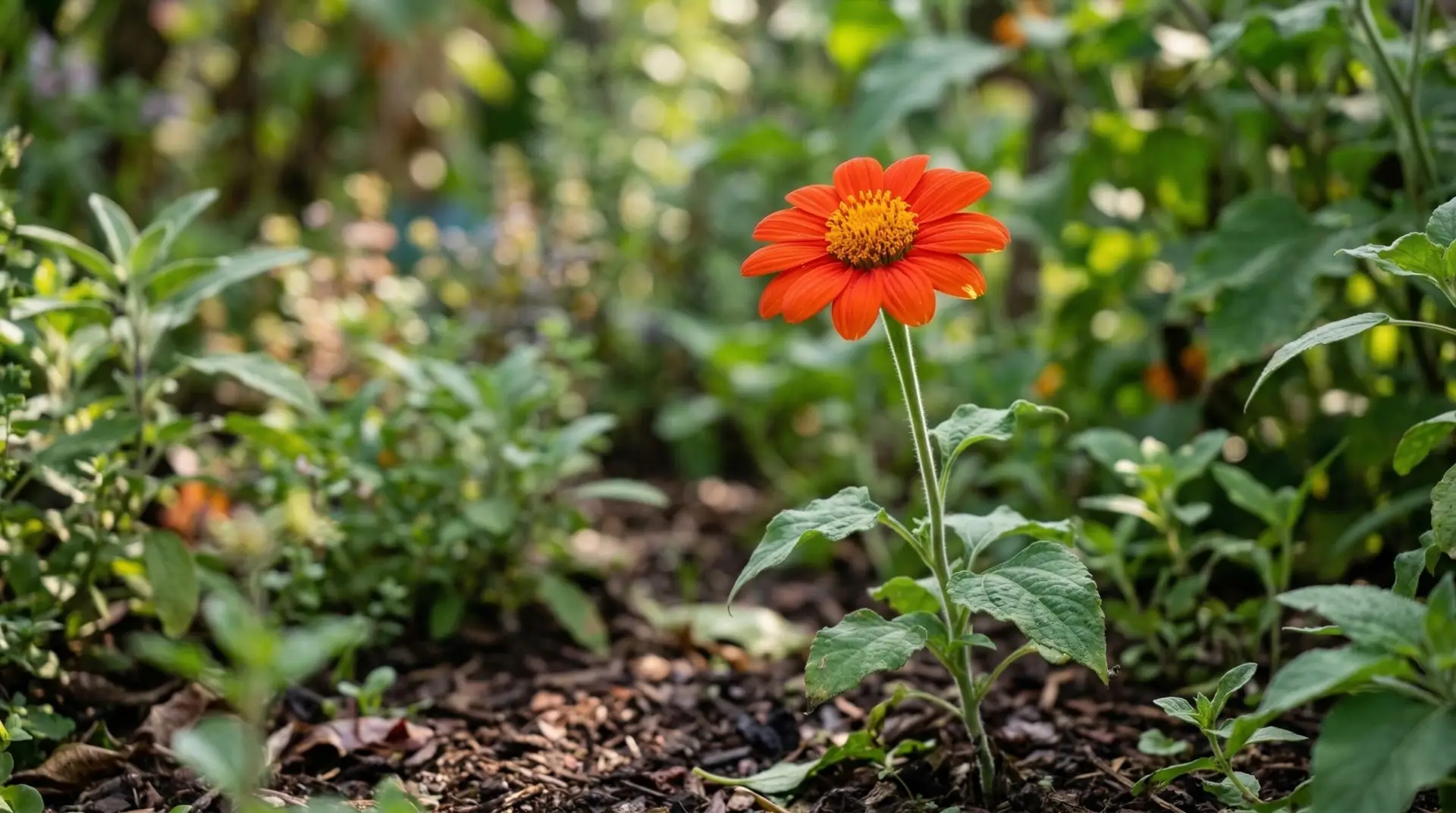
By the time you finish reading this guide, you will understand exactly why the secret to growing large, blooming Mexican sunflowers lies in withholding the very things we usually give our garden plants. Tithonia rotundifolia is a tropical annual that behaves completely differently from the vegetables and delicate flowers you might be used to tending. Instead of rich compost and constant moisture, this plant demands high heat and lean soil to reach its full potential. Understanding where this plant comes from helps explain every rule about growing it from seed. Native to the warm climates of Mexico and Central America, it has evolved to thrive in hot, dry conditions where other plants wither. We are going to build your knowledge of this plant from the soil up so you can confidently grow towering, orange-red blooms from tiny seeds.
Contents 4 sections
Understanding the heat requirement for germination
The single most important factor in successful tithonia seed starting is soil temperature. Think of a Mexican sunflower seed as a tiny engine that only turns on when the surrounding soil reaches a consistent seventy degrees or higher. If you plant these seeds in cool spring soil, they will simply sit there and rot before they ever have a chance to sprout. This happens because cold soil lacks the thermal energy required to break down the hard seed coat and signal the embryo inside to wake up. When the soil is warm enough, the biological processes inside the seed accelerate, resulting in rapid germination within a week or two. You have to wait until all danger of frost is completely gone and the nights have warmed up before you even think about putting these seeds in the ground.
Because of this strict heat requirement, you have two distinct paths for starting your plants. You can start Mexican sunflower seeds indoors about six to eight weeks before your last frost date to give them a head start. If you choose the indoor route, you will need a heat mat placed under your seed trays to artificially create that tropical soil environment. Once the seeds sprout, they need strong, direct light to prevent the stems from stretching and becoming weak. However, many gardeners find that direct sowing them right into the garden bed is much simpler and often yields stronger plants in the long run. Direct sowing eliminates the shock of transplanting, allowing the taproot to grow deep into the earth without interruption.
Preparing the right environment for tithonia seed starting
This might seem contradictory, but the best way to prepare your garden bed for Mexican sunflowers is to do almost nothing to it. When we grow heavy feeders like a traditional sunflower, we usually amend the soil heavily with rich compost and fertilizers to support their massive stalks and seed heads. Tithonia operates on a completely different set of rules. If you plant Mexican sunflower seeds in highly fertile, nitrogen-rich soil, the plant will use all that energy to produce massive amounts of green leaves. You will end up with a huge ten-foot bush of foliage and hardly any of the bright orange flowers you actually wanted. Thin, poor soil naturally stresses the plant just enough to trigger its reproductive cycle, forcing it to focus its energy on creating flowers rather than leaves.
Think of rich soil as a comfortable resort where the plant has no incentive to work hard and produce blooms. When the soil is lean and rocky, the plant realizes it needs to reproduce quickly, which means pushing out those bright blossoms. This is a common trait among many heat-loving annuals native to dry regions. For example, if you have ever grown cosmos in poor soil, you have likely noticed they bloom much more heavily than those planted in highly fertilized beds. By intentionally choosing the worst soil in your yard for your tithonia, you are actually giving the plant exactly what it needs to perform its best.
The mechanics of direct sowing and indoor starts
When you are ready to plant, the physical act of sowing the seeds requires a light touch. Mexican sunflower seeds need light to germinate, which means you should not bury them deep in the dirt. You want to press the seed firmly onto the surface of the soil so it makes good contact, and then perhaps sprinkle a very fine dusting of sand or vermiculite over it. This ensures the seed stays moist while still allowing the sun rays to reach it and trigger germination. If you bury the seed under an inch of heavy clay, the light cannot penetrate, and the seed will remain dormant. Keeping the soil surface evenly moist during this important window is the only time you will need to baby this plant.
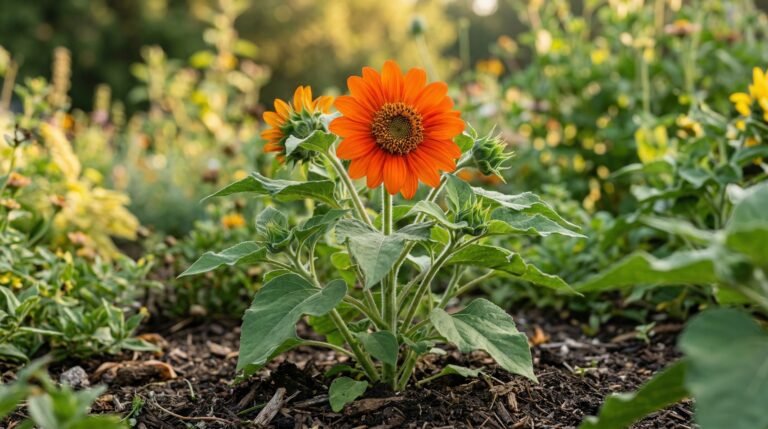
As the seedlings emerge and begin to put on their true leaves, you have to make some tough decisions about spacing. It is very tempting to let every single sprouted seed grow, but Mexican sunflowers become massive, branching plants that can easily reach six feet tall and three feet wide. You must thin the seedlings so they stand at least two to three feet apart from one another. Crowded plants will compete for water and develop weak, spindly stems that easily snap in the summer wind. Proper spacing also ensures good air circulation through the mature foliage, which prevents fungal diseases from taking hold during humid weather. Just like when you thin zinnia seedlings, removing the weaker plants allows the remaining ones to grow thick, sturdy central stalks.
Managing growth and expectations through the season
After your plants are established in the garden, you might notice they seem to sit still for a few weeks without growing much taller. This takes a season or two to get a feel for, and that is completely normal behavior for this species. During this apparent resting phase, the plant is actually working furiously below ground to send a deep taproot down into the soil. Once that root system is securely anchored and the high heat of midsummer arrives, the above-ground growth will explode. You will see the stems thicken and the velvety leaves expand almost daily as the plant shifts gears into its rapid growth phase. Understanding this hidden root development saves you from the temptation to add unnecessary fertilizer out of panic.
The core principle to take away from learning about Mexican sunflowers is that they are wild, self-sufficient plants that thrive on tough love. By understanding their tropical origins, you know exactly why they demand warm soil for germination and why they balk at cold spring weather. By recognizing how they evolved in lean, rocky environments, you understand why withholding fertilizer is the true secret to unlocking their blooms. Growing tithonia from seed is not about careful pampering or perfectly balanced soil chemistry. It is about providing the raw elements of blazing sun, heat, and space, and then stepping back to let the plant do exactly what it was designed to do.
More About Mexican Sunflower
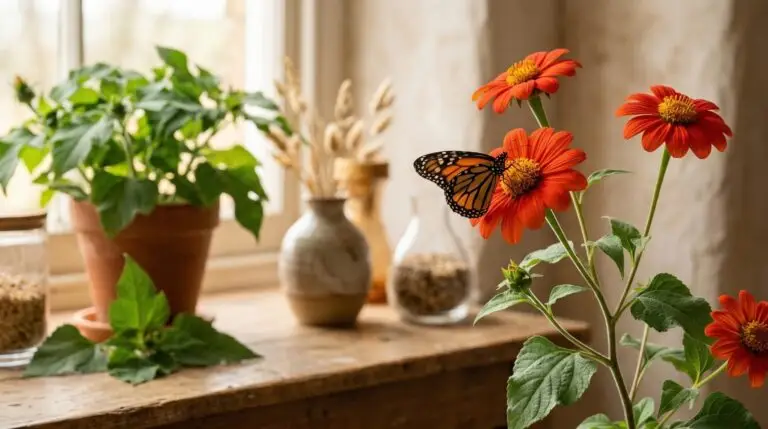
Mexican sunflower as the ultimate butterfly magnet for late season pollinator gardens
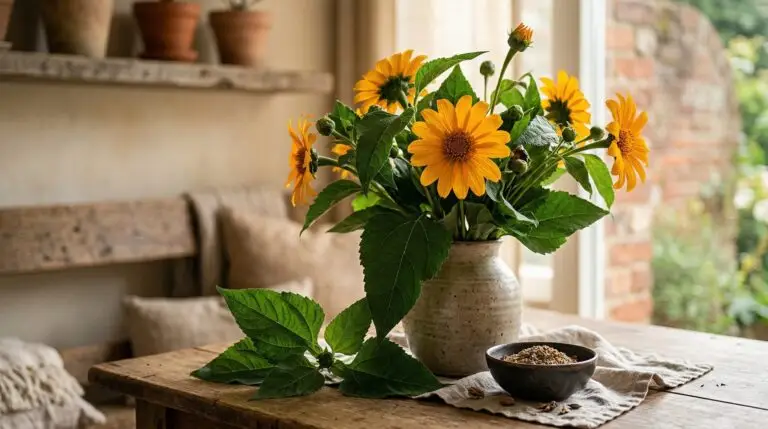
Mexican sunflower leaves as a natural fertilizer and green mulch for vegetable gardens
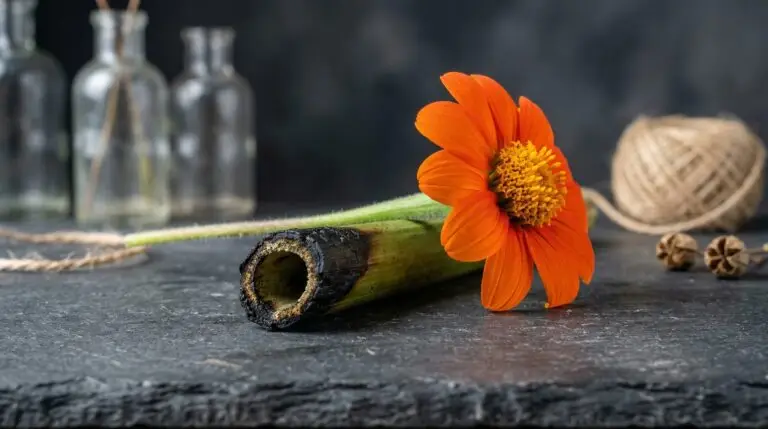
Mexican sunflowers as cut flowers with the trick to prevent hollow stems from wilting
How to grow Mexican sunflowers for towering walls of blazing orange in late summer
Mexican sunflower versus common sunflower and why you should grow both
How to keep Mexican sunflowers from flopping over when they get tall and top-heavy
How to save Mexican sunflower seeds for next year’s free butterfly garden
Companion plants for Mexican sunflower: what to grow, avoid
Compact Mexican sunflower varieties for smaller gardens that still attract butterflies
Enjoying our flower guides? Add YourFlowersGuide as a preferred source on Google. It helps more readers find us.
Add to Preferred Sources