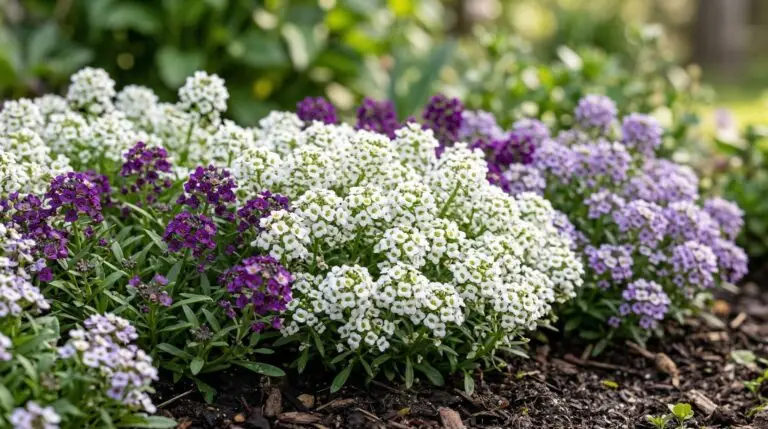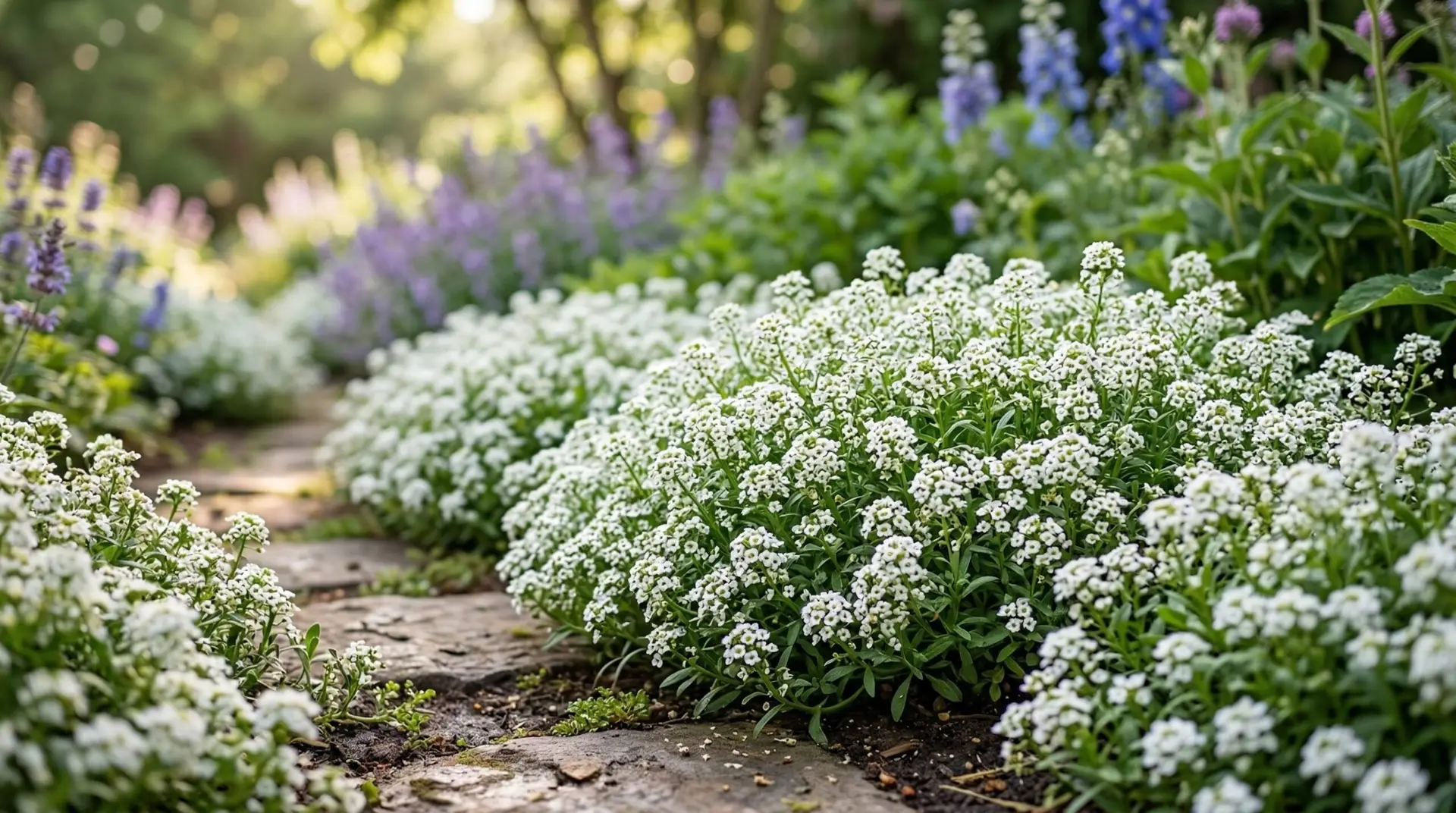
Walking past the garden center racks in early spring always means catching that unmistakable scent of honey floating on the breeze. Sweet alyssum is one of those plants that looks incredibly delicate in those little plastic pots, spilling tiny white flowers over the edges. Buying flats of it gets expensive quickly, but growing sweet alyssum from seed is actually one of the cheapest and most reliable projects a home gardener can take on. A single packet of seeds costs less than a cup of coffee and yields enough plants to edge an entire flowerbed. The trick is understanding that this plant wants to spread out and weave through its neighbors rather than stand up straight. This low grower acts like a living mulch that keeps the soil cool and suppresses weeds while smelling like a bakery.
After trying both methods for several years, the one that consistently works is skipping the indoor seed starting entirely and scattering seeds directly where they are meant to grow. Indoor seedlings tend to get leggy, and transplanting them is a messy chore because their roots are threadlike and fragile. Tossing seeds onto bare, scratched up soil just before the last spring frost produces tougher plants that acclimate to the outdoor elements immediately. They do not need deep burying, just a firm press into the dirt so they make contact with the soil and can catch the spring rains. The seeds are so small that burying them under heavy soil usually prevents them from ever seeing the sun. Leaving them exposed on the surface is the secret to getting a thick, even carpet of green.
Getting seeds to sprout and survive the first month
The germination process requires a bit of faith and a consistent level of moisture. Sweet alyssum seeds are incredibly tiny, looking more like specks of dust than something that will turn into a sprawling carpet of flowers. Because they need light to germinate, covering them with mulch or thick compost guarantees failure. Simply roughing up the top inch of dirt with a garden rake, scattering the seeds, and misting the area daily keeps them happy. Within a week or two, tiny green specks will appear, and this is the stage where many gardeners accidentally wash them away with a heavy hose blast. A gentle misting nozzle or a cheap plastic watering can with a fine rose attachment is the best tool for this delicate phase.
Once the seedlings are an inch tall, the hardest part of sweet alyssum care begins, which is thinning them out. It feels wrong to pull up healthy little plants, but leaving them crowded together leads to poor air circulation and weak, spindly growth. Thinning them to about six inches apart gives each plant the room it needs to branch out and create that dense spilling effect over the edge of a raised bed or pathway. The seedlings look ragged and floppy for about two weeks after this process, often tricking people into thinking they are dying. They are not dead, they are just focusing their energy on growing a root system before pushing out new leaves. Give them time, keep the soil lightly moist, and they will soon start to spread outward.
Managing the summer heat and the midseason slump
Sweet alyssum thrives in cool weather, meaning its behavior changes drastically depending on the local climate and the time of year. Gardeners in the South may find this easier to grow as a winter or early spring annual, as the brutal July heat will often cause the plants to stop blooming entirely. In northern zones, the approach changes, and these plants will usually bloom continuously from late spring right up until the first hard freeze. When the intense summer heat does arrive, the plants often develop a yellow, tired look, and the honey scent fades away. This is a completely normal reaction to heat stress and not a sign that the plants need expensive fertilizer or extra water. Pushing them to grow with high nitrogen plant food during a heatwave usually just burns the roots and kills them faster.
The most effective way to handle this midseason slump is to give the plants a harsh haircut. Taking a pair of regular household scissors and chopping the entire plant back by half feels drastic, but it forces fresh, compact growth. Within a week of being cut back, the green foliage will return, and the flowers will follow shortly after as the late summer nights start to cool down. Watering during this hot period should happen at the base of the plant rather than overhead, as wet foliage combined with high humidity invites rot. A cheap soaker hose wound through the flowerbed keeps the roots moist without soaking the dense mats of leaves. Keeping the foliage dry is the easiest way to prevent powdery mildew from taking hold when the air is thick and humid.
Using sweet alyssum as a living mulch and companion
One of the most practical reasons for growing sweet alyssum is how well it plays with other garden favorites. Because it stays low to the ground and has shallow roots, it does not compete for nutrients with taller, heavier feeders. Planting a thick border of it around the base of taller annuals creates a beautiful tiered effect while keeping the soil underneath shaded and moist. It makes an excellent companion for growing petunias, hiding their sometimes bare lower stems while adding a contrasting texture to the large, trumpet shaped blooms. The white varieties of alyssum are particularly useful for breaking up clashing colors in a mixed border, acting as a visual resting place between bright reds and purples. It fills in all the awkward gaps where bare dirt would otherwise invite weeds.
Beyond looking good, a thick carpet of these tiny flowers serves a very functional purpose in the vegetable garden or flowerbed. The dense mat of foliage acts as a living mulch, shading out weed seeds and preventing them from taking hold in bare soil. This saves countless hours of pulling weeds on hands and knees during the hottest months of the year. It also pairs perfectly with growing marigolds along the edges of vegetable plots, where the two plants work together to attract beneficial insects. The shallow nectar cups of sweet alyssum are the perfect shape for tiny parasitic wasps and hoverflies, which are the exact insects needed to control aphid populations naturally. Bringing these tiny pollinators into the yard does more for pest control than any chemical spray ever could.
Keeping the blooms going until the frost hits
As summer fades into fall, sweet alyssum gets a second wind and puts on its best display of the year. The return of cool nights triggers a massive flush of new flowers, and the honey scent becomes noticeable all over again. This is the time when the plants will spill aggressively over the edges of containers and retaining walls, creating those cascading white sheets that everyone wants. It mixes beautifully with late season bloomers, and planting it alongside growing verbena creates a tough, frost tolerant display that outlasts almost everything else in the yard. These plants will happily survive light frosts, often continuing to bloom even after the surrounding foliage has turned brown and died back. They are incredibly resilient once established, shrugging off cold morning temperatures with ease.
The final reward of lobularia care comes at the very end of the season when the plants finally succumb to a hard, killing freeze. Instead of pulling the dead brown mats up immediately, leaving them in place allows the tiny seed pods to dry and shatter over the soil. This self sowing habit means that a single successful planting will often result in free volunteer seedlings popping up in the exact same spot the following spring. These volunteers are always tougher and more vigorous than anything grown in a greenhouse, having naturally adapted to the specific soil and moisture conditions of the yard. They know exactly when the soil temperature is right for germination, taking all the guesswork out of spring planting. Learning to recognize those tiny green specks in early spring turns a one time seed purchase into a permanent, fragrant addition to the garden borders.
More About Sweet Alyssum
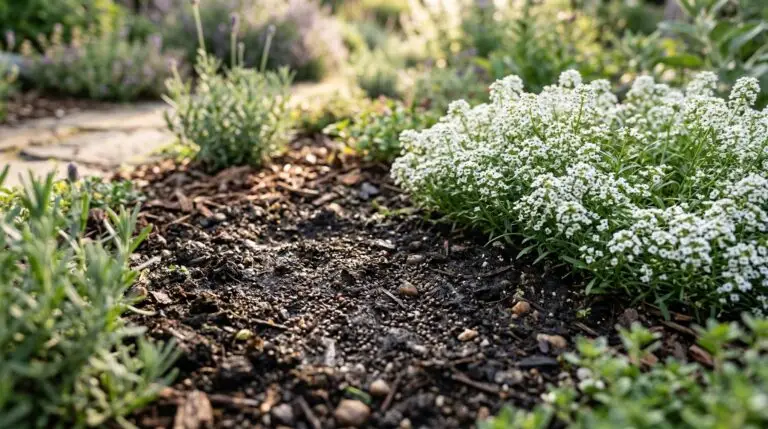
Growing sweet alyssum from seed and the scatter-sow method that could not be simpler
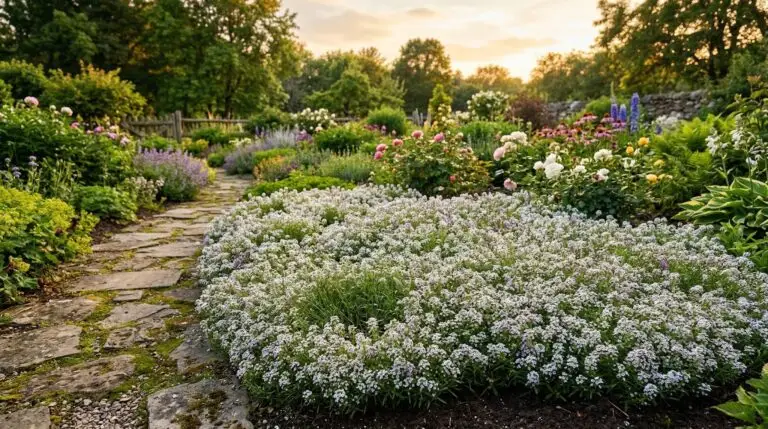
Sweet alyssum as a living mulch and ground cover that suppresses weeds while smelling amazing

Sweet alyssum between pavers and stepping stones for fragrant walkway edges
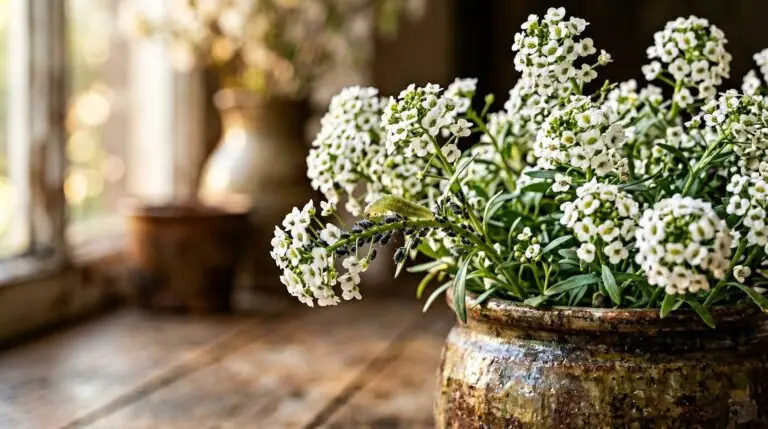
Sweet alyssum as a beneficial insect attractor that brings hoverflies and parasitic wasps
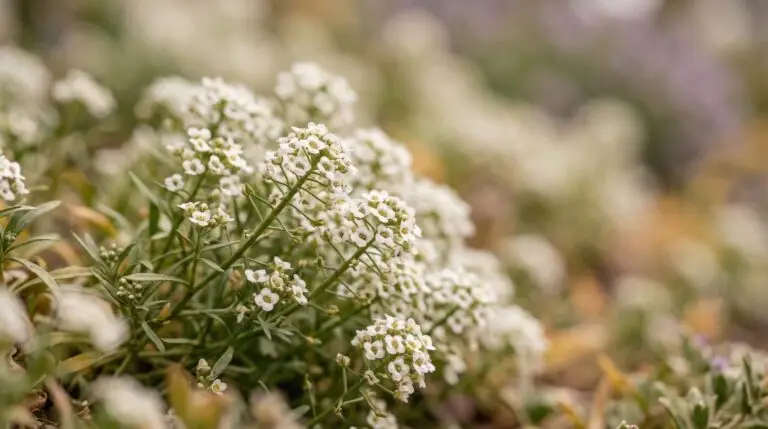
Sweet alyssum flower meaning and the modest charm of this honey-scented ground hugger
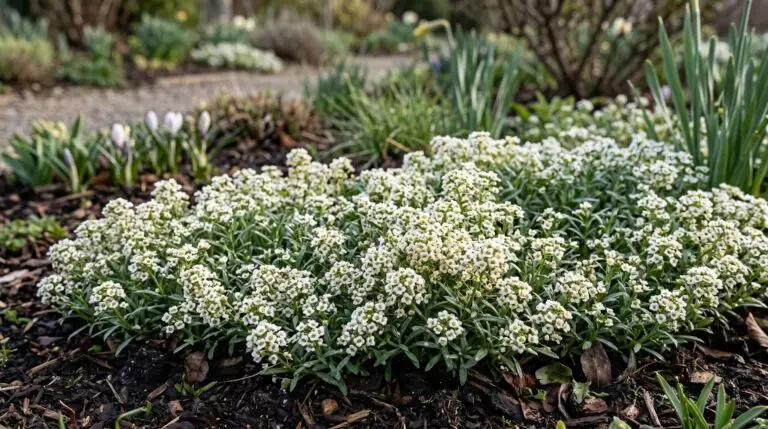
Why sweet alyssum dies in summer heat and the fall comeback you can count on
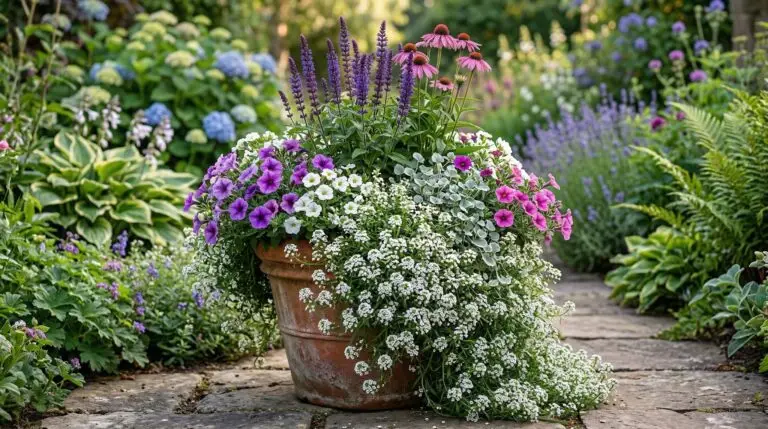
Sweet alyssum in containers and hanging baskets as the perfect fragrant spiller plant