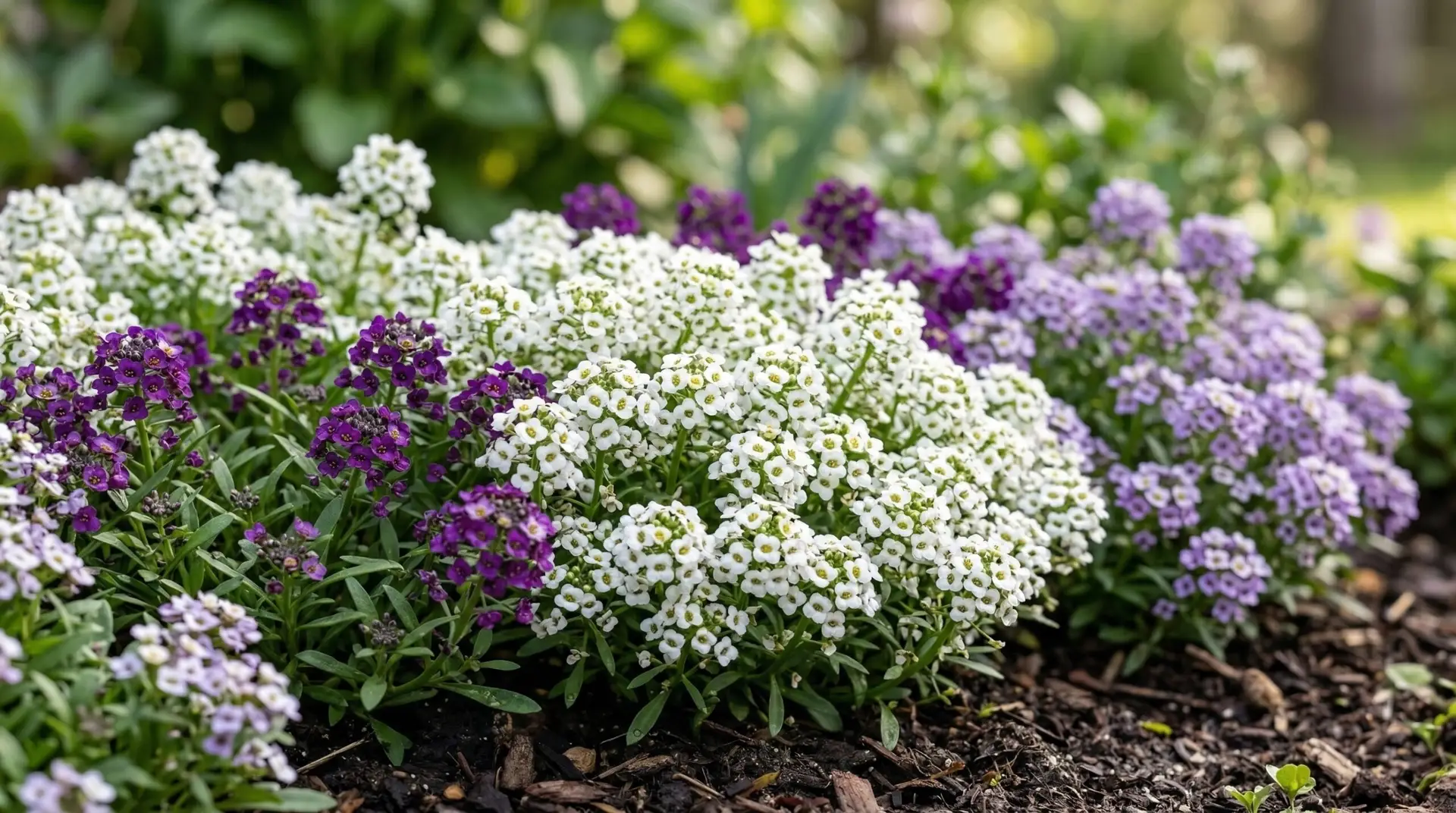
The first thing that tells me spring has truly settled into the garden is the heavy, sweet scent of honey drifting across the patio. Sweet alyssum is one of those plants that quietly slips into your heart and refuses to leave. Most people pick up a six-pack of basic white at the hardware store without giving it much thought, but there is an entire world of sweet alyssum varieties out there waiting to be explored. I remember the exact moment I realized this plant was more than just a cheap border filler. I was walking past a massive container spilling over with a pale apricot variety, completely covered in bees, and I knew I had to understand everything about how this plant works. The sheer volume of flowers these low-growing mounds produce over a single season is hard to comprehend until you watch them bloom week after week.
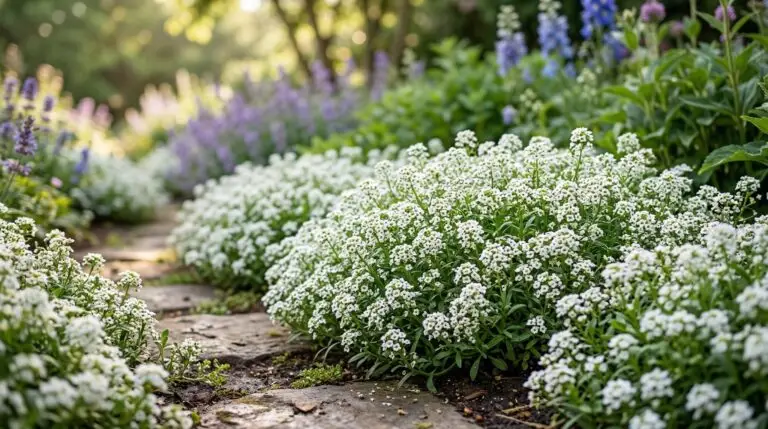
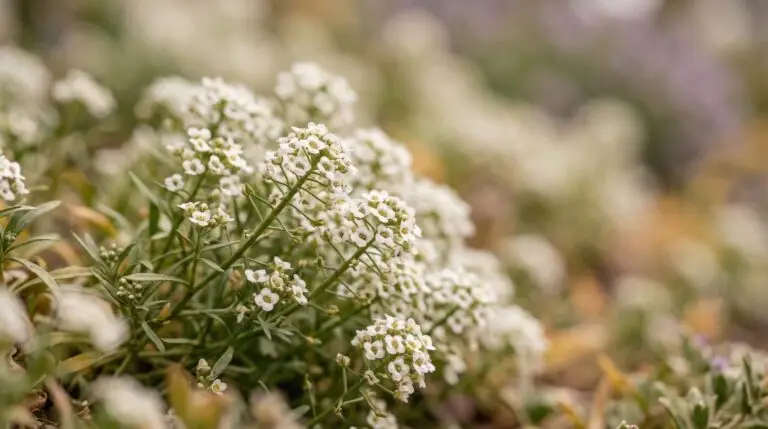
What keeps me coming back to sweet alyssum is the way it solves so many garden problems while asking for almost nothing in return. It softens the hard edges of brick walkways and spills generously over the sides of terracotta pots. The tiny, four-petaled flowers form dense clusters that completely obscure the foliage when the plant is happy. I love watching the local pollinator population discover a fresh patch of alyssum, buzzing with activity from dawn until dusk. While the traditional white types will always have a place in my yard, the newer breeding advances have given us colors and habits that completely change how we can use this plant. You can now find types of sweet alyssum that thrive in deep summer heat or cascade three feet down a retaining wall.
Contents 4 sections
The classic seed varieties that started it all
For years, my garden relied entirely on the older, seed-grown varieties of sweet alyssum, and there is still a deep satisfaction in watching them germinate. The Easter Bonnet series remains a personal favorite because it stays incredibly compact and uniform, making it the perfect choice for a tidy front-of-the-border planting. These plants rarely grow taller than a few inches, creating a dense mat of color that smells exactly like warm honey. Whenever I want a rich, dark purple, I reach for Royal Carpet, a heritage variety that has been around for decades. Royal Carpet sits very low to the ground and produces a slightly spicy undertone to its fragrance, though the purple color can fade to a dusty lavender when the sun gets too intense. If you want larger individual flowers on a seed-grown plant, the Clear Crystal series offers a noticeable upgrade in bloom size while maintaining that classic mounding habit.
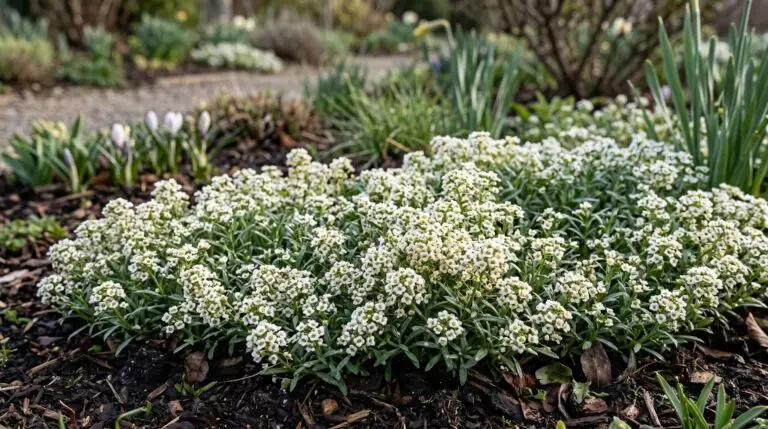
Growing these traditional varieties from seed is incredibly rewarding, especially when you discover little self-sown seedlings popping up in the cracks of your driveway the following spring. I usually direct-sow seeds right into the garden beds a few weeks before the last frost, lightly pressing them into the soil because they need light to germinate. The anticipation of seeing those tiny green specks emerge is a ritual I look forward to every April. However, these older types do have a distinct flaw that every grower eventually encounters. When the deep heat of July arrives, traditional seed-grown alyssum often stops blooming entirely, retreating into a scraggly, yellowing phase that can be frustrating to look at. I have learned to simply give them a hard haircut with a pair of scissors, water them deeply, and wait for the cooler nights of late summer to trigger a second flush of blooms.
Heat tolerance changes everything
Everything I thought I knew about sweet alyssum shifted a few years ago when breeders introduced vegetative varieties specifically designed to handle extreme heat. Snow Princess was the absolute breakthrough in this category, and growing it for the first time felt like discovering a completely new plant species. Unlike the seed-grown types that stay polite and compact, Snow Princess is a wildly vigorous grower that wants to consume everything in its path. I planted a single plug in a large container one May, and by August, it had created a three-foot waterfall of pure white blooms that never stopped flowering, even during a brutal heatwave. Because these varieties are sterile and do not put energy into producing seed, they channel all their resources into continuous flower production. You do have to feed them aggressively to keep up with that level of growth, but the reward is a massive, cloud-like display that lasts straight through to the first hard freeze.
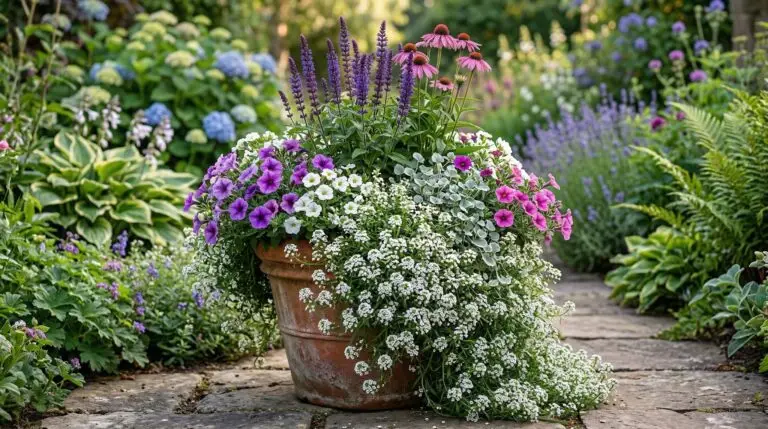
The success of Snow Princess opened the door for an entire generation of robust, trailing alyssum varieties that perform beautifully in hanging baskets and large mixed containers. When you pair these vigorous types with other trailing plants, you get a spectacular display that requires very little maintenance. I frequently combine them with a trailing petunia to create massive hanging baskets that look full and lush from spring until fall. The alyssum works as a frothy filler that weaves through the larger petunia blooms, creating a soft texture that ties the whole arrangement together. These heat-tolerant varieties drink a massive amount of water, so you have to be prepared to soak your containers daily during the hottest months. If you miss a watering, they will wilt dramatically, but they usually bounce back with surprising speed once you rehydrate the soil.
Exploring colors beyond basic white
While the classic white alyssum provides a crisp, clean look, the newer color options have completely captured my attention. The Blushing Princess variety is an absolute favorite of mine, offering a soft, silvery apricot tone that looks different depending on the angle of the sun. In the cool weather of early spring, the flowers take on a deeper, almost rosy hue, but as the summer heat turns up, they soften into a pale cream with just a hint of peach. This color shifting makes the plant feel alive and responsive to its environment, giving you a slightly different garden picture every time you walk outside. I love planting Blushing Princess near dark purple foliage plants, where the delicate apricot flowers provide a bright, contrasting highlight. The scent on these colored varieties is just as strong as the white ones, filling the evening air with that characteristic honey fragrance.
If you prefer deeper, richer tones, the Stream series of sweet alyssum has some of the best purples and pinks available in the heat-tolerant category. Purple Stream is particularly satisfying to grow because it maintains a strong, clear color even when the temperatures rise, avoiding the washed-out look that plagues older purple varieties. The habit of the Stream series is slightly more restrained than the Princess line, making it easier to manage in smaller pots or window boxes where you want a trailing effect without the plant taking over completely. I often mix Purple Stream with a brightly colored verbena to create a container that looks like a dense, textured carpet of tiny flowers. You do have to watch out for flea beetles, which seem particularly drawn to the colored varieties and can quickly pepper the leaves with tiny holes. I usually just tolerate a little beetle damage, as the plants grow so fast they quickly push out new foliage to cover the chewed leaves.
The quiet rewards of the late season
The true magic of sweet alyssum reveals itself in the late autumn garden, long after most other annuals have given up and gone to seed. As the nights get colder and the heavy frosts approach, the alyssum seems to find a second wind, blooming with an intensity that rivals its spring performance. The colors on the pink and purple varieties deepen significantly in the cold, taking on rich jewel tones that look incredibly sharp against the fading autumn yard. I have often walked out in late November to find my alyssum covered in frost crystals, only to watch the ice melt away in the morning sun, leaving the flowers completely undamaged. It is one of the few plants that continues to offer fresh nectar to late-season bees desperately searching for food before winter sets in completely.
The relationship you build with a plant like sweet alyssum is based entirely on its humble reliability and the quiet joy it brings to the everyday routine of gardening. I know exactly what it will do, I know how it will smell, and I know the precise shade of green its tiny leaves will be when they first emerge from the soil. Even when a mid-summer slump leaves the older varieties looking tired, or a missed watering causes a hanging basket to wilt, the plant is always ready to forgive and push out new growth. It does not demand center stage or require complicated pruning schedules to look good. You simply plant it, give it a little water, and let it work its magic along the edges of your world. That simple, generous nature is exactly why I will always make room for sweet alyssum in my garden, tucking it into every available corner year after year.
More About Sweet Alyssum
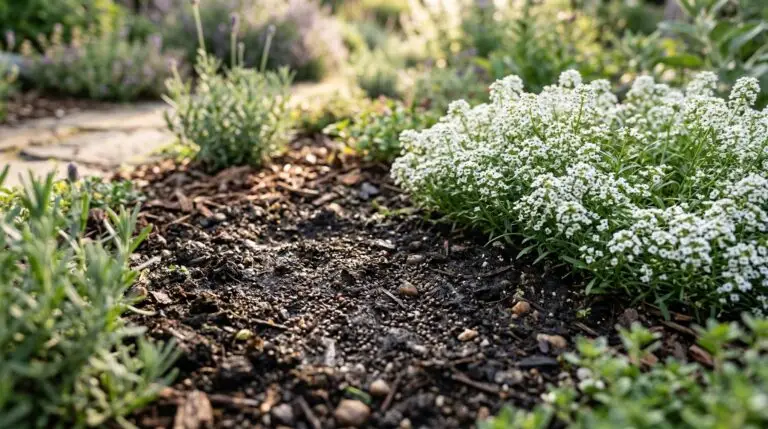
Growing sweet alyssum from seed and the scatter-sow method that could not be simpler
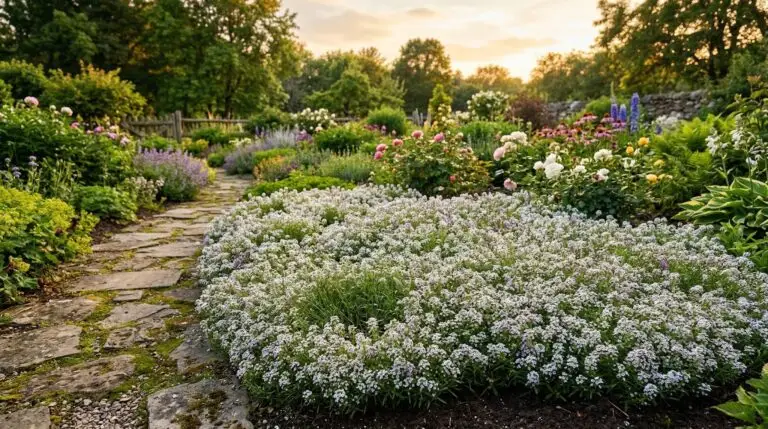
Sweet alyssum as a living mulch and ground cover that suppresses weeds while smelling amazing

Sweet alyssum between pavers and stepping stones for fragrant walkway edges
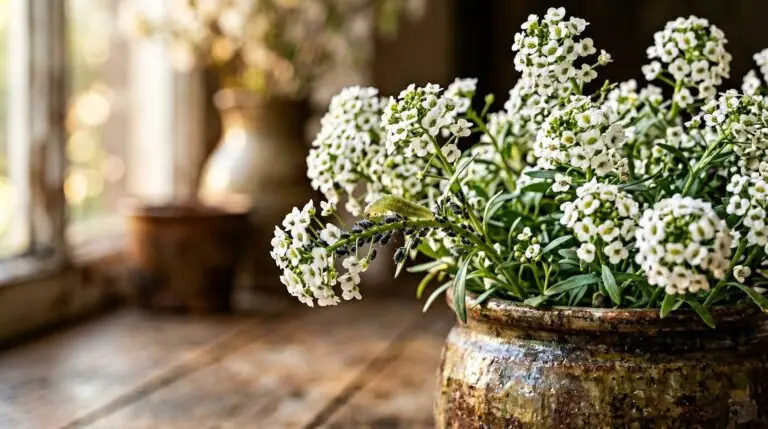
Sweet alyssum as a beneficial insect attractor that brings hoverflies and parasitic wasps
How to grow sweet alyssum for fragrant white carpets that spill over every edge
Sweet alyssum flower meaning and the modest charm of this honey-scented ground hugger
Why sweet alyssum dies in summer heat and the fall comeback you can count on
Sweet alyssum in containers and hanging baskets as the perfect fragrant spiller plant
Enjoying our flower guides? Add YourFlowersGuide as a preferred source on Google. It helps more readers find us.
Add to Preferred Sources