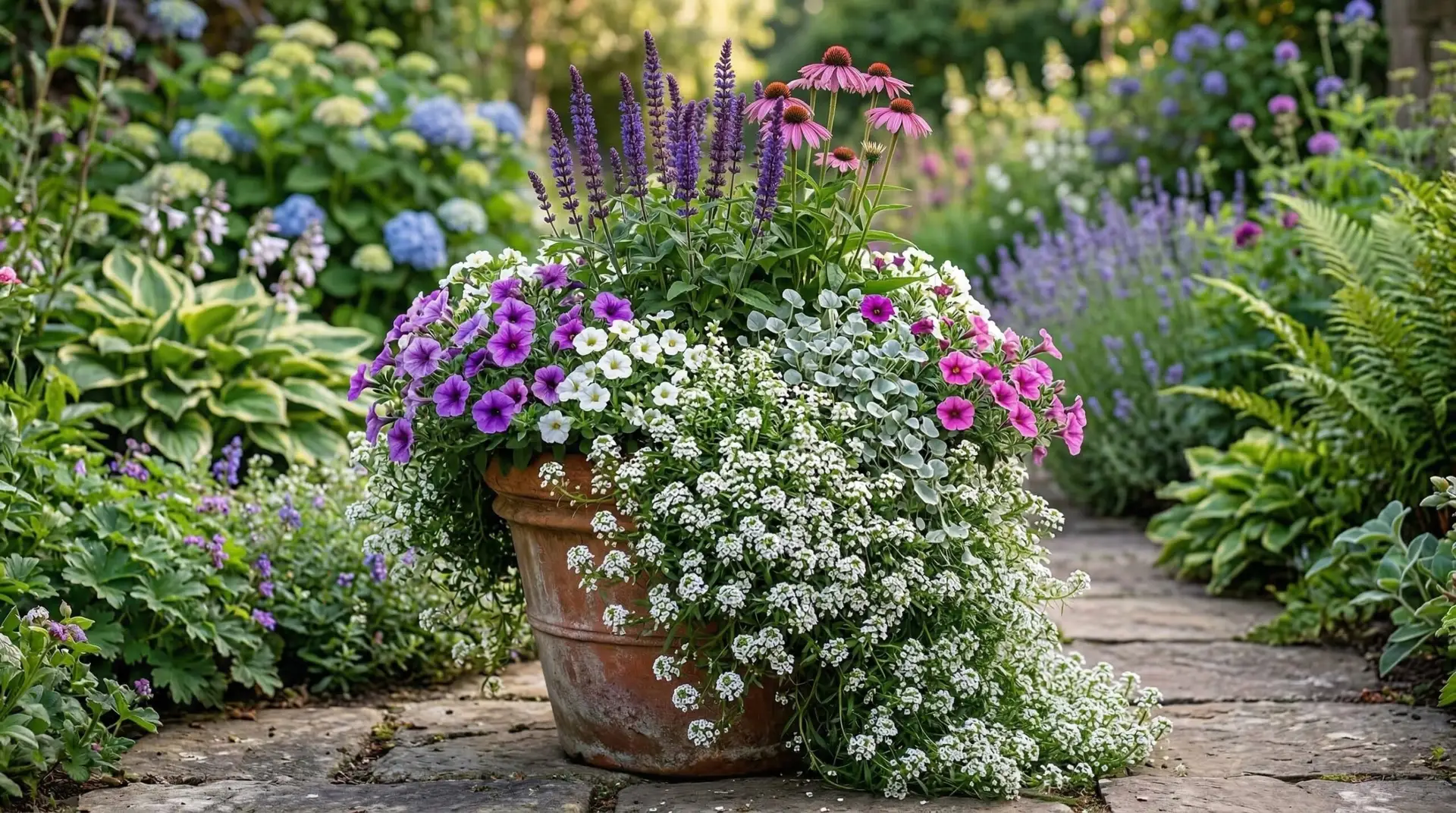
I want you to imagine stepping onto a warm wooden porch just as the late afternoon sun dips below the roofline. The air is thick with a scent that reminds you of warm honey and powdered sugar, drifting down from a moss-lined basket overhead. When you look up, you see a cloud of tiny, four-petaled flowers spilling over the rim, catching the golden hour light so completely that the blossoms seem to glow from within. This is sweet alyssum in its element, lifted away from the ground and brought right to your eye and nose level. The foliage is a dusty, matte green, composed of narrow leaves that almost disappear beneath the sheer volume of blooms. Growing sweet alyssum in pots changes the way you experience the plant entirely, elevating it from a simple ground cover to a cascading curtain of fragrance. You can brush your fingers through the dense mat of flowers as you walk by, releasing even more of that rich, sweet perfume into the evening air.
Contents 3 sections
The architecture of a planted pot
Every well-designed container needs a plant that softens the hard edge of the rim and anchors the arrangement to the earth. Sweet alyssum container plantings fulfill this role with a delicate, frothy texture that contrasts sharply with heavy ceramic or rough terracotta. As the season progresses, the stems stretch out and tumble downward, creating a living waterfall of tiny blossoms that moves with the slightest breeze. The stems themselves feel slightly wiry and rough to the touch, providing a sturdy framework for the papery, delicate flower heads that cluster at the tips. When you pair this fine-textured spiller with large, velvety blooms like a petunia, the visual weight of the container finds a perfect equilibrium. The dense mat of alyssum foliage also shades the potting soil, helping to retain moisture during the hottest parts of the day while keeping the shallow roots of companion plants cool.
The color palette of sweet alyssum offers subtle variations that shift as the light changes throughout the day. The classic snow-white varieties reflect the moonlight, glowing like scattered pearls in a night garden and providing a crisp, clean contrast to dark foliage. If you prefer deeper tones, you can find varieties in a saturated violet that photographs almost black in the shadows, or a soft blush pink that mimics the color of early morning clouds. These colored varieties often show a deeper center, drawing the eye inward and providing a landing pad for the tiny solitary bees that frequent the blooms. Mixing the stark white alyssum with the deep reds and oranges of a marigold in a large wooden barrel creates a scene that feels both rustic and deliberate. The colors seem to vibrate against each other in the bright midday sun, while the alyssum continues its slow, steady creep over the wooden staves.
Bringing sweet fragrance to the breeze
The true magic of an alyssum hanging basket lies in its placement, suspending the blossoms exactly where the air currents can catch their scent. Down on the ground, the honeyed fragrance often gets lost in the competing smells of damp earth and crushed grass. Lifted into the air, the volatile oils heat up in the sun and project outward, creating an invisible cloud of sweetness that greets you before you even see the flowers. The scent is strongest on warm, still afternoons when the sun has been baking the petals for hours, turning the air around the porch into a perfumed envelope. On damp, foggy mornings, the fragrance becomes heavier and more muted, mingling with the smell of wet pavement and rain-soaked bark. You will notice that the white varieties tend to produce the most generous perfume, though the purple and peach types still offer a mild, sweet scent when you lean in close.
The way sweet alyssum responds to the weather makes it a deeply engaging plant to observe through the seasons. After a heavy summer rain, the tiny flower heads hold onto individual water droplets, turning the entire cascading mound into a glittering, heavy mass that droops low over the basket edge. As the sun emerges and dries the petals, the stems slowly lift themselves back up, shaking off the moisture and fluffing out like a bird drying its feathers. In the cooler days of early autumn, the plant takes on a renewed vigor, producing a second flush of blooms that often outlasts the first frost. Pairing it with a trailing verbena creates a textured curtain of foliage that sways heavily in the autumn wind, the purple and white blossoms tangling together in a wild, unkempt beauty. The cold nights encourage the alyssum foliage to take on a slight purplish tint, signaling the end of the season while still holding onto its sweet, honeyed scent.
Tending to your cascading blooms
Setting up sweet alyssum in pots requires an understanding of how the roots behave in a confined space. You will know the soil is right when it feels like a wrung-out sponge in your hand, holding together when squeezed but easily crumbling apart when you rub your thumb across it. The fine, thread-like roots need this loose, airy environment to spread out and establish themselves before the summer heat arrives. When planting, gently loosen the root ball with your fingers, feeling the cool, damp nursery soil give way before tucking the plant near the very edge of the container. Angle the root ball slightly outward, pointing the foliage over the rim so the stems know exactly which way to spill. Press the fresh soil firmly around the base, ensuring there are no hidden air pockets, and water the pot until you hear the satisfying drip of excess moisture falling from the drainage holes.
Maintaining that continuous waterfall of color and scent requires a watchful eye and a willingness to get your hands dirty. You can tell when the plant is thirsty because the usually bright, matte green leaves take on a dull, grayish cast and the stems lose their rigid, wiry tension. A deep drink of water restores their plump, hydrated feel within a few hours, lifting the cascading stems back to their proper arching form. By midsummer, the center of the plant may begin to look tired, with the older stems turning brown and papery near the soil line. Taking a sharp pair of garden shears and cutting the entire plant back by half feels drastic, but the clean scent of cut stems and the promise of new growth make it worthwhile. Within a week, you will see tiny, bright green shoots pushing through the older foliage, and soon the honey-scented blossoms will return in a fresh, tight wave of color.
When the day finally ends and the garden loses its bright colors to the dusk, sweet alyssum steps forward to claim the evening. The white petals act like tiny reflectors, catching the ambient light of the moon and streetlamps, making the hanging baskets look like floating clouds against the dark siding of a house. The night air cools the oils in the flowers, changing the scent from a baked, heavy honey to a crisp, powdery sweetness that drifts through open bedroom windows. Small night-flying moths hover around the edges of the pot, their wings a blur of motion as they seek out the nectar hidden inside the microscopic blooms. You can run your hand along the cascading stems one last time, feeling the cool, damp night air settling on the petals. The fragrance stays on your skin long after you have gone inside, a quiet reminder of the living, breathing garden waiting just beyond the door.
More About Sweet Alyssum
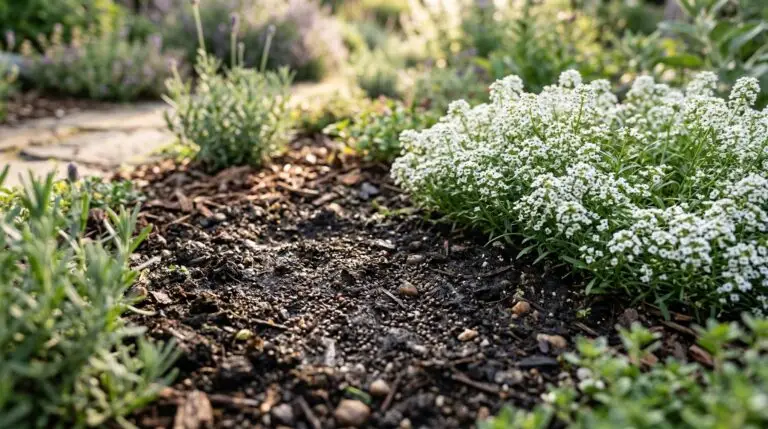
Growing sweet alyssum from seed and the scatter-sow method that could not be simpler
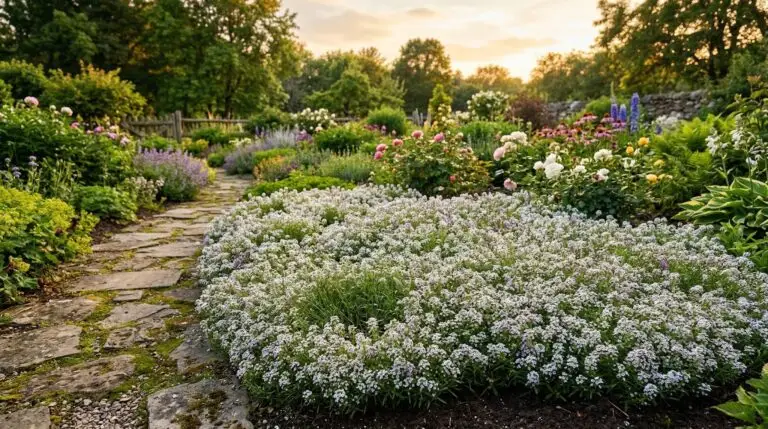
Sweet alyssum as a living mulch and ground cover that suppresses weeds while smelling amazing

Sweet alyssum between pavers and stepping stones for fragrant walkway edges
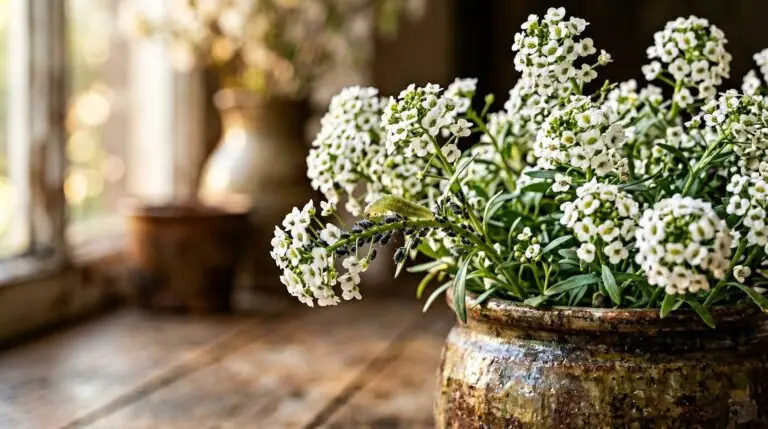
Sweet alyssum as a beneficial insect attractor that brings hoverflies and parasitic wasps
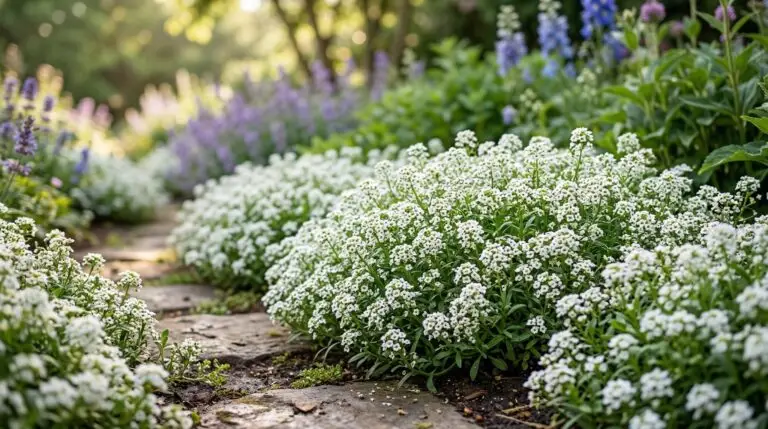
How to grow sweet alyssum for fragrant white carpets that spill over every edge
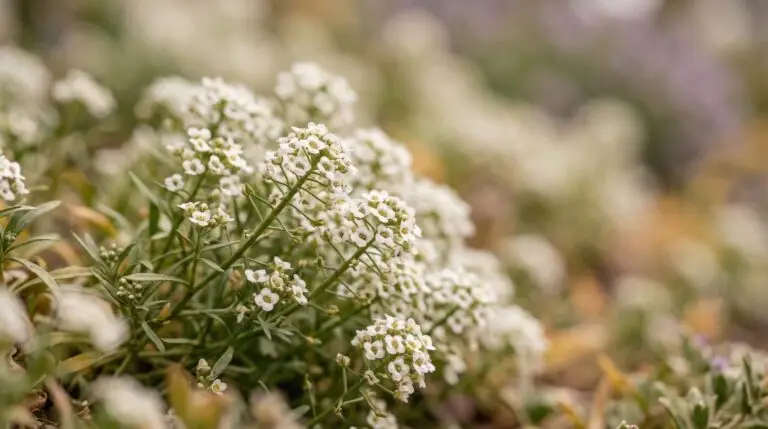
Sweet alyssum flower meaning and the modest charm of this honey-scented ground hugger
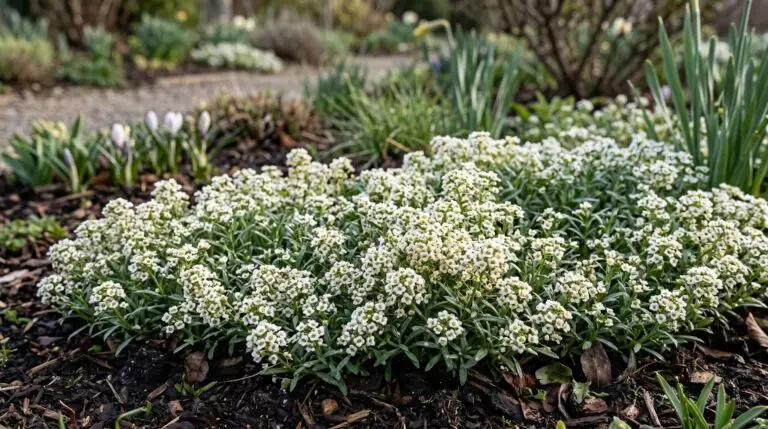
Why sweet alyssum dies in summer heat and the fall comeback you can count on
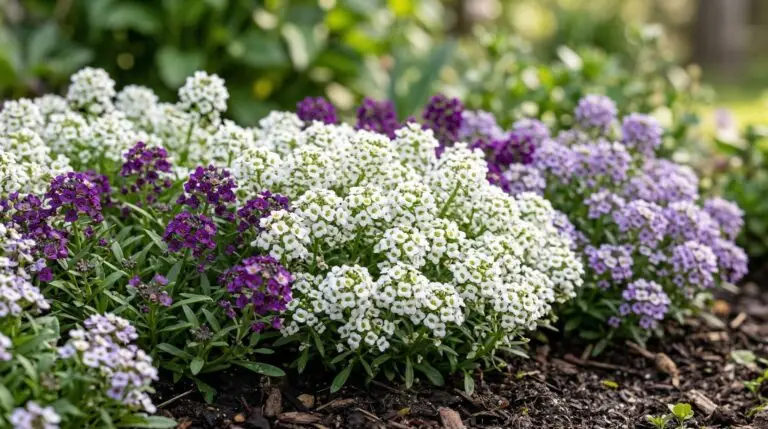
Best sweet alyssum varieties from classic white to purple Stream and apricot Blushing Princess
Enjoying our flower guides? Add YourFlowersGuide as a preferred source on Google. It helps more readers find us.
Add to Preferred Sources