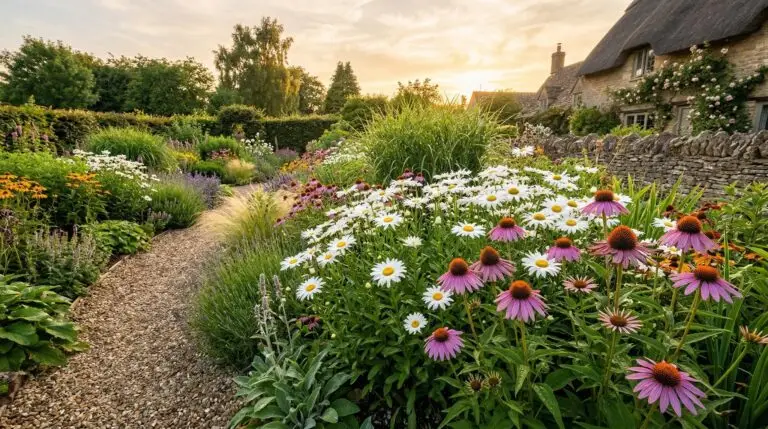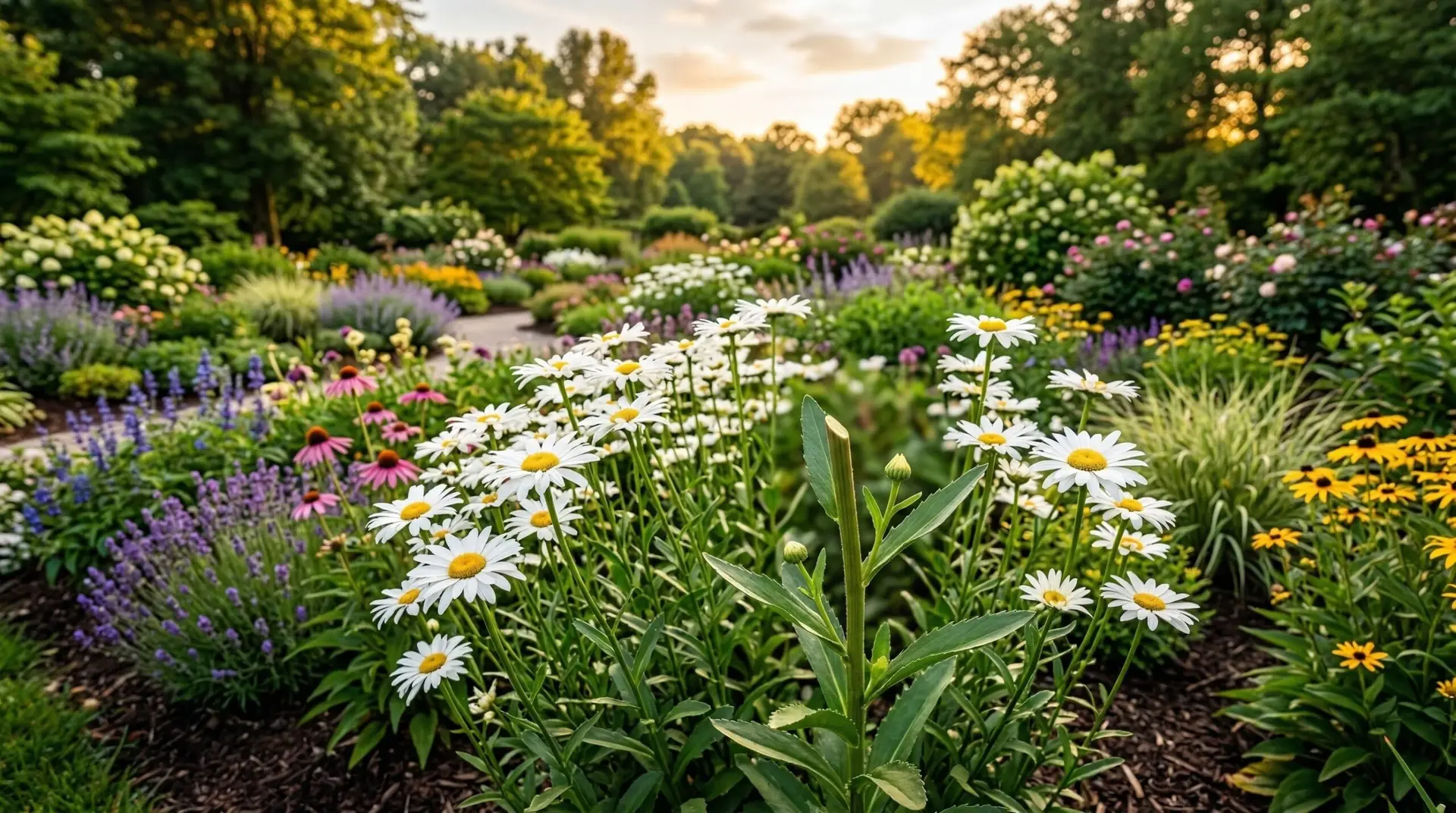
Shasta daisies are classic summer perennials that bring bright white and yellow blooms to the garden, but left to their own devices, they will put on one massive show and then quickly go to seed. When a flower gets pollinated and begins forming seeds, the plant assumes its reproductive job is done for the season. It stops producing new buds and diverts all its energy into maturing those seeds. By removing the fading flowers before they can develop seed heads, you trick the plant into trying again. This process forces the plant to push out new growth and new buds, turning a short bloom period into a display that lasts well into the late summer. Before you begin, grab a pair of sharp bypass pruners and wipe the blades with rubbing alcohol to prevent spreading any fungal diseases between your plants. You will be making precise cuts, so a clean, sharp blade ensures the stems heal quickly without inviting rot or pests into the vascular tissue.
Recognizing when a flower is ready for removal
Knowing exactly when to remove a bloom is the first step in deadheading Shasta daisy plants effectively. You want to wait until the flower is clearly past its prime but act before the center cone turns completely brown and hard. Look for petals that are drooping, turning brown at the edges, or falling off completely, leaving just the yellow center behind. The yellow center itself will start to look dull and may begin expanding or bulging as the seeds develop inside. At this stage, you might notice smaller, tight green buttons forming lower down on the stems. Those green buttons are the lateral buds waiting for their turn to bloom, and they need the energy currently being stolen by the dying flower above them. Removing the spent blooms promptly gives these secondary buds the resources they need to open fully and brightly.
The cut to lateral bud method
A common mistake gardeners make is simply snipping off the dead flower head right below the petals, which leaves a bare, headless stem sticking up in the garden. These empty stems look untidy, and they eventually die back anyway, wasting the plant’s energy in the process. Instead of just popping off the top, follow the stem of the dying flower down with your fingers until you find a new leaf node or a visible green bud. Position your bypass pruners about a quarter inch above that new bud and make a clean, angled cut. The angled cut allows rainwater to slide off the stem rather than pooling on top, which helps prevent stem rot during wet weather. If you trace the stem all the way down and do not see any new buds forming, simply cut the entire stem off near the base of the plant, hiding the cut within the lower foliage. This selective Shasta daisy pruning keeps the plant looking lush and green while directing all moisture and nutrients straight to the actively growing parts.
Managing the midsummer slump with a hard shear
As daytime temperatures consistently stay above eighty degrees and the first heavy flush of flowers finishes, your daisies might start looking exhausted. You will likely see the lower leaves turning yellow or brown, and the stems might begin to flop open in the center, leaving a bare spot in the middle of the clump. This is normal behavior for a mature perennial that has expended a massive amount of energy blooming during the hottest part of the year. Rather than meticulously cutting hundreds of individual stems, you can perform a midsummer hard shear to refresh the entire plant. Gather a handful of stems and cut the entire clump back by about half, or even down to the sturdy basal foliage near the ground if the upper leaves look terrible. This technique works beautifully for many summer perennials, and you will find similar success when managing a sprawling Coreopsis that has bloomed itself to exhaustion. Within two weeks of this severe haircut, your daisy will push out a dense mound of fresh, green foliage to replace the tired leaves you removed.
Distinguishing late season care and fall cleanup
As the growing season winds down and daytime temperatures consistently drop, you will need to shift your approach from encouraging new blooms to preparing the plant for winter rest. Deadheading Shasta daisy late in the season is no longer about forcing a Shasta daisy rebloom, because the decreasing daylight tells the plant it is time to go dormant. You can choose to leave the very last flush of flowers on the plant to develop seeds, which provides valuable food for foraging birds during the colder months. Leaving the seed heads also adds structural interest to the winter garden when everything else has died back. However, if you prefer a tidy garden or want to prevent the daisies from self-seeding aggressively throughout your beds, you can remove the final flowers once they fade. Wait until the first hard frost kills the upper foliage before you do any major cutting back.
Cutting back is fundamentally different from deadheading, as it involves removing all the dead upper stems to tidy the garden for winter rather than shaping the plant for more flowers. When the frost has turned the tall stems brown and brittle, use your pruners to cut them down to about two inches above the soil line. You might notice a small rosette of green leaves hugging the ground at the base of the plant, and you must be careful not to damage this basal foliage. These low-lying leaves often persist through the winter and help protect the crown of the plant from extreme temperature fluctuations and excessive moisture. Similarly, when you clean up a Coneflower patch in the late fall, leaving that basal rosette intact ensures the roots have a head start when the soil warms up again. By managing your daisies correctly through the summer with precise cuts and finishing with a proper fall cleanup, you set the stage for a healthy, vigorous plant. You can expect to see a robust, tightly clustered mound of green emerging from the soil as soon as the spring ground thaws, ready to start the cycle all over again.
More About Daisy
Shasta daisies in containers for bright summer displays on patios and porches
Shasta daisy flower meaning and the simple joy of the world’s most recognized flower shape
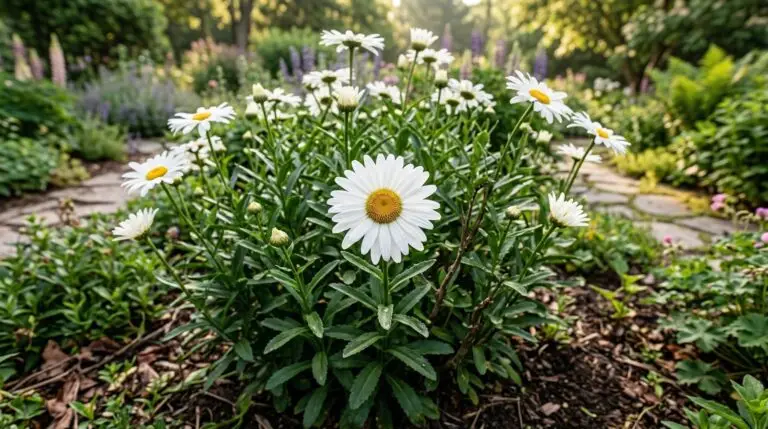
Why Shasta daisies die after a few years and how to keep them going through division
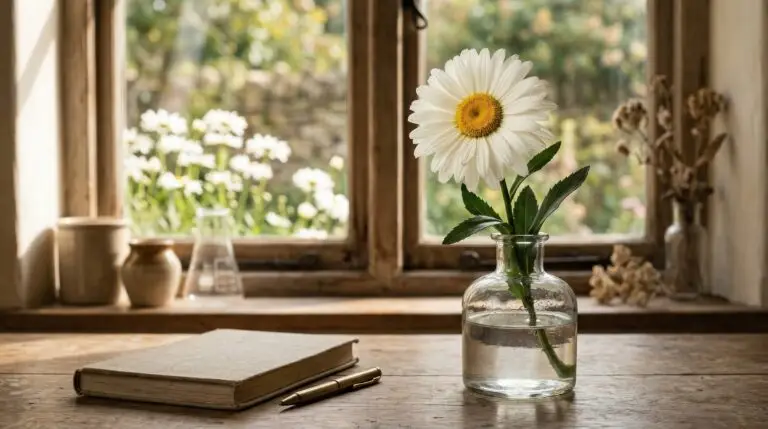
The Luther Burbank story and how he created the Shasta daisy from four wild species
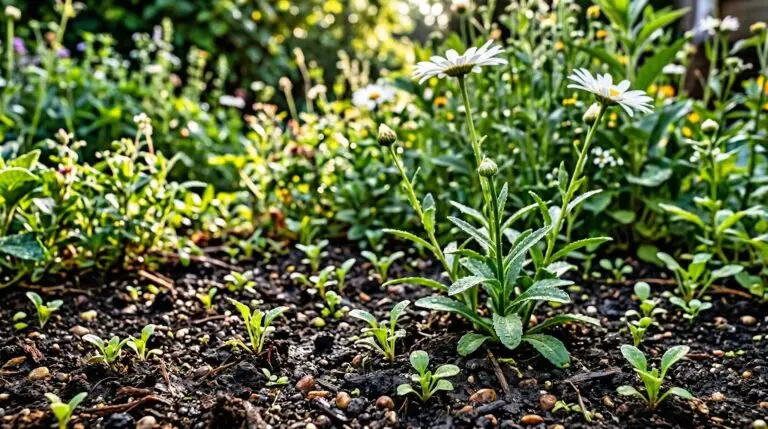
Growing Shasta daisies from seed for the most affordable perennial border
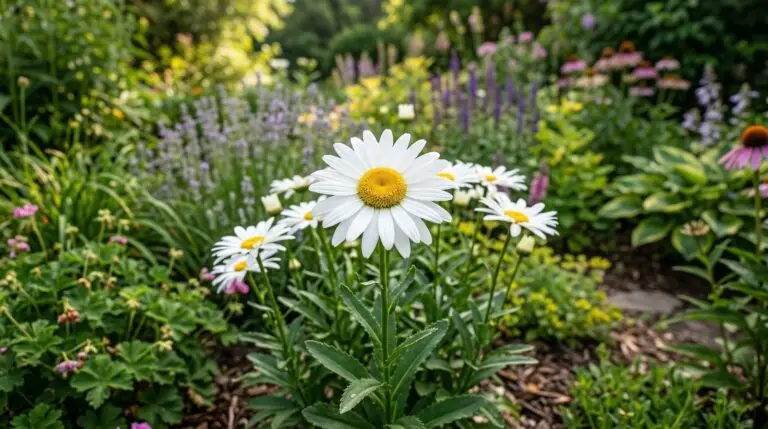
How to grow Shasta daisies for cheerful white and gold flowers all summer long
Shasta daisies as long-lasting cut flowers for simple elegant summer bouquets