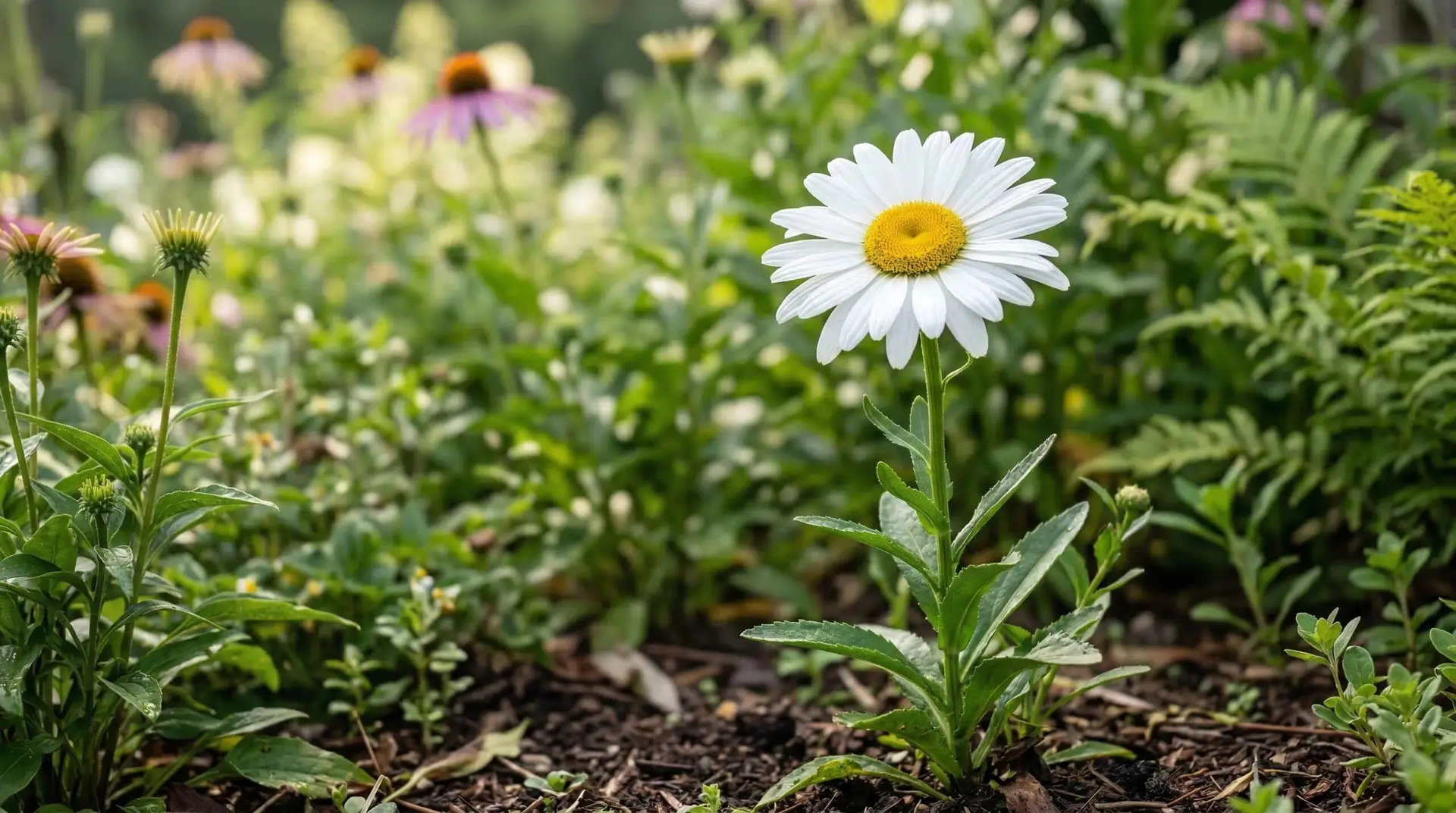
Early morning in the July garden brings a specific kind of quiet, broken only by the sound of bypass pruners clipping through thick green stems. Dew still clings to the bright white petals of the Shasta daisies as they are gathered by the armful. These flowers offer a clean, honest geometry that feels perfectly suited to the heat of midsummer. Their golden centers and crisp white rays catch the low morning light, illuminating the garden beds long before the sun climbs high enough to bake the soil. Bringing them indoors feels less like arranging flowers and more like capturing a piece of the season itself. There is something satisfying about a flower that refuses to be complicated. A heavy glass pitcher filled with fresh Shasta daisies instantly grounds a room, offering a sense of cool relief against the summer heat.
The appeal of a Shasta daisy bouquet lies entirely in its complete lack of pretense. While other summer blooms demand careful coaxing or precise structural support, these sturdy perennials simply ask for clean water and a heavy vessel. Their thick stems hold the heavy flower heads high, creating an architecture that looks relaxed but rarely droops. Gardeners who grow them specifically for cutting soon discover that their simple appearance hides an incredibly resilient nature.
Contents 3 sections
Harvesting for the longest display
The secret to a long-lasting Shasta daisy cut flower begins at the very moment the shears meet the stem. Timing the harvest requires paying close attention to the golden center disc of the flower rather than just the white petals. When a daisy first opens, the tiny disc flowers in the very center are tight and green, slowly turning yellow and fuzzy as pollen develops from the outside edge inward. The ideal time to cut is when the white petals have fully unfurled but the golden center is still tight and mostly smooth. Flowers cut at this precise stage will continue to mature slowly on the kitchen counter, offering the longest possible display. Waiting until the center is entirely fuzzy and shedding pollen means the flower has already lived most of its life outdoors. Clipping stems early in the morning, before the heat of the day draws moisture out of the plant tissues, ensures the flowers are fully hydrated when they enter the house.
Stripping the foliage immediately after cutting makes a significant difference in how the stems perform indoors. The dark green leaves of the Shasta daisy are prone to rapid decay if left submerged in water, which quickly fouls the vase and shortens the life of the blooms. Running a gloved hand down the lower two-thirds of the stem easily removes the excess greenery right in the garden. This small habit keeps the bucket water clean during the harvest and saves time when moving the flowers into their final vessel.
Tending the indoor garden
Once brought inside, a well-handled Shasta daisy vase will easily last a full seven to ten days with minimal intervention. The thick, slightly ridged stems take up a considerable amount of water, especially during their first twenty-four hours indoors. Checking the water level daily prevents the stems from drying out, a common reason for premature wilting in otherwise healthy flowers. Using a sharp knife or clean snips to cut an inch off the bottom of each stem every few days reopens the vascular tissue, allowing the flower to continue drinking freely. While commercial flower food provides useful carbohydrates, plain cool water changed entirely every third day works just as well to keep the blooms looking fresh. As the days pass, the white petals might slowly reflex backward, giving the flowers a relaxed, slightly windswept appearance that only adds to their charm. The golden centers will eventually dome upward and become fully fuzzy, tracking the passage of time right on the dining room table.
Keeping the arrangement away from direct sunlight and ripening fruit will further protect the longevity of the blooms. A spot on a shaded entryway table or a cool kitchen island suits them perfectly, allowing their bright white faces to illuminate the darker corners of a room. Even as individual flowers eventually fade, they can be snipped out of the arrangement without disturbing the rest of the bunch. The remaining stems often shift and settle into the empty spaces, creating a slightly looser but equally pleasing silhouette.
Arranging with summer companions
There is a strong case to be made for the single-variety arrangement, where dozens of Shasta daisies are massed together in a simple ironstone pitcher or a clear glass cylinder. This approach draws attention to the slight variations in stem length and flower size, turning a common garden perennial into a sculptural element. The uniform color palette of white and gold brings a sense of calm to busy rooms and patterned tablecloths. Yet these flowers are also incredibly sociable, mixing effortlessly with the looser, more ephemeral blooms of the late summer garden. The stiff, upright posture of the daisy provides an excellent physical framework for more delicate stems to lean against. Tucking a few wispy stems of cosmos into the arrangement adds movement, as their ferny foliage and nodding heads soften the rigid lines of the daisies. The contrast between the solid white daisy petals and the translucent, papery texture of the companion flowers creates a visually rich arrangement that feels entirely unforced.
Building a meadow-inspired bouquet often relies on color contrast to bring the arrangement to life. The pure white of the daisy is a blank canvas, making the vivid blues of cornflowers stand out with unexpected intensity when clustered near the base of the vase. For a truly bold late-summer display, pairing the daisies with a branching sunflower creates a cheerful, sun-drenched aesthetic that captures the heat of August. The daisies fill the space below the larger yellow blooms, creating a dense, textured base that anchors the entire composition.
As the season slowly turns and the garden begins to tire, the reliable production of these white blooms offers a steady rhythm to the weekly harvest. They ask for so little in return for their abundant display, thriving in the heat and returning year after year with increasing vigor. Bringing them inside bridges the gap between the wildness of the garden and the order of the home. The process of cutting, stripping, and arranging becomes a quiet morning ritual, a way to mark the passage of the summer weeks. Even as the petals finally drop, scattering white confetti across the wooden tabletop, they leave behind a sense of having fully participated in the season. The empty pitcher goes back into the cupboard, waiting for the next morning, the next harvest, and the simple pleasure of a heavy handful of daisies.
More About Daisy
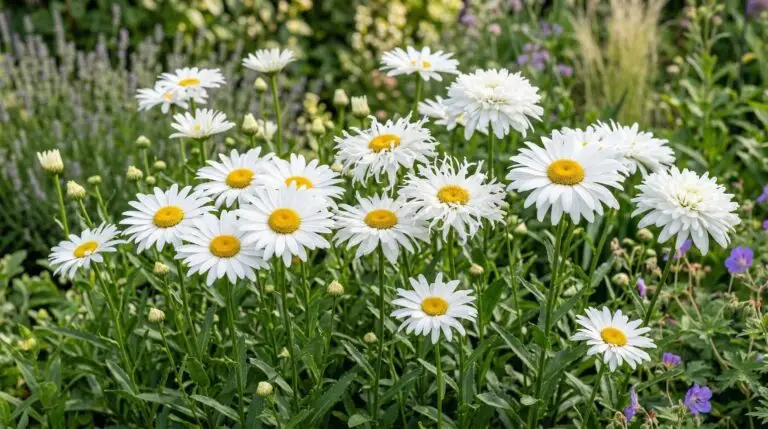
Best Shasta daisy varieties from classic Alaska to fluffy double Crazy Daisy
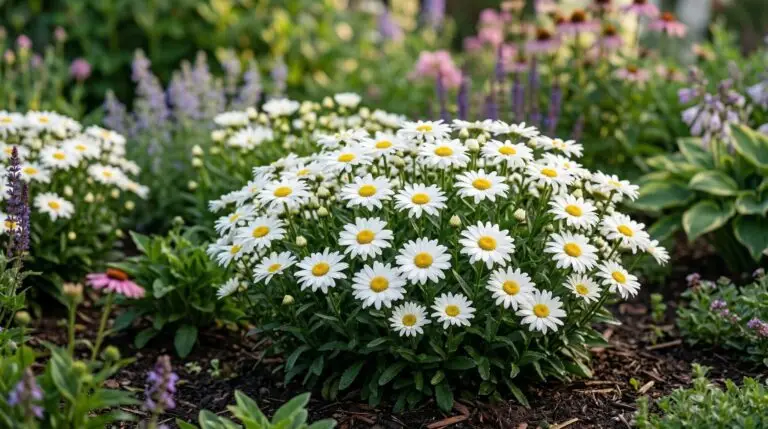
Shasta daisies in containers for bright summer displays on patios and porches
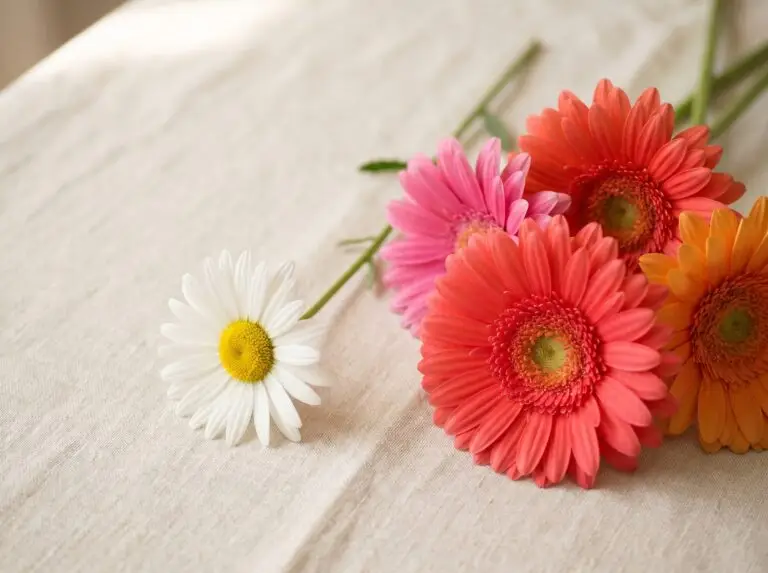
Daisy meaning, from innocence and new beginnings to he loves me, he loves me not
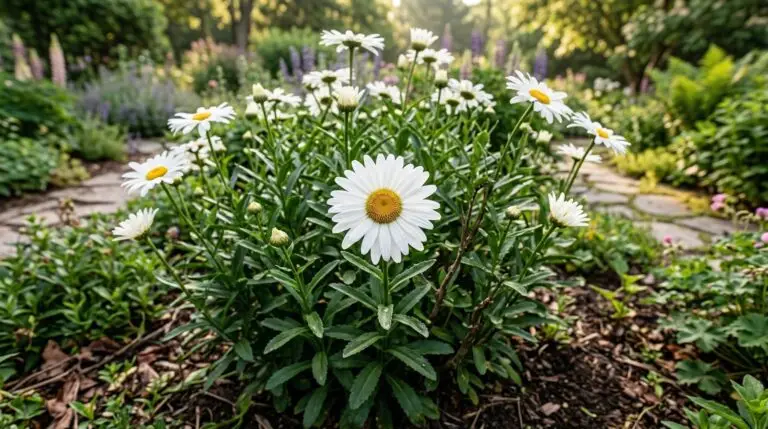
Why Shasta daisies die after a few years and how to keep them going through division
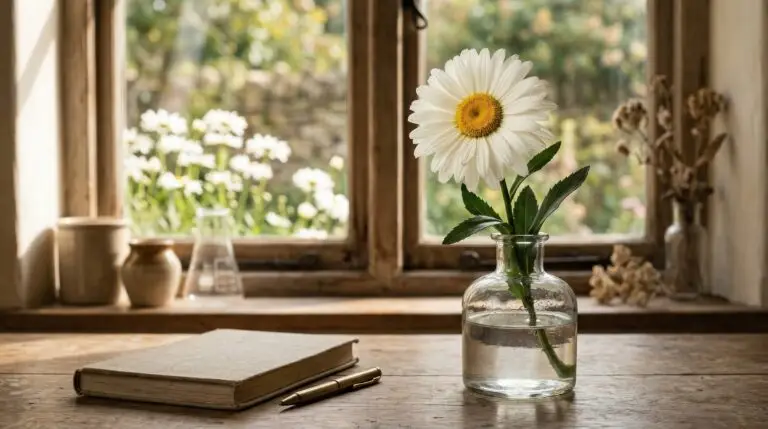
The Luther Burbank story and how he created the Shasta daisy from four wild species
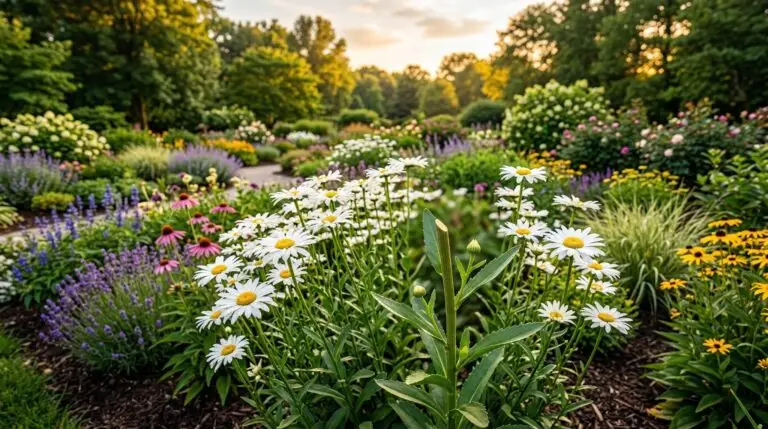
Deadheading Shasta daisies for months of continuous blooming instead of a one-time show
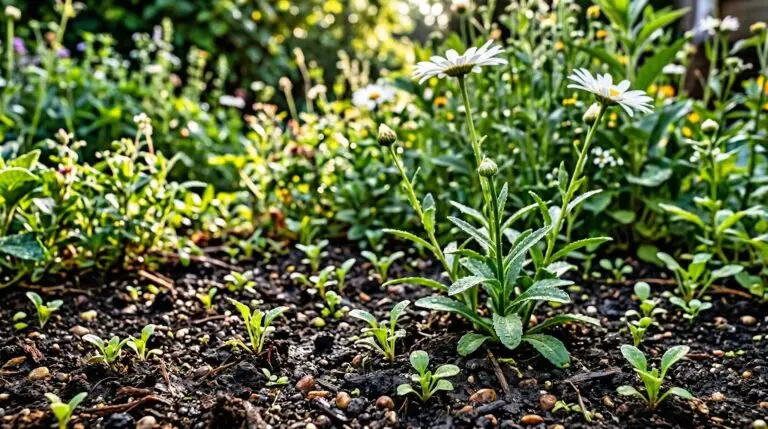
Growing Shasta daisies from seed for the most affordable perennial border
How to grow Shasta daisies for cheerful white and gold flowers all summer long
Companion plants for Shasta daisies: what to grow and avoid
Enjoying our flower guides? Add YourFlowersGuide as a preferred source on Google. It helps more readers find us.
Add to Preferred Sources