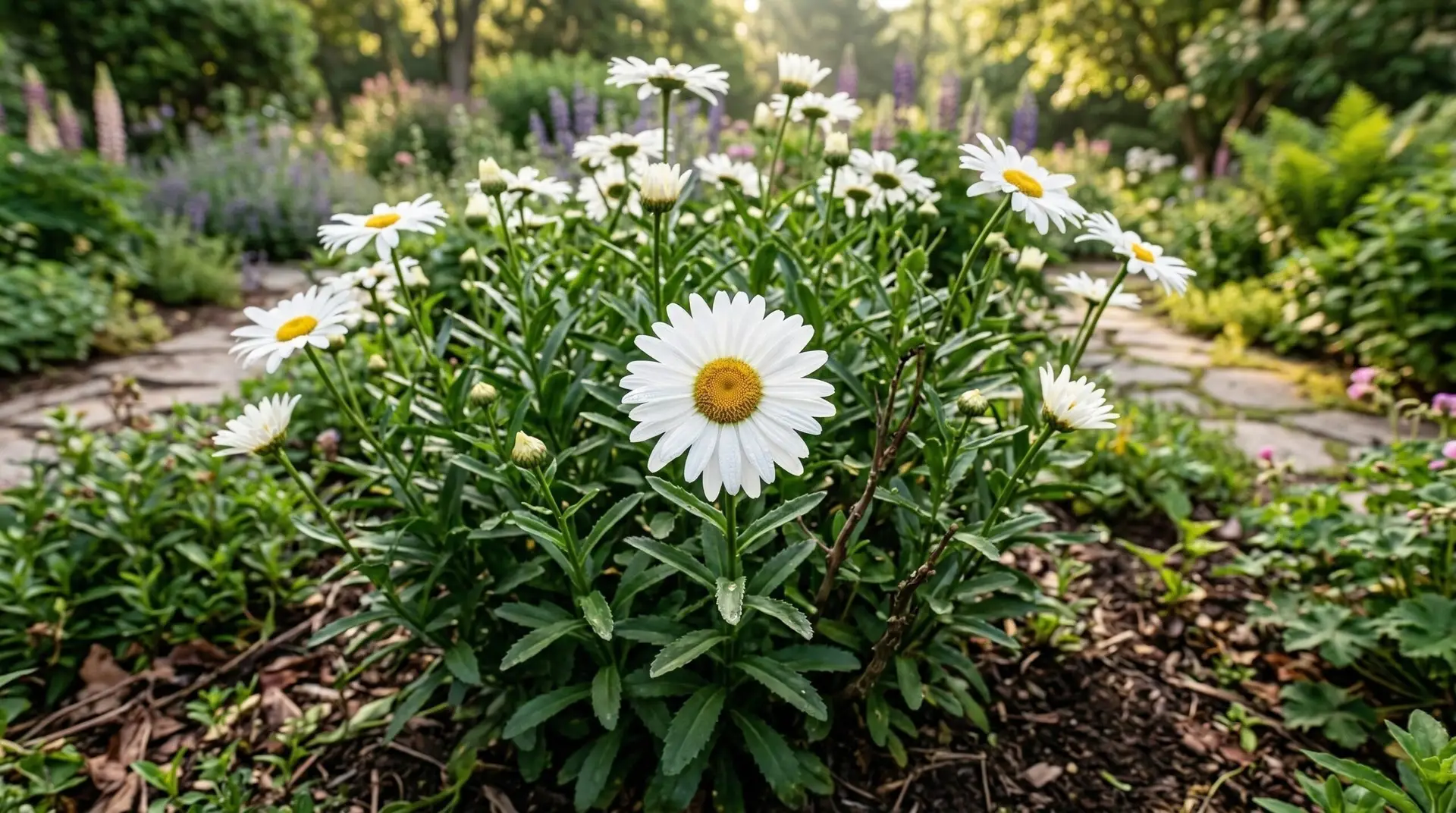
People often bring me the exact same complaint about their perennial borders. They buy a healthy, blooming plant from the nursery, put it in the ground, and enjoy a spectacular show for two summers. Then, seemingly out of nowhere, the plant produces fewer blooms in year three and completely vanishes by year four. This sudden loss is incredibly frustrating when you expect a perennial to come back bigger and better every single season. The reality is that many classic border plants have built expiration dates if you leave them entirely to their own devices. Understanding how these plants actually grow underground will save you the disappointment of finding an empty patch of dirt where your favorite white blooms used to be.
Gardeners frequently ask me what disease or pest caused their Shasta daisy dying over the winter. The culprit is rarely a bug or a fungus. The actual problem is the natural growth habit of the plant itself. A Shasta daisy short lived reputation is entirely accurate when the plant is treated like a static shrub. The root system expands rapidly outward from the original crown, creating a dense mat of woody tissue that eventually chokes out the center of the plant. Once that central crown becomes too dense and woody, it loses the ability to take up nutrients and water effectively. The plant essentially starves itself while trying to push all its energy to the outer edges of the clump.
Contents 3 sections
Winter moisture and root rot problems
Crown rot is the second most common reason these plants fail to return in the spring. These daisies require excellent drainage, particularly during the dormant winter months when cold, wet soil surrounds the roots. When heavy clay soils trap freezing water around the crown of the plant, the fleshy roots simply turn to mush before the soil warms up again. If you notice your plants shrinking in size rather than expanding, poor winter drainage is almost certainly the cause. You can prevent this by amending your planting holes heavily with coarse compost or planting on a slight mound to encourage water to run off. A plant like a hardy coneflower might tolerate a bit more winter moisture, but daisies will punish you immediately if their feet stay wet.
The mandatory chore of dividing
The only reliable way to reset the clock on these plants is to physically break them apart. Dividing Shasta daisy clumps is not an optional gardening task meant to give you free plants to share with neighbors. It is a mandatory survival requirement if you want the plant to live past its typical three or four year lifespan. You need to perform this task every two to three years, ideally in early spring just as the new green shoots emerge from the soil. Fall division is also entirely acceptable if you live in a climate with mild winters, provided you give the roots at least six weeks to establish before the ground freezes. Waiting until the plant looks terrible is a common mistake, so you must get into the habit of digging them up while they still look reasonably healthy.
Recognizing the early warning signs of a failing clump gives you time to intervene before the plant is completely lost. In the second or third summer, you will often notice the flower stalks becoming noticeably shorter and thinner than they were the previous year. The blooms themselves might be smaller, and the overall plant will look less robust despite receiving the exact same amount of water and fertilizer. The most obvious visual cue is the “doughnut effect” where a distinct dead patch forms right in the middle of the green foliage. When you see a ring of green surrounding a brown, empty center, the plant is screaming for division. If you ignore this doughnut phase, the remaining outer ring will usually lack the energy to survive the following winter.
The actual process of dividing requires a sharp spade and a complete lack of sentimentality. You must dig up the entire root ball, shake off the loose dirt, and take a hard look at the structure of the crown. The center of the clump will usually look dark, woody, and completely dead, while the outer ring will have vigorous white roots and fresh green shoots. Take your spade and slice off the healthy outer sections, completely discarding that old, exhausted center portion into your compost bin. Replant those vigorous outer chunks in freshly turned soil, watering them in deeply to settle the dirt around the disturbed roots. These rejuvenated sections will now act like brand new, first-year plants with a full three years of life ahead of them.
Selecting varieties that last longer
If you want to reduce the frequency of this maintenance, you have to start with better genetics at the nursery. Plant breeders have spent decades trying to fix the short lifespan of the classic varieties. The variety known as Becky is a proven performer for longevity and overall vigor in the home garden. Becky grows taller, produces larger flowers, and resists the central die-out problem much better than older seed-grown varieties. While you still need to divide Becky eventually, you can often push the chore to every four or five years instead of every two. Upgrading your plant choices saves you significant labor and prevents those frustrating empty gaps in your summer flower beds.
You also have to accept that some garden plants simply require a more hands-on approach than others. If you want a perennial bed that you can completely ignore for a decade, you are better off planting a reliable daylily or a massive ornamental grass. Daisies demand a gardener who is willing to get their hands dirty and disrupt the soil on a regular schedule. The reward for this scheduled maintenance is a massive flush of crisp white blooms that anchor the summer garden like nothing else can. Skipping the work guarantees you will be back at the garden center buying replacements in a few short years. The most useful piece of advice I give new gardeners is to treat their daisies like a subscription service rather than a permanent purchase. Mark your calendar to renew that subscription by dividing them every third spring, and you will never have to buy another pot of them again.
More About Daisy
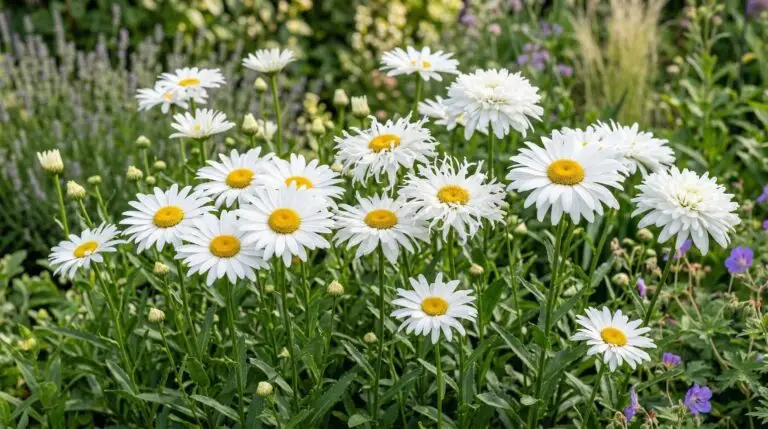
Best Shasta daisy varieties from classic Alaska to fluffy double Crazy Daisy
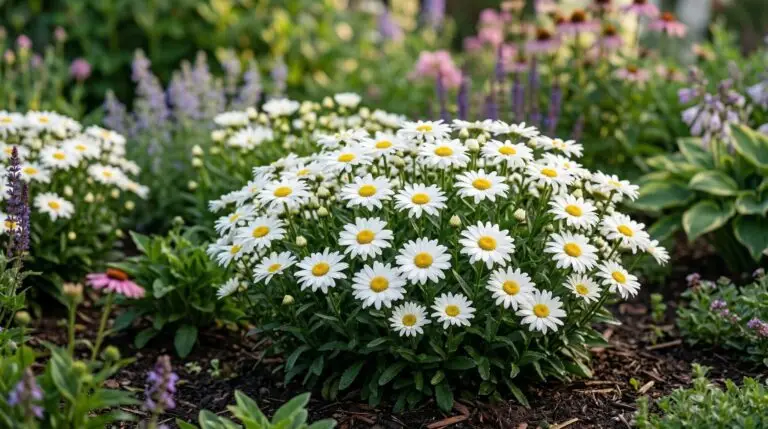
Shasta daisies in containers for bright summer displays on patios and porches
Daisy meaning, from innocence and new beginnings to he loves me, he loves me not
The Luther Burbank story and how he created the Shasta daisy from four wild species
Deadheading Shasta daisies for months of continuous blooming instead of a one-time show
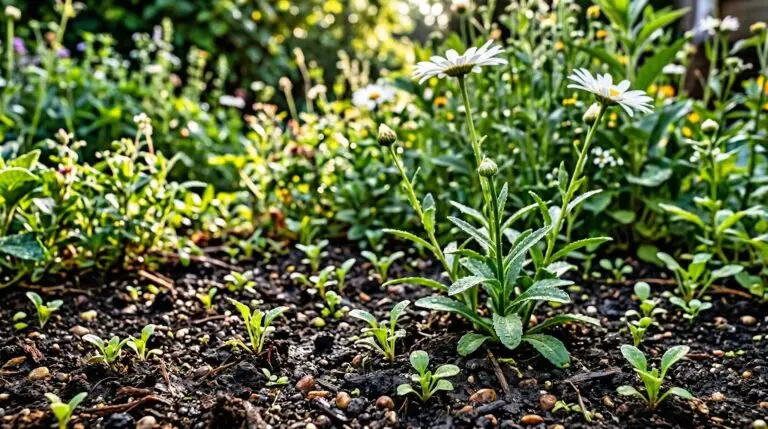
Growing Shasta daisies from seed for the most affordable perennial border
How to grow Shasta daisies for cheerful white and gold flowers all summer long
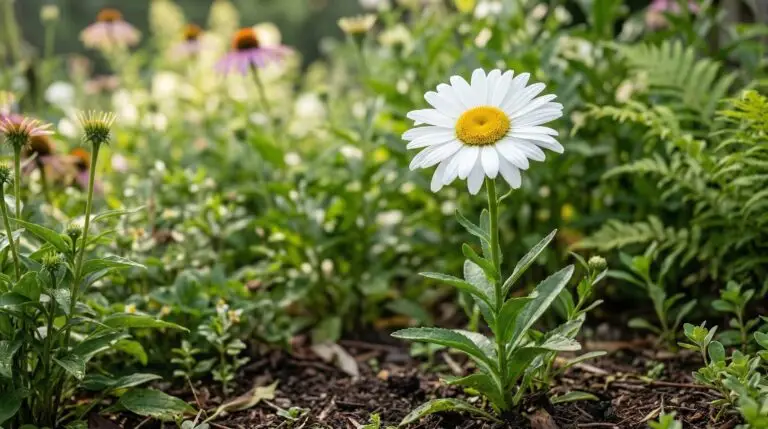
Shasta daisies as long-lasting cut flowers for simple elegant summer bouquets
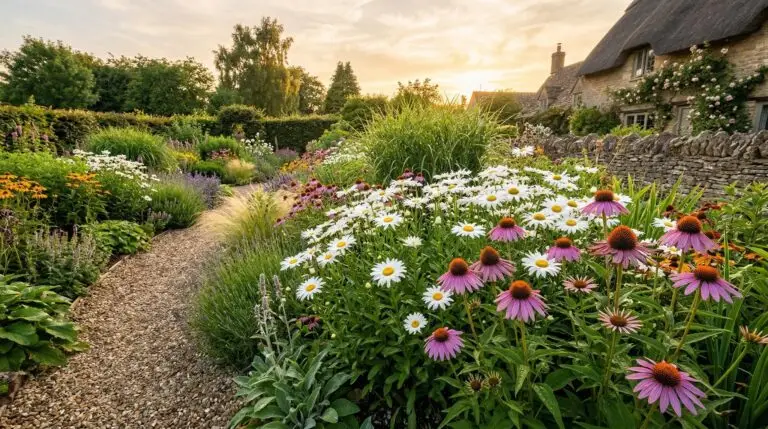
Companion plants for Shasta daisies: what to grow and avoid
Enjoying our flower guides? Add YourFlowersGuide as a preferred source on Google. It helps more readers find us.
Add to Preferred Sources