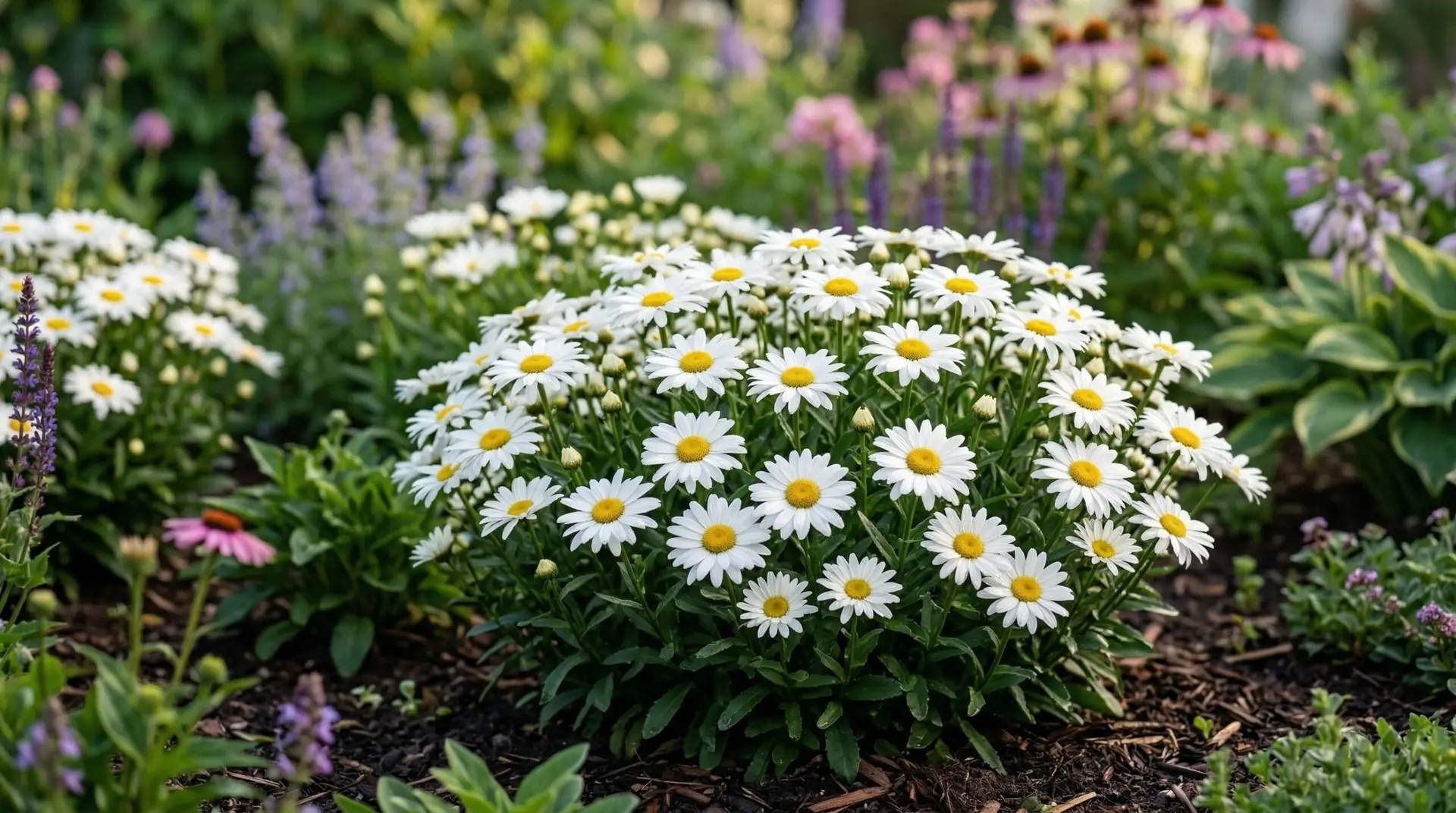
There is a familiar late spring ritual that happens on porches everywhere, involving dragging heavy pots around to chase the sun. After finally finding that perfect sunny corner, the next step is deciding what to plant that will actually survive the July heat without needing water three times a day. Growing a Shasta daisy in pots is a reliable way to get that classic, cheerful summer look right next to the seating area. The bright white petals and yellow centers bring a clean, crisp feeling to a hot summer afternoon. While traditional garden beds are the usual home for these perennials, putting a container daisy on the patio brings the blooms up close where they can be appreciated over morning coffee. The trick is simply choosing the right type of daisy and giving the roots enough room to breathe.
Standard varieties of these perennials can grow three feet tall or more, which turns into a top-heavy, flopping mess when confined to a container. The wind will inevitably catch those tall stems and knock the whole pot over during a summer storm. After testing out different types, the compact varieties prove to be the only ones worth the potting soil. Snow Lady and Snowcap stay under fifteen inches tall and form dense, tidy mounds of foliage that look good even before the flower buds open. These shorter types put all their energy into producing a massive flush of blooms rather than growing long, leggy stems. They are practically indestructible once established, making them perfect for a Shasta daisy patio setup where the sun beats down relentlessly.
Contents 3 sections
Getting the container and soil right
The biggest mistake made with potted perennials is using a container that is too small, which causes the roots to bake in the summer and freeze in the winter. A pot that is at least fourteen inches across is the minimum size needed to keep the plant healthy for more than a single season. Heavy terracotta pots look beautiful and help anchor the plant against the wind, but affordable thick plastic or resin tubs work perfectly well and are much easier on the back when moving them around. Drainage holes are absolutely non-negotiable because daisy roots sitting in muddy water will rot out in a matter of days. A standard, inexpensive potting mix works fine, though mixing in a few handfuls of perlite or coarse sand helps the water run through quickly. Skip the heavy garden soil from the yard, as it turns into a solid brick of clay after a few weeks of watering in a confined space.
Watering routines for potted plants require a bit of observation rather than a strict calendar schedule. During the peak heat of July and August, a pot sitting on hot concrete might need a drink every single day. The easiest way to check is to stick a finger about two inches down into the soil to feel for moisture. If it feels completely dry, give the pot a deep soaking until water runs out the bottom drainage holes. Sometimes the soil pulls away from the sides of the plastic pot when it gets too dry, causing the water to run straight down the edges without actually wetting the roots. When that happens, rough up the top layer of dirt with a hand fork and water slowly to make sure the root ball actually absorbs the moisture.
Designing the patio display
A pot filled entirely with white daisies makes a strong visual statement, but mixing them with other sun-loving plants creates a miniature garden right on the porch. The rule for combining plants in a single container is making sure they all share the same need for full sun and moderate water. Trailing plants look particularly good planted around the edges of the pot to soften the hard rim. Tucking in a bright trailing Petunia allows the colorful trumpet flowers to spill over the sides while the stiff daisy stems stand tall in the center. The contrast between the rigid, upright white petals and the soft, sprawling vines creates a balanced look that lasts from early summer right up until the first frost. Just remember to feed mixed containers with a basic liquid fertilizer every few weeks, as the crowded roots will quickly use up all the nutrients in the potting mix.
Color combinations are a matter of personal preference, but pairing white with bright yellow always feels right for a hot summer day. Adding a low-growing Coreopsis next to the daisies provides a constant display of golden yellow blooms that perfectly match the daisy centers. These two plants are tough, drought-tolerant companions that will not overpower each other in a shared space. When planting them together, give the daisy the center spot since it will eventually grow into a solid clump, and arrange the companion plants around the perimeter. As the season progresses, the daisies will push out a massive first wave of flowers. The blooms will eventually fade and turn brown, which is the exact moment to get out the pruning snips and cut the dead stems all the way back to the base of the foliage.
Winter survival for potted perennials
Keeping a perennial alive over the winter in a pot is an entirely different game than growing it in the ground. Plants in the earth have the benefit of deep soil insulation, while a potted plant has its roots entirely exposed to the freezing air on all sides. Gardeners in the South may find this easier because mild winters rarely freeze the root ball solid for extended periods. In northern zones, the approach changes entirely because a pot left out on an exposed patio in January will almost certainly result in a dead plant by spring. The most reliable method for cold climates is to drag the containers into an unheated garage or shed after the foliage dies back in late autumn. The goal is to keep the plant dormant and protected from the brutal wind, not to keep it warm and growing.
If moving heavy pots indoors is not an option, there are still practical ways to get them through the cold months outside. Grouping all the patio containers closely together against a sheltered wall of the house creates a microclimate that offers a surprising amount of protection. Wrapping the pots in layers of burlap or bubble wrap helps insulate the roots, though it is not the most attractive look for the winter porch. Another highly effective trick is to dig a hole in an empty vegetable bed and sink the entire plastic pot into the ground until spring. The soil will insulate the container perfectly, and the pot can simply be pulled up and hosed off when patio season returns. Whatever method is used, check the soil once a month and give it a tiny splash of water if it is completely bone dry, as winter winds can dehydrate dormant roots.
Spring brings a moment of truth for overwintered containers, and patience is usually required. The dead-looking crowns sitting on top of the soil will often look completely lifeless for weeks after the weather starts to warm up. They are not dead, and digging them up out of frustration usually ruins the delicate new growth that is just starting to form below the surface. Give them time, keep the soil lightly moist, and eventually tiny green rosettes will appear at the base of the old stems. Once that fresh green growth is visible, it is time to drag the pots back to their sunny spots and start the whole display cycle over again. A well-cared-for potted daisy will usually live happily in the same container for about three years before the roots get too crowded and need to be divided.
More About Daisy
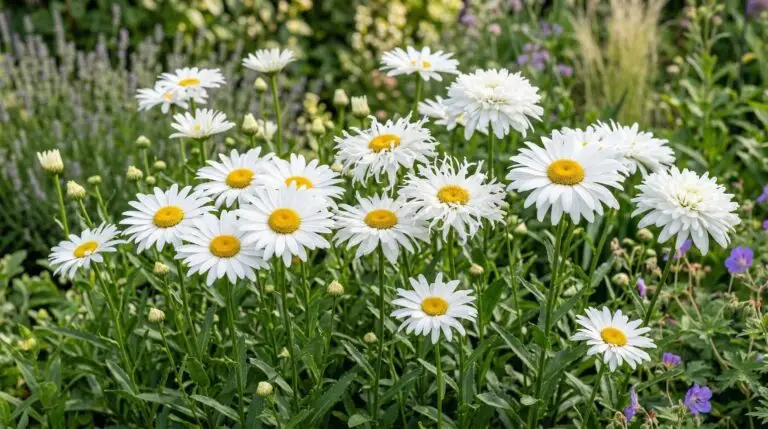
Best Shasta daisy varieties from classic Alaska to fluffy double Crazy Daisy
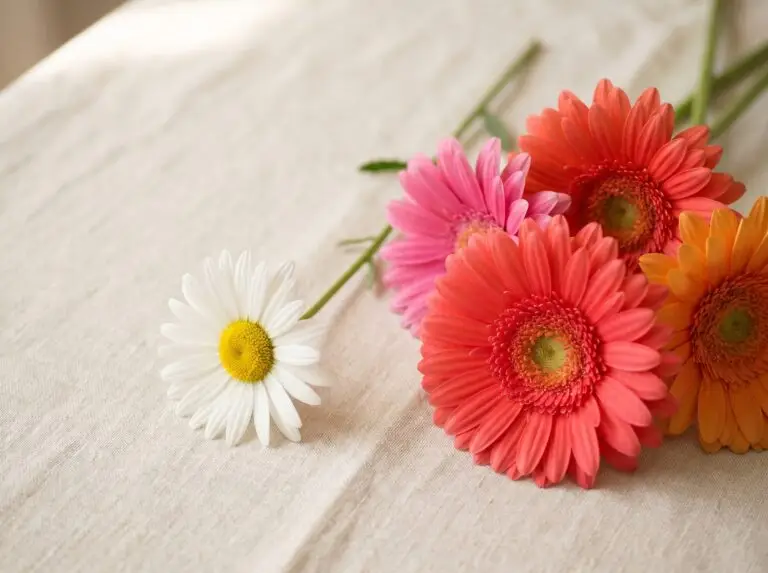
Daisy meaning, from innocence and new beginnings to he loves me, he loves me not
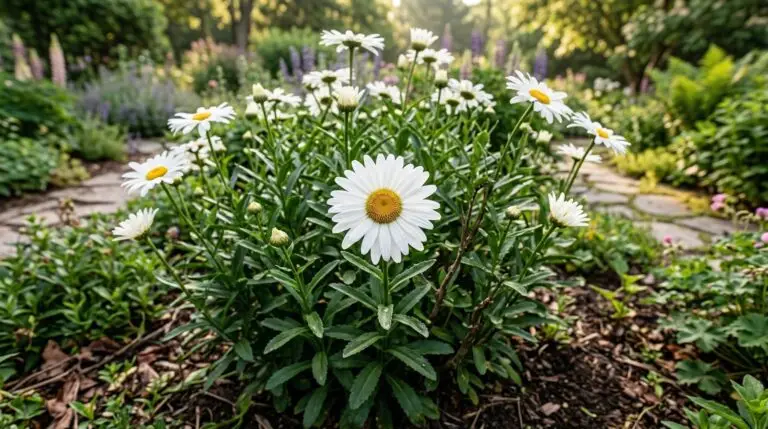
Why Shasta daisies die after a few years and how to keep them going through division
The Luther Burbank story and how he created the Shasta daisy from four wild species
Deadheading Shasta daisies for months of continuous blooming instead of a one-time show
Growing Shasta daisies from seed for the most affordable perennial border
How to grow Shasta daisies for cheerful white and gold flowers all summer long
Shasta daisies as long-lasting cut flowers for simple elegant summer bouquets
Companion plants for Shasta daisies: what to grow and avoid
Enjoying our flower guides? Add YourFlowersGuide as a preferred source on Google. It helps more readers find us.
Add to Preferred Sources