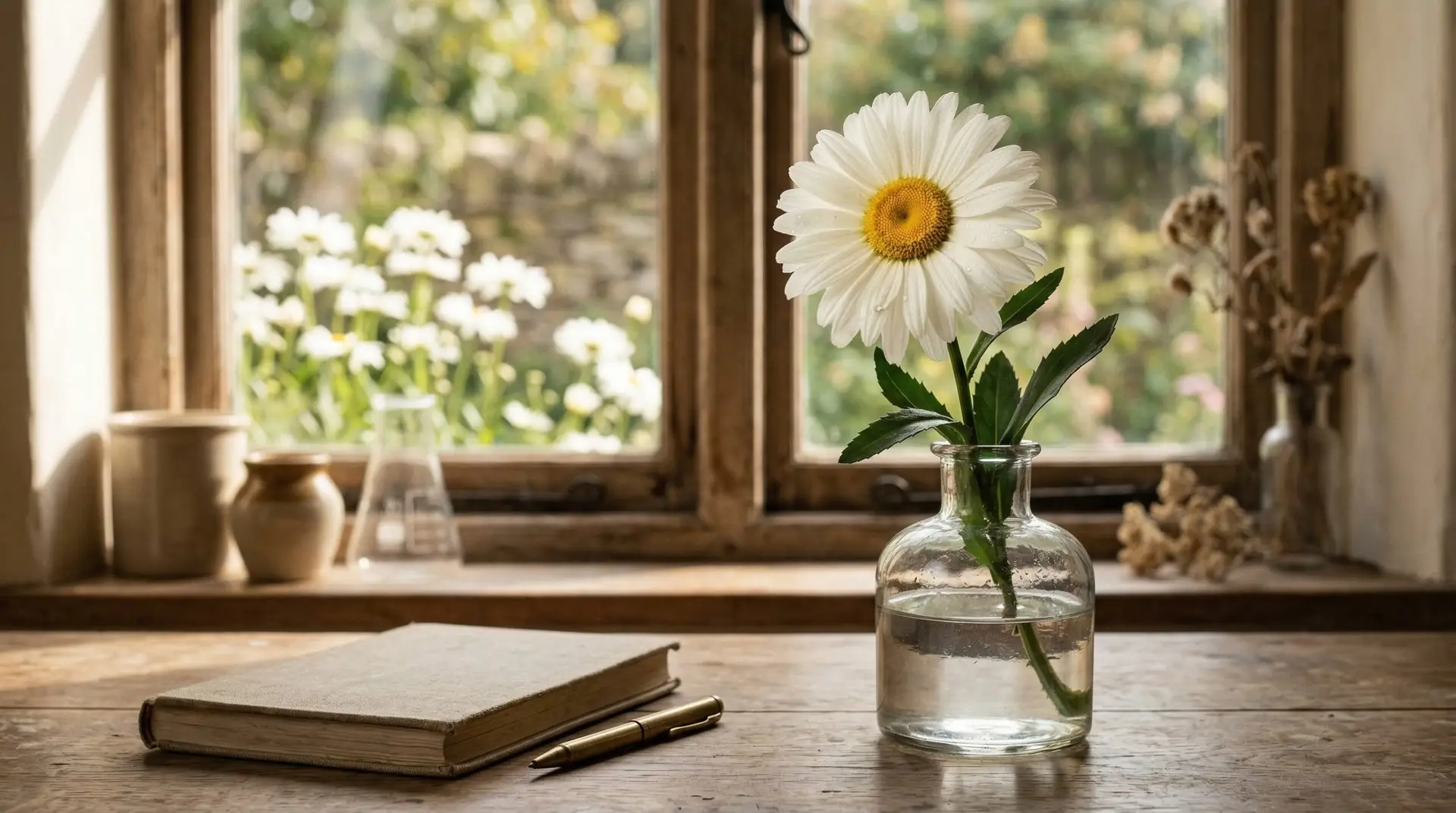
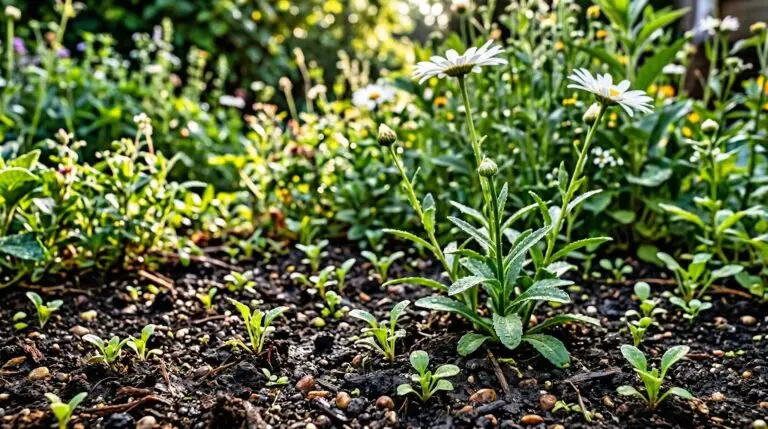
The end of winter arrives slowly, marked by a subtle shift in the smell of the damp earth as it thaws into a mixture of wet bark and old leaves. Red-winged blackbirds return to the bare trees, calling out over the garden while the soil is still cold to the touch. The Shasta daisy wakes up during this quiet period as a basal rosette of dark green, toothed leaves pressing flat against the mud. This is the moment of silent preparation before the explosive growth of spring takes hold. A gardener looking at these humble leaves might not see the complex lineage hidden inside their cells. Yet this simple green circle holds the genetic memory of four wild species brought together from three different continents. Luther Burbank started his ambitious breeding program with a vision of turning a common roadside weed into a refined garden flower.
The wild oxeye daisy of Burbank’s New England childhood was tough but entirely unruly. He wanted a flower that possessed that same rugged nature but carried a larger, more disciplined presence in the garden. When the spring peepers begin their evening chorus, the soil is finally warm enough for new life to take root. Burbank began his work in the late nineteenth century by planting the seeds of that familiar American oxeye daisy alongside the English field daisy.
As the days lengthen and the sun warms the damp earth, the Shasta daisy begins to push its thick stems upward. The English field daisy gave the new hybrid its larger flowers, but the early stems were still too weak to hold them upright in the wind. Burbank knew he needed a stronger foundation for his ideal flower to survive heavy summer rainstorms without snapping. He introduced a third species, the Portuguese field daisy, to give the plant the sturdy, rigid stalks we see today. You can feel that inherited strength when you run your fingers along the ribbed, fibrous stems in late May. The plant is building a solid physical structure capable of supporting the massive blooms to come.
Contents 3 sections
Early summer brings tight buds and deep roots
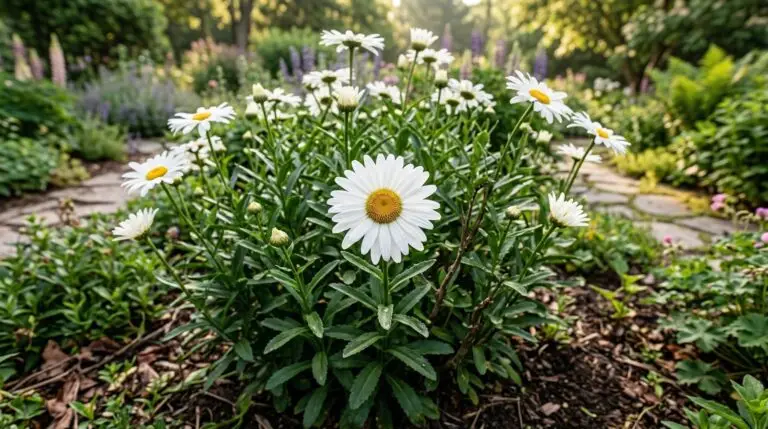
By the time the June solstice approaches, the stems have thickened and the first buds appear as tight green balls. The foliage forms a dense mound that shades the soil below, keeping the roots cool as the afternoon heat intensifies. Robins pull worms from the damp earth under the leaves while the plant focuses all its energy on the swelling flower heads. This period of anticipation in the garden mirrors the long years of trial and error in Burbank’s California nursery. He spent seventeen years carefully selecting the best traits from thousands of seedlings grown in his test beds. He discarded any plant that did not meet his strict standards for vigor, stem thickness, and flower form. The green buds we wait for today are the direct result of his relentless patience.
The hybrid he created had strong stems and large flowers, but the petals still carried a muddy, yellowish tint that he found unacceptable. Burbank envisioned a blossom as pure and bright as the snow on the distant mountain peaks of his adopted home state. He sought out a fourth parent plant to correct this final flaw in his design. A Japanese field daisy provided the missing genetic piece needed to achieve that blinding white color.
Midsummer heat opens the pure white petals
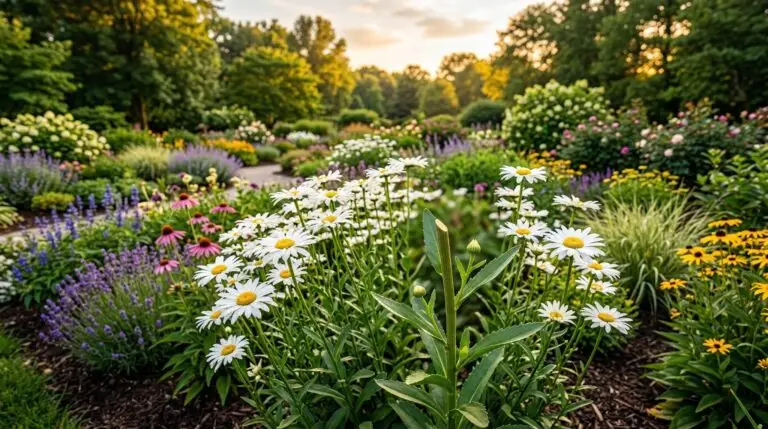
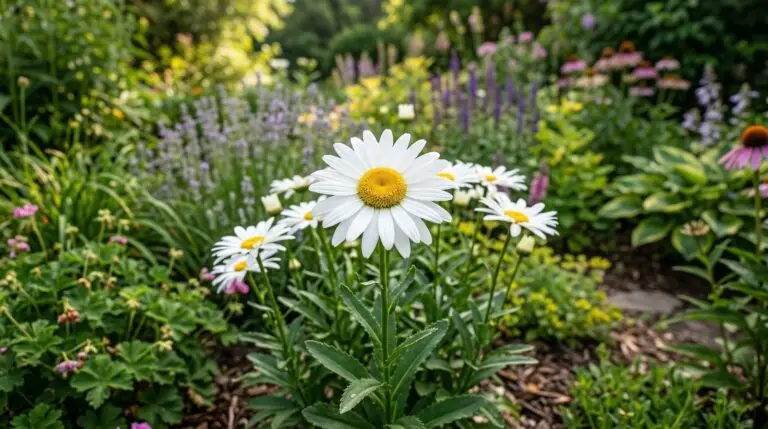
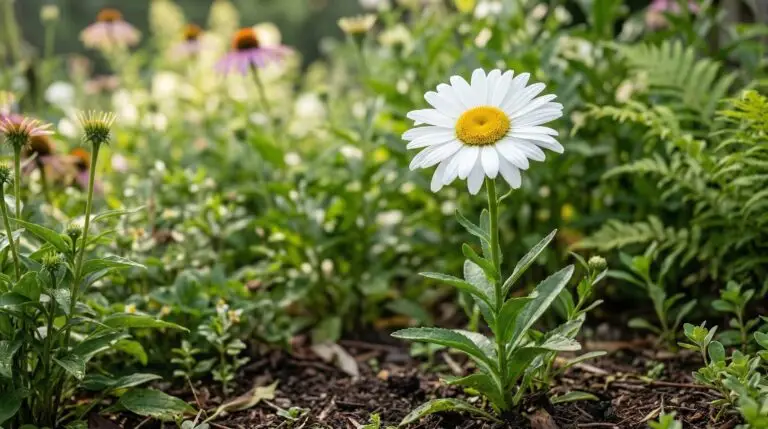
When the July sun bakes the garden and the cicadas start their rhythmic buzzing, the green buds finally split open. The ray petals unroll in a perfect circle around a dense, golden-yellow center disk. The white is so absolute that the flowers seem to glow in the twilight after the sun dips below the horizon. Burbank named his creation the Shasta daisy because the pristine white petals reminded him of the snow-capped peak of Mount Shasta in Northern California. The flat, wide blooms create a perfect landing pad for native bees and butterflies seeking nectar in the midsummer heat. These bright blooms stand out in the garden much like the bold faces of a coneflower drawing in pollinators from across the yard. The seventeen years of cross-pollination and selection finally resulted in a flower that felt completely native to the American summer.
The midsummer garden is a loud, busy place full of competing colors and aggressive weed growth. The Shasta daisy holds its own in this crowded season with a calm, steady presence that anchors the flower bed. Its thick stems never waver, and the blooms last for weeks without fading or dropping their petals. This reliability is exactly what Burbank hoped to achieve when he first sketched out his ideal flower.
Autumn winds signal the return to the earth
As August bleeds into September, the golden centers of the daisies begin to darken and swell with heavy seeds. The crisp white petals brown at the edges and eventually drop away, leaving behind domed seed heads that dry on the stalk. Goldfinches cling to the sturdy stems, picking the seeds out one by one as the morning air turns sharp and cold. The plant is slowly shutting down its above-ground operations and pulling its sap back down into the root system. Gardeners often leave these dried stalks standing to feed the birds through the lean months, much like the darkened seed heads of a Black Eyed Susan left entirely intact for winter foraging. The soil surface hardens with the first morning frosts, and the tall stalks turn brittle in the autumn wind.
The life cycle of the Shasta daisy quietly mirrors American horticultural history playing out in the backyard. Luther Burbank took four wild weeds from Europe, America, and Asia, and he guided them through seventeen years of seasons to create something entirely new. When you cut back the dead stems in late November, you participate in a tradition that stretches back over a century. The ground freezes solid, and the garden seems entirely lifeless under a blanket of gray snow. Yet the tough, fibrous roots of the Shasta daisy remain securely anchored in the frozen soil. And then, just as the first hard frost blackens the last leaves, the roots below are already storing energy for the next spring.
More About Daisy
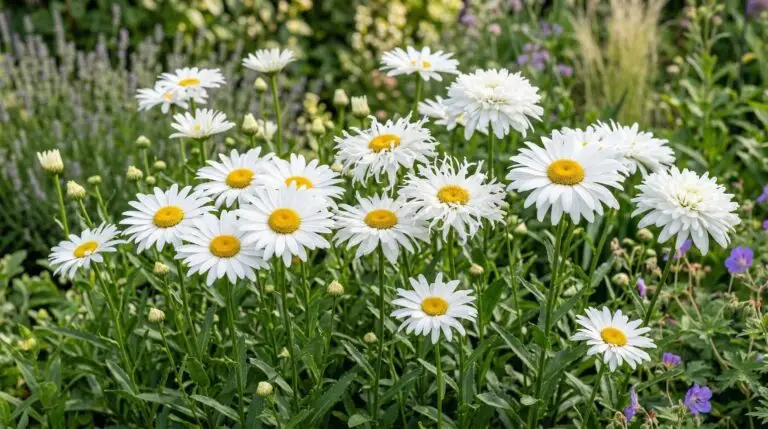
Best Shasta daisy varieties from classic Alaska to fluffy double Crazy Daisy
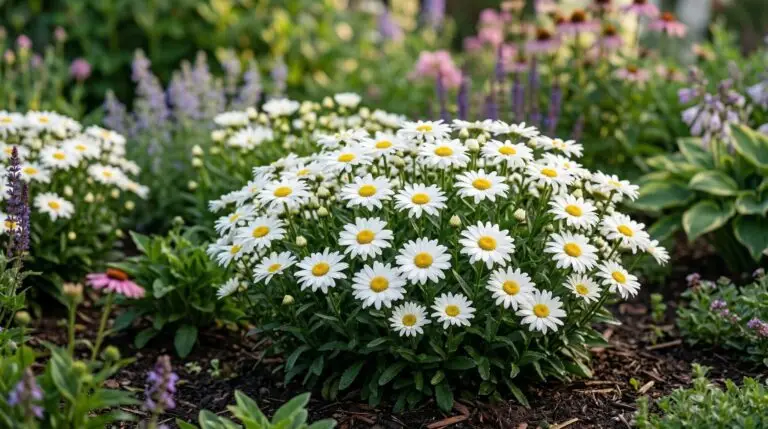
Shasta daisies in containers for bright summer displays on patios and porches
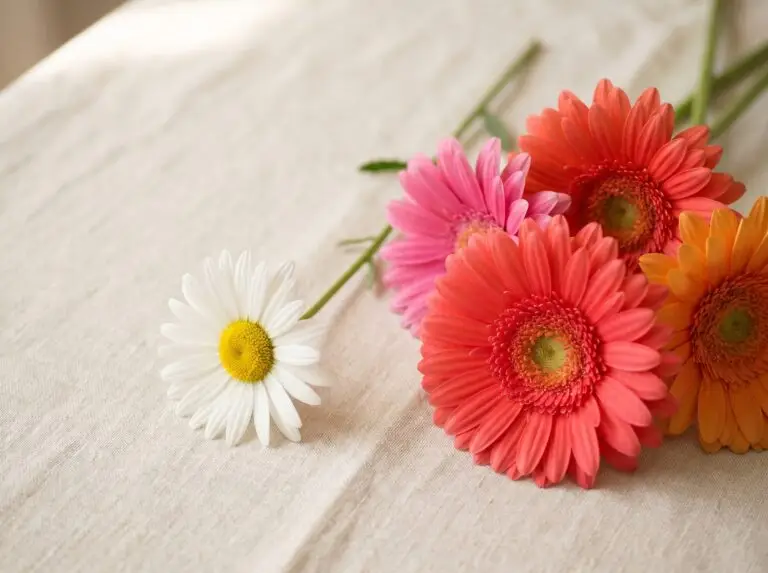
Daisy meaning, from innocence and new beginnings to he loves me, he loves me not
Why Shasta daisies die after a few years and how to keep them going through division
Deadheading Shasta daisies for months of continuous blooming instead of a one-time show
Growing Shasta daisies from seed for the most affordable perennial border
How to grow Shasta daisies for cheerful white and gold flowers all summer long
Shasta daisies as long-lasting cut flowers for simple elegant summer bouquets
Companion plants for Shasta daisies: what to grow and avoid
Enjoying our flower guides? Add YourFlowersGuide as a preferred source on Google. It helps more readers find us.
Add to Preferred Sources