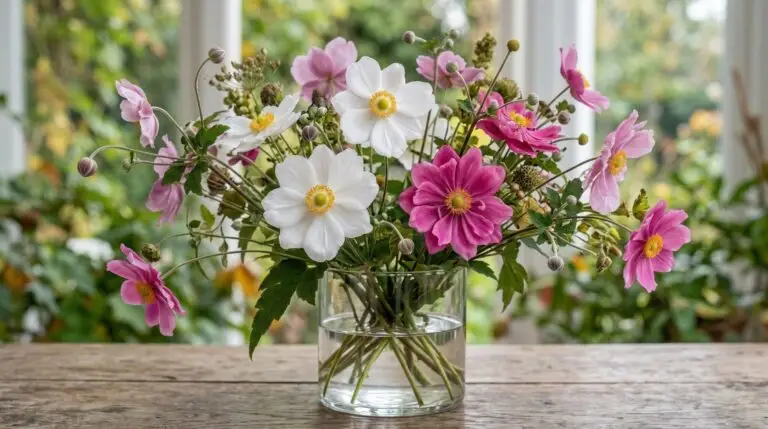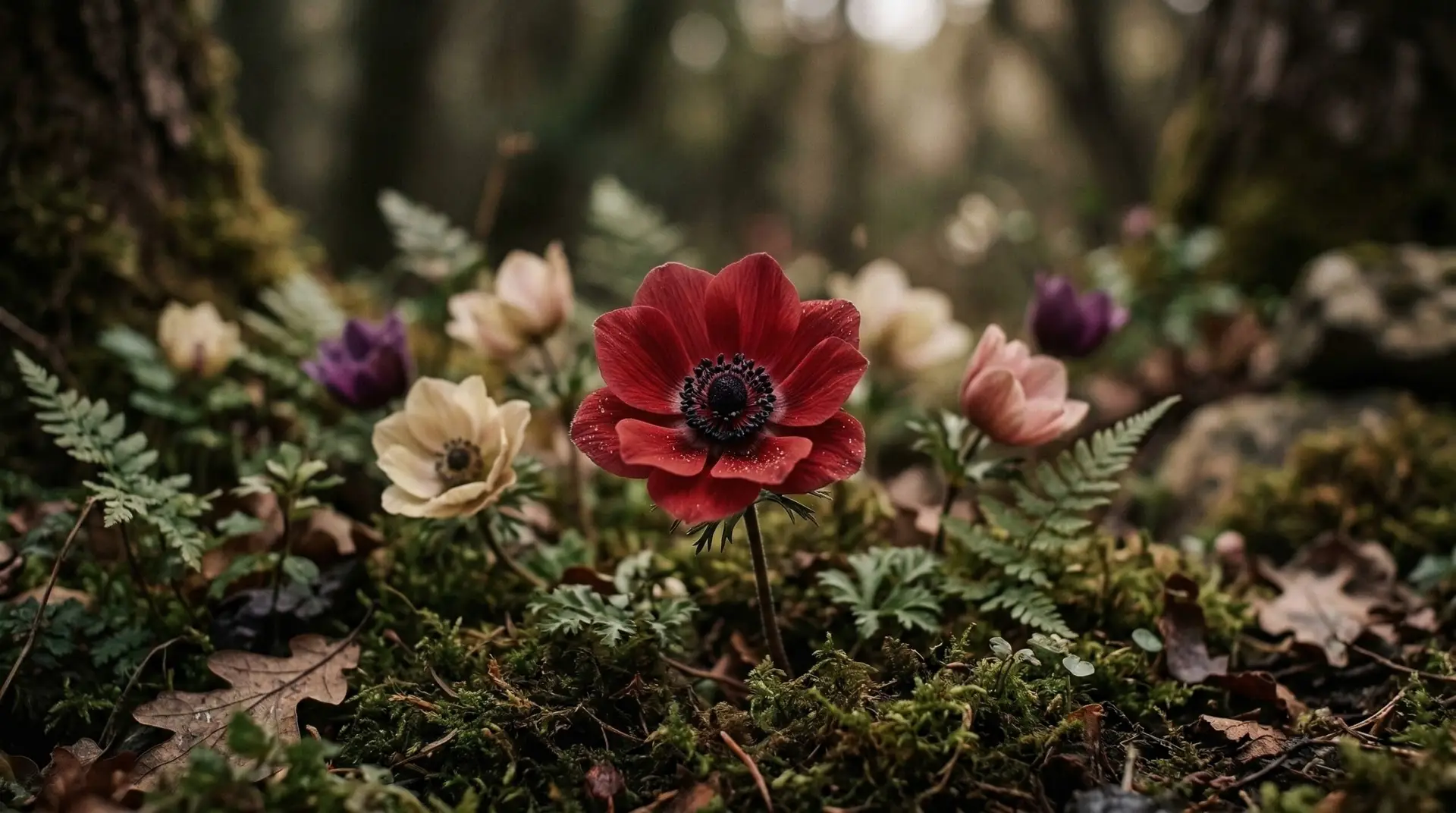
The story begins in a shaded grove of ancient Greece where the goddess Aphrodite rushed to the side of the mortal hunter Adonis. He lay mortally wounded by a wild boar after a fierce struggle in the brush. As Aphrodite wept over his broken body, her tears mixed with his spilled blood on the forest floor. From that sorrowful mixture sprang a delicate flower with dark centers and fragile petals. The Greeks called this bloom the anemone. This tied its creation forever to a moment of sudden loss and divine grief. This origin story established the anemone meaning as one of fragile love and the fleeting nature of life. The flower opens its face to the sun for just a short window before dropping its petals back to the earth.
The name itself comes directly from the Greek word anemos, which translates to wind. Ancient scholars believed the flower would only open when the wind blew across its tight buds in the early days of spring. Pliny the Elder recorded this belief in his natural histories, cementing the common name windflower into botanical records for centuries. In a modern spring garden, you can see exactly why this association made sense to early observers watching the seasons change. The thin, wiry stems catch the slightest breeze, making the cup-shaped blooms nod and sway in constant motion. The wind that coaxes the flower open is often the exact same wind that eventually strips away the petals days later. This physical reality mirrors the anemone mythology perfectly. It reminds anyone watching that beauty is temporary and easily scattered by the elements.
Interpreting the language of the windflower
When these plants found their way into the formal gardens of nineteenth-century Europe, their mythological roots evolved into a strict social code. The Victorian language of flowers assigned highly specific messages to every bloom exchanged between people in polite society. Giving someone an anemone often carried a message of forsaken love or deep, nervous anticipation. A suitor handing a small bouquet of these nodding flowers to a young woman might be expressing his anxiety about their future together. The fragile petals communicated vulnerability. They suggested that the giver felt entirely at the mercy of the recipient’s changing moods. Gardeners of the era planted thousands of anemone corms in their glasshouses to ensure a steady supply of these communicative blooms for winter and early spring arrangements. The flowers became a quiet way to speak about the fragility of human relationships without saying a single word out loud.
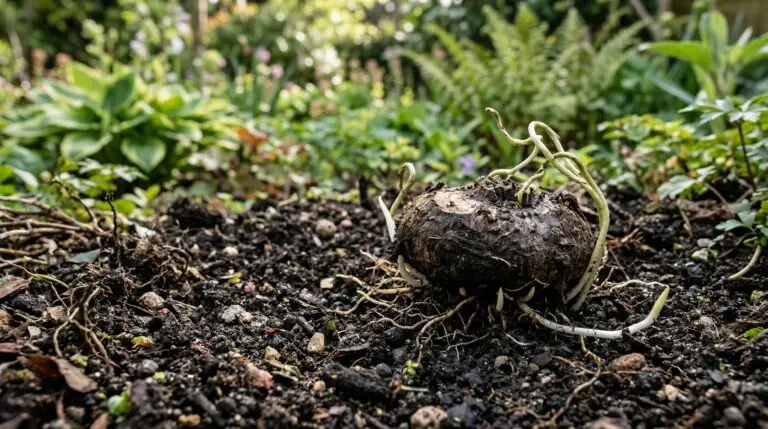
The life cycle of the anemone adds another layer of meaning to its historical narrative. The process begins in the autumn when the gardener buries hard, shriveled corms in the cooling earth. These small, claw-like roots look completely devoid of life as they rest in the dark soil through the freezing winter months. Yet, as the ground thaws and the days lengthen, they push vigorous green shoots through the mud. This dramatic transformation from an ugly, dormant root into a graceful spring flower makes the anemone a powerful symbol of resilience. The plant waits patiently through the harshest weather, holding onto its energy until the right moment arrives. Watching this process unfold in the garden provides a yearly lesson in patience and the promise of return.
Colors and their quiet garden stories
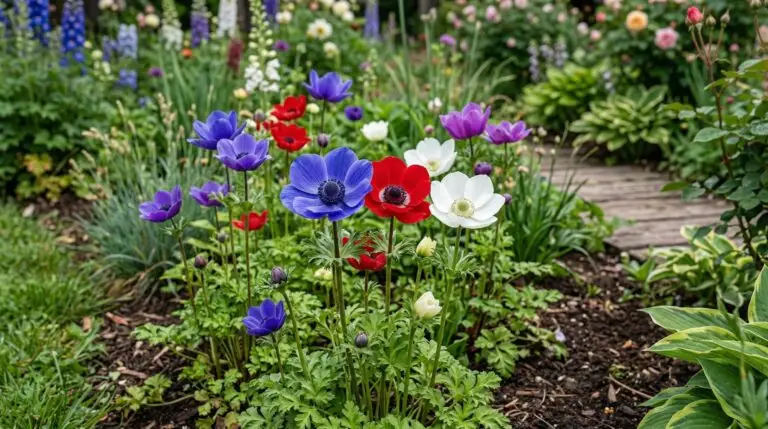
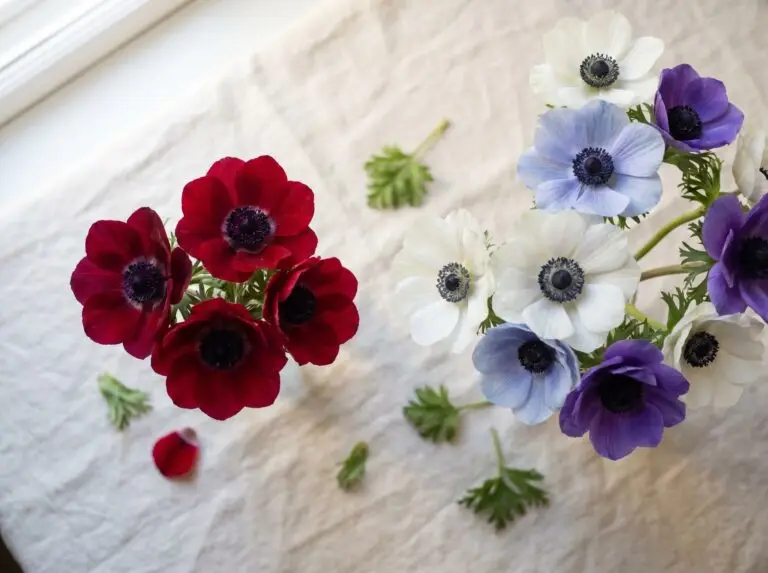
The specific color of the petals completely changes the anemone symbolism in both historical and modern contexts. Red anemones carry the heaviest mythological weight. They represent the blood of Adonis and the pain of lost love. They share a visual and symbolic weight with the red poppy, which also carries deep associations with sleep, death, and remembrance. When planted in large drifts, the red varieties create a dramatic statement against the pale greens of early spring foliage. The dark, almost black centers of the red flowers draw the eye immediately, grounding the bright petals with a touch of visual gravity. Gardeners often plant these bold red blooms in places where they want to create a strong focal point after the gray days of winter. The color commands attention, demanding that you stop and look before the wind takes the petals away.
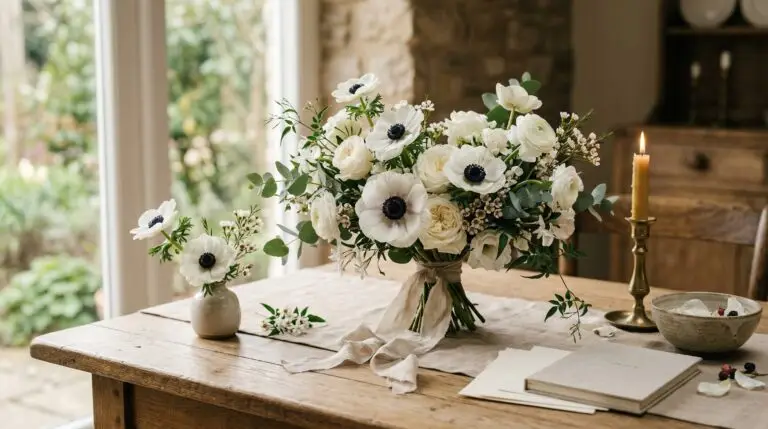
White anemones tell a distinctly different story in the garden bed, opening like bright stars against the dark spring soil. These pale varieties represent sincerity and delicate innocence in traditional Western flower meanings. In many Eastern cultures, white anemones are closely tied to death and are frequently used in funeral ceremonies to honor those who have passed. The white petals reflect the moonlight in evening gardens, standing out long after the red and purple varieties fade into the shadows. Many night-flying insects rely on these glowing white blooms for early season nectar when food sources are scarce. The pure white petals often feature a faint blush of pink or blue on their undersides, visible only when the flowers close up tightly at night. This subtle coloration adds a layer of quiet complexity to a flower that appears simple at first glance.
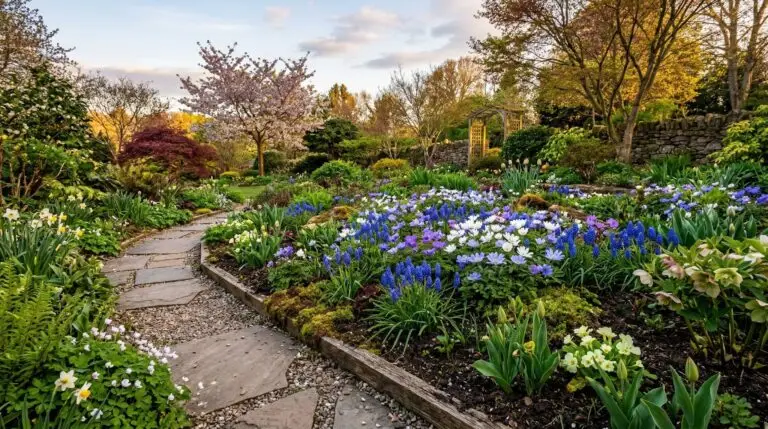
Blue and purple anemones bring a sense of protection and anticipation to the spring borders. Early European folklore suggested that holding your breath while running through a field of wild anemones would protect you from illness. People eventually began pressing the purple flowers into books or wearing them pinned to their clothing to ward off bad luck during long trips. The deep violet hues of these varieties contrast beautifully with the yellow daffodils and early tulips that share their blooming season. These cool-toned anemones seem to recede into the shadows of the garden, offering a calm resting place for the eye. The purple varieties often feature multiple layers of petals, giving them a ruffled, complex appearance that invites close inspection. They hold their color well even as the spring sun grows stronger, resisting the fading that affects paler blooms.
Planting memories in the spring soil
Because of their long history with grief and brief life cycles, anemones hold a permanent place as memorial flowers. Planting them in a dedicated garden space offers a physical way to process loss over the passing seasons. You dig into the dirt in the cooling days of autumn, burying the corms with a sense of quiet hope for the future. When spring arrives, the flowers return just as the weather begins to warm and the earth wakes up. They share this early blooming space with the narcissus, another flower born from ancient tragedy that marks the transition away from winter. Seeing the anemones open their dark centers to the sun provides a reliable comfort year after year. Tending to these memorial patches gives the gardener a specific task, a way to channel memories into the physical act of weeding and watering.
The story of the windflower ultimately comes full circle every time the petals drop to the earth. The brief blooming period forces the gardener to appreciate the flowers exactly as they are in the present moment. You cannot save an anemone for later, and you cannot force it to hold onto its petals once the wind begins to blow. This fleeting nature is exactly what makes the anemone meaning so resonant across centuries of human history. We continue to plant these shriveled corms because we understand the value of temporary beauty in a changing world. The wind will always come to scatter their petals eventually, but the roots remain secure beneath the soil. They rest quietly in the dark earth, gathering strength and waiting to tell their story again next spring.
More About Anemone
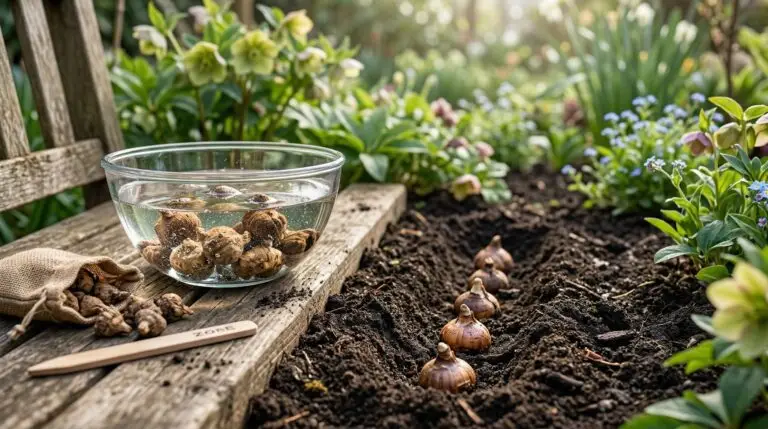
How to plant anemone corms in fall for a spectacular spring flower display
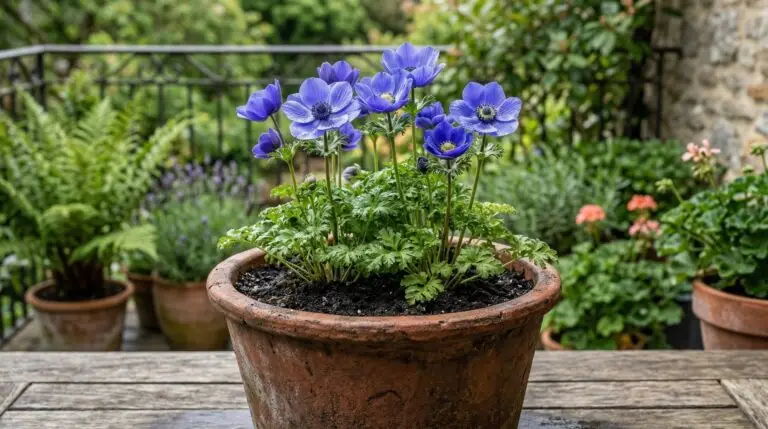
How to grow anemones in containers for a colorful spring balcony garden

Naturalizing anemones in woodland gardens for wild-looking spring carpets
Growing anemones as cut flowers for endless spring and fall arrangements
Anemone and ranunculus planted together for the ultimate spring flower garden
Why your anemone corms did not sprout and how to succeed next time
Anemone meaning, from anticipation and protection to forsaken love
Anemone wedding bouquets that bring effortless romance to any ceremony