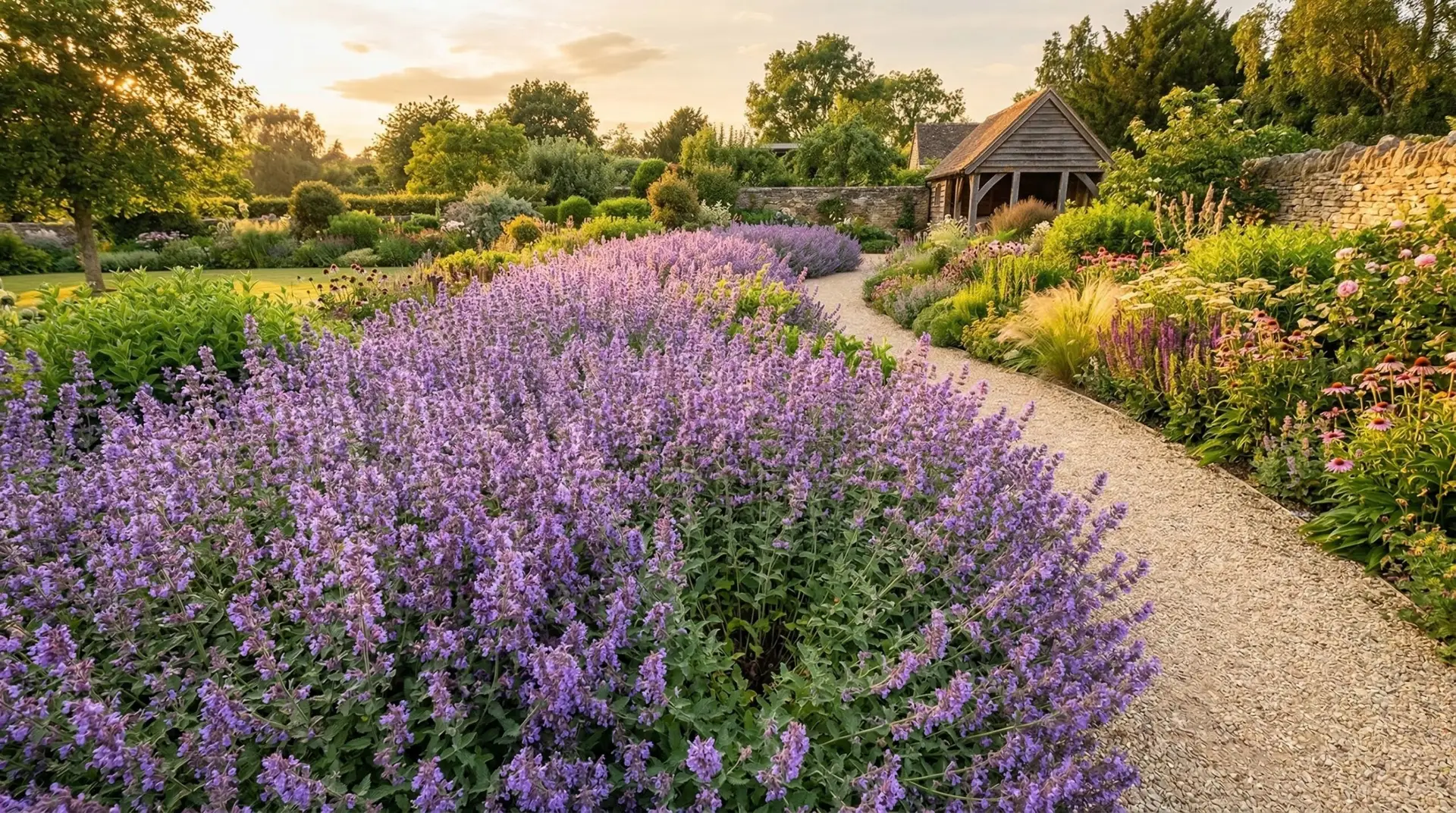
Before you buy dozens of plants to cover a bare patch of soil, you need a clear strategy for how those plants will establish and spread. Many gardeners buy a few ground cover plants, place them too far apart, and end up weeding the gaps for years. Using catmint ground cover requires specific spacing and site conditions to create a dense canopy that shades the soil. The goal of using a nepeta ground cover is to eliminate bare dirt entirely, which denies weed seeds the light they need to germinate. Catmint weed suppression works effectively because the plant grows rapidly and forms thick mounds of aromatic foliage. You must evaluate your site before you choose your varieties or calculate how many plants to order. Catmint requires at least six hours of direct sunlight daily and soil that drains quickly after a rainstorm. If your chosen area stays wet or sits in deep shade, you will need to look at other plant options.
Assessing your site and selecting varieties
Evaluating your planting site is the first step in planning a successful ground cover project. Walk your yard and track the sunlight across the target area to ensure it receives full sun for most of the day. Check the soil moisture by digging a small hole after a rain to see how fast the water drains away. Catmint thrives in lean, well-draining soil and will rot in areas with heavy clay that holds standing water. Once you confirm your site conditions are appropriate, you can choose the specific type of catmint for your project. Plant breeders have developed many varieties that grow between six inches and three feet tall. Low-growing varieties like ‘Cat’s Pajamas’ or ‘Kitten Around’ stay under fourteen inches and work well along walkways or borders. Taller varieties like ‘Walker’s Low’ work better on large open banks where their wide spread can cover more square footage. You might mix catmint with other low-growing plants like sweet alyssum for a varied texture along the edges of your beds. Some gardeners also use creeping phlox near catmint to provide early spring color before the nepeta fully wakes up.
Preparing the soil and calculating plant spacing
Proper site preparation dictates whether your mass planting will successfully choke out weeds or become a maintenance headache. You must remove all existing perennial weeds and their root systems before you plant a single catmint. If you leave bindweed, thistle, or quackgrass in the soil, these aggressive weeds will grow right through the center of your new plants. Clear the area completely using a broadfork or a sod cutter, and avoid tilling the soil, which brings dormant weed seeds to the surface. Calculate your plant spacing based on the mature width of the specific variety you chose. To achieve rapid catmint weed suppression, space the plants so their mature widths will overlap by about ten percent. For a variety that grows twenty inches wide, you should plant the root balls about eighteen inches apart on center. Buying flats of smaller landscape plugs is the most budget-friendly way to cover a large area, though you can buy quart-sized pots if you want faster results. Expect the first year to be entirely about root establishment and foliage growth, with the solid, weed-suppressing canopy forming by the middle of year two.
Executing the planting on slopes and flat terrain
Planting a nepeta ground cover on a slope requires a slightly different approach than planting on flat ground. When working on banks or hillsides, you should arrange the plants in staggered, zigzag rows rather than straight lines. This staggered pattern slows down water runoff and holds the soil in place while the roots establish during the first season. Dig each hole slightly wider than the root ball, but do not amend the soil with rich compost or fertilizer. Catmint grows best in poor to average soil, and adding too much nitrogen will cause the stems to grow weak and flop open in the center. Flopping stems expose the crown of the plant and the surrounding soil to sunlight, which immediately invites weed seeds to sprout. If you are planting low-growing catmint between large stepping stones, ensure the soil level sits slightly below the stones so the plants do not get crushed by foot traffic. Water the entire planting area deeply immediately after installation to settle the soil around the roots. You will need to water the plants once or twice a week for the first four to six weeks, allowing the top two inches of soil to dry out completely between waterings.
Managing the ongoing maintenance requirements
Many people assume ground covers require zero maintenance, but you must manage catmint properly to keep it dense and weed-proof. The most important maintenance task occurs in mid-summer after the first massive flush of flowers begins to fade. You need to shear the entire planting back by about one-third of its height using hedge clippers or heavy shears. This shearing removes the spent blooms, prevents the plant from setting seed, and forces a tight, compact flush of new foliage. If you skip this mid-summer cut, the plants will splay open from the center and leave bare patches of soil where weeds will quickly take hold. The sheared plants will usually produce a second flush of flowers within three to four weeks and maintain their tight mound shape through the fall. Beyond this annual shearing, mature catmint requires almost no supplemental watering unless your region experiences a severe, prolonged drought. Every three to four years, you will need to dig up and divide the oldest clumps if they begin to die out in the center. You can use a sharp spade to cut the healthy outer sections of the root ball into new plants, which gives you free material to expand your ground cover into other areas of the yard.
Creating your initial action plan
Taking the first step toward your mass planting project requires observation rather than an immediate trip to the garden center. Your action plan for this week is to measure the exact square footage of the area you want to cover. Write down these dimensions and spend a few days watching how the sun hits the space from morning until evening. You must verify the area receives at least six hours of direct sunlight before you commit your time and budget to a catmint ground cover. Once you confirm the sunlight and measure the space, you can research varieties and calculate exactly how many plants you need to order. If you plan to incorporate other spreading plants, you can read more about creeping thyme or similar sun-loving options to complete your design. Clear the space of all existing vegetation this weekend so the bare soil is ready when your plants arrive. Taking the time to prepare the site properly now ensures your planting will successfully choke out weeds for years to come.
More About Catmint
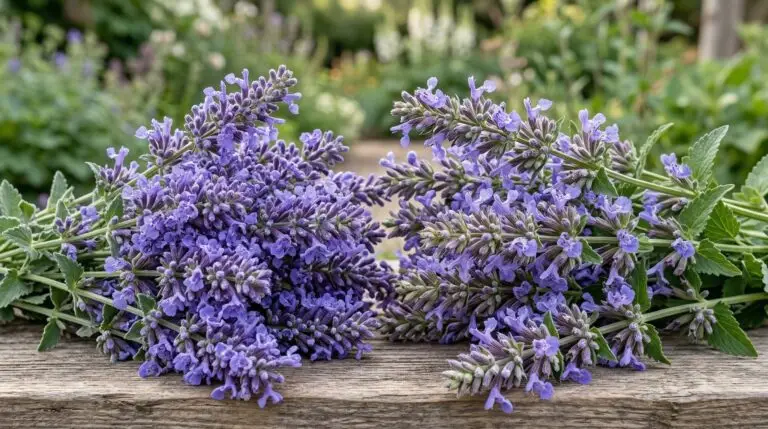
Catmint versus lavender and which fragrant purple perennial works better in your garden
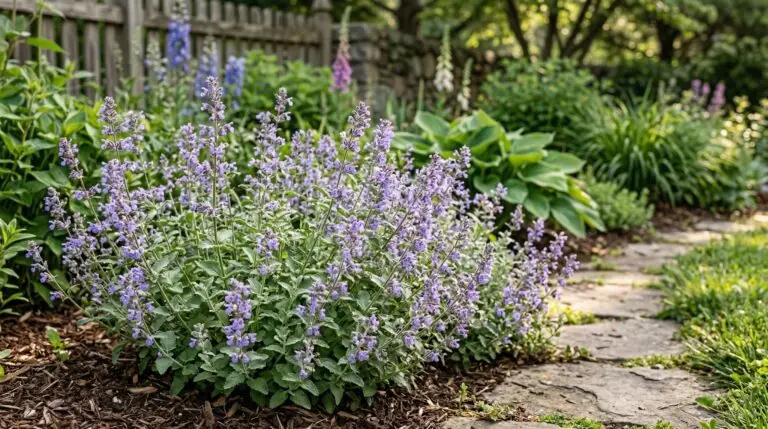
Catmint as the ultimate deer-resistant and drought-tolerant perennial for easy gardens

Designing a low-water perennial border with catmint as the anchor plant

How to shear back catmint for a second flush of blooms and a tidy appearance
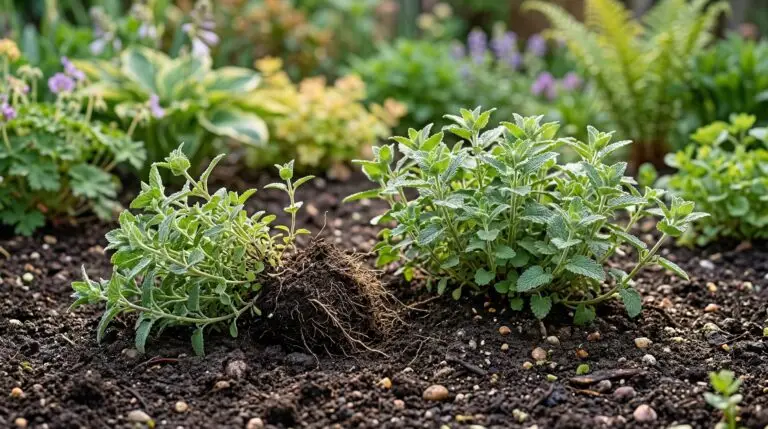
How to propagate catmint from stem cuttings and division in spring
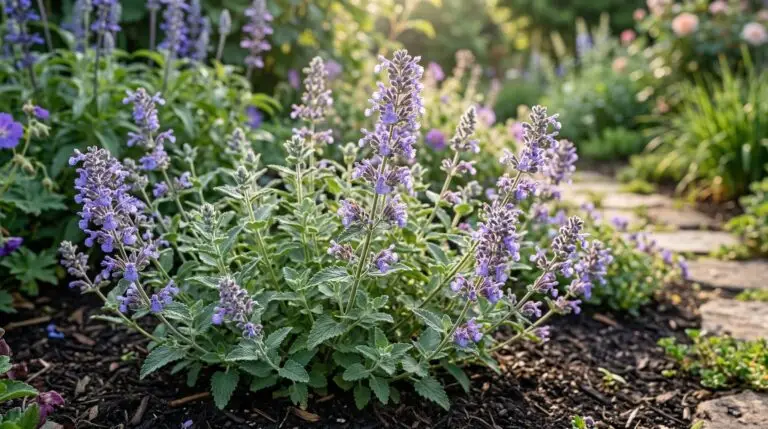
Catmint versus catnip and why they are different plants with different garden uses
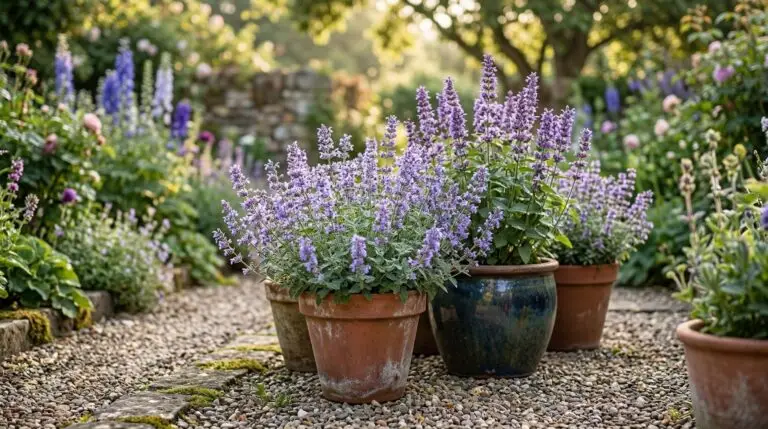
Growing catmint in containers for a fragrant pollinator-friendly balcony
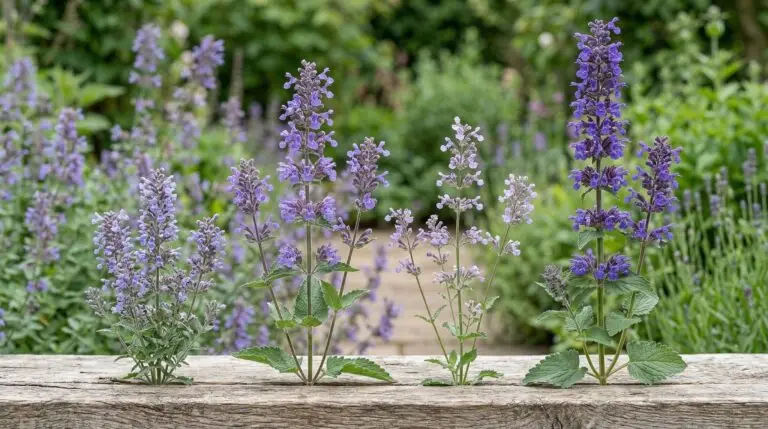
Best catmint varieties from compact Walker’s Low to towering Six Hills Giant