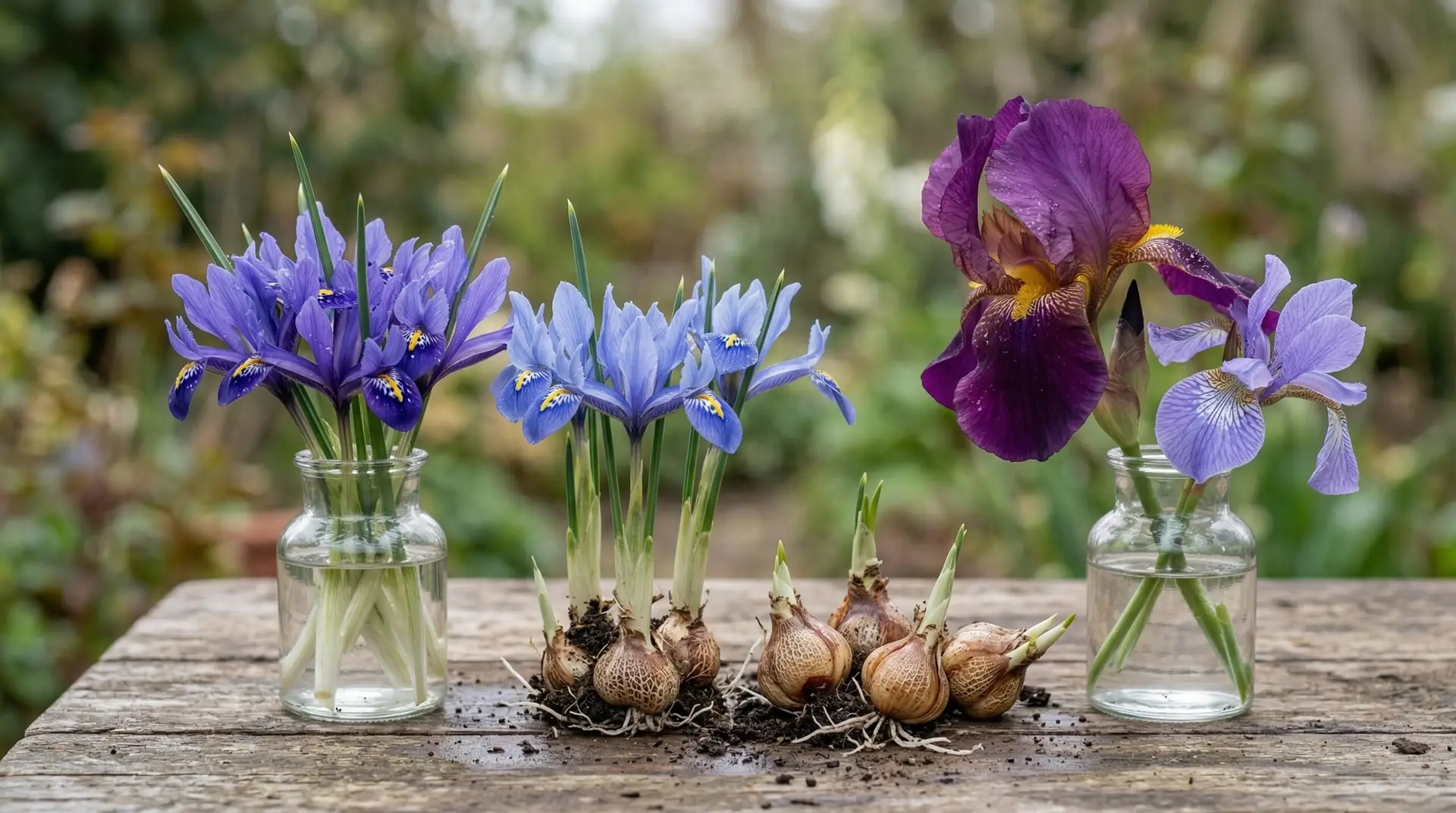
The garden in late February smells of wet bark and thawing mud. The air still holds a sharp chill that stings the cheeks, and the sunlight slants low through bare branches, casting long, pale shadows across the ground. Just as you think the frost will never break, the first miniature iris pushes through the crust of the soil. The shoots of the dwarf iris are tightly rolled, appearing like sharp green needles piercing the dead brown leaves of last autumn. Within days, these tight bundles unfurl to reveal flowers so saturated in color they seem to generate their own light in the gray surroundings. A deep, ink-like purple and a clear, piercing cerulean blue suddenly appear at ground level. You have to kneel on the cold, damp earth to fully appreciate them, bringing your face close to the freezing soil.
Early arrivals in the frozen earth
Iris reticulata blooms when winter still holds the garden in a tight grip. These tiny bulbs produce blossoms that look incredibly fragile, yet they withstand freezing rain and morning frosts without bruising. The falls, the lower petals that drape downward, feel like thick velvet rubbed between your thumb and forefinger. In contrast, the upright standards are thin and papery, catching the weak winter sun and turning almost translucent. If you lean in closely on a slightly warmed afternoon, you will catch a distinct fragrance rising from the petals. The scent is unexpectedly sweet, carrying heavy notes of candied violets mixed with raw honey. They often open their buds on the very same day the first white snowdrop flowers nod their heads above the frost line.
Because these early bloomers are so small, they easily get lost in a large, empty garden bed. Planting miniature iris in terracotta pots brings their details closer to eye level on a porch or patio steps. You can build layers of spring color in these containers in the autumn by burying the rough, teardrop-shaped iris bulbs just above a deeper layer of trumpet daffodils. For an even longer succession of bloom, you can place a final, deepest layer of smooth tulip bulbs near the bottom of the pot. When you pack the potting soil around them, it should feel loose and friable, falling easily through your fingers like coarse sand. The iris will bloom first in the cold air, spilling their rich blues and purples over the rim of the clay pot. By the time their grass-like foliage begins to lengthen and flop, the next layer of bulbs will push up through the green mass to take their turn in the sun.
Bearded companions for the rocky slopes
As the calendar turns to April and the soil begins to warm, the focus shifts to the rock garden where Iris pumila begins to open. These are the dwarf bearded irises, standing barely eight inches tall but carrying flowers as large and complex as their summer-blooming cousins. The texture of these blossoms invites touch, especially the thick, fuzzy caterpillar-like beard that rests in the center of each lower petal. Colors in this group vary wildly, moving from the soft blush pink of early morning clouds to a deep, bruised burgundy that photographs almost black in the shade. There are also clear lemon yellows and striking bicolors with pale standards and dark, velvety falls. The foliage forms tight fans of flat, waxy leaves that feel stiff and substantial when you brush your hand against them. When the morning dew settles on these leaves, the water forms perfectly round, silver beads that balance precariously on the sharp green edges.
To see Iris pumila thrive, you must give them an environment that mimics a harsh, rocky hillside. You will know the soil is right when it feels rough and gritty, scraping slightly against your skin as you dig. These plants require sharp drainage, preferring a bed composed of coarse builder’s sand, crushed gravel, and small stones. When the afternoon sun hits the rock garden, the stones absorb the heat and radiate it back into the thick, fleshy rhizomes resting right at the soil surface. The rhizomes must bake in this dry heat to produce their best flowers the following spring. Overwatering or burying the rhizomes in heavy, wet clay will cause them to turn to mush, smelling of rot and ruined earth. Given the right conditions, they will multiply into a dense mat of stiff gray-green swords that look handsome even when the flowers fade.
Woodland shadows and creeping roots
Moving away from the baking stones of the rock garden, the environment changes completely under the shade of deciduous trees. Here the air feels cooler, holding the rich, earthy scent of decaying leaf mold and damp moss. This is the territory of Iris cristata, the dwarf crested iris that spreads slowly across the woodland floor. Instead of the fuzzy beards found on Iris pumila, these flowers feature a raised, bumpy crest colored in bright gold or stark white. The petals themselves are a pale, icy lavender-blue, looking like pieces of fallen sky resting among the brown oak leaves. The blossoms sit entirely flat, opening wide to catch whatever dappled sunlight manages to pierce the canopy of branches above. A light spring rain makes the petals droop slightly, their thin substance taking on the delicate, heavy look of wet tissue paper.
Planting Iris cristata requires a gentle hand and an appreciation for the top layer of the forest floor. Their rhizomes are thin and knobby, feeling very much like small pieces of dried ginger root. You do not bury them deeply, but rather press them just under the surface of the loose, spongy humus. When you water them in, the moisture should soak into the ground instantly, leaving the surface feeling like a wrung-out sponge. As the years pass, these creeping roots will wander over the soil, navigating around tree roots and half-buried logs. They form a solid ground cover of arching, pale green leaves that ripple collectively when a breeze moves through the understory. The pale blue flowers emerge in a sudden rush in mid-spring, creating a pool of cool color in the deep shade.
The true magic of a miniature iris reveals itself in the quiet moments just before dusk. The fading evening light strikes the low-growing flowers at an oblique angle, illuminating the fine, branching veining on every single petal. The deep purples and icy blues darken as the shadows lengthen, blending slowly into the cooling earth. The air temperature drops, bringing out the sweet, heavy scent of the blossoms one last time before the night sets in. The petals fold upward by a fraction of an inch, pulling themselves tighter against the encroaching chill of the spring night. You leave the garden with the smell of damp soil on your hands and the image of those bright, tiny jewels glowing faintly in the gathering dark.
More About Irises
Iris problems from borers to rot and keeping your iris collection healthy
How to grow irises for elegant sword-leaved plants and flowers in every color of the rainbow
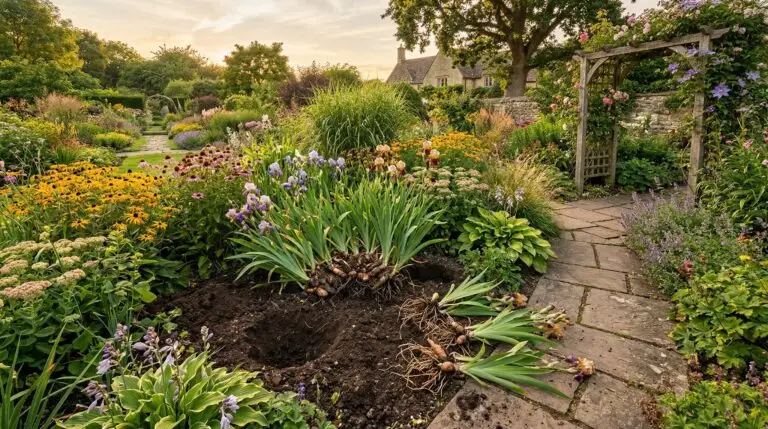
Dividing and transplanting irises at the right time for healthy plants and more blooms
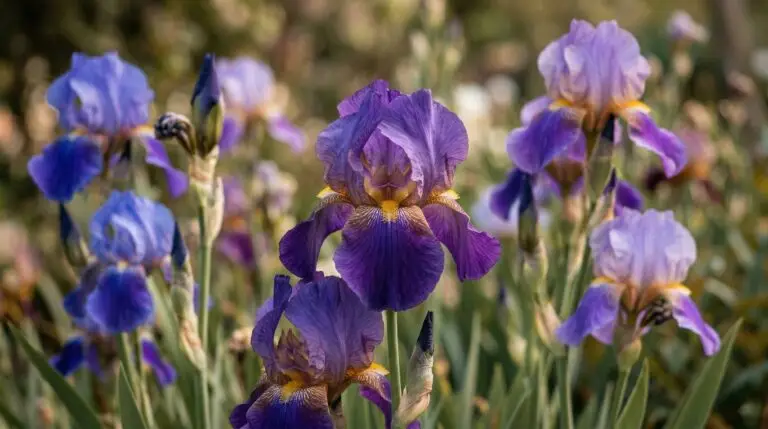
Iris flower meaning and why the rainbow goddess gave this flower its name
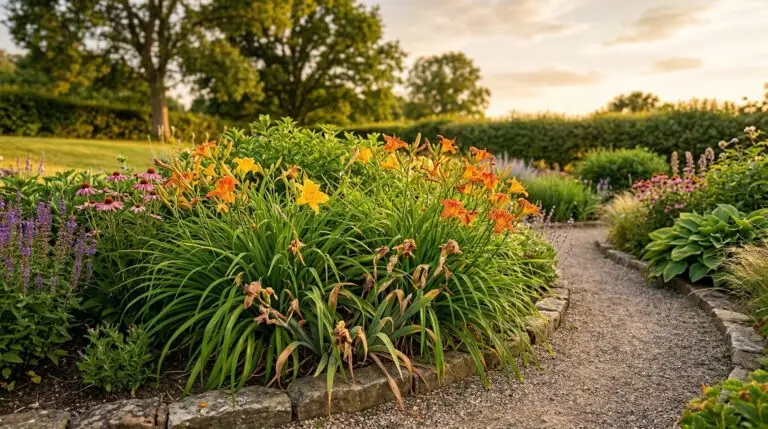
Companion plants for irises that extend the beauty after iris bloom season ends
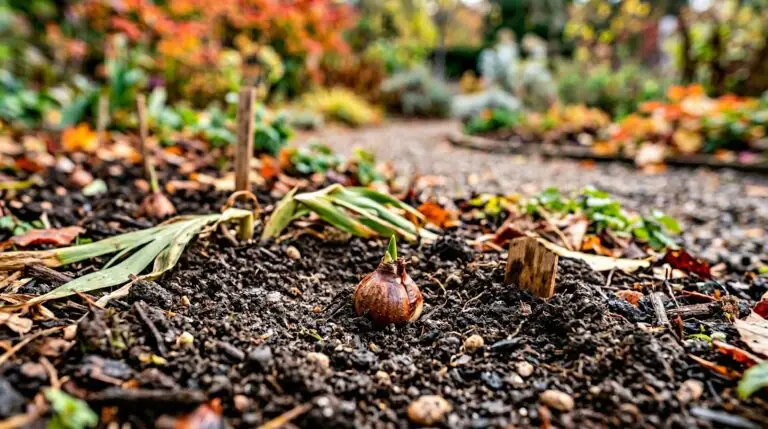
Dutch iris bulbs for spring cutting gardens and the easiest iris to grow in bouquets
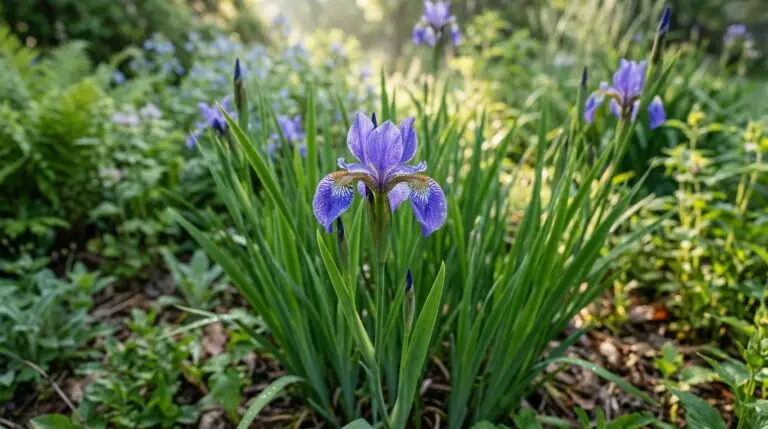
Louisiana iris for southern gardens and warm humid climates where bearded iris fails
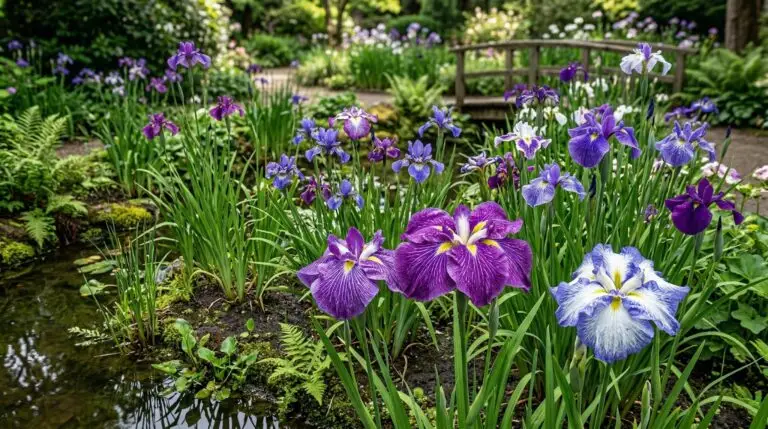
Japanese iris for dramatic waterside blooms with the largest flowers in the iris world