Understanding the indoor blooming process
One of the first things gardeners ask when they bring home a bird of paradise is whether they can actually coax those famous orange and blue flowers to appear in a regular living room. This is a completely fair question because these plants are native to sunny South African coasts and often struggle to replicate that environment inside a typical house. Growing a bird of paradise indoor environment requires a specific combination of light, patience, and spatial awareness. Many people buy a small starter plant at the nursery and expect it to bloom the following summer. Getting a strelitzia indoor care routine dialed in takes time and careful observation of how the plant responds to your specific house. You have to understand what the plant is experiencing in its pot compared to what it would experience in the ground outside. The transition from a greenhouse to a living room is a major adjustment that dictates how the plant will behave for the next several years.
The natural follow-up question is usually about exactly how much light this plant needs to survive and eventually produce flowers. Indoor lighting is almost always weaker than we perceive it to be with our human eyes. Achieving a bird of paradise bloom indoors requires absolute maximum light exposure, meaning the plant needs to sit directly in front of your brightest, largest window. A south-facing or west-facing window with unobstructed sun is the only real option if you want flowers. If you place the plant in a dark corner or several feet back from a window, it will survive and grow leaves, but it will never generate the energy required to form a bloom. You can think of its light needs as similar to a hibiscus, which also demands intense, direct sunshine to perform well indoors. You should wipe the large leaves down with a damp cloth every few weeks to remove dust and maximize the amount of light the plant can absorb.
This intense light requirement leads to something many growers wonder about when their plant has been sitting in a sunny window for a year with no flowers. People often ask when the plant is finally going to bloom, assuming they are doing something wrong with their watering or fertilizer. A bird of paradise simply will not bloom until it reaches a specific level of maturity, which usually takes three to five years from a young nursery plant. The plant needs to develop a massive root system and reach a certain physical size before it triggers the biological process to create a flower stalk. You cannot rush this timeline with extra fertilizer or special soil blends. You just have to keep the plant healthy and wait for it to reach adulthood. Once the plant reaches maturity, it will reliably produce flowers every year as long as the light and watering conditions remain consistent.
Managing roots and watering routines
While we are talking about roots, there is a detail that most new owners do not realize until they make a repotting mistake. You might assume that a plant needing to grow massive roots should be moved into a giant pot right away. A bird of paradise actually prefers to be slightly root-bound to produce flowers. When the roots hit the sides of the pot and become crowded, the plant senses a slight stress that encourages it to reproduce by flowering. If you keep moving the plant into larger and larger containers, it will spend all its energy growing more roots and leaves instead of forming blooms. You should only repot when the roots are literally pushing the plant up out of the soil or cracking the plastic nursery pot. Even then, you should only move it up one pot size to maintain that snug feeling around the root ball.
Since the plant is sitting in a hot, sunny window and filling its pot with tight roots, you might wonder how exactly to water it. The watering strategy changes depending on the season and the temperature of your living room. During the active growing months of spring and summer, the plant drinks a massive amount of water and the soil should be kept consistently moist but never soggy. When winter arrives and the days get shorter, you need to let the top few inches of soil dry out completely before watering again. Indoor heating systems dry out the air considerably, so maintaining decent humidity around the leaves helps prevent the edges from turning brown and crispy. Similar to caring for an anthurium, you want to group plants together or use a humidifier to keep the ambient moisture levels comfortable. Misting the leaves with a spray bottle provides a temporary fix, but a dedicated humidifier offers much better long-term results.
Adapting to indoor temperatures and natural changes
People also frequently ask if their house is warm enough to keep a tropical plant happy year-round. A bird of paradise is surprisingly adaptable to normal indoor temperatures, thriving anywhere between sixty-five and eighty degrees Fahrenheit. The main temperature threat comes from drafts, specifically cold air blowing from air conditioning vents in the summer or poorly sealed windows in the winter. Sudden temperature drops or constant cold breezes will shock the plant and stall its growth entirely. If you have ever tried to keep a moth orchid alive near a drafty door, you know how quickly cold air can ruin a tropical plant. You should position your bird of paradise away from exterior doors that open frequently during the colder months. Keeping the plant away from direct heat sources like radiators is equally important to prevent the leaves from scorching.
A final question that almost every bird of paradise owner eventually asks is why the large leaves are suddenly tearing and splitting down the sides. Many people panic when they see this, assuming a pest is eating the plant or they have failed at their care routine. Leaf splitting is actually a completely natural evolutionary adaptation that allows high winds to pass through the massive leaves without snapping the main stem. Even indoors where there is no wind, the older leaves will naturally develop these splits as they age and unfurl. You do not need to cut off the split leaves or change your care routine when this happens. The splits are just part of the plant’s character and a sign that your indoor bird of paradise is behaving exactly as it should. Embracing these imperfections makes growing this massive tropical plant a much more relaxing experience.
More About Bird of Paradise
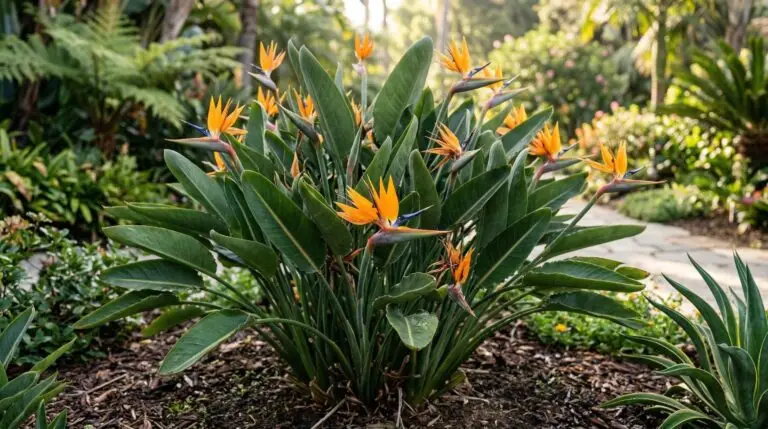
Growing bird of paradise outdoors in zones 9 through 11 for year-round tropical color
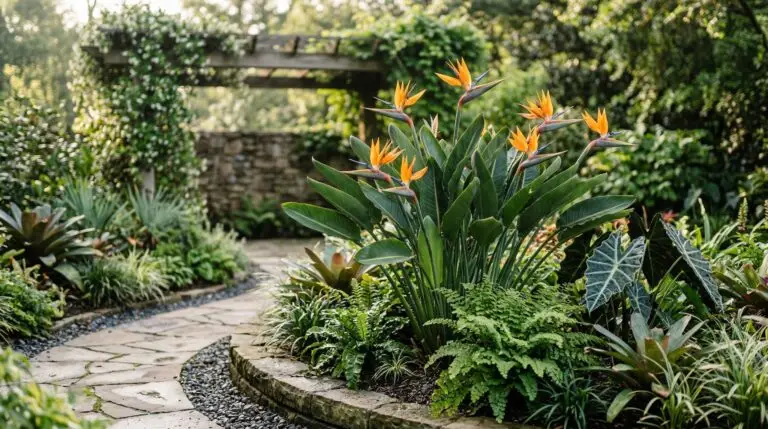
Using bird of paradise flowers in dramatic tropical floral arrangements
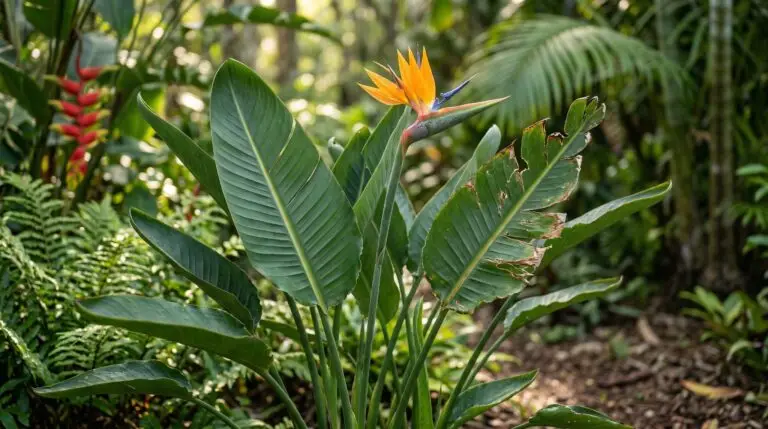
Bird of paradise leaf splitting and curling and what your plant is trying to tell you
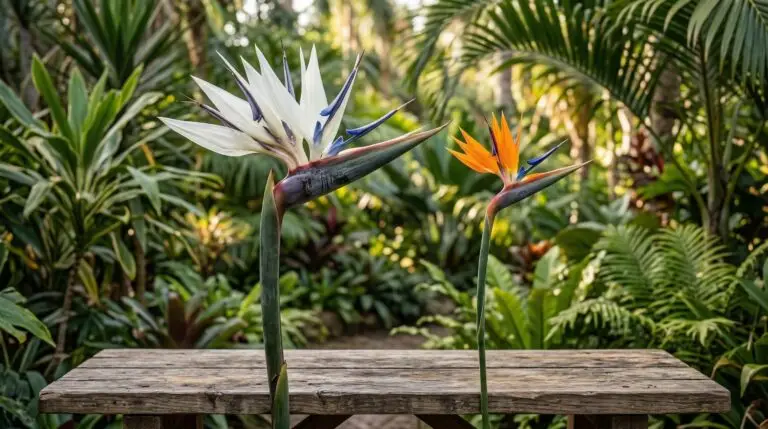
Giant white bird of paradise versus orange bird of paradise and which to choose
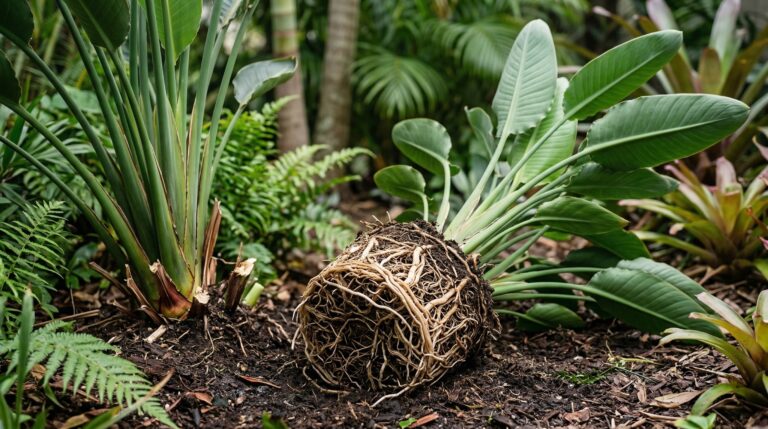
How to divide bird of paradise to share with friends or fill your garden
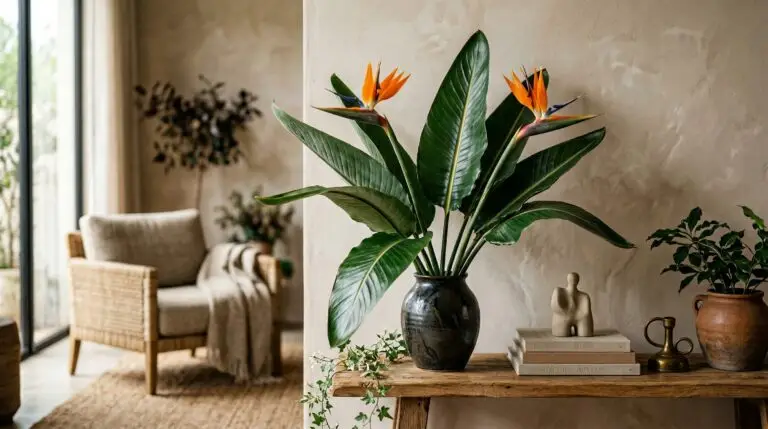
Bird of paradise in modern interior design as a living sculptural statement
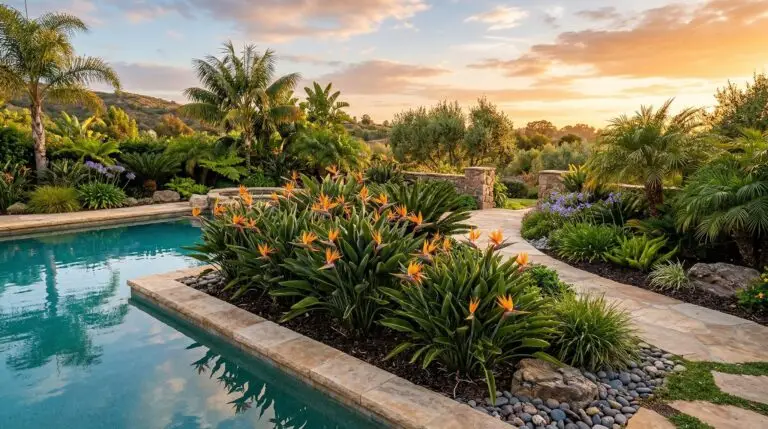
Bird of paradise in tropical landscape design for a resort-style backyard
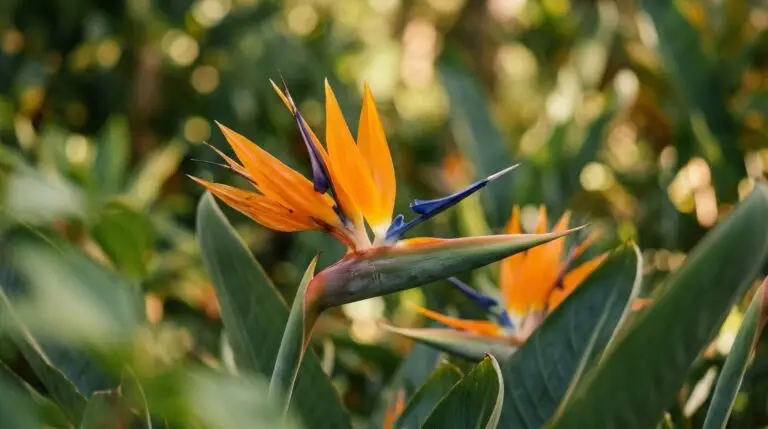
Bird of paradise flower meaning and its connection to freedom and paradise